Used All-Electric Plastic Injection Molding Machines for Sale
All used injection molding machines (63) →
See all 63 Injection Molding Machines →
13 results
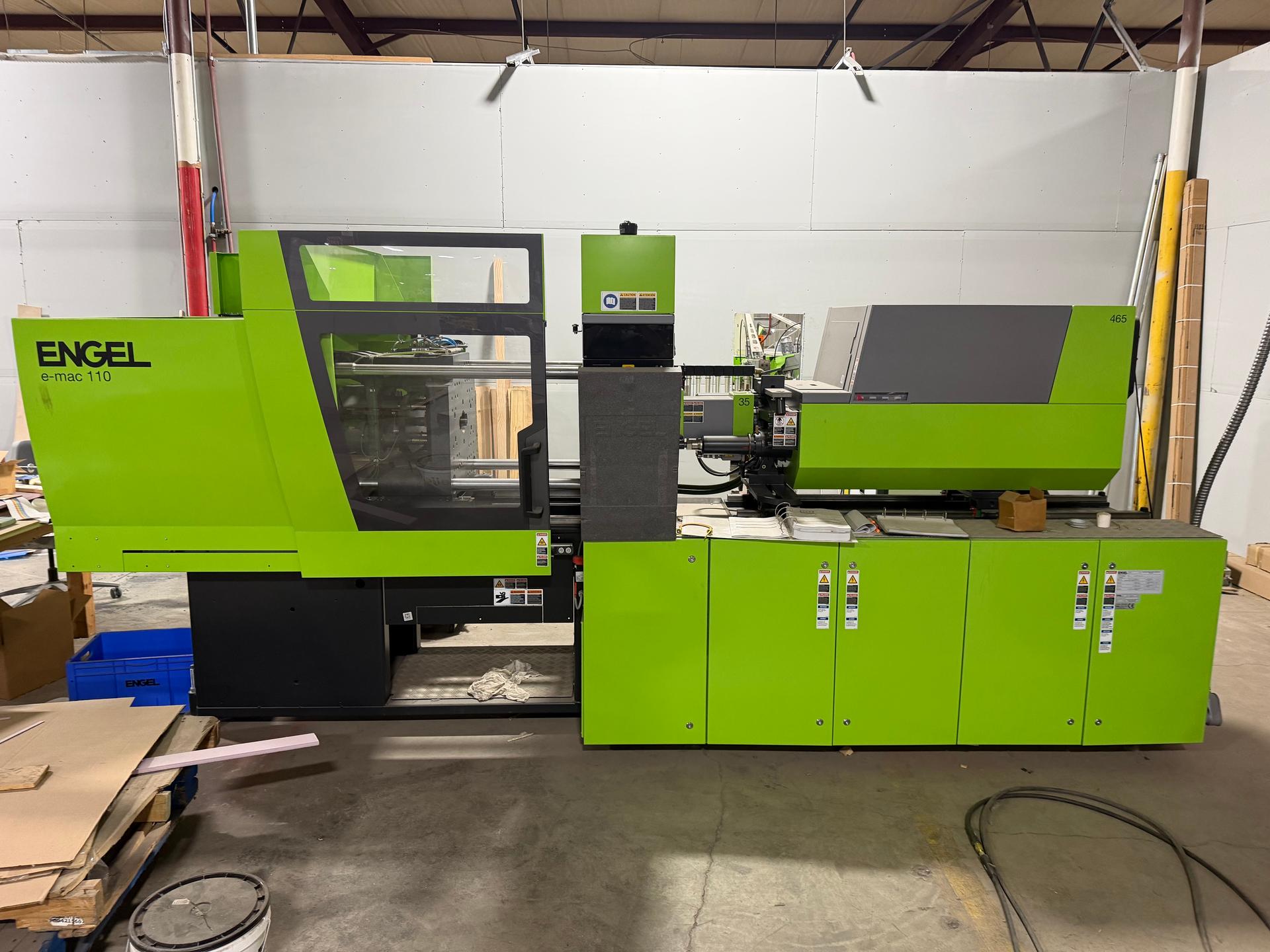
Lot 1 · Item #7111
2022 Engel 110-Ton All Electric Injection Molding Machine
USA · Register to see location
Ends Wed, Dec 16, 10:00 AM CT
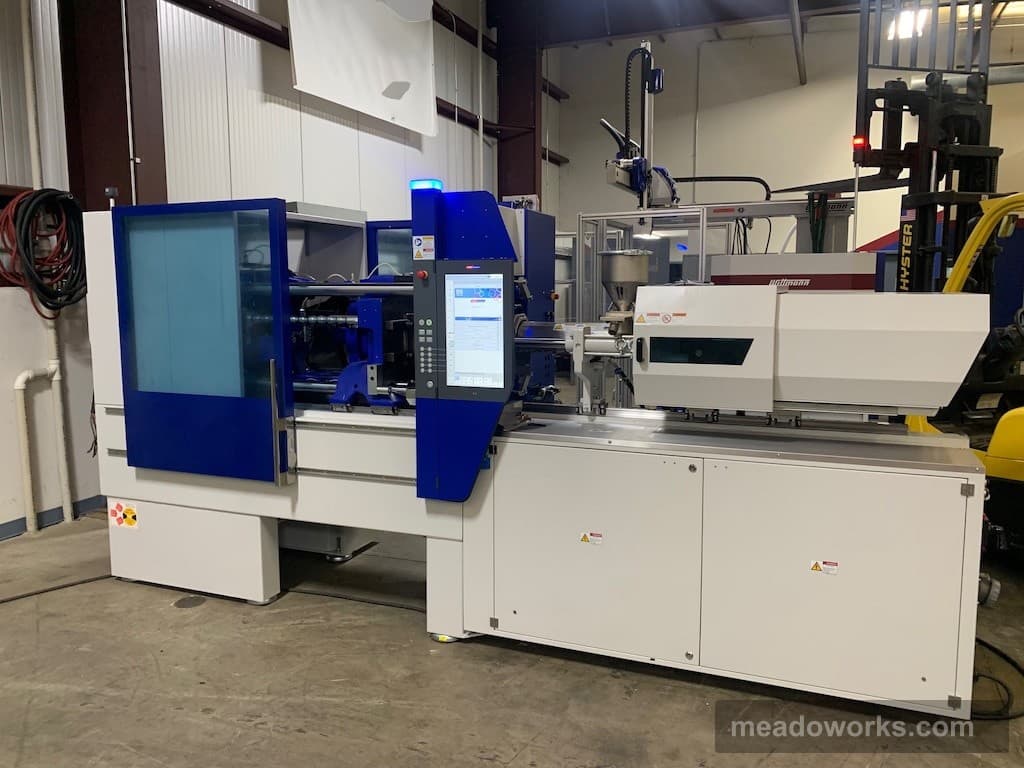
Item #6054
Wittmann Battenfeld - EcoPower 90/130 - All Electric
USA
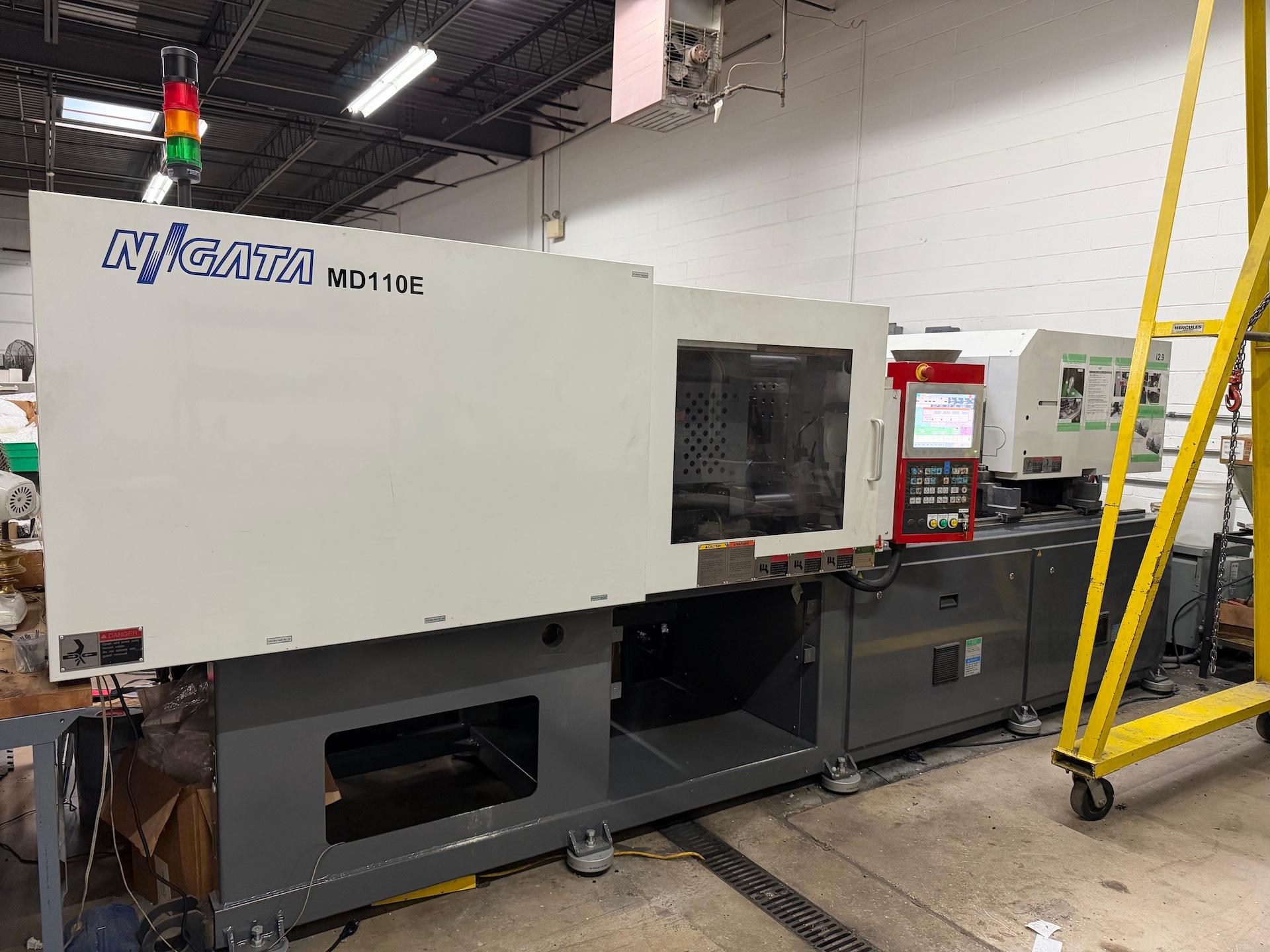
Lot 1 · Item #7115
2021 Niigata MD110E Injection Molding Press
USA · Register to see location
Ends Mon, Dec 14, 10:00 AM CT
 Video
Item #6269
2020 JSW J100ADS - All Electric
USA
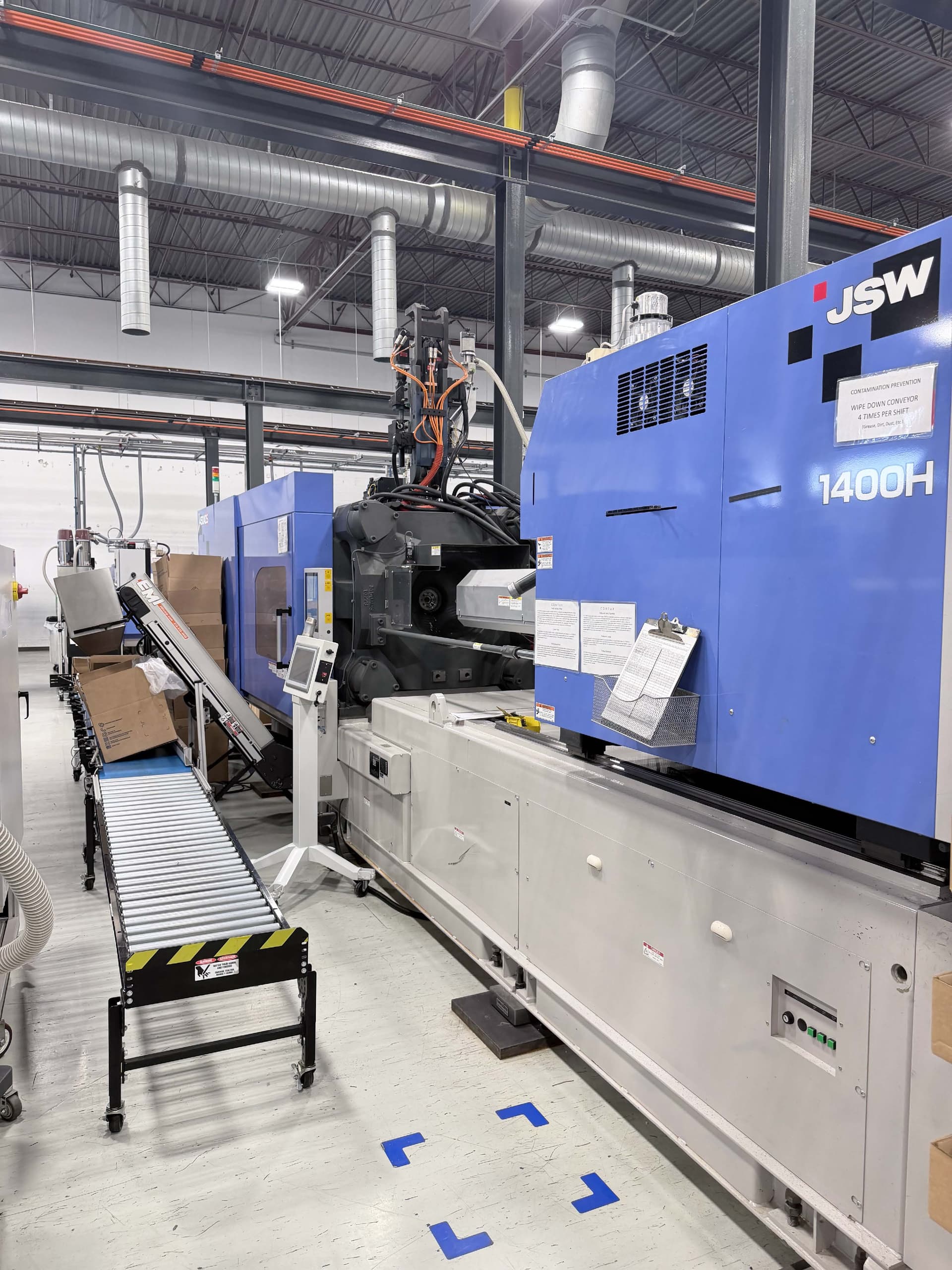
Item #6950
Bulk Lot: 2019 JSW J450ADS-1400H 2-Shot Cell #2 — Press, Rotary Platen & Secondary Injection (Lots 9–10)
USA
Item #6949
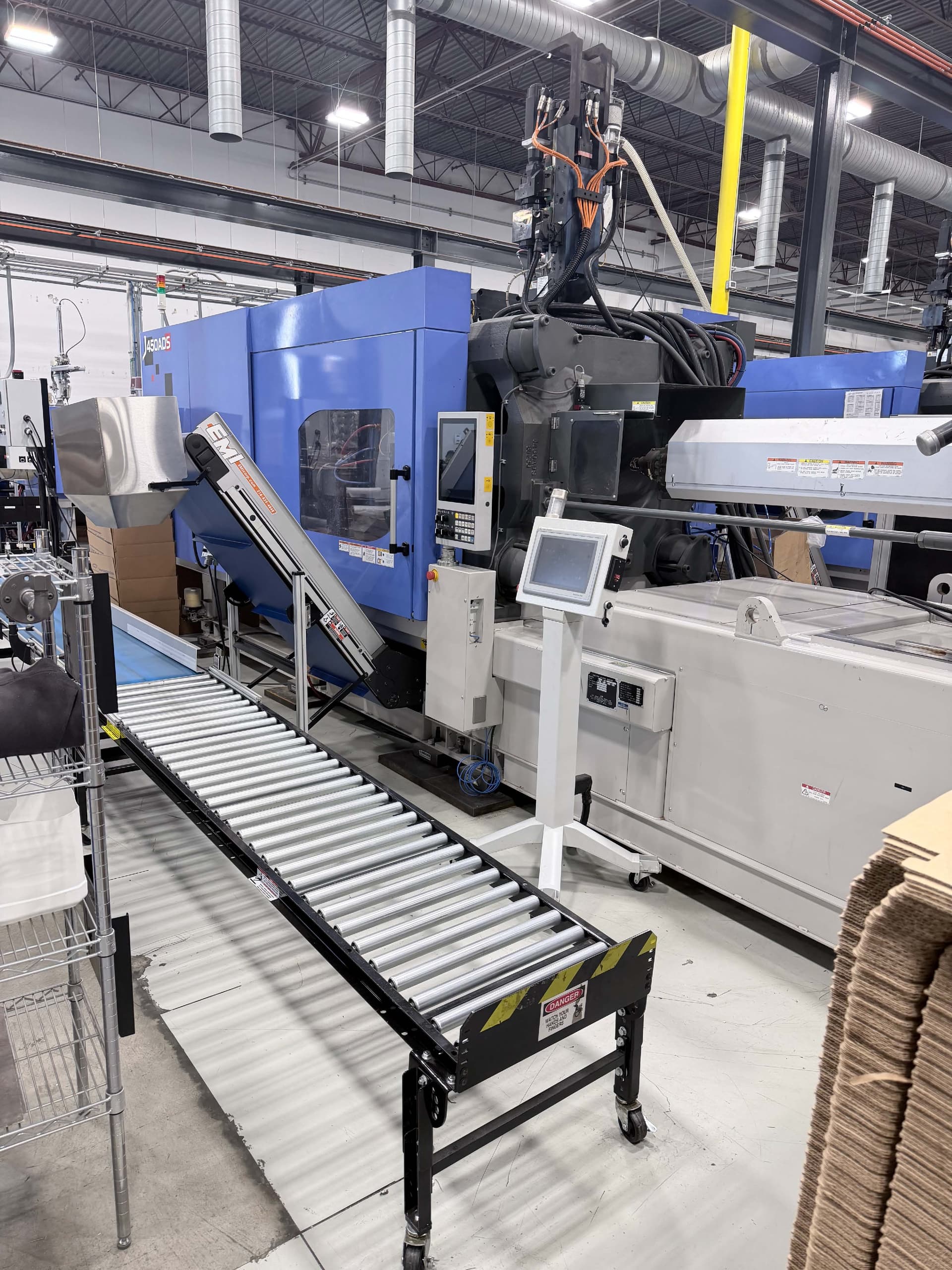
Bulk Lot: 2019 JSW J450ADS-1400H 2-Shot Cell #1 — Press, Rotary Platen & Secondary Injection (Lots 1–2)
USA
Item #6893
2019 JSW J450ADS-1400H 2-Shot Capable Injection Molding Machine
USA
Item #6894
2019 JSW J450ADS-1400H 2-Shot Capable Injection Molding Machine
USA
Lot 3 · Item #6885
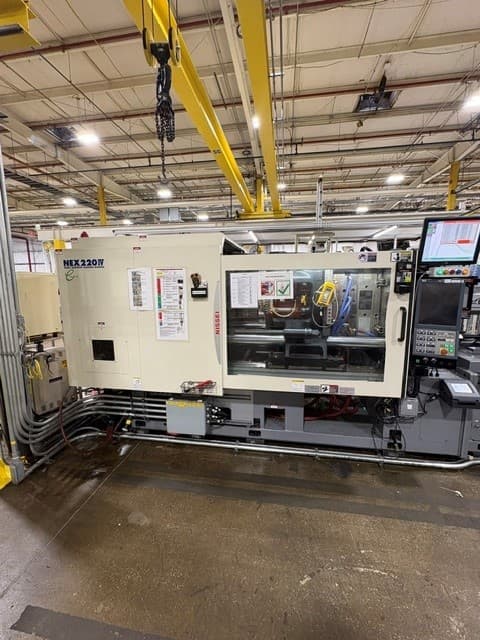
2019 Nissei NEX220IV Injection Molder
USA · Register to see location
Ends Thu, Dec 17, 10:04 AM CT
Lot 1 · Item #6895
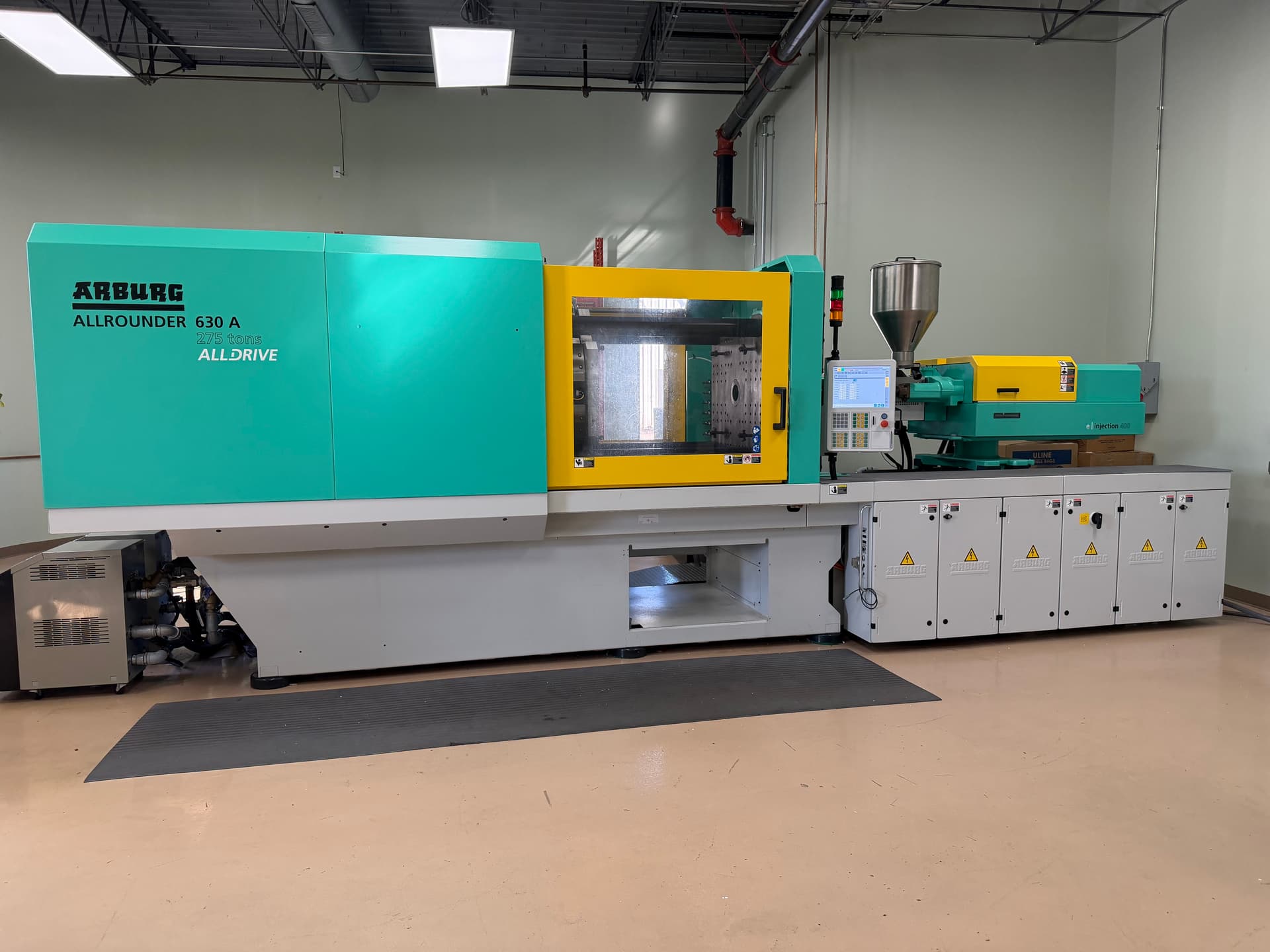
2016 Arburg Allrounder 630 A 2500-400 Injection Molding Machine
USA · Register to see location
Taking offers · bidding opens Tue, Dec 1, 10:00 AM CT

Item #6207
2016 Engel e-Motion 440H/170V/310 T Combi
USA

Item #4929
Sumitomo - SE130D-CI - 2-Shot, All Electric
USA

Item #5451
Toyo - Si-750 III
USA
All-Electric Injection Molding Machines by the numbers
From our own catalog: machines listed now and machines we have sold. Updated every few minutes.
Our track record
18 machines sold · 10 makes · model years 1998–2023 · 14 sold at our own auctions
By clamp force
| Clamp force | In stock now | Sold by Meadoworks |
|---|---|---|
| Under 100 tons | 0 | 4 |
| 100–299 tons | 7 | 12 |
| 300–499 tons | 3 | 0 |
| 500–999 tons | 1 | 2 |
By brand
| Brand | In stock now | Sold by Meadoworks | Model years |
|---|---|---|---|
| JSW | 3 | 1 | 2015–2020 |
| Engel | 2 | 1 | 2016–2022 |
| Arburg | 1 | 7 | 2012–2020 |
| Sumitomo | 1 | 3 | 2006–2023 |
| Niigata | 1 | 1 | 2007–2021 |
| Nissei | 1 | 1 | 2008–2019 |
| Toyo | 1 | 1 | 1998–2006 |
| Wittmann | 1 | 0 | 2022 |
Spec ranges across our machines
| Spec | Range | Machines |
|---|---|---|
| Clamp force | 40–750 tons | 29 |
| Shot size | 0.5–132 oz | 25 |
| Screw diameter | 22–100 mm | 15 |
| Tie-bar spacing (first figure) | 12.8–45.1 in | 23 |
| Platen size (first figure) | 18.1–60.6 in | 21 |
Controls we see most: Selogica (6)
Looking for Something Specific?
Most of our inventory sells before we can list it online. If you need a specific brand, model, or specification, tell us what you need—we have access to unlisted equipment and machines coming in from plant closures.
Browse Used All-Electric Injection Molding Machines by Brand
Browse Used All-Electric Injection Molding Machines by Country
Looking to Sell Your All-Electric Injection Molding Machines?
Meadoworks is an active cash buyer of used industrial equipment. Get a free valuation from our AMEA-certified appraisers.
About Used All-Electric Injection Molding Machines
All-electric plastic injection molding machines (also called electronic injection moulding machines) use servo motors instead of hydraulic pumps for all machine movements — clamp, injection, ejection, and plasticization. This eliminates hydraulic oil, reduces energy consumption by 30-50%, and provides exceptional repeatability and precision. Electric injection molding machines are the preferred choice for cleanroom medical molding, precision electronics, and applications requiring tight tolerances.
Key advantages of all-electric molding machines include faster dry cycle times, lower energy costs, reduced noise levels, no hydraulic oil contamination risk, and superior shot-to-shot consistency. These machines excel at producing medical components, optical parts, electronic connectors, and thin-wall packaging where precision is critical.
All-electric machines on the used market come from Fanuc (Roboshot, also sold as Milacron Roboshot), Sumitomo Demag (SE-EV / IntElect), Toshiba / Shibaura (EC series), JSW (J-AD), Toyo (Si series), Nissei (NEX), Engel (e-motion) and Arburg (Allrounder A). Arburg, JSW and Sumitomo are the all-electric makes Meadoworks has listed most. When you compare machines, ask for the hours, the control version and the drive and ballscrew service history. Contact us at 800-323-0307 for current availability.
How to Choose a Used Electric Injection Molding Machine
When the servo drives earn it
An all-electric press uses servo motors on clamp, injection, and often ejection, instead of a hydraulic pump. The payoff is repeatability, a cleaner cell, and a lower energy bill on a press that cycles all day. Medical, connectors, and thin-wall packaging are the usual reasons. A slow, heavy part does not always pay the premium.
Shot size, screw, and tie bars still come first. An electric press that cannot fit the mold is not more precise. It is the wrong size.
Electric versus hybrid
A hybrid keeps a hydraulic clamp or a hydraulic injection axis and puts a servo on the pump. It saves energy against an older fixed-pump hydraulic and it is not an all-electric. Read the nameplate. If oil still clamps the mold, you are looking at a hybrid or a hydraulic, whatever the brochure said.
Ballscrews and servo drives are the wear that replaces the oil. A noisy screw or a drive fault in the alarm history is the inspection, the way oil heat is on a hydraulic press.
Electric Injection Molding Machine Specs to Compare
| Spec | Why it matters |
|---|---|
| Clamp (tons) | Same fit rules as any press. Electric does not change the projected area. |
| Shot size (oz) | Servo injection holds a small shot well. The screw still has to be sized to the resin. |
| Dry cycle (sec) | A short dry cycle is why packaging plants buy these. Compare it at the stroke you will actually use. |
| Drive axes | All-electric means servos on clamp and injection. One servo pump is a hybrid. |
Clamp (tons)
Same fit rules as any press. Electric does not change the projected area.
Shot size (oz)
Servo injection holds a small shot well. The screw still has to be sized to the resin.
Dry cycle (sec)
A short dry cycle is why packaging plants buy these. Compare it at the stroke you will actually use.
Drive axes
All-electric means servos on clamp and injection. One servo pump is a hybrid.
What to Inspect on a Used Electric Injection Molding Machine
Read the alarm history
Drive and encoder faults are the story. A cleared history with a fresh battery is not the same as a quiet machine.
Listen to the ballscrews
A growl on injection or clamp is wear. It will not be fixed with a parameter.
Check the screw and barrel
Electric precision does not hide a worn screw. Ask for measurements.
Confirm there is no clamp oil
If a hydraulic power unit still closes the mold, call it a hybrid and price it that way.
Related Equipment
- Desiccant Dryers
Dry the resin before it reaches the screw
- Water Temperature Controllers
Hold the mold at a setpoint
- Servo Robots
Take the part out and place it
- Used Hydraulic Injection Molding Machines
Simple high-force presses, most of the used market
More Injection Molding Machines types
Types of Injection Molding
Common Applications
Frequently Asked Questions
What are the advantages of all-electric injection molding machines?
All-electric machines offer 30-50% energy savings, superior precision and repeatability, faster dry cycle times, lower noise, no hydraulic oil (ideal for cleanrooms), reduced maintenance costs, and lower operating temperatures. They're the preferred choice for medical, electronics, and precision molding applications.
How much do used all-electric injection molding machines cost?
Used all-electric plastic injection molding machines typically cost 20-40% more than comparable hydraulic models. Small all-electric machines (50-150 tons): $30,000-$100,000. Medium (150-500 tons): $60,000-$250,000. Large all-electric machines (500+ tons): $150,000-$500,000+. Fanuc Roboshot, Sumitomo, and Nissei all-electric machines are among the most sought-after in the used market. Request a quote on any listing or call 800-323-0307 for a current price.
Are all-electric injection molding machines better than hydraulic?
It depends on the application. All-electric machines are superior for precision, energy efficiency, cleanliness, and speed. However, hydraulic machines still dominate in very large tonnages (1500+ tons), offer lower purchase prices, and are well-suited for general-purpose molding where ultimate precision isn't required. Hybrid machines combine benefits of both.
How long does a used all-electric injection molding machine last?
A well-kept all-electric press commonly runs 20 years or more. The parts that wear are the ballscrews, belts and servo drives rather than pumps and seals, so ask for the hours, the ballscrew and drive service history and whether the control can still be supported. Arburg, JSW and Sumitomo are the all-electric makes Meadoworks has listed most.
What tonnage do all-electric injection molding machines come in?
Most all-electric machines on the used market run from about 20 to 500 tons, where the servo drives pay back in precision and energy. Larger all-electrics exist (Toshiba and JSW build them past 1,000 tons), but above roughly 1,000 tons hydraulic and two-platen presses still dominate. Our electric listings have run from 40 to 750 tons.
Can an all-electric press run in a cleanroom?
Yes — no hydraulic oil is the main reason medical and electronics molders buy them. Check that the machine was built or converted for cleanroom duty (covered ballscrews, food-grade or cleanroom grease, stainless covers) if it has to go back into a classified room.
Related Resources
Recently Sold All-Electric Injection Molding Machines
View all sold injection molding machines →


Need Help Finding the Right Equipment?
Contact our team with your specifications and we'll help you find the right machine.
