Used Rubber Injection Molding Machines for Sale
All used injection molding machines (63) →
See all 63 Injection Molding Machines →
Nothing is listed right now — these are machines we've recently sold. or tell us what you need.
Recently sold
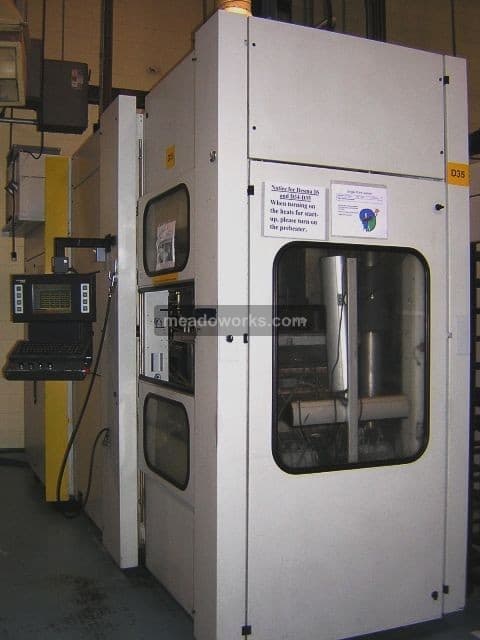 SOLD
Item #1701
2001 Desma 968.25
USA
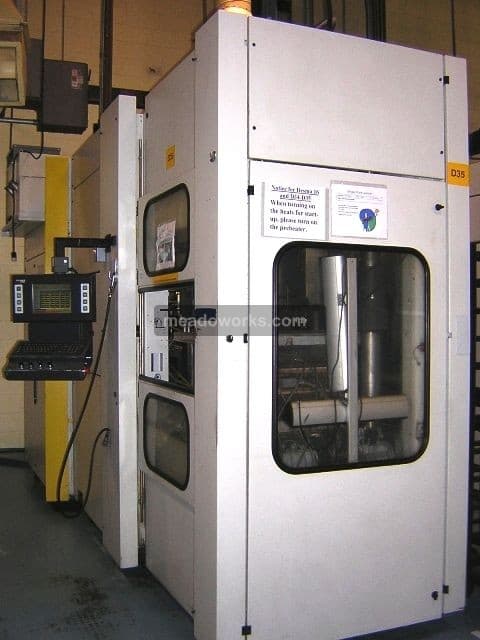 SOLD
Item #1702
2000 Desma 968.25
USA
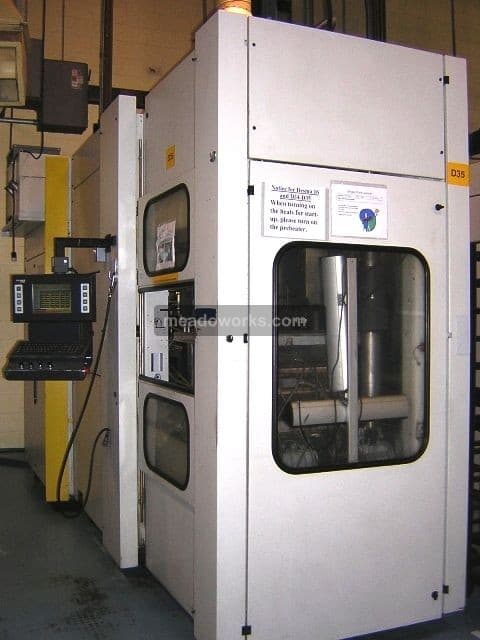 SOLD
Item #1700
2000 Desma 968.25
USA
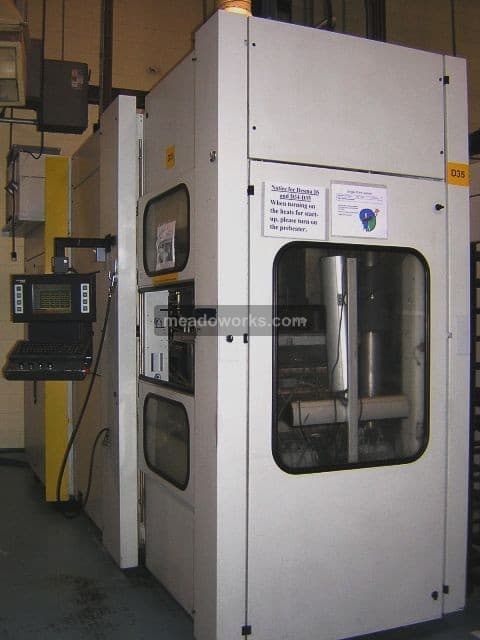 SOLD
Item #1703
1999 Desma 968.25
USA
 SOLD
Item #1707
1996 Desma 968.25
USA
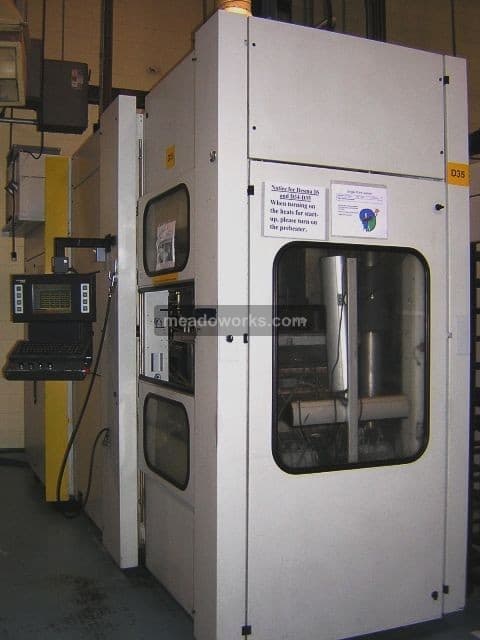 SOLD
Item #1706
1994 Desma 968.25
USA
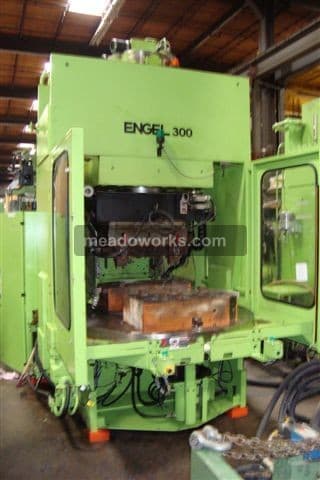 SOLD
Item #1105
2002 Engel 430H/300VHRB ELAST Rubber
USA
 SOLD
Item #1704
1999 Desma 968.25
USA
 SOLD
Item #1776
2002 Engel 430H/300VHRB ELAST Rubber
USA
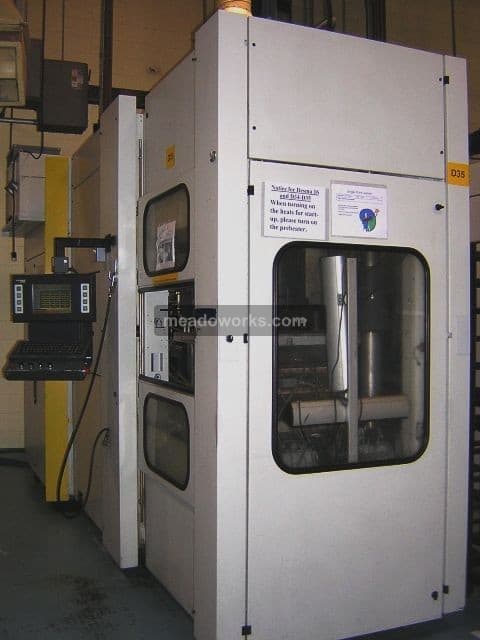 SOLD
Item #1705
1998 Desma 968.25
USA
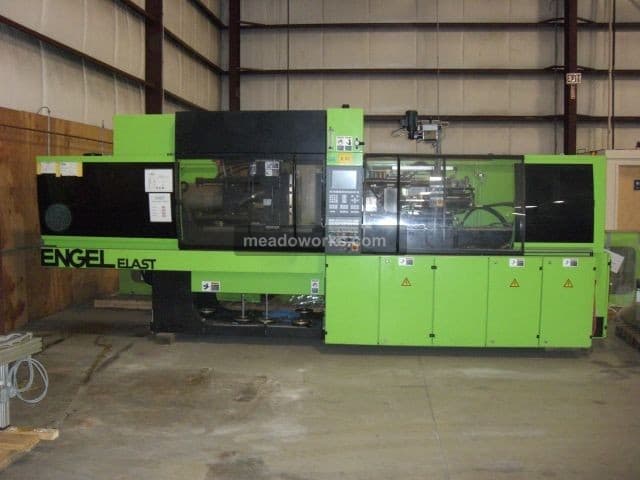 SOLD
Item #1651
2004 Engel Elast 280/200 US EC100 Tie Barless Rubber Press
USA
Rubber Injection Molding Machines by the numbers
From our own catalog: machines listed now and machines we have sold. Updated every few minutes.
Our track record
11 machines sold · model years 1994–2004
By clamp force
| Clamp force | In stock now | Sold by Meadoworks |
|---|---|---|
| 100–299 tons | 0 | 9 |
| 300–499 tons | 0 | 2 |
Spec ranges across our machines
| Spec | Range | Machines |
|---|---|---|
| Clamp force | 200–300 tons | 11 |
| Screw diameter | 20–45 mm | 9 |
| Platen size (first figure) | 26.4–39.4 in | 11 |
Controls we see most: Desma (8), EC100 (3)
Looking for Something Specific?
Most of our inventory sells before we can list it online. If you need a specific brand, model, or specification, tell us what you need—we have access to unlisted equipment and machines coming in from plant closures.
Browse Used Rubber Injection Molding Machines by Brand
Looking to Sell Your Rubber Injection Molding Machines?
Meadoworks is an active cash buyer of used industrial equipment. Get a free valuation from our AMEA-certified appraisers.
About Used Rubber Injection Molding Machines
Rubber injection molding machines (also known as rubber injection moulding machines) are specialized for processing elastomeric materials including natural rubber, EPDM, nitrile, neoprene, and other thermoset rubber compounds. Unlike plastic injection molding, rubber injection molding uses heat to cure (vulcanize) the material rather than cool it, requiring different screw designs, barrel configurations, and temperature control systems.
Used rubber injection machines feature cold-runner or cold-pot systems to prevent premature curing, specialized feed systems for strip or granulated rubber, and precision temperature control to ensure proper vulcanization. These machines serve the automotive, aerospace, medical, industrial seal, and O-ring markets.
Meadoworks has sold used Desma and Engel rubber injection presses in the 200 to 300 ton range; Desma, REP, Engel, LWB Steinl and Maplan are the common makes on the used market. Whether you need a rubber injection machine for automotive seals, medical components, or industrial gaskets, contact us at 800-323-0307.
How to Choose a Used Rubber Injection Molding Machine
It cures. It does not cool
A rubber press vulcanizes the compound in a heated mold. A thermoplastic press cools the part. The screw, the runner, and the temperature loop are built the other way around: the barrel stays cool enough that the rubber does not scorch, and the mold is hot enough to cure.
A cold runner or a cold pot keeps the compound from curing before it fills. A thermoplastic hot runner on this job will scorch the shot. Natural rubber, EPDM, nitrile, and silicone do not share one temperature.
How the compound is fed
Strip feed and granulated feed are different machines. A strip that will not enter the throat is not a screw problem you fix later. Shot size still has to fill the cavity, and the clamp still has to hold the projected area while the rubber is curing, not while it is freezing.
Ask the last compound. A press that ran silicone is not automatically ready for a filled EPDM.
By brand
Desma: The rubber injection make we have sold most (968-series vertical presses).
Engel: Elast rubber and elastomer versions; we have sold Engel Elast presses.
REP: Vertical and horizontal rubber injection presses common in seals and anti-vibration parts.
Maplan and LWB Steinl: European rubber injection presses seen on the used market.
Rubber Injection Molding Machine Specs to Compare
| Spec | Why it matters |
|---|---|
| Clamp (tons) | Has to hold the mold shut through the cure. Tonnage copied from a thermoplastic part of the same size is the wrong number. |
| Shot (oz or cc) | Must fill the cavity. A screw that is too large for a small shot sits and scorches. |
| Feed | Strip or granulate. Match it to how you buy the compound. |
| Mold heat | The cure is in the mold. Zones that will not hold a setpoint make an under-cured part. |
| Runner | Cold runner or cold pot. A hot runner from a thermoplastic tool does not transfer. |
Clamp (tons)
Has to hold the mold shut through the cure. Tonnage copied from a thermoplastic part of the same size is the wrong number.
Shot (oz or cc)
Must fill the cavity. A screw that is too large for a small shot sits and scorches.
Feed
Strip or granulate. Match it to how you buy the compound.
Mold heat
The cure is in the mold. Zones that will not hold a setpoint make an under-cured part.
Runner
Cold runner or cold pot. A hot runner from a thermoplastic tool does not transfer.
What to Inspect on a Used Rubber Injection Molding Machine
Heat the mold
Every zone has to come up and hold. A dead zone is an under-cured corner.
Keep the barrel cool
The plasticizing side must not cook the compound. Feel for a heater stuck on.
Feed a strip or a granule
Whichever the machine was built for. Watch it enter, not just the hopper.
Cure a shot
If you can. Tear the part. An under-cure and a scorch look different and both fail.
Related Equipment
- Water Temperature Controllers
Hold the mold at a setpoint
More Injection Molding Machines types
Types of Injection Molding
Common Applications
Frequently Asked Questions
What is the difference between rubber and plastic injection molding?
Rubber injection molding processes thermoset elastomers that cure (vulcanize) with heat, while plastic injection molding processes thermoplastics that solidify by cooling. Rubber injection machines use cold runners to prevent premature curing, specialized screw designs for elastomers, and different temperature control approaches. The machines look similar but have significant differences in screws, barrels, and controls.
How much does a used rubber injection molding machine cost?
Used rubber injection molding machine prices range from $25,000-$75,000 for small machines to $100,000-$400,000 for large production rubber injection machines. Desma and REP machines tend to command premium resale values. Contact Meadoworks at 800-323-0307 for current pricing on rubber injection moulding machines.
What should I inspect on a used rubber injection molding machine?
The cold-feed screw and barrel, the injection plunger, the platen heating and thermocouples, the vacuum system if it has one, and the clamp's parallelism. Ask what compound it ran and whether it has a cold runner block, and check the control can still be supported.
What is a cold runner for rubber injection molding?
A runner block kept cool so the rubber in it does not cure between shots — the opposite of a hot runner for plastic. It cuts scrap compound and is common on high-volume seal and gasket molds.
What are rubber injection molding machines used for?
O-rings, seals and gaskets, grommets, anti-vibration mounts, boots and bellows, and over-molded rubber-to-metal parts. Meadoworks has sold Desma and Engel rubber presses of about 200 to 300 tons.
Related Resources
Need Help Finding the Right Equipment?
Contact our team with your specifications and we'll help you find the right machine.
