Used Thermoset Injection Molding Machines for Sale
All used injection molding machines (63) →
See all 63 Injection Molding Machines →
0 results
No matching equipment is listed online right now.
Most of our inventory sells before we can list it. Browse related equipment or tell us what you need — we source from plant closures across North America.
Related Equipment Available Now
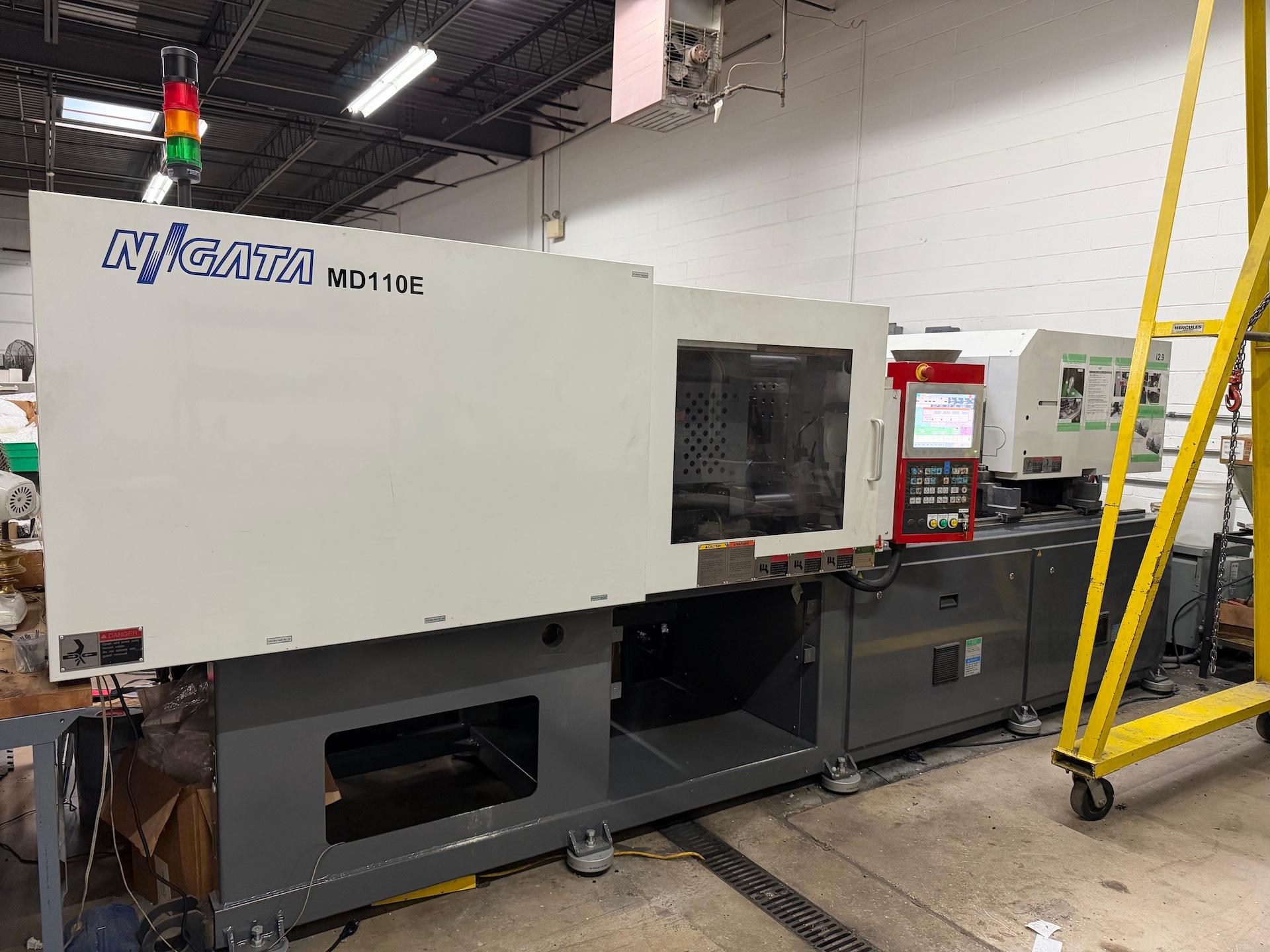
Lot 1 · Item #7115
2021 Niigata MD110E Injection Molding Press
USA · Register to see location
Ends Mon, Dec 14, 10:00 AM CT
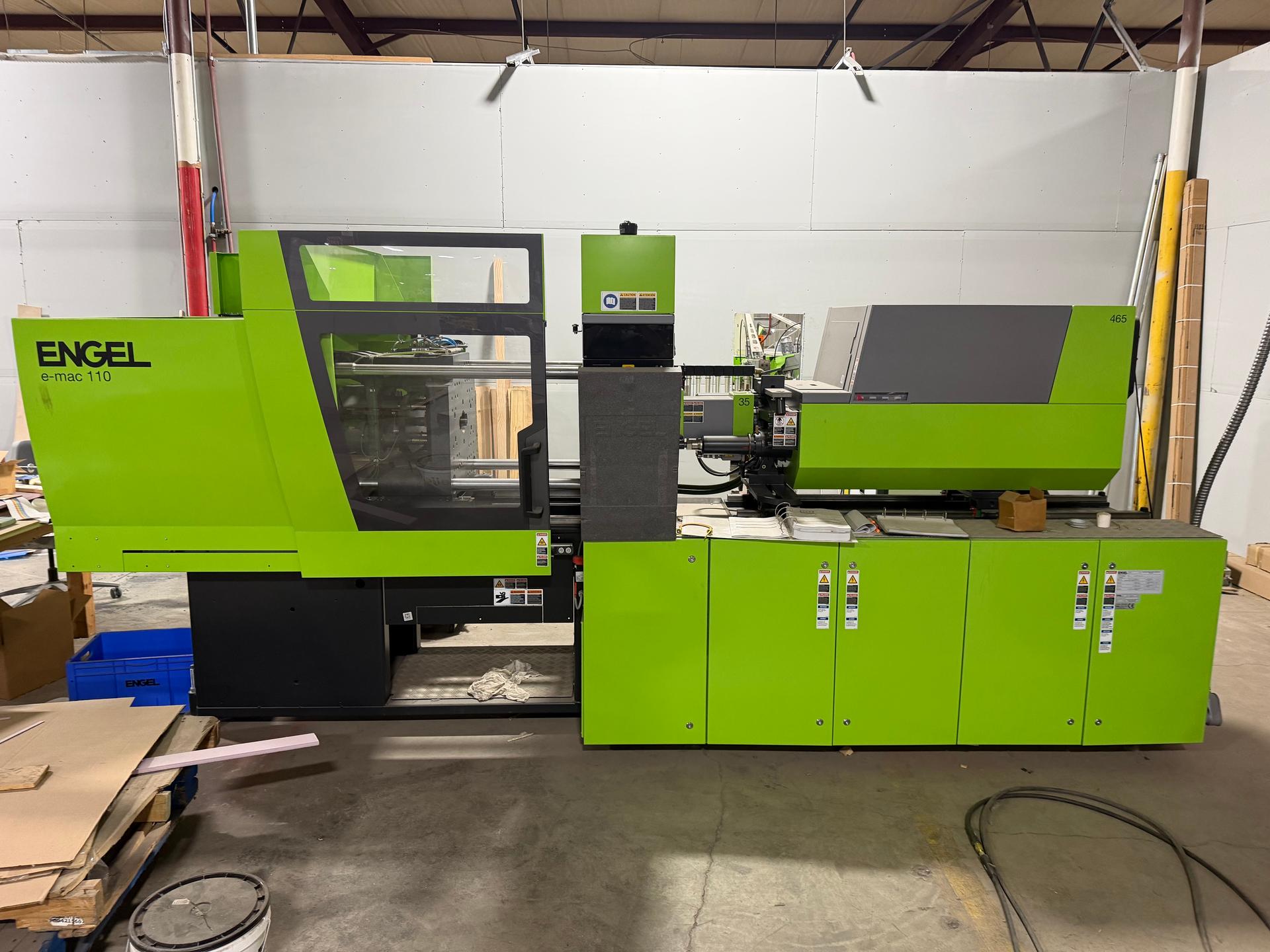
Lot 1 · Item #7111
2022 Engel 110-Ton All Electric Injection Molding Machine
USA · Register to see location
Ends Wed, Dec 16, 10:00 AM CT
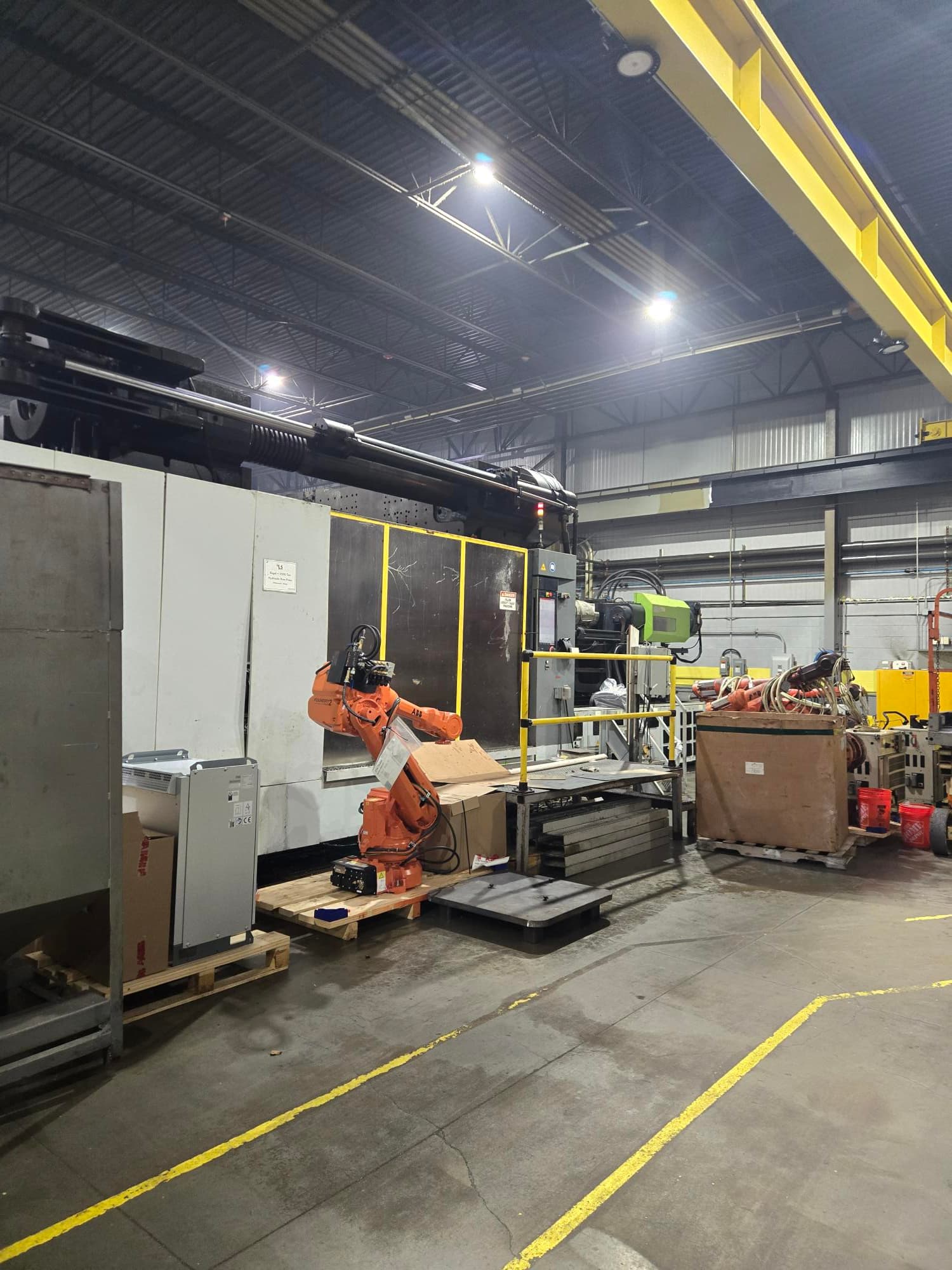 Video
Lot 1 · Item #6960
2015 Engel Duo 3500 Ton Injection Molder
USA · Register to see location
Ends Tue, Dec 15, 10:00 AM CT
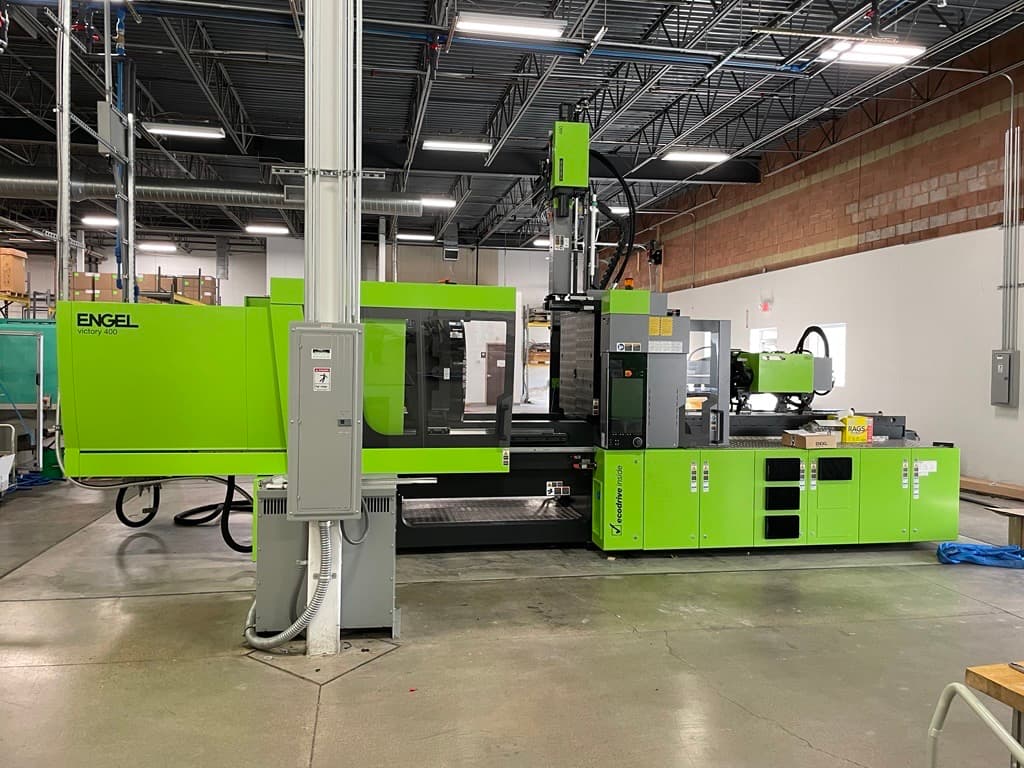
Lot 1 · Item #6951
2023 Engel Victory 450 Ton 2-Shot Molder
USA · Register to see location
Ends Thu, Dec 10, 10:00 AM CT
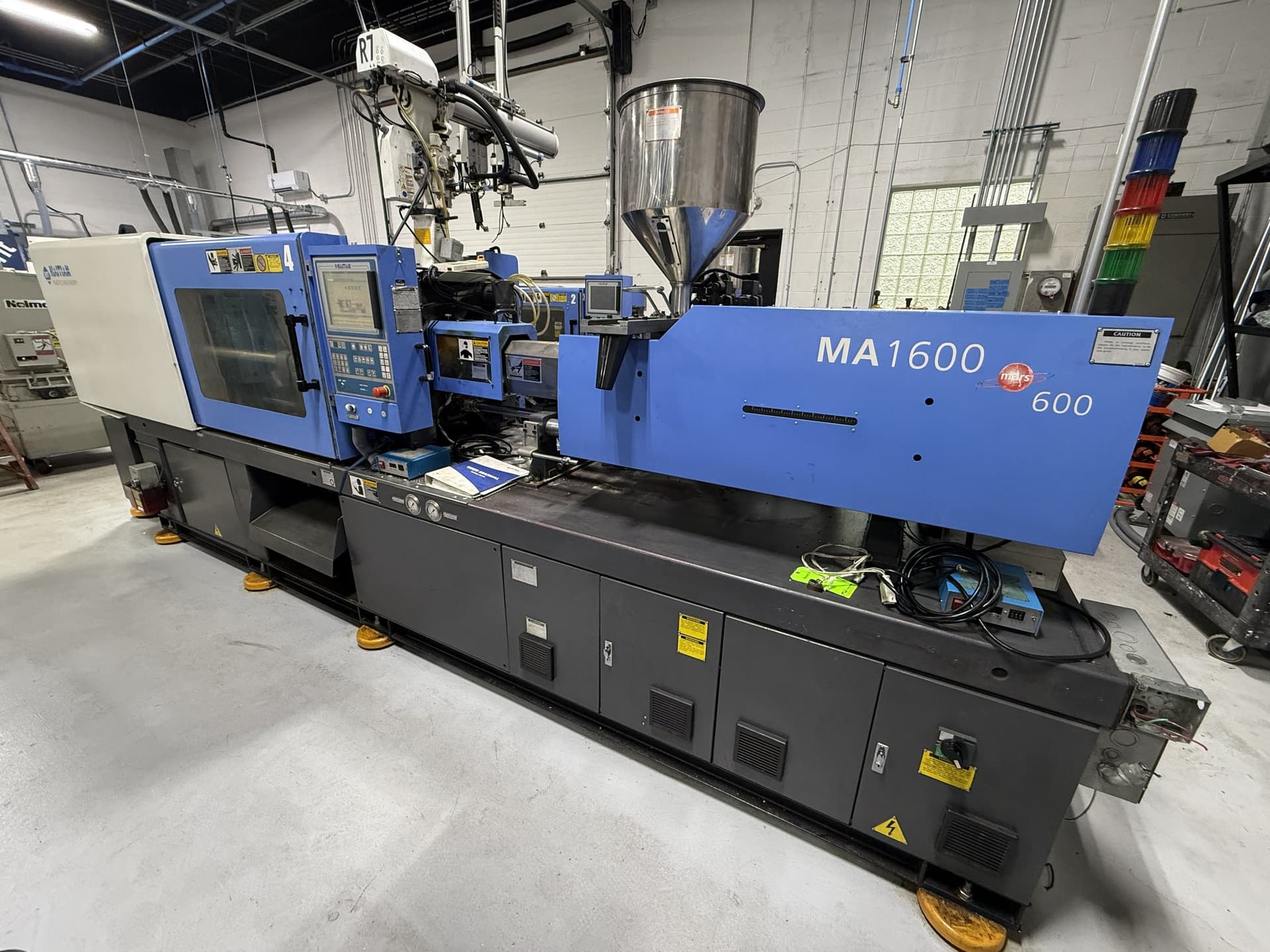
Lot 2 · Item #6938
2008 Haitian 160 Ton Injection Molding Press
Gilberts, IL
Ends Wed, Dec 2, 10:00 AM CT
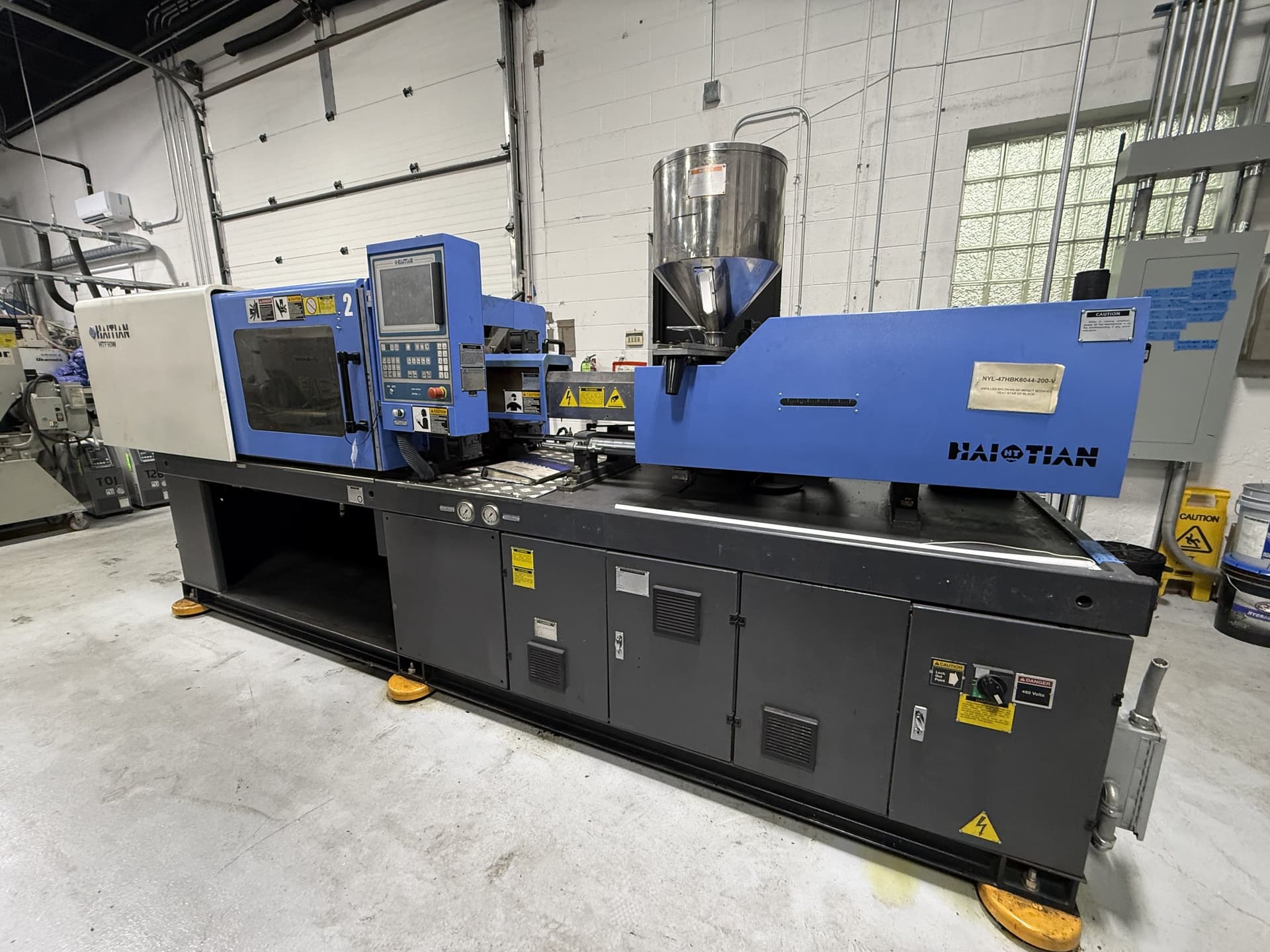
Lot 3 · Item #6937
2008 Haitian 90 Ton Injection Molding Press
Gilberts, IL
Ends Wed, Dec 2, 10:00 AM CT
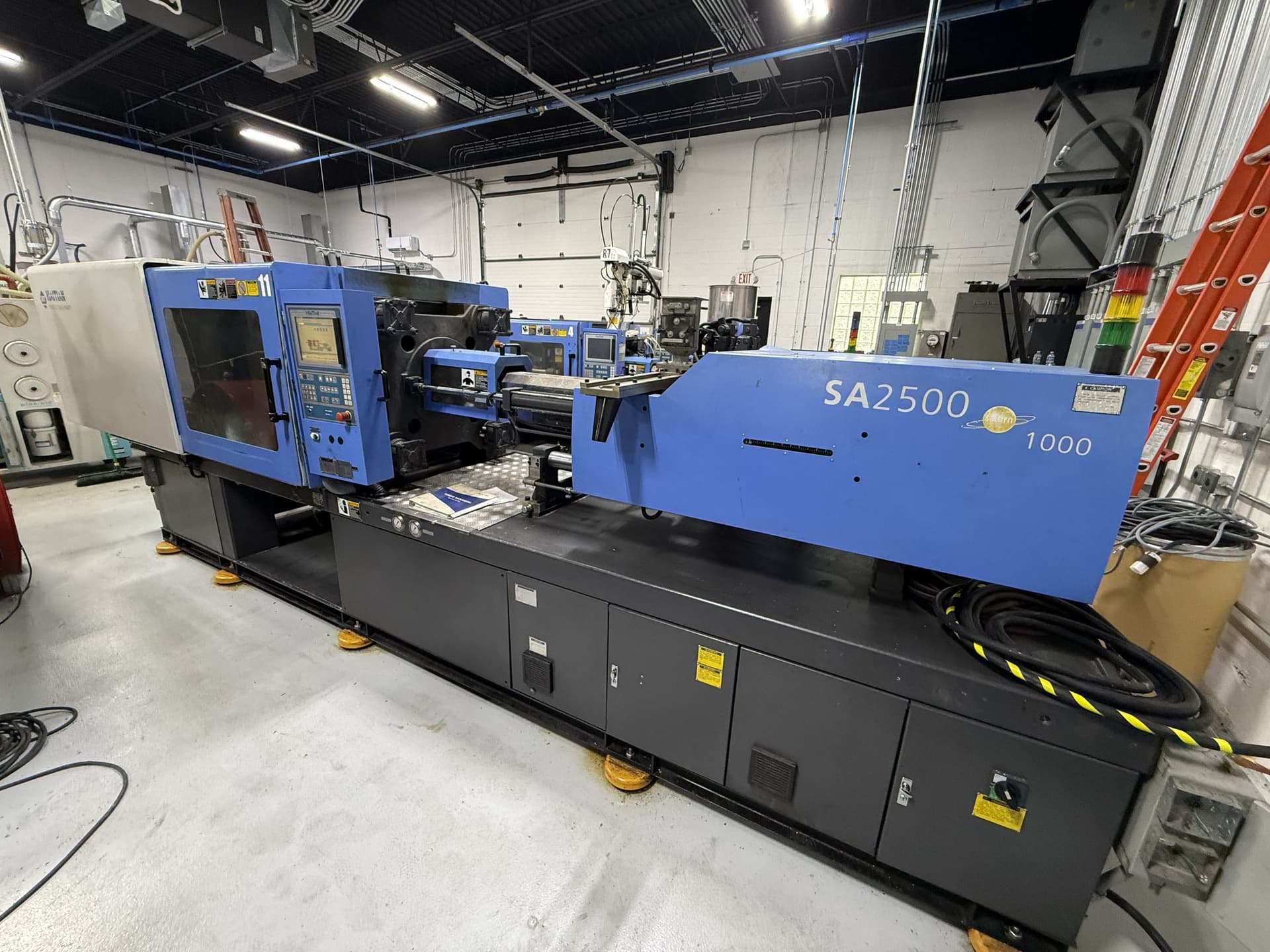
Lot 1 · Item #6939
2008 Haitian 250 Ton Injection Molding Press
Gilberts, IL
Ends Wed, Dec 2, 10:00 AM CT
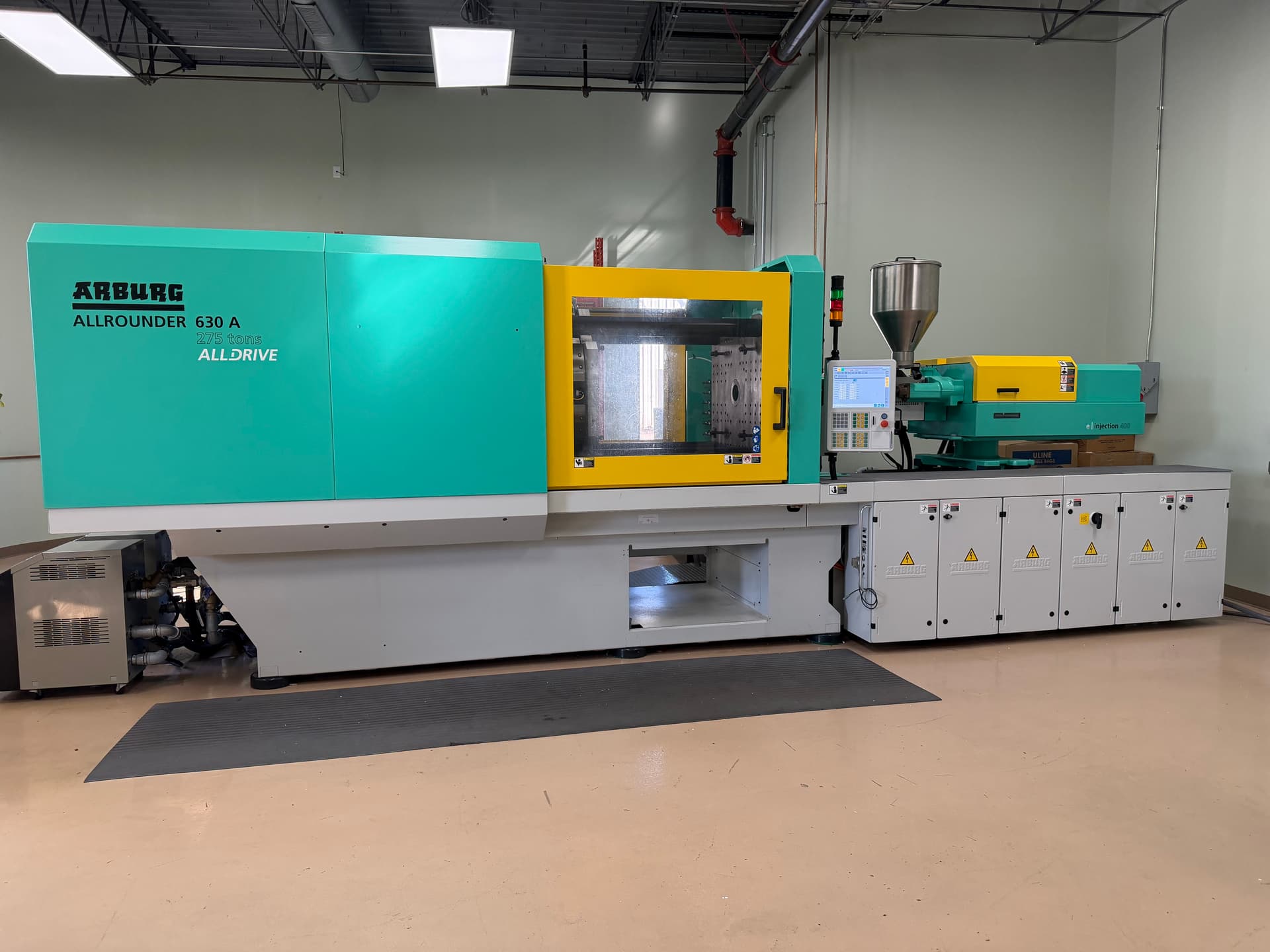
Lot 1 · Item #6895
2016 Arburg Allrounder 630 A 2500-400 Injection Molding Machine
USA · Register to see location
Taking offers · bidding opens Tue, Dec 1, 10:00 AM CT
Looking for Something Specific?
Most of our inventory sells before we can list it online. If you need a specific brand, model, or specification, tell us what you need—we have access to unlisted equipment and machines coming in from plant closures.
Browse Used Thermoset Injection Molding Machines by Brand
Looking to Sell Your Thermoset Injection Molding Machines?
Meadoworks is an active cash buyer of used industrial equipment. Get a free valuation from our AMEA-certified appraisers.
About Used Thermoset Injection Molding Machines
Thermoset injection molding machines are designed to process materials that cure permanently with heat, including bulk molding compound (BMC), sheet molding compound (SMC), phenolic, melamine, urea, epoxy, and polyester compounds. Once cured, thermoset parts cannot be remelted — they offer superior heat resistance, dimensional stability, and chemical resistance compared to thermoplastics.
Used thermoset injection molding machines feature screw and barrel designs optimized for thermoset materials, heated molds (rather than cooled), and precise temperature control to manage the curing reaction. These machines serve the electrical, automotive, appliance, and industrial markets.
Thermoset presses on the used market come from Hull, Newbury, Stokes, Krauss Maffei and Cincinnati Milacron. Contact us at 800-323-0307 for current availability.
How to Choose a Used Thermoset Injection Molding Machine
It cures in the mold
A thermoset press injects a material that crosslinks in a hot mold and cannot be reground into the same part. Phenolic, BMC, and some other compounds are the work. The barrel is kept cooler than the mold so the material does not set in the screw. A thermoplastic screw, compression ratio, and a hot barrel will set the compound in the machine.
Stuffing pressure, a short barrel, and a mold temperature that holds the cure are the differences you can see.
Against a thermoplastic press
Do not buy a general molding press and plan to run phenolic in it. The screw, the nozzle, and the mold heat are wrong, and a cured barrel is a teardown. If the machine already has a thermoset screw and oil or electric mold heat in the cure range, then match clamp and shot the usual way.
Ask what compound it last ran. A BMC stuffer is a different feed than a gravity hopper.
By clamp force: Typical Used Thermoset Injection Molding Machine Price Ranges
Under 150 tons: about $20,000–$80,000
150–400 tons: about $40,000–$150,000
400 tons and up: about $80,000–$250,000+
Barrel and screw condition (thermoset compounds are abrasive), the stuffer for BMC, mold heating capacity, control and age move the price. Thermoset presses are a narrow market, so a machine set up for your compound is worth more to you than to the next buyer.
These are typical used-market ranges, not a quote on any machine. For a current figure on a specific machine, request a quote or call 800-323-0307.
By brand
Krauss Maffei: Thermoset and BMC versions of its hydraulic presses; the thermoset machines we have sold were Krauss Maffei.
Engel: Thermoset and duroplast versions of its victory and duo presses.
Arburg: Allrounder thermoset versions for phenolic and epoxy.
Battenfeld: Duroplast machines, now under Wittmann Battenfeld.
Meadoworks track record
Meadoworks has sold more than 2,100 used injection molding machines, including thermoset presses from Krauss Maffei. Thermoset machines come up less often than thermoplastic presses, so if you need one, tell us the compound and tonnage and we will watch for it.
Thermoset Injection Molding Machine Specs to Compare
| Spec | Typical range | Why it matters |
|---|---|---|
| Clamp (tons) | Mostly 50–500 tons | Cure pressure and the tool still set the tons. The material does not change the tie bars. |
| Barrel heat | The barrel stays below the cure point. Mold heat is what sets the part. | |
| Stuffing | BMC and bulky compounds need a stuffer. A hopper alone will not feed them. | |
| Mold temperature (C) | Has to hold the cure. Cold spots leave an under-cured part. |
Clamp (tons)
Typical range: Mostly 50–500 tons
Cure pressure and the tool still set the tons. The material does not change the tie bars.
Barrel heat
The barrel stays below the cure point. Mold heat is what sets the part.
Stuffing
BMC and bulky compounds need a stuffer. A hopper alone will not feed them.
Mold temperature (C)
Has to hold the cure. Cold spots leave an under-cured part.
What to Inspect on a Used Thermoset Injection Molding Machine
Confirm the screw
A thermoplastic screw is the wrong geometry. Ask for the screw type before you ship it.
Heat the mold circuit
Oil or electric cartridge heat has to hold. A dead zone under-cures that cavity.
Look for a stuffer
If the compound is BMC and there is no stuffer, you do not have a feed system.
Check for cured material
Set compound in the barrel or the nozzle is a rebuild, not a purge.
Related Equipment
- Water Temperature Controllers
Hold the mold at a setpoint
More Injection Molding Machines types
Types of Injection Molding
Common Applications
Frequently Asked Questions
What is thermoset injection molding?
Thermoset injection molding processes materials that undergo a chemical reaction (cross-linking) when heated, permanently setting their shape. Unlike thermoplastics which can be remelted, thermoset parts cannot be reshaped once cured. Common thermoset materials include phenolic, BMC, SMC, melamine, and epoxy compounds.
How much does a used thermoset injection molding machine cost?
Typical used-market ranges: under 150 tons about $20,000–$80,000, 150–400 tons about $40,000–$150,000, and 400 tons and up about $80,000–$250,000+. Barrel and screw wear, the stuffer and the age of the control move the price. Call 800-323-0307 for a current figure on a specific machine.
Can a thermoplastic injection molding machine run thermoset?
Not as it comes. A thermoset press runs a cool barrel and a hot mold — the reverse of a thermoplastic machine — with a low-compression screw, no check ring that can trap material and, for BMC, a stuffer to feed the compound. Conversions exist but are rarely cheaper than buying a press built for it.
What materials are thermoset injection molded?
Phenolic, melamine, epoxy, polyester BMC (bulk molding compound), and silicone and rubber compounds on related machines. Typical parts are electrical components, appliance handles, brake parts and under-hood automotive parts that must stand up to heat.
What should I inspect on a used thermoset press?
Screw and barrel wear (glass-filled compounds are hard on them), the barrel water temperature control, the mold heating circuits and thermocouples, the stuffer on BMC machines and the clamp's venting stroke. Ask what compound it last ran.
Related Resources
Need Help Finding the Right Equipment?
Contact our team with your specifications and we'll help you find the right machine.
