Used Carts, Ladders & Hand Trucks for Sale
All used shop & facility equipment (3) →
See all 3 Shop & Facility Equipment →
Nothing is listed right now — these are machines we've recently sold. or tell us what you need.
Recently sold
 SOLD
Item #6837
Rolling Tool Cart w/Contents
USA
 SOLD
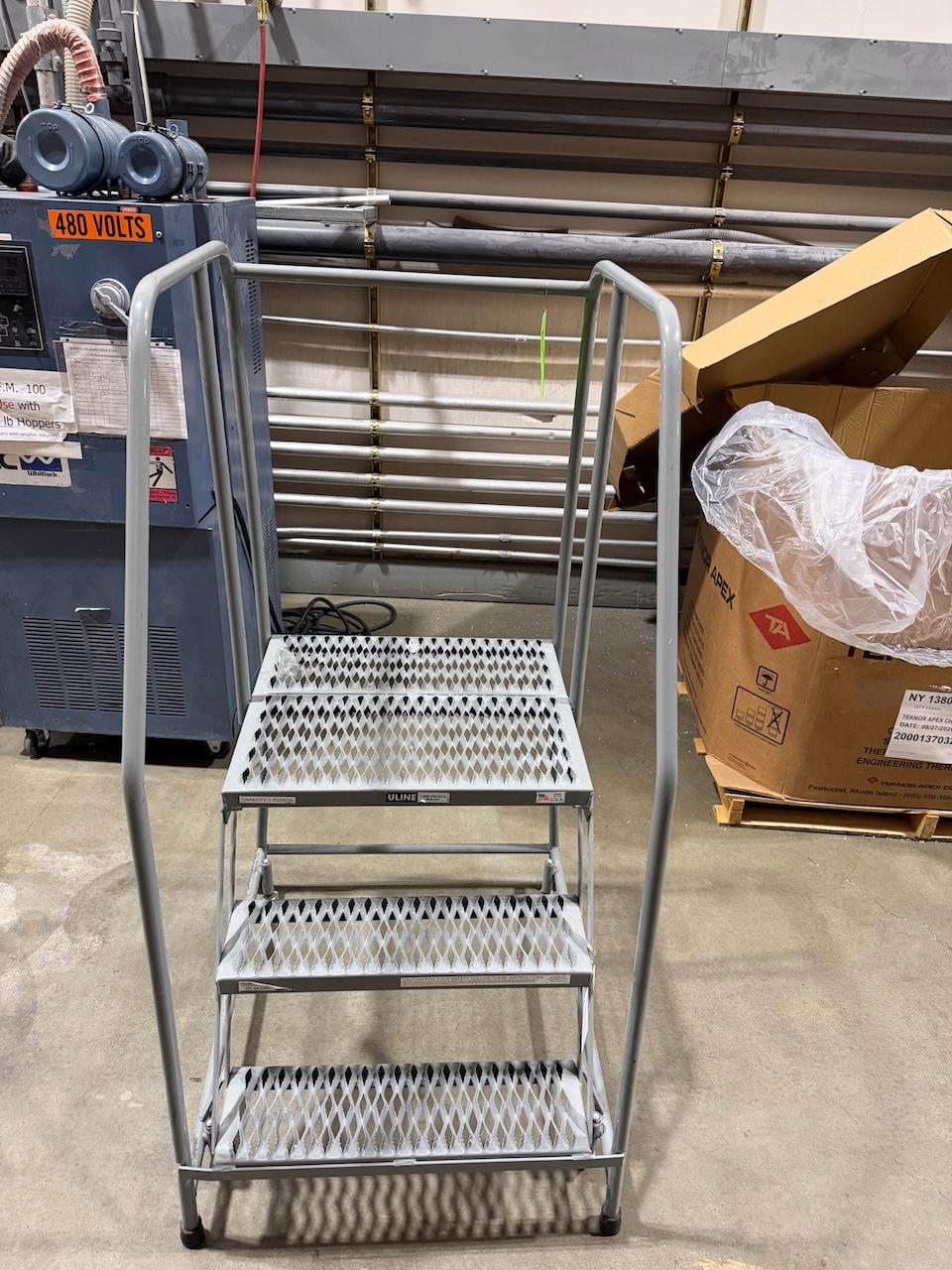
Item #6570
3-Step Rolling Ladder
USA
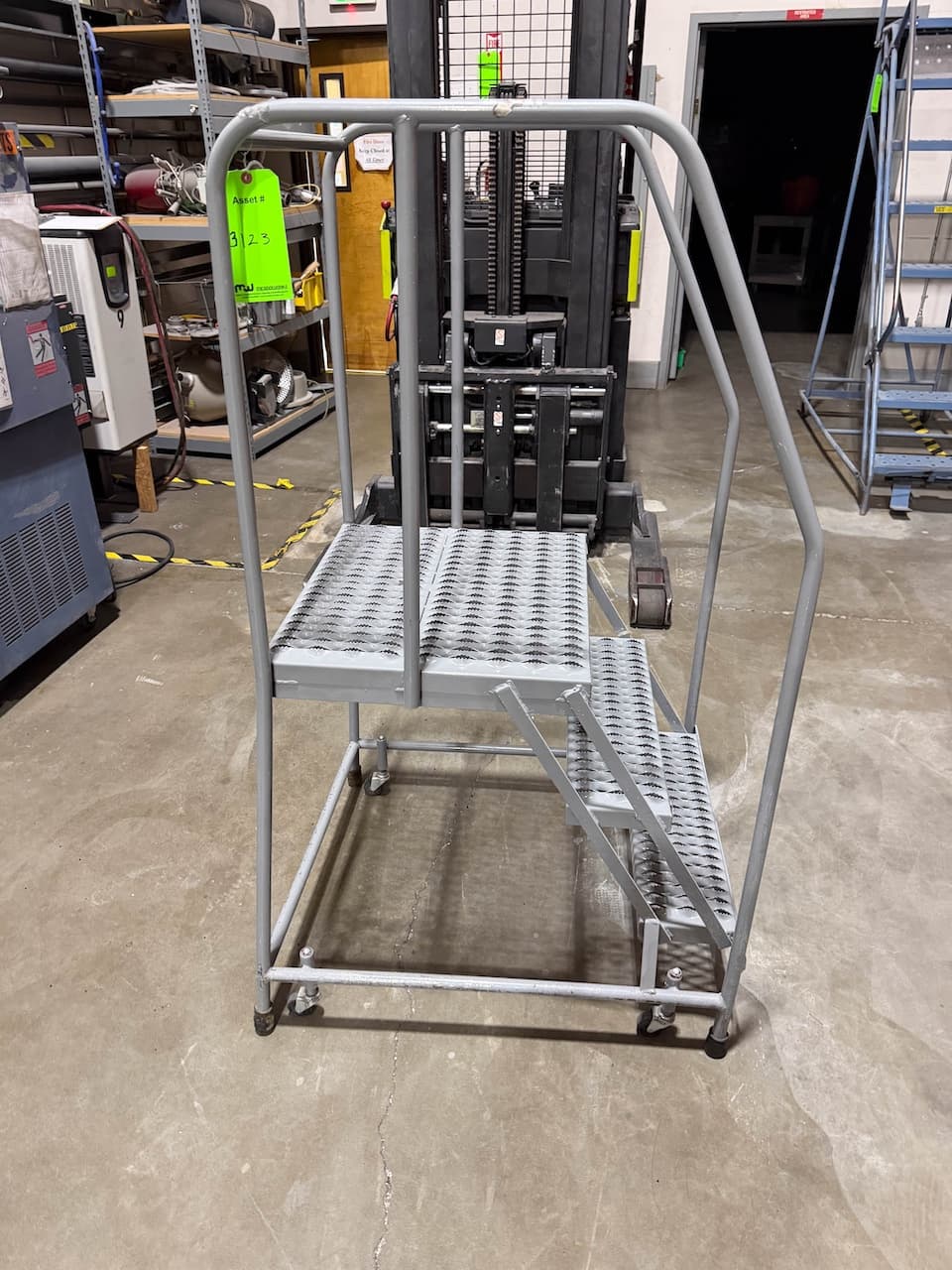 SOLD
Item #6573
3-Step Rolling Ladder
USA
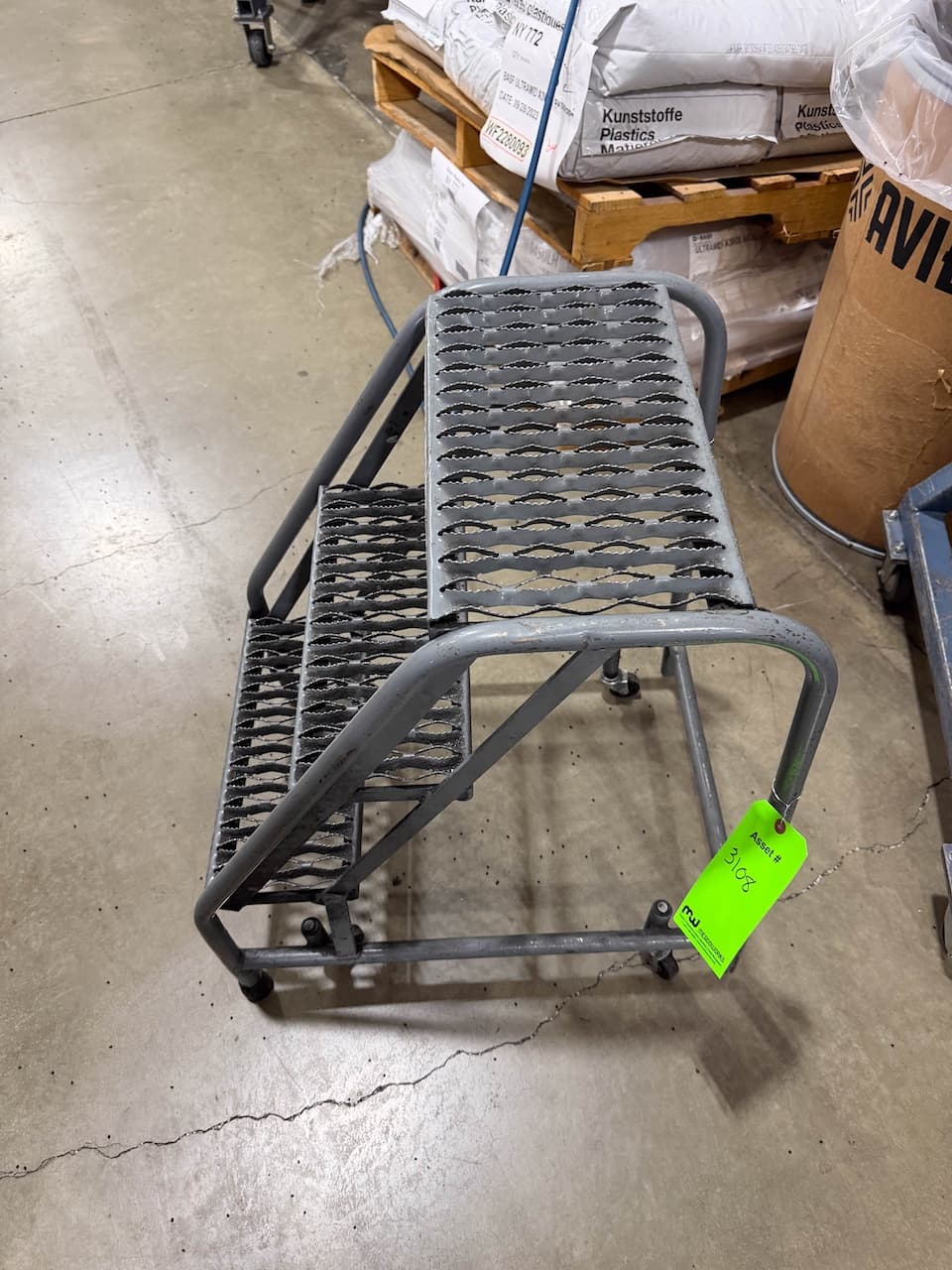 SOLD
Item #6558
3-Step Rolling Ladder
USA
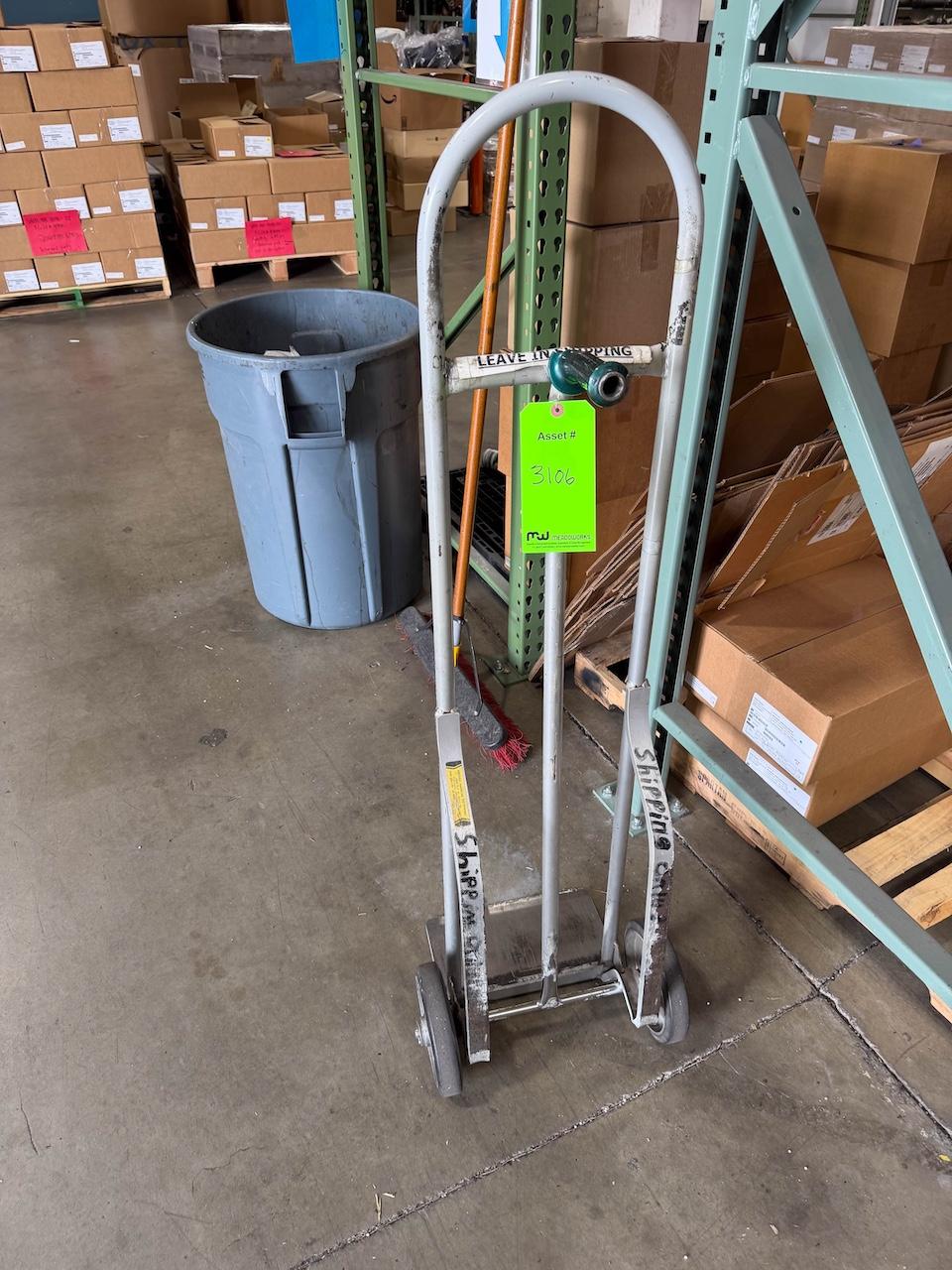 SOLD
Item #6556
Hand Truck
USA
 SOLD
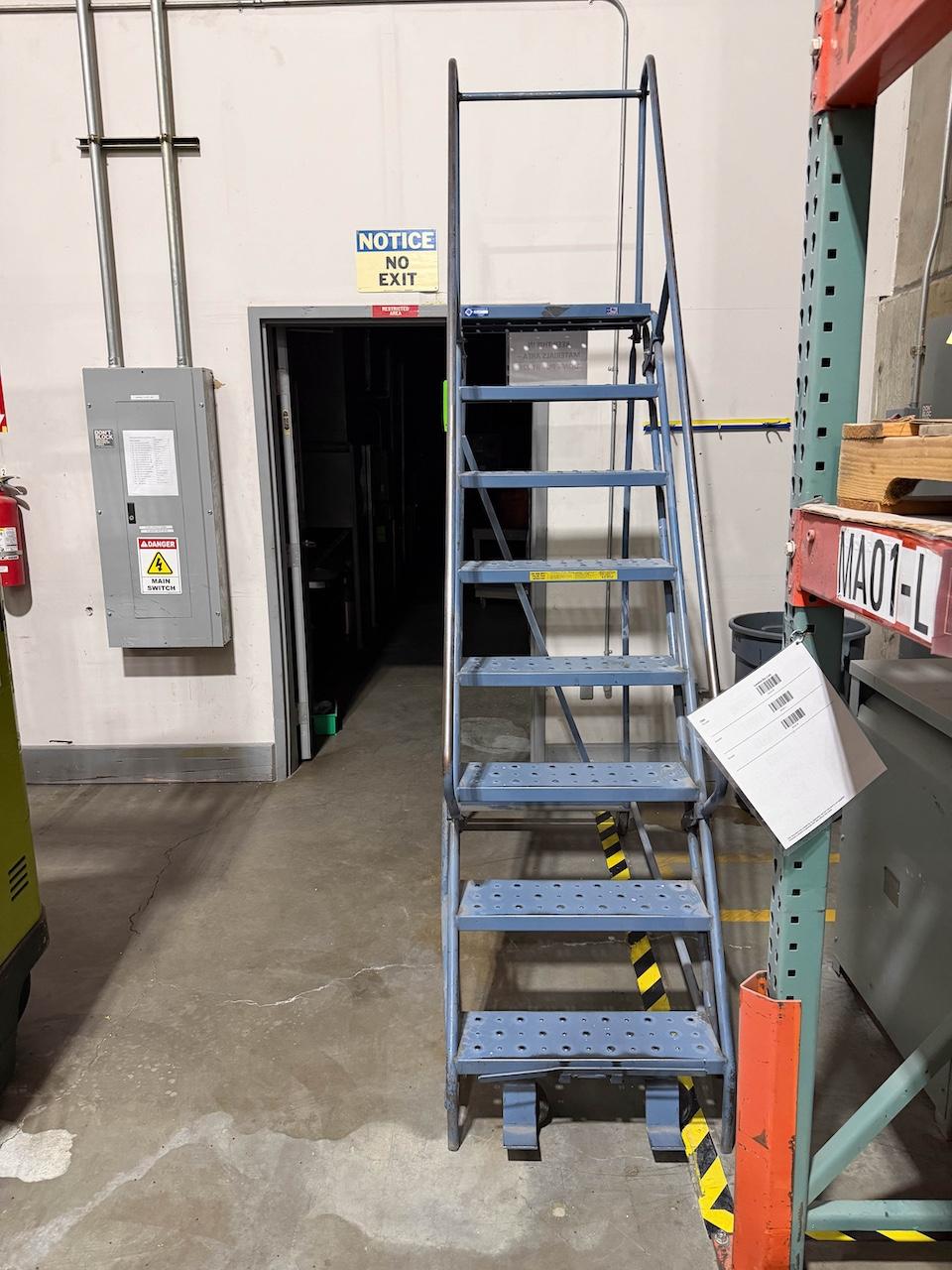
Item #6574
Rolling 7-Step Warehouse Ladder w/Full Handrails and Spring-Load Casters
USA
 SOLD
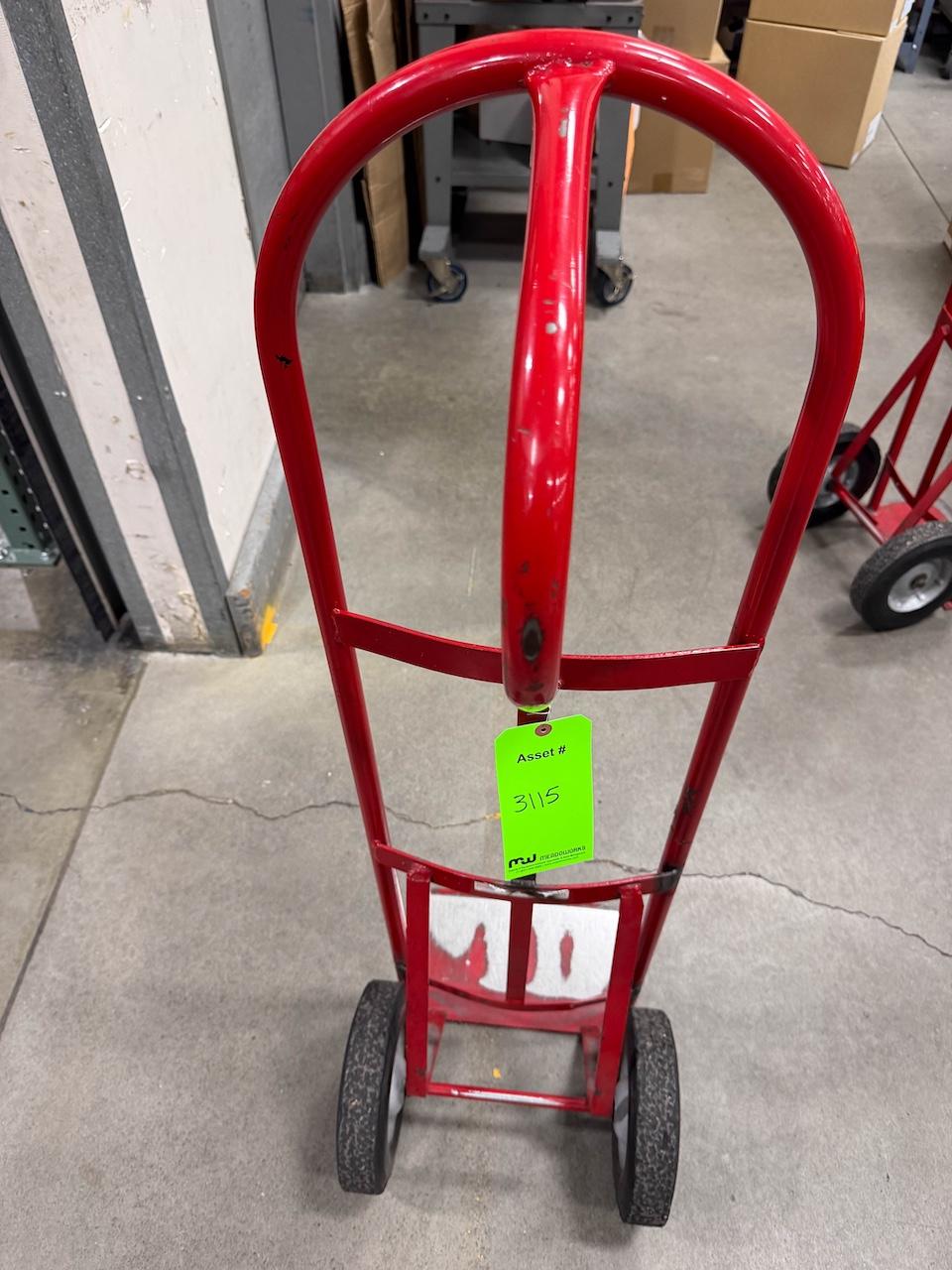
Item #6565
Steel Hand Truck
USA
 SOLD
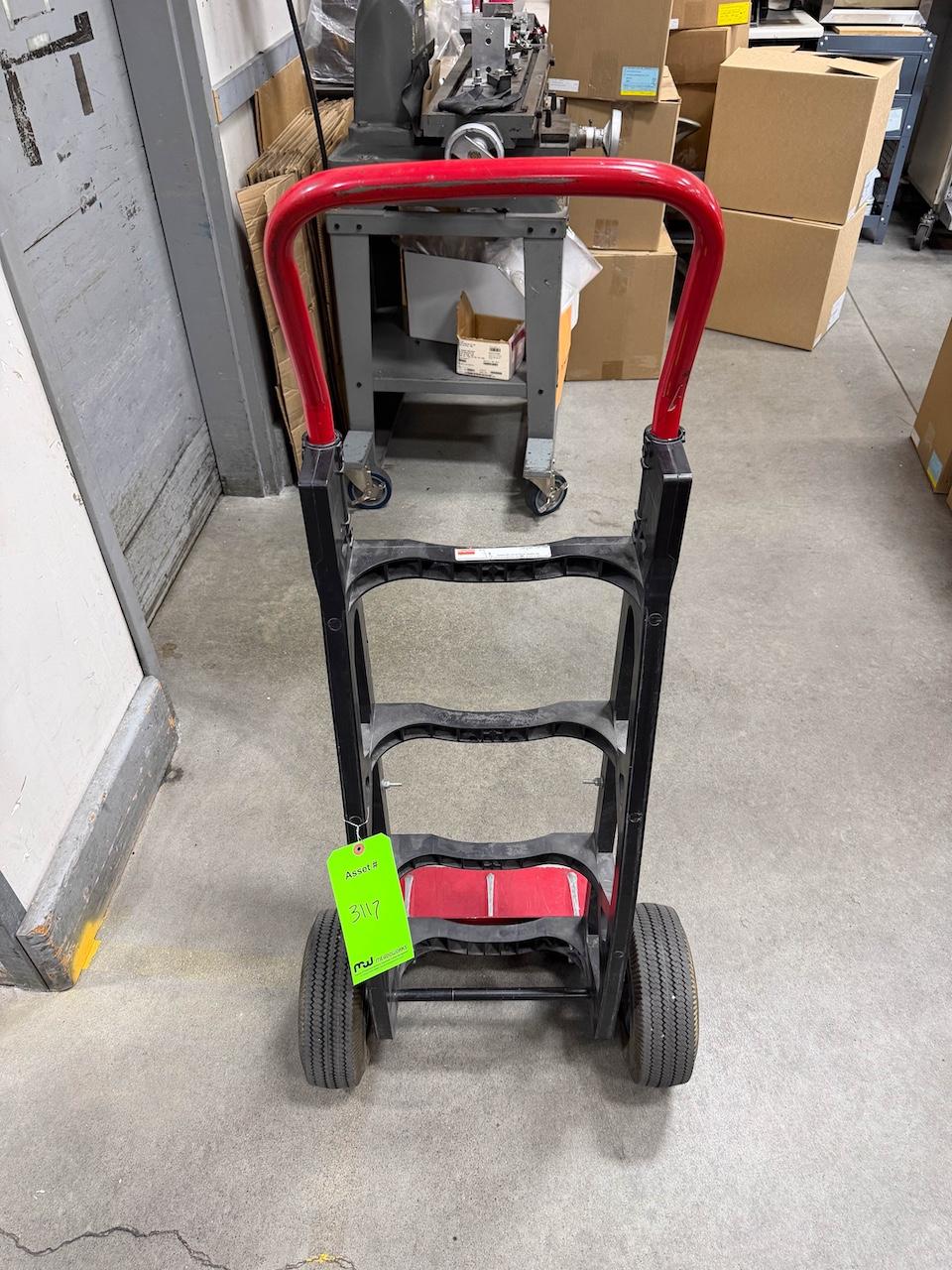
Item #6567
Convertible Hand Truck
USA
 SOLD
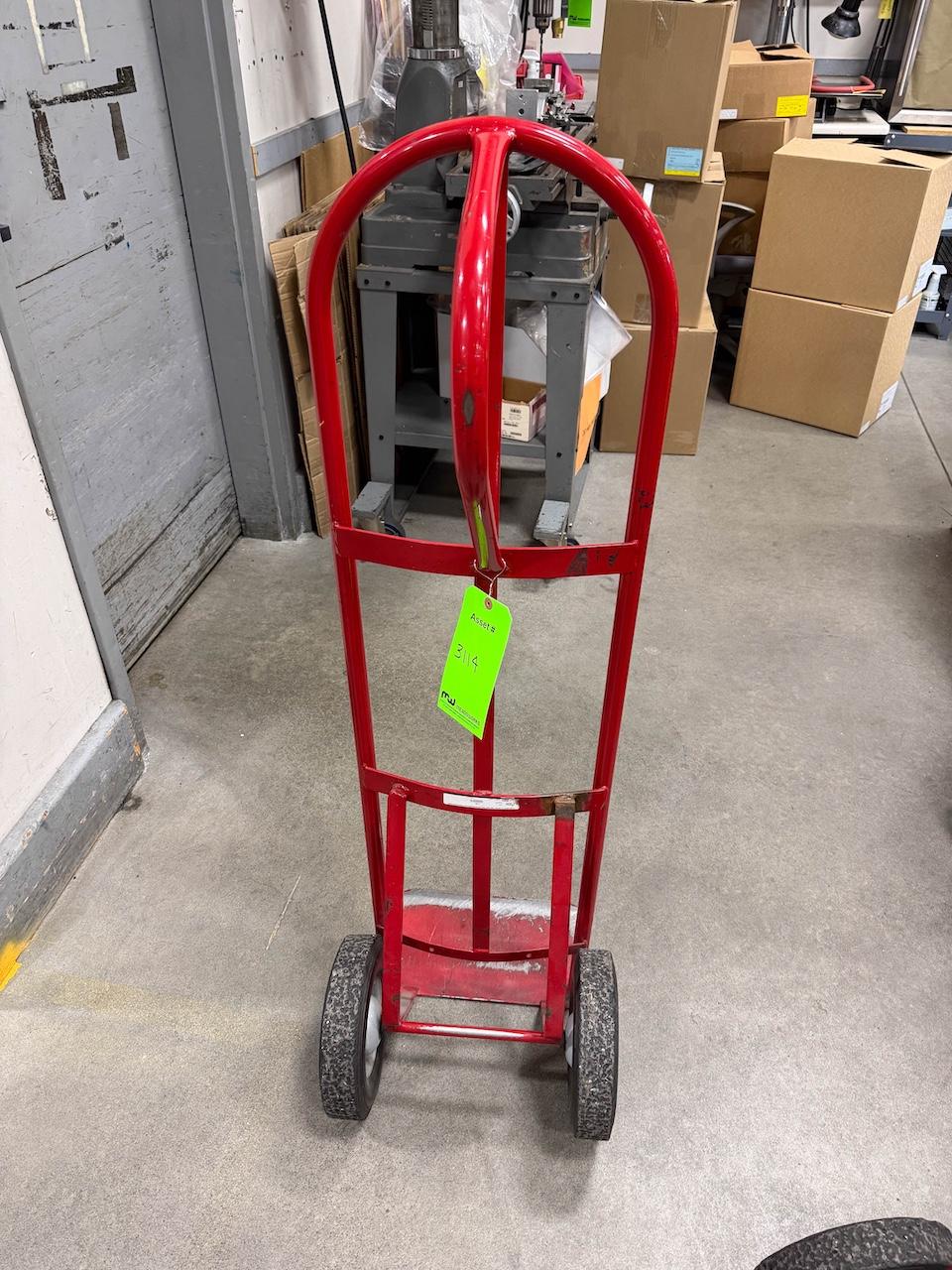
Item #6564
Steel Hand Truck
USA
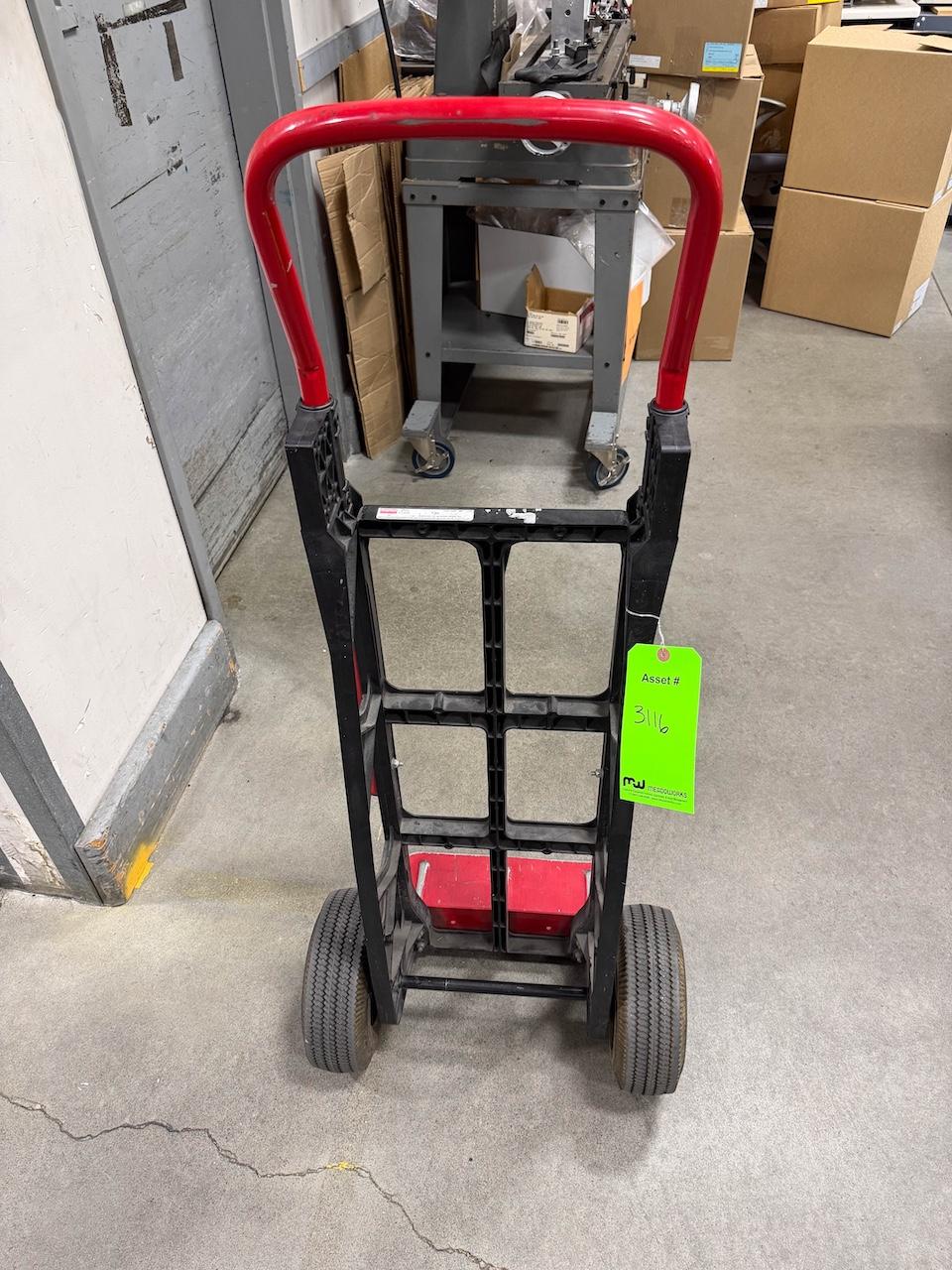 SOLD
Item #6566
Convertible Hand Truck
USA
Carts, Ladders & Hand Trucks by the numbers
From our own catalog: machines listed now and machines we have sold. Updated every few minutes.
Our track record
10 machines sold · 10 sold at our own auctions
Looking for Something Specific?
Most of our inventory sells before we can list it online. If you need a specific brand, model, or specification, tell us what you need—we have access to unlisted equipment and machines coming in from plant closures.
Looking to Sell?
Meadoworks is an active cash buyer of used industrial equipment. Get a free valuation from our AMEA-certified appraisers.
About Used Carts, Ladders & Hand Trucks
Carts, ladders and hand trucks are the small material handling equipment of a plant. They move boxes, drums, parts and tools around the floor, and they get people safely up to shelves and the tops of machines. Every closure has them, and these pieces are some of the most practical things a buyer can pick up alongside a press or a machine tool.
A rolling ladder is a steel stairway on casters with a platform at the top. The common sizes run from three steps for a stockroom up to seven or more steps for warehouse racking, with handrails and spring-loaded casters that let the ladder roll when empty and sit firmly on its rubber feet when someone climbs it. Check the handrails, the step treads and the casters before anything else.
A hand truck is a two-wheeled dolly for stacked boxes, appliances and drums. A convertible hand truck switches from an upright two-wheel position to a four-wheel platform cart, which helps when a load is too long or too heavy to balance. Pneumatic tires roll over rough floors and dock plates; solid tires never go flat. A steel dolly with a good nose plate will last decades.
Carts cover rolling tool carts, utility carts and platform carts. A tool cart with drawers keeps a maintenance tech's tools at the machine instead of back at the bench, and many sell with their contents.
The ones we have sold include three-step and seven-step rolling ladders, steel and convertible hand trucks, and a rolling tool cart sold with its contents. They usually sell in plant-closure auctions for a modest price, and the sold prices on our record ran from about ten to eighty-five dollars.
Meadoworks sells this equipment from the same closures and consolidations as the production machines. It is light enough to ship with the larger load or on its own pallet, and ladders and carts roll onto a truck without rigging.
Buying several at once from one closure is common. A plant that is restocking a warehouse or a new building can pick up the ladders for every aisle, a dolly for each dock door and the carts for its maintenance techs in a single lot, all in matching sizes, and have them arrive on the same truck as the rest of the equipment.
How to Choose Used Carts, Ladders & Hand Trucks
Match the Ladder to the Shelf and the Hand Truck to the Load
For a ladder, measure the top shelf you need to reach. The platform should put the worker at a comfortable working height, not on the top step. Handrails on both sides are worth having above three steps.
For a hand truck, start with the heaviest and bulkiest load: boxes, drums, or appliances. Choose a convertible model if loads are long or heavy, pneumatic tires for rough floors and outdoor runs, and a wide nose plate for drums and crates.
Used Price Ranges
Hand trucks and convertible hand trucks: the ones we have sold went for about $10–$30 at auction.
Rolling ladders: about $20–$85 on our record for three-step to seven-step ladders.
Rolling tool carts: about $50–$300 used, more when the drawers come full of tools.
What moves the price: size, condition of casters, wheels and handrails, and whether a cart comes with its tools. These are typical ranges, not a quote on any one item. For a current price, request a quote or call 800-323-0307.
Carts, Ladders & Hand Trucks Specs to Compare
| Spec | Typical range | Why it matters |
|---|---|---|
| Ladder steps | 3–7 steps on the ladders we have sold | Sets the reach to your top shelf. |
| Platform height | Where the worker stands; should sit below the shelf you reach. | |
| Load capacity | Ladders and hand trucks carry a rated load; stay under it. | |
| Wheels and casters | Pneumatic for rough floors, solid for smooth floors with no flats. | |
| Nose plate width | Wider plates carry drums and crates more securely. |
Ladder steps
Typical range: 3–7 steps on the ladders we have sold
Sets the reach to your top shelf.
Platform height
Where the worker stands; should sit below the shelf you reach.
Load capacity
Ladders and hand trucks carry a rated load; stay under it.
Wheels and casters
Pneumatic for rough floors, solid for smooth floors with no flats.
Nose plate width
Wider plates carry drums and crates more securely.
What to Inspect on Used Carts, Ladders & Hand Trucks
Climb the ladder
It should sit firm on its feet when loaded and roll freely when empty.
Check the handrails
No cracks at the welds and no loose bolts.
Look at the treads
Grip surface intact and no bent steps.
Spin the wheels
Bearings, tires and axles on a hand truck should be sound.
Try the conversion
On a convertible hand truck, the latch should lock in both positions.
Check the drawers
Tool cart drawers should slide and latch.
Related Equipment
- Storage Cabinets & Lockers
Cabinets, lockers and shelving
- Shop Tools
Grinders, hand tools and soldering stations
- Forklifts
For loads too heavy to move by hand
- Lifts & Work Platforms
Scissor lifts and platforms for higher work
Common Applications
Frequently Asked Questions
What size rolling ladder do I need?
Measure the highest shelf you reach and pick a ladder whose platform puts the worker a little below it, so they never stand on the top step. Three-step ladders suit stockrooms and low shelving. Five to seven steps suit warehouse racking. Above three steps, choose a model with handrails on both sides and spring-loaded casters that lock the ladder in place when someone climbs it. Check the rated load before you buy.
Is a convertible hand truck worth it over a standard one?
If your loads are long, heavy or awkward, yes. A convertible hand truck works as an upright two-wheel dolly for stacked boxes and switches to a four-wheel platform cart for loads too heavy to tip and balance. A standard steel hand truck is lighter and simpler and is all you need for boxes and drums on a dock. Check that the conversion latch locks firmly in both positions.
What should I check on a used hand truck?
Spin both wheels and check the bearings and axle, look for flat spots or cracks on the tires, and make sure the nose plate is flat and the welds where it meets the frame are not cracked. The handles should be straight and solid. On a convertible model, test the latch in both positions. Most used hand trucks need nothing more than air in the tires, and parts like wheels are easy to replace.
Do rolling tool carts sell with tools?
Often, at a plant-closure auction. A maintenance tech's cart can sell with its hand tools, sockets and meters still in the drawers, which is why some carts bring more than others. Ask what is inside and whether it is sold as a lot. An empty cart is priced by its size, drawer count and the condition of its casters and slides.
How much do used carts and ladders cost?
Usually very little. On our record, hand trucks sold for about $10–$30 and rolling ladders for about $20–$85 at plant-closure auctions, and a rolling tool cart sold with its contents brought a similar amount. Heavy-duty or larger models, and ones in excellent condition, can bring more from a dealer. These are typical ranges, not a quote on any listing; call 800-323-0307 for a current price on a specific item.
