Used Converting & Laminating Equipment for Sale
3 results
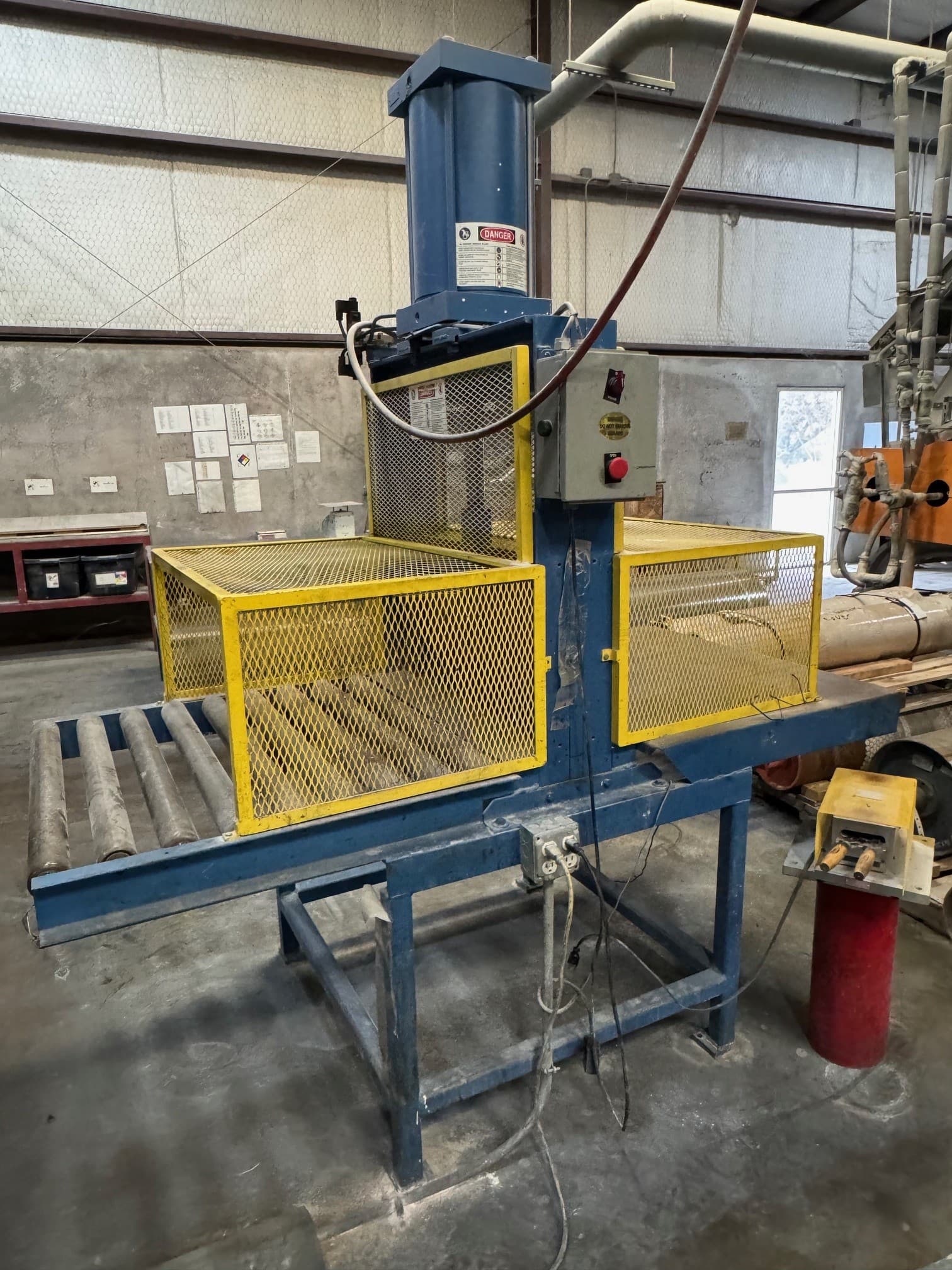
Reliable 26" Rubber Bale Cutter
USA
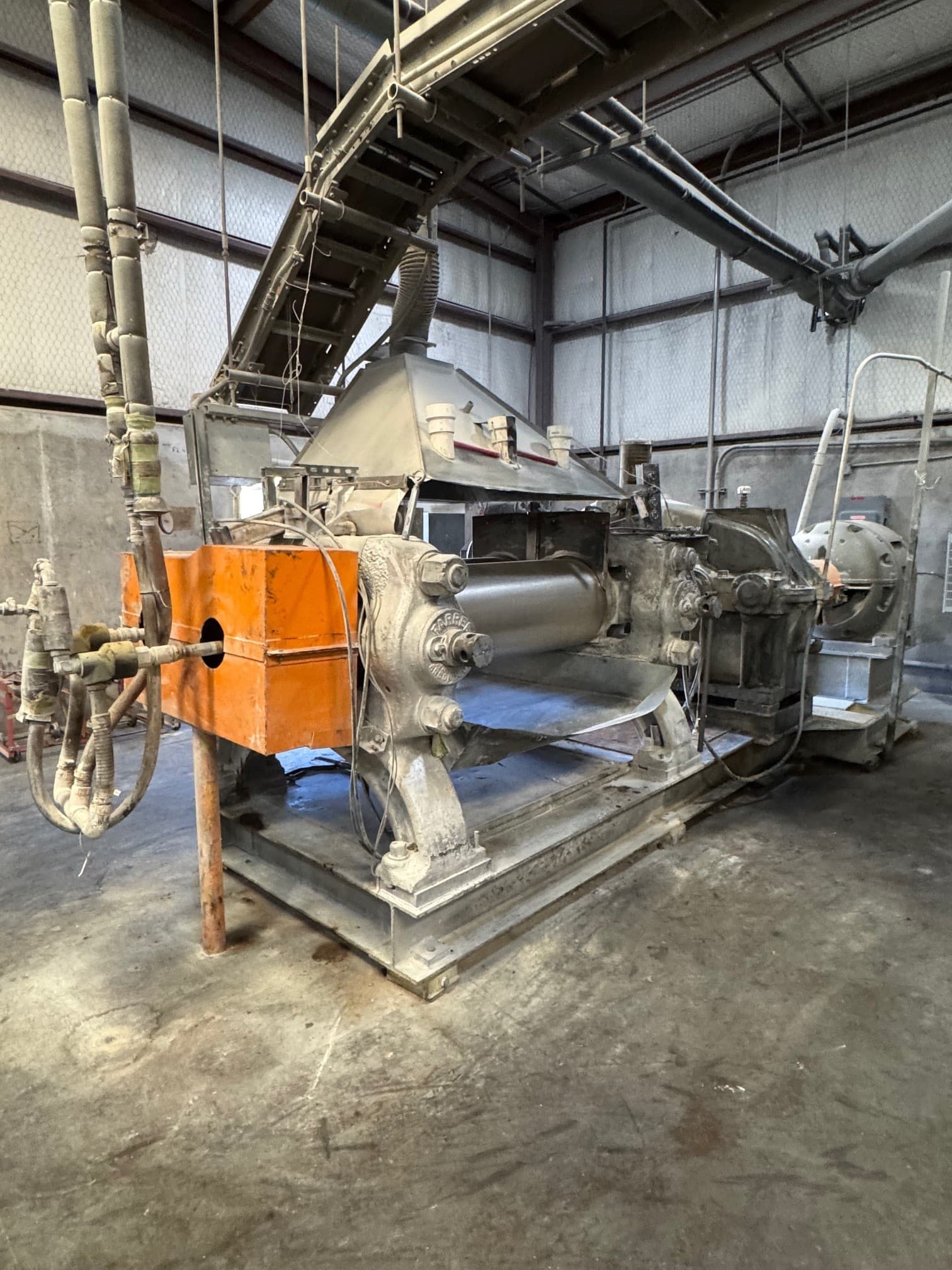
Farrel 48" Two-Roll Rubber Mill
USA

Sun Centre USA SLIT-HSC-1300 High Speed Slitting Machine
USA
Looking for Something Specific?
Most of our inventory sells before we can list it online. If you need a specific brand, model, or specification, tell us what you need—we have access to unlisted equipment and machines coming in from plant closures.
Looking to Sell?
Meadoworks is an active cash buyer of used industrial equipment. Get a free valuation from our AMEA-certified appraisers.
About Used Converting & Laminating Equipment
Converting equipment takes a web, a sheet or a rubber mass and changes its form before the product is finished. A slitter rewinder cuts a wide parent roll into narrower rolls and winds them on new cores. A laminator bonds webs, either with an adhesive that is coated and dried or with a molten polymer laid down as a curtain. A two-roll mill works rubber or a similar mass between rolls that turn at slightly different speeds. Those are different jobs. Plants that run film, coating or rubber often sell the machines in the same closure, which is why a buyer meets them together. They do not share a data plate.
Do not shop them as one machine. Width is the first gate on a web. Davis-Standard's fabric coating lines are built from about 24 in to 180 in wide, with lighter lines nearer 24 to 126 in. That number means little on a mill. Knife style matters when you slit, and it is irrelevant at a nip. Roll gap and roll heat matter when you mill rubber. Labtech's two-roll mills adjust the nip from about 0.1 mm to 5 or 10 mm depending on the frame, and they hold roll temperature so the face does not run hot in the center and cold at the ends. A coater can sit in the same bay when the plant was finishing a web. Pick the change that is actually unfinished before you compare frames.
In the plant, web machines sit downstream of an extruder, a calender or a coating stand, or they are the line. A laminator wants unwinds and a rewind even when the slitter is a separate machine later. A slitter wants a parent roll and a place for the narrow rolls to land. A mill wants slabs or bales, not a film web. None of this replaces a molding press or the wrapper at the dock. If the only change is pallet size, you are looking at packaging machinery. Name the material change before the truck is booked.
Walk a used converting equipment line from unwind to rewind, or from feed to takeoff, and write down what is missing. Dull knives fuzz an edge. A scored nip marks every web that follows. A mill with a gap you can no longer set, or a roll face that is scored, will not mix evenly. A growl in a bearing shows as soon as the roll turns under load. Missing stands are a second purchase.
Meadoworks offers these machines from film, coating and rubber plants through closures and auctions. Rolls, knives and bearings are the wear items to find while the frame is still on the floor, and a heavy mill needs rigging planned with the rest of the load rather than as an afterthought at the dock.
How to Choose Used Converting & Laminating Equipment
How to Choose Converting Equipment
Name the change in the material. If a wide roll must become several narrow rolls, you want a slitter rewinder. If two webs must become one, you want a laminator, adhesive or extrusion. If a rubber mass must be worked between rolls, you want a mill. A cutter that only crops a bale sits closer to the mill aisle than to a film slitter.
Width, knife style and nip pressure are not interchangeable specs. Write the material and the finished form first. Then compare the machine that makes that change. One overview cannot size a slitter, a laminator and a mill with a single number.
How to Size Converting Equipment for a Web
For a web, size width first. Davis-Standard fabric coating lines run from about 24 in to 180 in on high-volume work, and nearer 24 to 126 in on lighter lines. The rolls, the nip and the knives have to clear the parent web, and the finished slit width has to be a width you can actually sell. Speed only counts after the edge or the bond is good at a tension you can hold.
A mill is not sized that way. Gap, roll face and drive power size a mill. Lab two-roll mills adjust the nip from about 0.1 mm to 5 or 10 mm. Do not paste a film width onto a rubber mill and call it the same decision.
Converting & Laminating Equipment Specs to Compare
| Spec | Typical range | Why it matters |
|---|---|---|
| Machine duty | Slit, laminate or mill decides every other spec. A knife, a nip and a mill gap are not the same setting. | |
| Web or roll width | 24 to 180 in | A web wider than the rolls will not run. Width is the first gate on a slitter or a laminator. |
| Knife or nip | Slit quality is the knives. Bond quality is the nip. Buying the wrong one does not convert the job. | |
| Mill gap and heat | 0.1 to 10 mm | A rubber mill is sized by gap, face width and heat, not by a film slit width. |
| Unwind and rewind | 3 or 6 in cores | Web machines need a place for the parent roll and the finished roll. A missing stand is a project. |
| Drive power | A light drive on a mill or a wide web will not hold speed once the material is on the rolls. |
Machine duty
Slit, laminate or mill decides every other spec. A knife, a nip and a mill gap are not the same setting.
Web or roll width
Typical range: 24 to 180 in
A web wider than the rolls will not run. Width is the first gate on a slitter or a laminator.
Knife or nip
Slit quality is the knives. Bond quality is the nip. Buying the wrong one does not convert the job.
Mill gap and heat
Typical range: 0.1 to 10 mm
A rubber mill is sized by gap, face width and heat, not by a film slit width.
Unwind and rewind
Typical range: 3 or 6 in cores
Web machines need a place for the parent roll and the finished roll. A missing stand is a project.
Drive power
A light drive on a mill or a wide web will not hold speed once the material is on the rolls.
What to Inspect on Used Converting & Laminating Equipment
Name the converting job
Confirm slit, laminate or mill before you read any number. The rest of the checks depend on that.
Measure roll width
On a web machine, the face has to clear the parent web. A short roll is not a negotiation.
Inspect knives or the nip
Dull knives fuzz an edge. A scored nip marks the web. Look at the tool that touches the material.
Check mill rolls
On a mill, look for scored faces, bad bearings and a gap you can still set. Heat should come up.
Trace the web path
Unwinds, idlers and rewind shafts should be present. A missing stand is a second purchase.
Listen to bearings
A growl in a nip or a rewind is a bearing job. It appears as soon as the roll turns under load.
Match heat and power
Confirm drive voltage and any heat the nip or the mill needs. A cold nip will not bond.
Related Equipment
- Laminators
Web and extrusion bonding at a nip
- Slitter Rewinders
Unwind, slit and rewind a parent roll
- Additional Equipment
The other families around the plant
Common Applications
Frequently Asked Questions
What machines count as converting equipment?
Converting equipment means the machines that change a web, a sheet or a rubber mass: slitter rewinders, laminators and two-roll mills, plus cutters and coaters that travel with those lines. A slitter changes width. A laminator bonds webs. A mill works a mass between rolls. They are grouped because plants sell them together, not because they share a spec. Once you know which change you need, compare that machine on its own numbers. The three jobs are not one frame with three names.
How do I choose converting equipment for a web or a mill?
If the web must get narrower, choose a slitter. If two webs must become one, choose a laminator and then decide adhesive or extrusion. Width is the first size either way. Production coating lines run from about 24 in to 180 in, and the rolls, nip and knives have to clear the parent web. Speed comes after the edge or the bond is clean. A rubber mill is a different choice and is sized by roll gap and face, not by film width. Name the material before you name the frame.
What should I inspect on used converting equipment?
Walk the path the material takes. On a web machine, check roll face width, knives or the nip, unwind and rewind shafts, and any bearing that growls when the roll turns. On a mill, look at roll faces, gap adjustment and whether the heat comes up. Missing stands are a second project. Voltage and heat have to match the bay. A machine that only jogs empty has not shown you an edge or a bond. Ask what ran last so you know what is on the rolls.
Is a two-roll rubber mill the same buy as a film slitter?
No. A two-roll mill changes a rubber mass between rolls. It is not a film slitter and it is not a laminator nip. Size it by roll width, gap and drive. Adjustable gaps on lab mills run from about 0.1 mm to 5 or 10 mm, and the rolls are heated so the face stays even. If you came for a parent roll and finished narrow rolls, you want a slitter rewinder. If you came for a bond between webs, you want a laminator. The mill is the third job.
When do I need a slitter instead of a laminator or a mill?
When the material is already the right structure and the only change is width. A laminator will not replace that cut, and a mill has no business with a film parent roll. The slitter has its own unwind, knives and rewind. Buying a laminator because it was in the same auction will not narrow a roll. Buying a mill because the plant also ran rubber will not slit film. Name the change, then the machine.
How does extrusion laminating fit under converting equipment?
Extrusion laminating is a laminator fed by a molten curtain, often from a slit die, and it is one of the web jobs in this group. The nip, the web width and the extruder that feeds the die are the specs. A slitter may sit downstream to narrow that laminated web, and it is still a different machine. A rubber mill is not part of that web path. Read the bond on the laminator and the cut on the slitter as two purchases.
