Used Dust Collectors & Filtration Systems for Sale
3 results
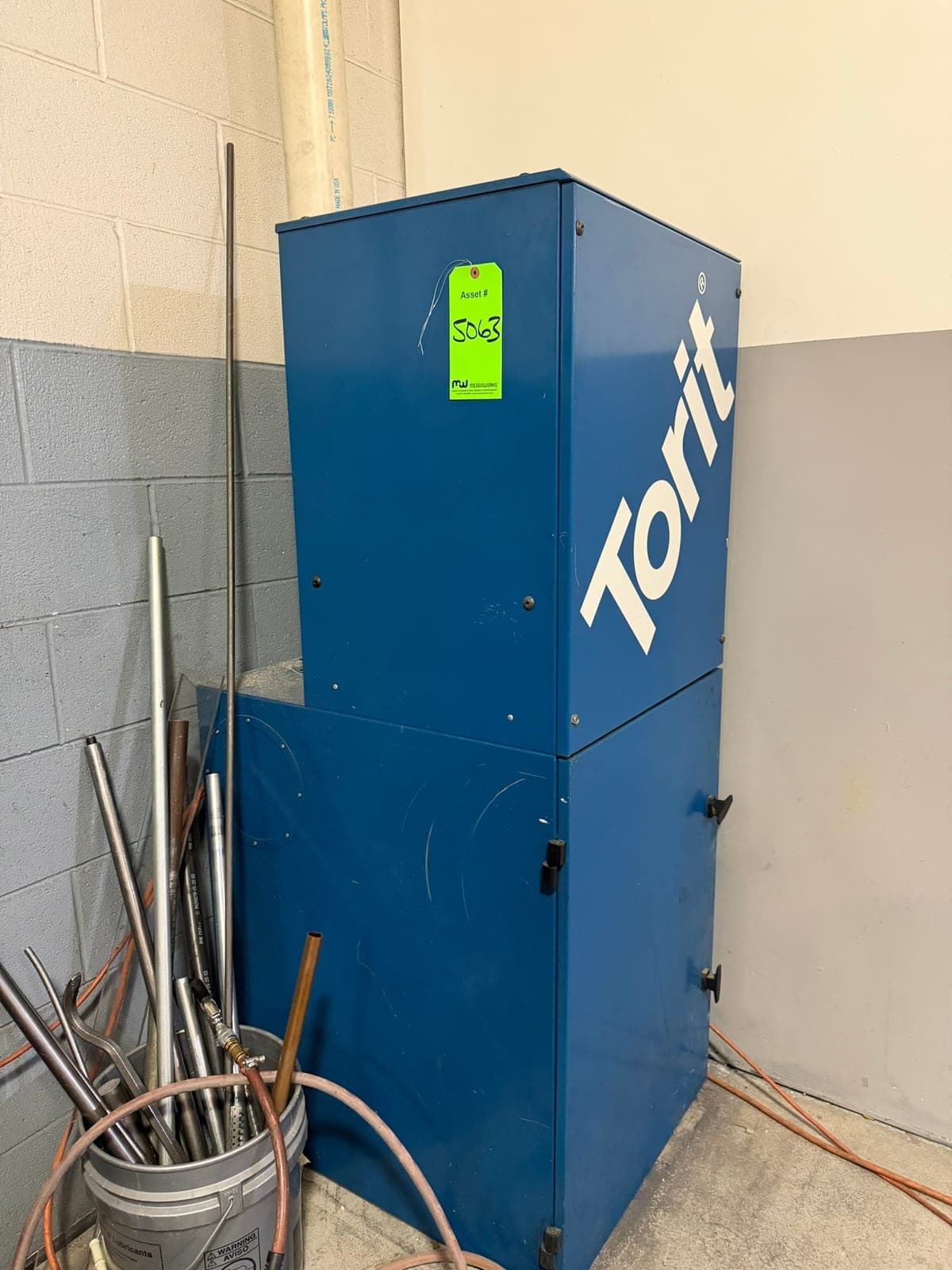
Lot 44
Donaldson Torit Cabinet Dust Collector
Naperville, IL
Live auction · Tue, Oct 27, 10:00 AM CT
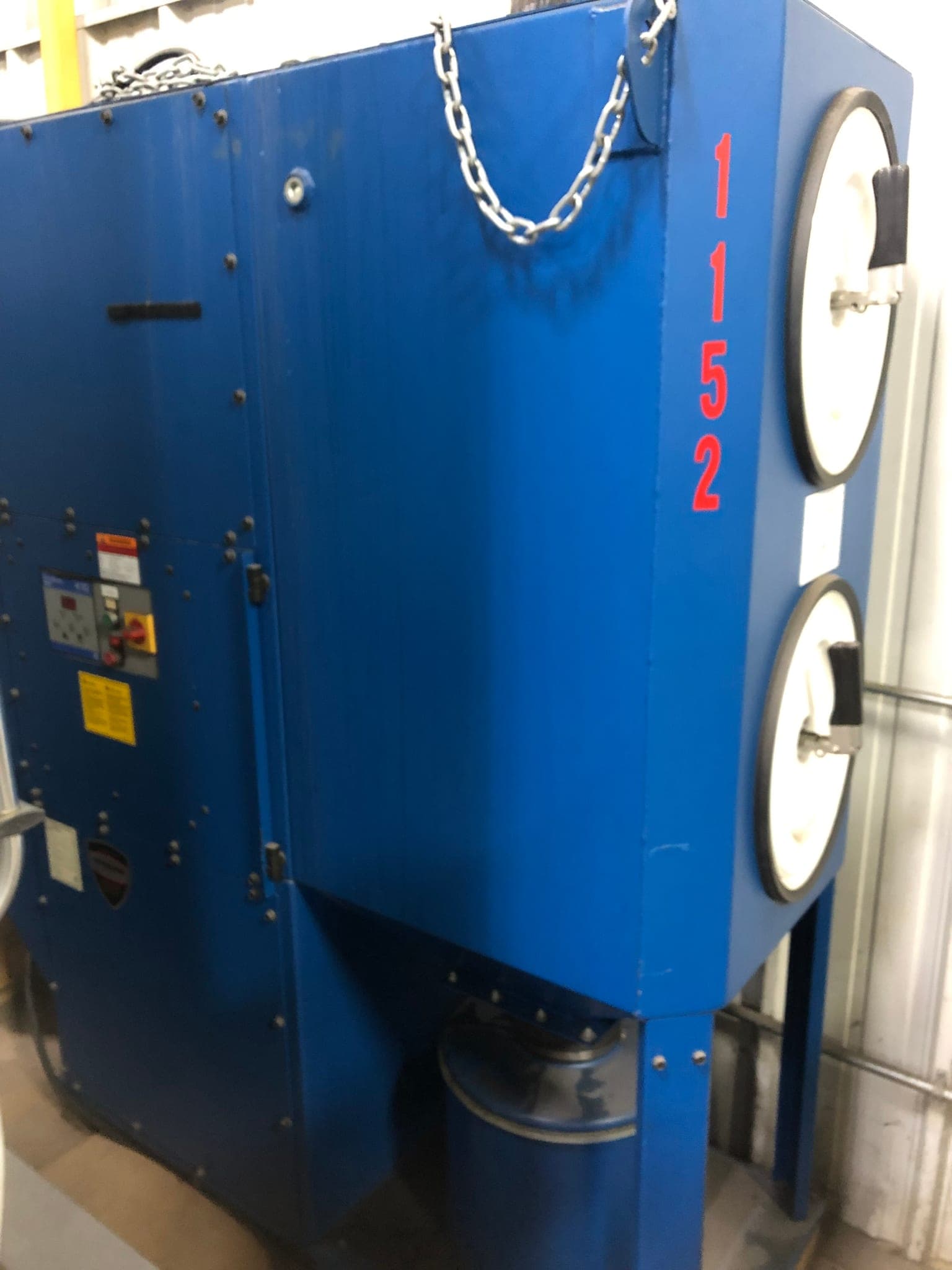
Donaldson Torit DFO 2-2 Dust Collector
USA

Lot 12
Dri-Air Cyclone Dust Collector
Royse City, TX
Live auction · Thu, Oct 22, 10:00 AM CT
Looking for Something Specific?
Most of our inventory sells before we can list it online. If you need a specific brand, model, or specification, tell us what you need—we have access to unlisted equipment and machines coming in from plant closures.
Looking to Sell?
Meadoworks is an active cash buyer of used industrial equipment. Get a free valuation from our AMEA-certified appraisers.
About Used Dust Collectors & Filtration Systems
Fines from a booth and chips from a granulator do not want the same machine, and both kinds of cabinet turn up when a process has to pull dust out of the air. A dust collector still has to be named as a cartridge cabinet or a cyclone before the airflow means anything. Cartridge units, Donaldson Torit among them, pull air through filter media and drop the dust into a hopper. Pulse-jet valves hit those cartridges with a short blast of compressed air so the fan can keep running. A cyclone spins the stream so heavier particles fall out. Donaldson describes that cone as a centrifugal separator for coarse, high-volume dust: air enters, a helical baffle throws the heavy fraction to the wall, and cleaned air leaves through the inner cylinder. A cyclone has no pulse valves. Dri-Air, Conair and Airtek appear on the smaller plastics-line units.
Airflow is the number a title skips. Compact Torit TD cabinets are rated from about 300 to 2,000 cfm, with blower options from 1 to 10 horsepower. Donaldson's cyclone line spans about 300 to 13,000 cfm, which is a different scale from a granulator leg. A cabinet that is too small for the hood will not capture the dust, no matter how clean the cartridges look. Duct diameter and length steal airflow before the fan can help. Media on the TD series runs from about MERV 12 to MERV 16, which changes the particle size you will hold and how fast the filter loads. Hopper discharge may be a slide gate, a 5 gallon pail or a 55 gallon drum. A hopper you cannot empty becomes a plugged cabinet in a week.
Fan voltage on many of these blowers is 208, 230 or 460 volts, three phase. A plugged cartridge looks like a weak fan. Explosion relief is a real question when the dust can burn, and a plain box may not have a vent. Explosion vents are an option on both the cartridge cabinets and the cyclones. Wet dust cakes a collector built for dry fines. A small cyclone on a granulator leg is the right tool for chips and fluff. It is the wrong tool for fine booth dust, where you need media and a pulse.
Buying a used dust collector means matching airflow, cleaning method and voltage to the machine it will serve. A cabinet from a closure often sat on one grinder, one booth or one conveying pickup. Meadoworks moves these cabinets out of plant closures, consignments and auctions. Buyers can inspect the cartridges or the cone, the fan and the nameplate. Read a cyclone as a chip separator and a cartridge cabinet as a filter. They are not substitutes.
How to Choose Used Dust Collectors & Filtration Systems
How to Size a Dust Collector
Start from the hood or the machine pickup, not from the cabinet height. Airflow has to capture the dust at that opening and carry it through the duct you will actually run. A long, small duct steals airflow before the fan can help. Cartridge count and fan horsepower are clues, not a substitute for a rated cfm. Voltage has to match the plant, often 230 or 460 volts, three phase. Hopper height has to clear a drum you can roll away. If the dust is combustible, ask whether the cabinet has relief or is only a plain box. A cyclone for chips is sized differently from a cartridge unit for fines. Do not use one rating method for both.
Cartridge Cabinets and Cyclones
A cartridge cabinet is the usual machine for fines. Pulse-jet valves hit the filters with a short blast so dust falls into the hopper while the fan keeps running. Media choice, a plain cellulose cartridge or a finer surface, changes what particle you will hold. A cyclone, the smaller Dri-Air and Conair style units, spins chips out of the air and does not depend on a pulse valve. It belongs on a granulator or a conveying line, not on a fine-dust booth. Donaldson Torit cabinets are the cartridge pattern. Airtek appears as well. Name which machine you are looking at before you compare condition.
Dust Collectors & Filtration Systems Specs to Compare
| Spec | Typical range | Why it matters |
|---|---|---|
| Collector type | Cartridges filter fines. Cyclones drop heavier chips. Both machines exist, and they are not interchangeable. | |
| Rated airflow | About 300–2,000 cfm | The hood and the duct have to live inside that number or the dust never reaches the cabinet. |
| Cleaning method | Pulse valves keep a cartridge working. A cyclone separates by spin and has no filter pulse. | |
| Filter media | About MERV 12–16 | Media sets the particle size you will hold and how fast the filter loads. |
| Fan and voltage | Often 230 or 460 volts, three phase | Horsepower and volts have to match the bus. A fan that is too small will not pull the hood. |
| Discharge | 5 or 55 gal discharge packs | A hopper you cannot empty becomes a plugged collector in a week. |
Collector type
Cartridges filter fines. Cyclones drop heavier chips. Both machines exist, and they are not interchangeable.
Rated airflow
Typical range: About 300–2,000 cfm
The hood and the duct have to live inside that number or the dust never reaches the cabinet.
Cleaning method
Pulse valves keep a cartridge working. A cyclone separates by spin and has no filter pulse.
Filter media
Typical range: About MERV 12–16
Media sets the particle size you will hold and how fast the filter loads.
Fan and voltage
Typical range: Often 230 or 460 volts, three phase
Horsepower and volts have to match the bus. A fan that is too small will not pull the hood.
Discharge
Typical range: 5 or 55 gal discharge packs
A hopper you cannot empty becomes a plugged collector in a week.
What to Inspect on Used Dust Collectors & Filtration Systems
Identify cartridge or cyclone
A cartridge cabinet and a chip cyclone are different machines. Name which one the listing is.
Find a rated airflow
Look for cfm on the nameplate or the fan. A cabinet with no airflow number is a guess.
Check pulse valves
On a cartridge unit, the pulse header and valves should be present. A cyclone will not have them.
Inspect cartridges or the cone
Wet, ripped or oily cartridges need replacement. A dented cyclone cone will not separate chips.
Read fan voltage
Match horsepower and volts to the plant before you plan the duct.
Look at the hopper
Confirm it empties into something you can move, and that the gate still opens.
Note duct size
Inlet diameter has to meet the hood run you will connect, or you will choke the fan.
Related Equipment
- Air Compressors & Air Dryers
Pulse-jet collectors borrow plant compressed air
- Plant & Material Handling
The rest of the plant-floor equipment family
- Conveyors
Move parts while dust is pulled off the machine
More in Plant & Material Handling
Dust Collectors & Filtration Systems Brands We've Sold
Common Applications
Frequently Asked Questions
Is a cartridge cabinet the only kind of dust collector?
No. Cartridge cabinets are the common filter, including Donaldson Torit units that catch fines and drop them into a hopper. Smaller cyclone collectors are in the same offering, including Dri-Air and Conair units that spin chips out of a plastics line, plus Airtek. Name the machine before you compare two of them. A cyclone will not do the job of a pulse-cleaned cartridge cabinet, and a big cartridge unit is more machine than a granulator chip leg needs.
How do I size airflow for a dust collector?
Match the fan to the hood and to the duct you will run, not to the height of the cabinet. A long or undersized duct steals airflow before the dust arrives. Cartridge count is a clue, not a cfm rating. Write down the rated airflow if the plate has it, then compare voltage and horsepower. A collector that is too small for the opening will not capture the dust no matter how new the filters look. Leave the cyclone method for chips, not for fine booth dust.
What does pulse-jet cleaning change on a cartridge unit?
A pulse-jet collector blasts compressed air backward through the cartridges so dust falls into the hopper while the fan stays on. Without that cleaning, the filters load and airflow collapses. A cyclone does not have pulse valves. It separates by spinning the stream. If you need the cartridge style, confirm the pulse header is still on the cabinet. If you only need to drop chips from a granulator, the small cyclone listings are the closer match.
What should I inspect on a used dust collector?
Filters or the cyclone cone, the fan, the hopper gate and the nameplate. Wet or oily cartridges usually need replacing. A fan that rubs or a missing pulse valve changes the price of putting it back to work. Read voltage. Measure the inlet so the duct will fit. Look under the hopper for a drum you can actually roll out of the cell. Photos of the media and the fan tell you more than a clean exterior.
When is a small cyclone the right dust collector?
When the stream is chips and fluff from a granulator or a short conveying pickup, not fine dust from a grinding booth. The cyclone knocks the heavy fraction out and does not rely on a filter pulse. It is the smaller machine of the two. A cartridge cabinet is the right tool when you need to hold fines and keep pulsing them off the media. Dri-Air and Conair cyclones sit in that smaller group. Donaldson Torit is the cartridge name to start with.
Does a dust collector need explosion relief?
Ask that when the dust can burn. A plain cabinet may have no relief panel and no isolation in the duct. Metal grindings and many plastic fines are not the same risk, and the collector does not decide the chemistry for you. If the last plant ran a relief door or a specific duct layout, that is part of the machine you are buying. Do not assume a hopper and a fan are the whole safety story.
