Used Plastic Blenders & Feeders for Sale
3 results
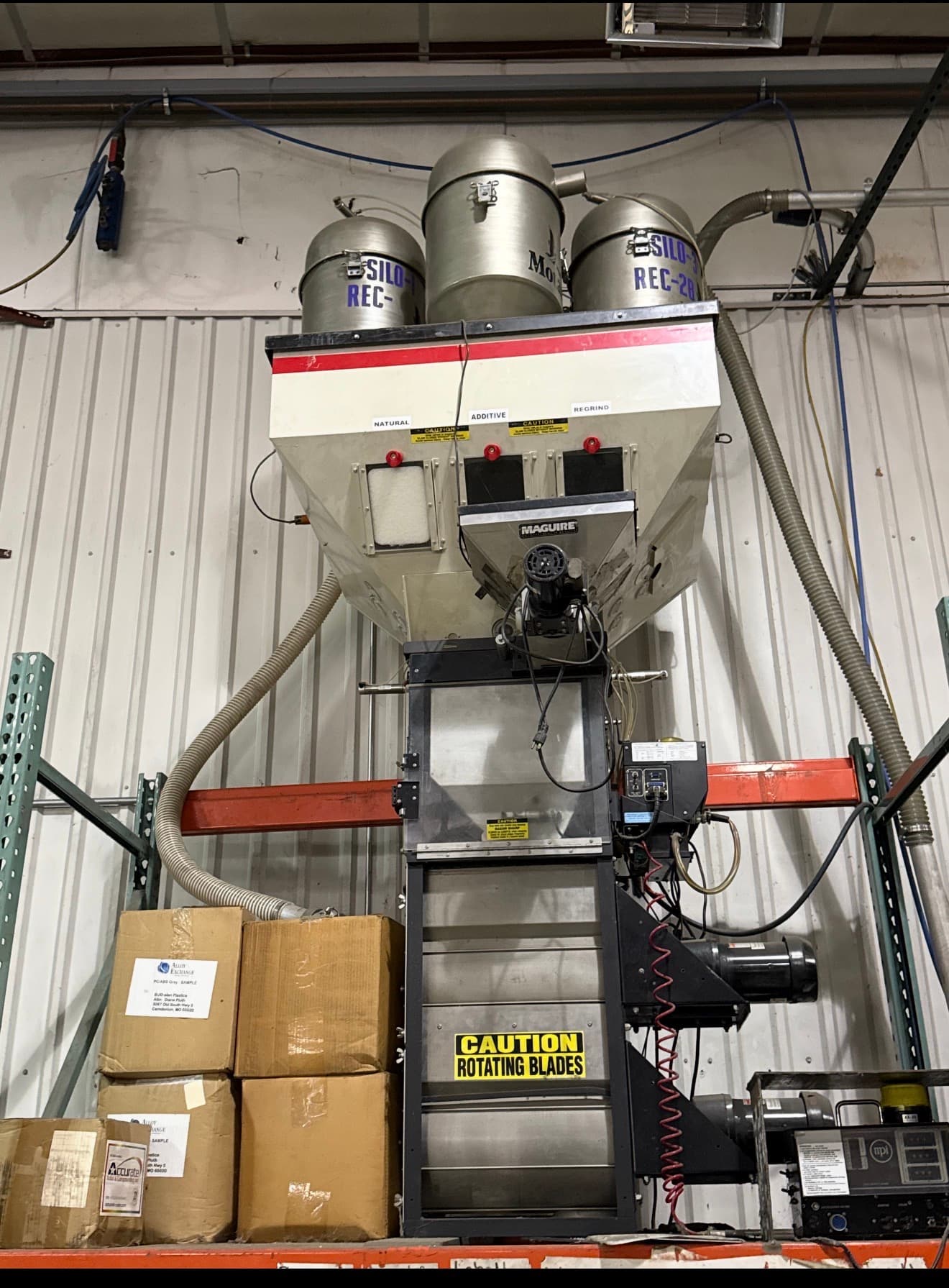
Item #6783
2001 Maguire WSB 1840 Blender
USA
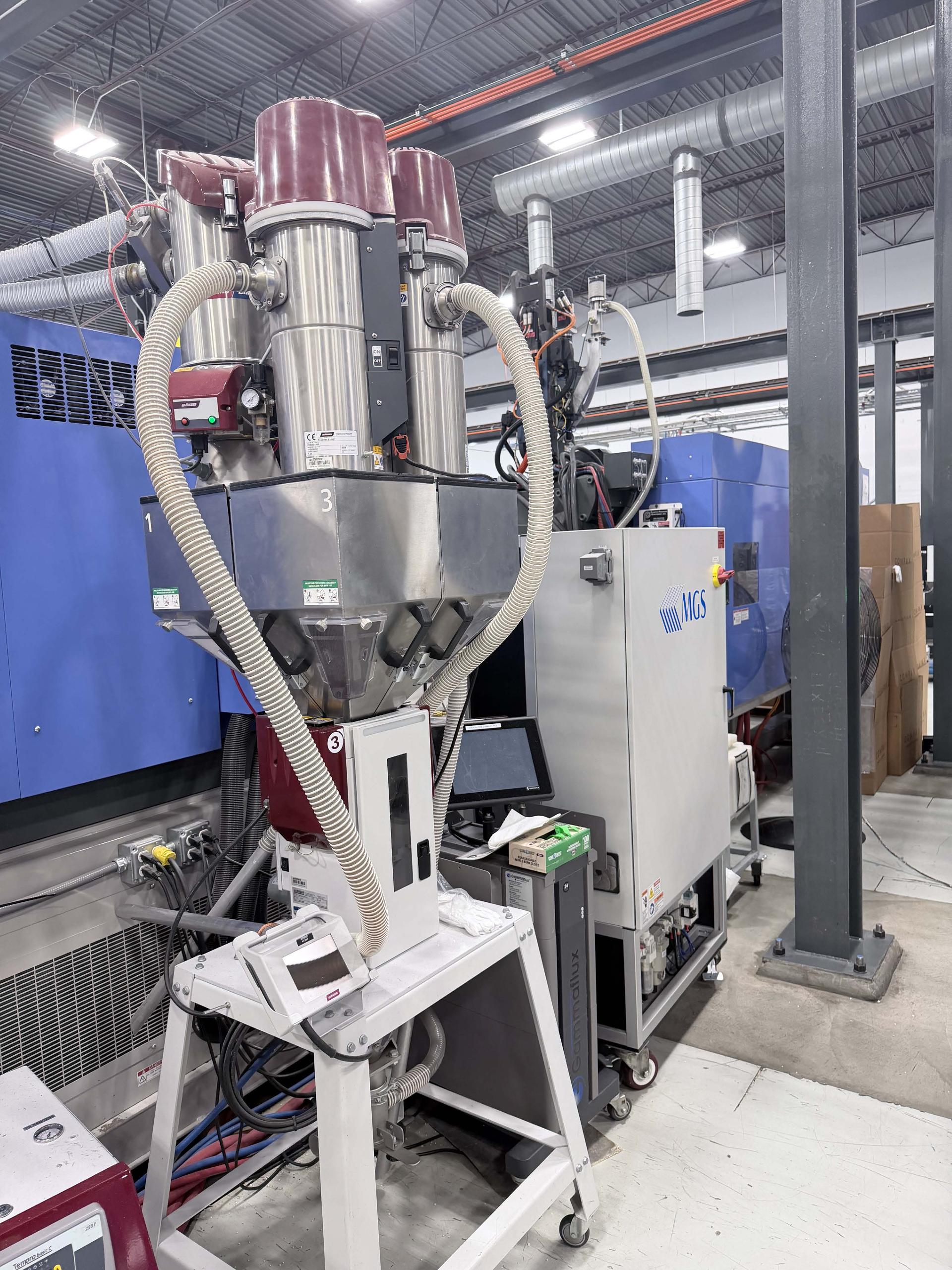
Item #6932
Wittmann Gravimax 4-Component Gravimetric Blender w/(4) Wittmann Feedmax S3net Loaders, Teachbox Basic Controller on Stand
USA
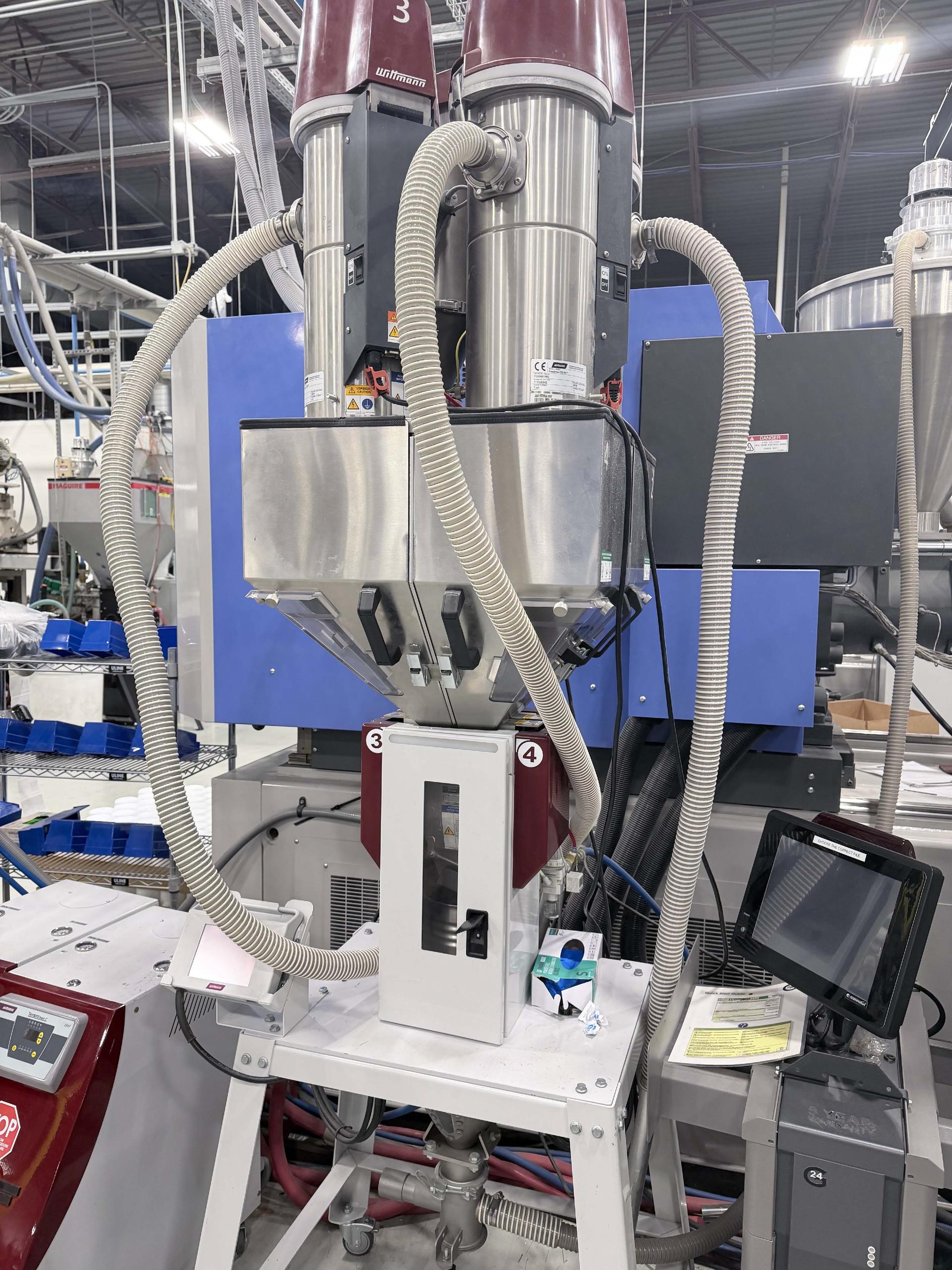
Item #6926
Wittmann Gravimax 4-Component Gravimetric Blender w/(4) Wittmann Feedmax S3net Loaders, Teachbox Basic Controller on Stand
USA
Plastic Blenders & Feeders by the numbers
From our own catalog: machines listed now and machines we have sold. Updated every few minutes.
Our track record
59 machines sold · 10 makes · model years 1987–2025 · 18 sold at our own auctions
Looking for Something Specific?
Most of our inventory sells before we can list it online. If you need a specific brand, model, or specification, tell us what you need—we have access to unlisted equipment and machines coming in from plant closures.
Browse Used Plastic Blenders & Feeders by Brand
Browse Used Plastic Blenders & Feeders by Country
Looking to Sell Your Plastic Blenders & Feeders?
Meadoworks is an active cash buyer of used industrial equipment. Get a free valuation from our AMEA-certified appraisers.
About Used Plastic Blenders & Feeders
Plastic blenders accurately mix virgin resin with regrind, colorant, and additives before processing. Gravimetric blenders measure ingredients by weight for the highest accuracy. Volumetric feeders dose materials by volume for simpler applications. Maguire blenders are the industry standard for gravimetric blending in injection molding.
Meadoworks stocks used plastic blenders and feeders from Maguire, Conair, Novatec, and Wittmann. Contact us at 800-323-0307.
Gravimetric blenders weigh each component (virgin, regrind, color, additives) for accurate ratios and record material usage; volumetric feeders meter by volume and are simpler and cheaper for single-additive dosing. Size a blender by the number of components and the total throughput of the machine it feeds. When buying used, check the load cells and calibration, dosing valves, mixing chamber and controller.
How to Choose a Used Plastic Blender
Weight or volume
A gravimetric blender weighs virgin, regrind, color, and additives. A volumetric feeder meters by time or by screw turns. Weight holds a ratio when the bulk density changes. Volume is enough for one color on a stable pellet, and it drifts when the regrind changes.
Stations are the number of ingredients. A four-station blender does not become a six-station blender because you wish for another additive.
Size it to the throat
Pounds per hour have to stay ahead of the press or the extruder. A blender that starves the screw is the wrong size, not a dirty load cell. Load cells and the dump gate are the accuracy. A feeder without a working scale is a volumetric feeder with extra parts.
The color feeder beside it is a different machine when you only need one additive.
By size: Typical Used Plastic Blender Price Ranges
Color feeders and single-additive dosers: $800–$4,000
2–4 component gravimetric blenders (press-side): $2,000–$8,000
Large multi-component gravimetric blenders (1,000+ lb/hr): $5,000–$15,000+
What moves the price — method (gravimetric or volumetric), number of components, rate, controller generation and working load cells.
These are typical used-market ranges, not a quote on any machine. For a current figure on a specific machine, request a quote or call 800-323-0307.
Plastic Blender Specs to Compare
| Spec | Typical range | Why it matters |
|---|---|---|
| Method | Gravimetric or volumetric. Ratios you have to hold want weight. | |
| Stations | 2–6 components | Virgin, regrind, color, additives. Count the hoppers. |
| Rate (lb/hr) | About 100–2,000+ lb/hr | Has to exceed the process. Leave margin for a color change. |
| Load cells | One per weigh hopper | On a gravimetric unit. A dead cell is a guess. |
Method
Gravimetric or volumetric. Ratios you have to hold want weight.
Stations
Typical range: 2–6 components
Virgin, regrind, color, additives. Count the hoppers.
Rate (lb/hr)
Typical range: About 100–2,000+ lb/hr
Has to exceed the process. Leave margin for a color change.
Load cells
Typical range: One per weigh hopper
On a gravimetric unit. A dead cell is a guess.
What to Inspect on a Used Plastic Blender
Weigh a batch
If it is gravimetric. The display has to move when you load a hopper.
Dump and refill
Gates and augers. A stuck gate floods one ingredient.
Count stations
Against the recipe, not against the frame's empty holes.
Match the rate
To the press or the extruder pounds per hour.
Related Equipment
- Gravimetric Blenders
Weigh blenders, separated from volumetric feeders
- Color Feeders
One additive, when a full blender is more than the job
Types of Plastic Auxiliary Equipment
Common Applications
Frequently Asked Questions
How much does a used Maguire blender cost?
Used Maguire blender prices range from $2,000-$5,000 for small 2-component blenders to $5,000-$15,000+ for large multi-component gravimetric blenders. Maguire blenders are highly sought-after in the used market due to their accuracy and reliability. Contact Meadoworks at 800-323-0307.
Gravimetric or volumetric blender?
Gravimetric blenders weigh each ingredient for accurate, repeatable ratios and material tracking — the standard for color and regrind in molding. Volumetric feeders are simpler and cheaper for dosing a single additive where small variations are acceptable.
How many components does my blender need?
Count every ingredient you mix at the press — virgin, regrind, color and each additive. Most molding cells run two to four components.
What is a color feeder?
A color feeder meters one colorant or additive into the press throat at a set rate — a single-component doser. A blender mixes several ingredients (virgin, regrind, color) by weight or volume before they reach the throat.
Can a used blender run regrind?
Yes. Give regrind its own station, keep it free of long pieces that bridge in the hopper, and check that the dump gates seal so the ratio holds.
Related Resources
Recently Sold Plastic Blenders & Feeders
View all sold auxiliary equipment →


Need Help Finding the Right Equipment?
Contact our team with your specifications and we'll help you find the right machine.
