Used Metal Forming Equipment & Presses for Sale
18 results

Dener Puma XL-30100 100 Ton CNC Press Brake - NEW
Mexico
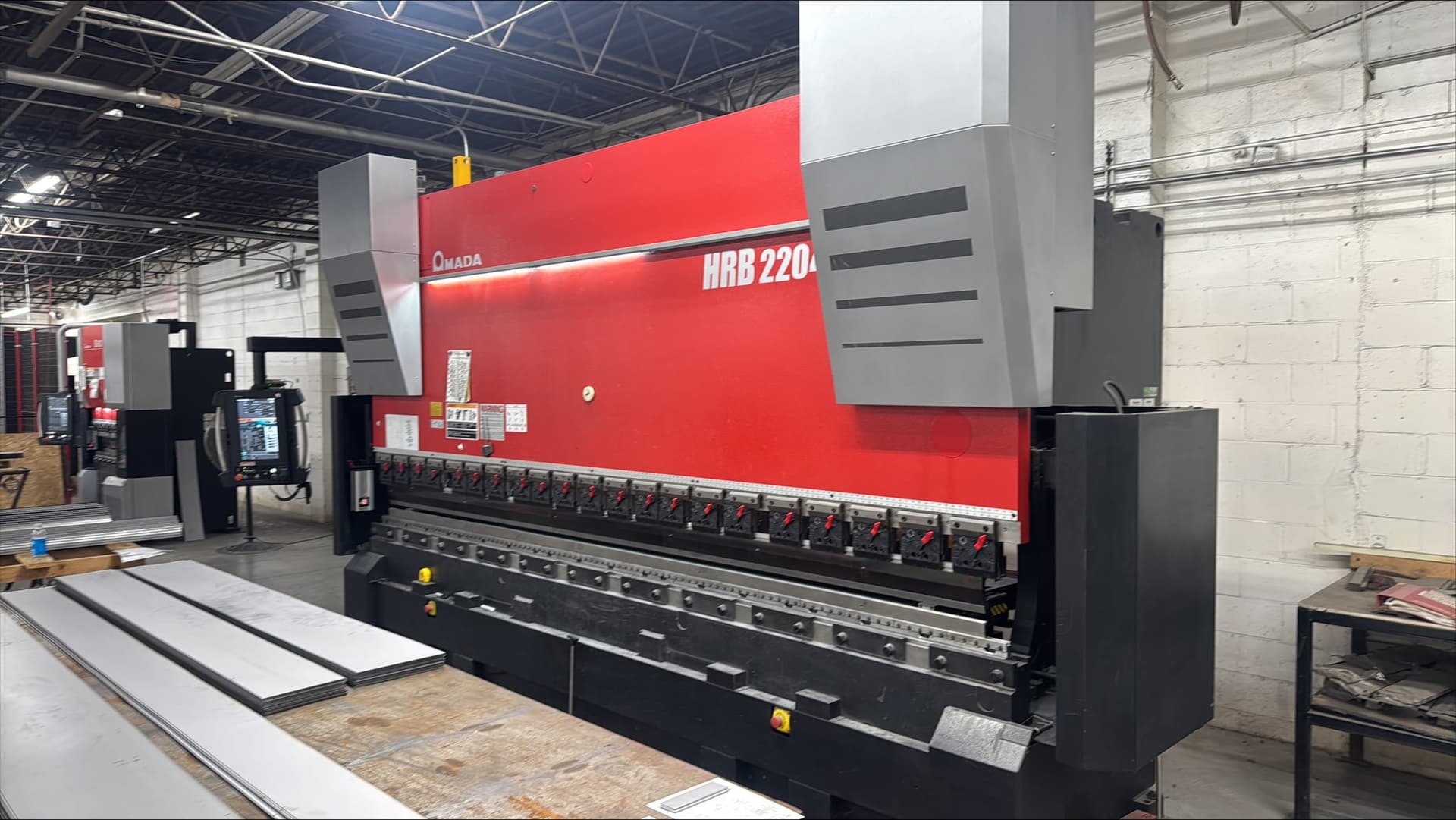
Amada HRB 2204 CNC Press Brake
USA
 Video
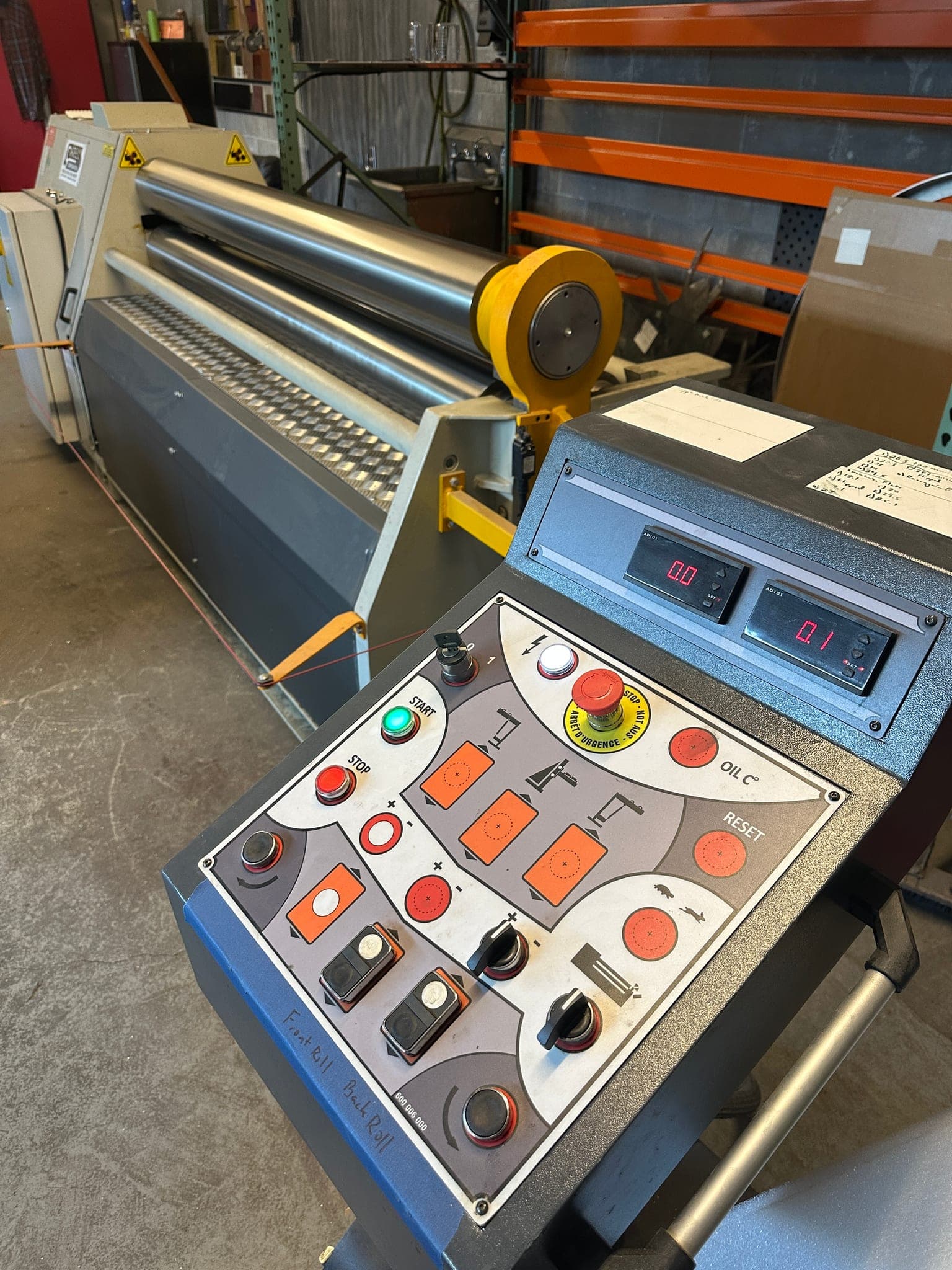
Video2022 Carell 3-Roll Plate Bender
USA

2013 JMT AD-R 2510 Press Brake
Mexico

2007 Pines CNC 075
USA
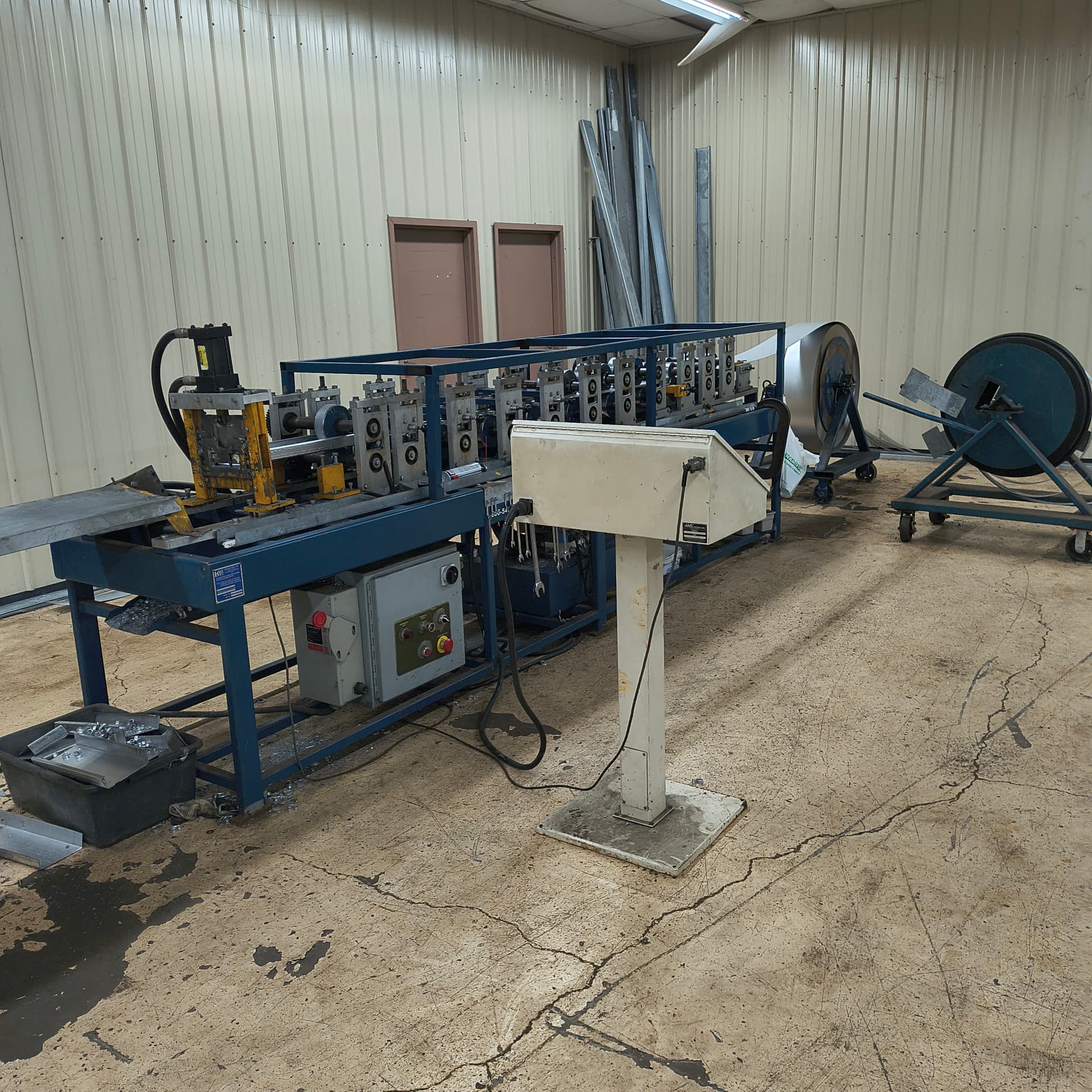
2002 Knudson Stud Roll Former
USA

Piranha - Pro2
USA
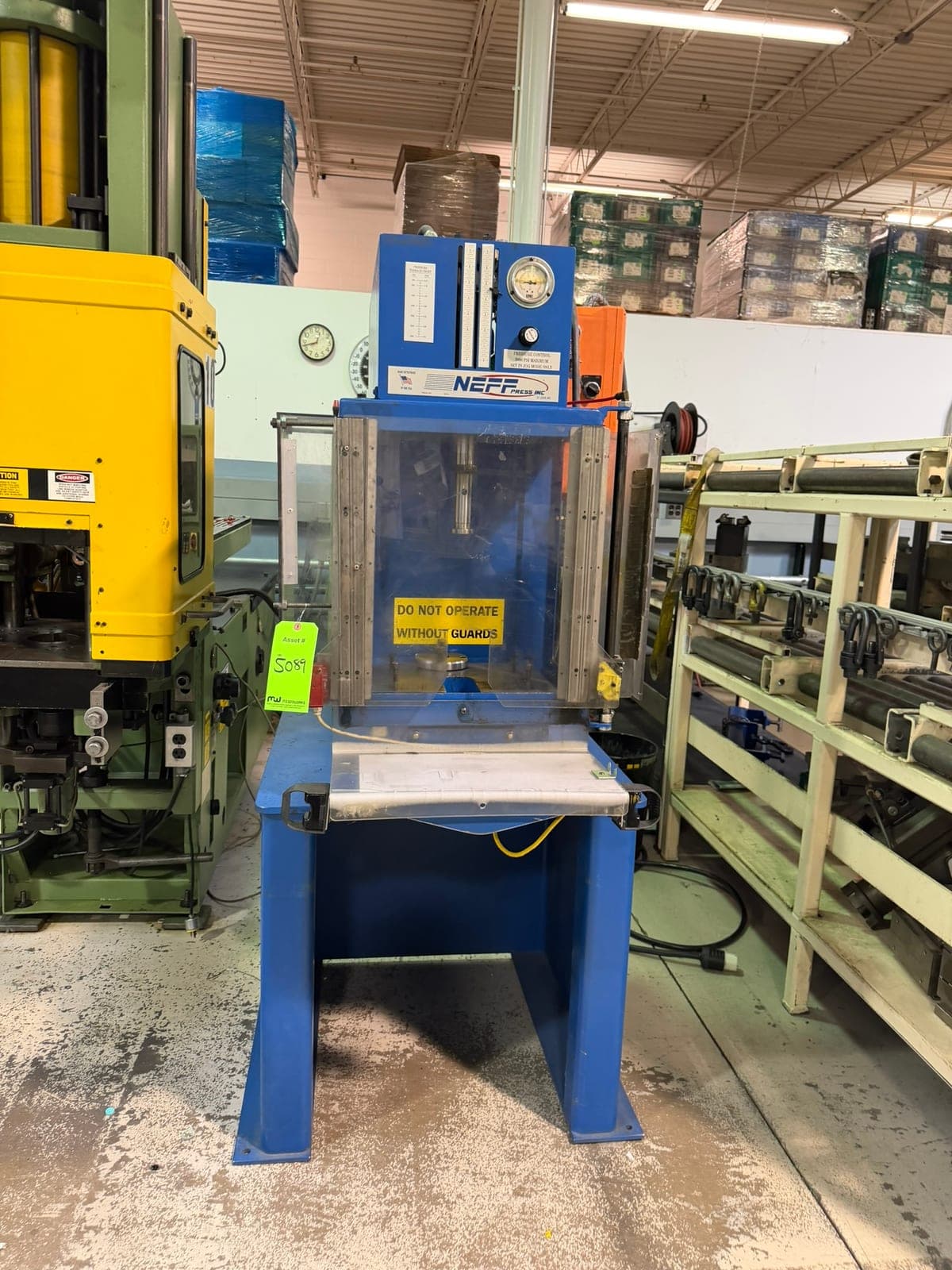
Lot 41
Neff 4.7 Ton Hydraulic Press
Naperville, IL
Live auction · Tue, Oct 27, 10:00 AM CT
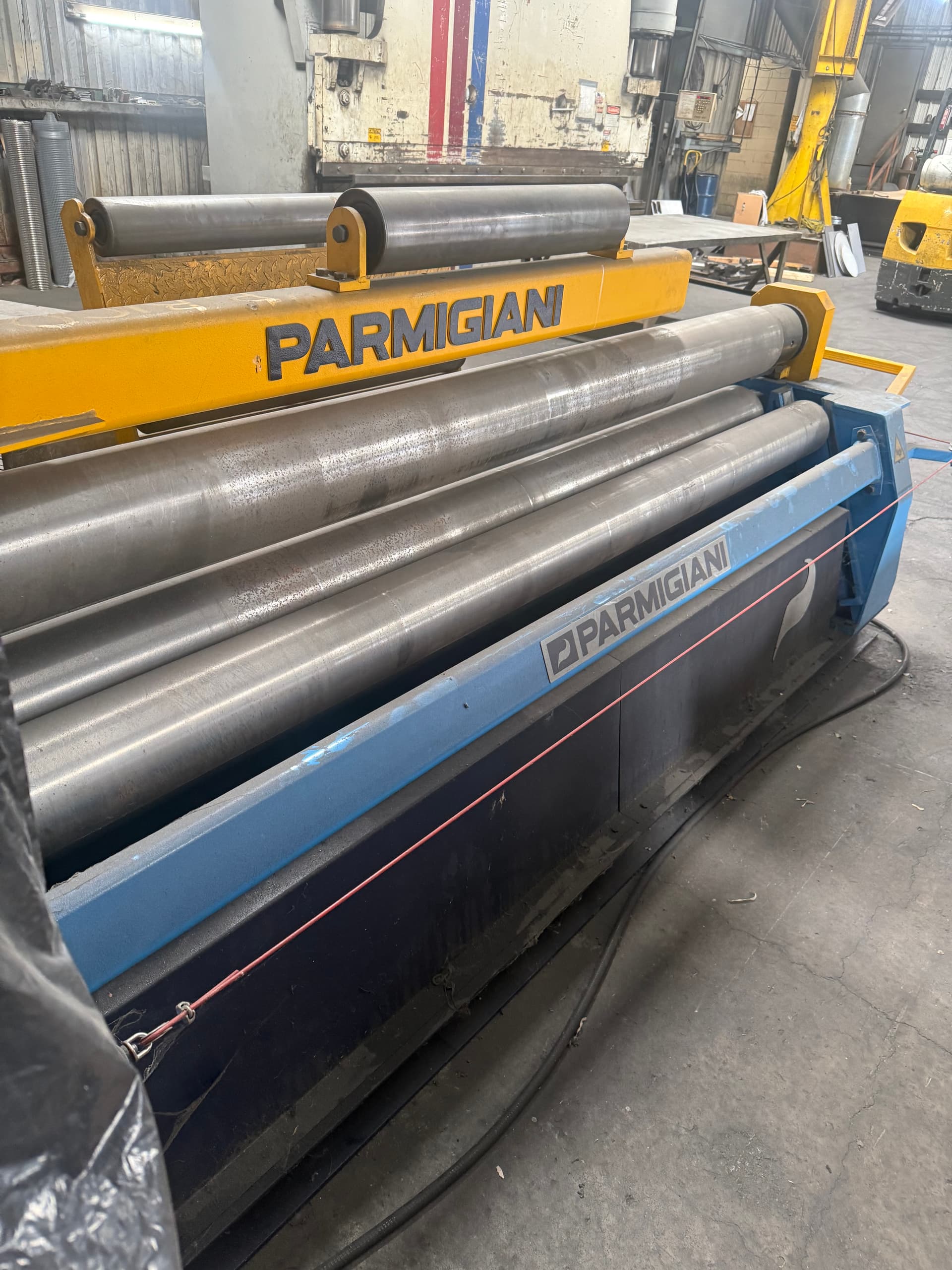
Parmigiani VBH 8-210 Plate Roll
USA
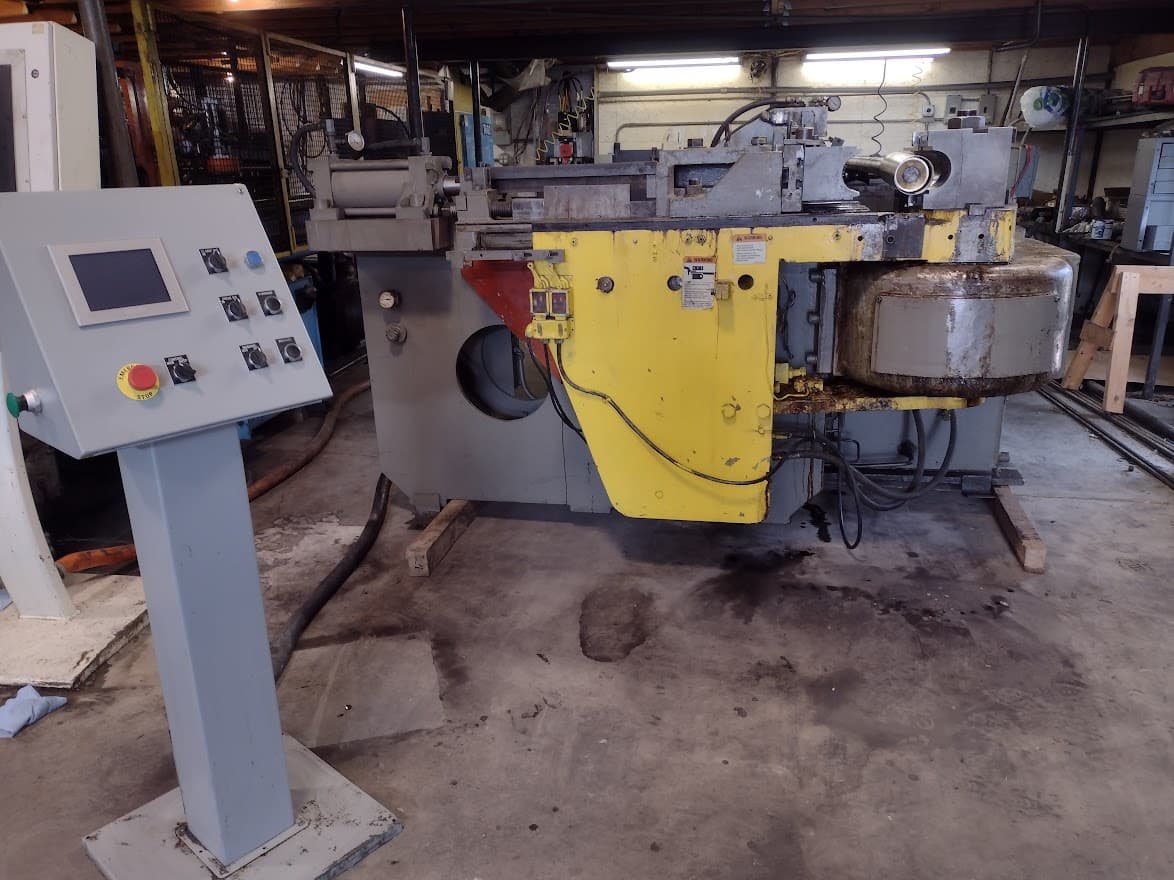
Pines #4 Tube Bender
USA
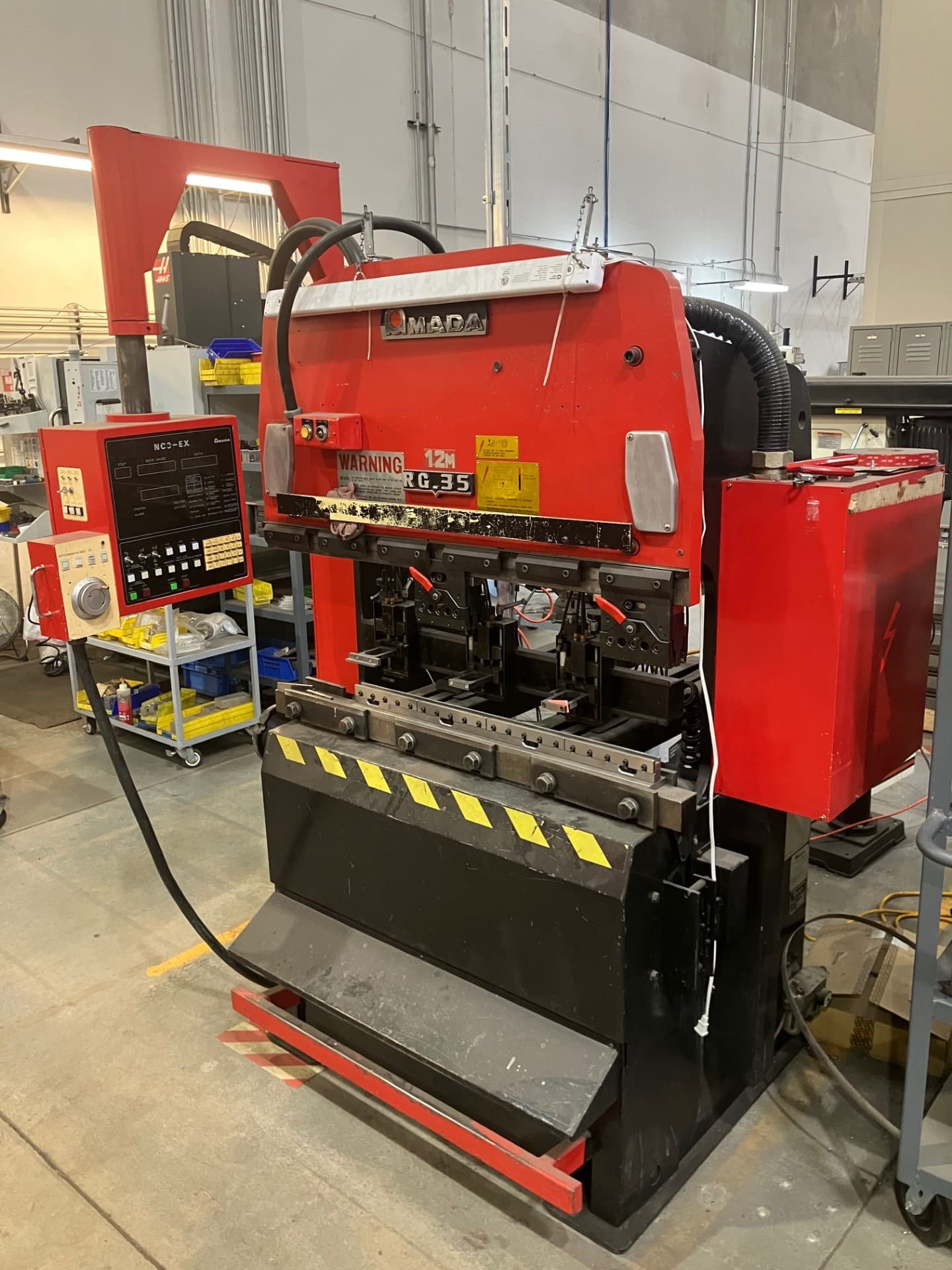
Amada RG-35 Press Brake
USA

Lawton 206-Ton 4-Post Up-Acting Hydraulic Press
USA
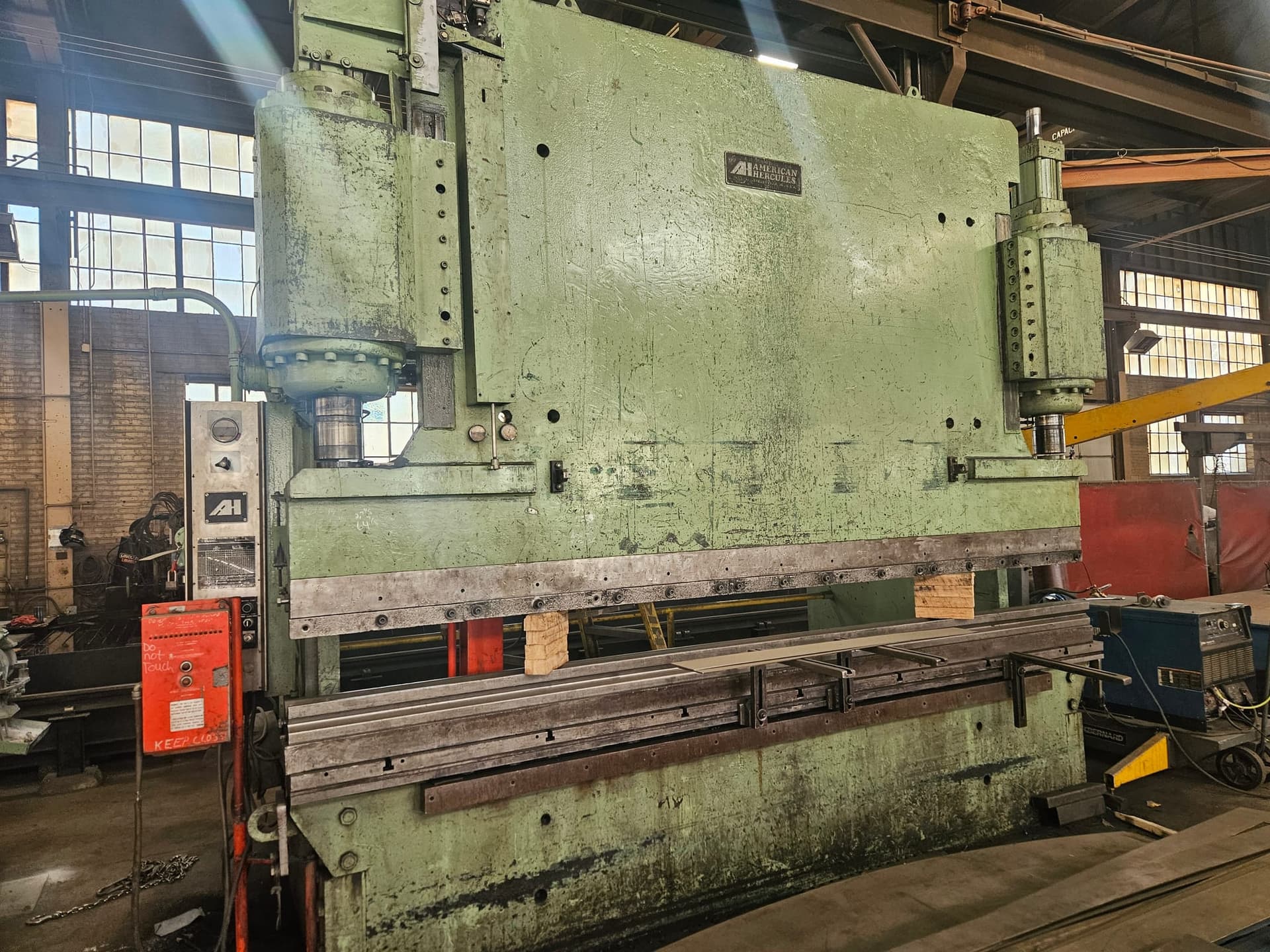
American Hercules Manufacturing Co. 700-Ton Hydraulic Press Brake
USA

Pacific Hydraulic Press Brake
USA

Verson Straight-Side Stamping Press
USA

Cincinnati 600FMII x 10 FT Press Brake
Mexico
 Video
VideoCincinnati 350 CBII x 10 FT Press Brake
Mexico
 Video
VideoMinster SE2-400-84-48 - Hevi-Stamper
USA
Looking for Something Specific?
Most of our inventory sells before we can list it online. If you need a specific brand, model, or specification, tell us what you need—we have access to unlisted equipment and machines coming in from plant closures.
Looking to Sell?
Meadoworks is an active cash buyer of used industrial equipment. Get a free valuation from our AMEA-certified appraisers.
About Used Metal Forming Equipment & Presses
Metal forming shapes metal with force instead of cutting it away. A hydraulic press pushes a ram. A press brake bends sheet in a die. A plate roll curves plate into a cylinder. A shear cuts a straight edge. A stamping press, a gap-frame press and a straight-side press are different frames for different tools, and they are not the same buy. Coil lines and roll forming belong in the same broad shop and they are their own machines. The point of this overview is to separate those frames before you compare tonnage.
Tonnage is a nameplate, not a personality. A 100-ton gap press and a 100-ton straight-side press do not hold a die the same way. The gap press is open on three sides and will deflect. The straight-side press keeps the slide square. A press brake's tonnage is per foot of bend as much as it is a total, and the die opening changes it. A plate roll is rated by thickness and width at a yield strength, not by a press ton. Reading one number across these machines will pick the wrong iron.
What you bring to the inspection changes with the frame. On a press, look at the ram, the ways or gibs, and the hydraulics. On a brake, look at the ram parallelism, the backgauge and the tooling. Rolls need a check for a crown or a flat spot, and for a drive that slips. A shear is the blade gap and the hold-down. None of those checks transfer. A clean paint job transfers even less.
Used metal forming equipment usually leaves a shop as a set of frames that did different jobs. Match the frame to the part. A cylinder is a roll. A flange is a brake. A drawn shell is a press with a shut height that fits the die. A straight cut is a shear. Buying the largest tonnage in the auction does not give you the motion the part needs. Measure the bed, the stroke and the opening against the tool you already have, then read the tonnage.
How to Choose Used Metal Forming Equipment & Presses
Press Force, Stamping Rate, or a Brake
A hydraulic press is the forming and assembly tool: full force anywhere in the stroke, dwell if the job needs it, and a frame chosen for access or rigidity. A stamping press is the production hitter. It wants a die, a feed, and a rate, and it is the wrong purchase if you only need a few formed parts a day. A press brake is the sheet-flange machine. Bed length and tonnage follow the longest bend, not the weight of the plate.
Pick the family from the part you repeat. A bracket with one bend is a brake conversation. A drawn cup or a progressive strip is a stamping conversation. A bushing pressed into a housing, or a plate straightened, is a hydraulic press conversation. Opening all three groups and comparing paint color will not make the choice.
Coil, Roll Forming, and Plate Rolls
A coil line exists so something downstream never waits on a shear blank. Reels, straighteners, and feeds belong with that idea. A roll former then turns the strip into a long, constant profile, one cross-section for the whole length. A plate roll takes a single plate and bends it into a cylinder or a cone. The roll former does not replace the plate roll, and the plate roll does not slit coil.
If the product is a tank shell or a pipe section cut from plate, start with plate rolls. If the product is hundreds of feet of the same channel, start with roll forming and the coil line that feeds it. Width, thickness, and yield have to match that family, not a press tonnage chart.
Meadoworks Track Record
66
Sold through Meadoworks
18
Listed now
Makes we have handled most
Minster, Cincinnati, Neff Press, Bruderer, Komatsu, Eaton Leonard
Common models
Cincinnati 175AF10 CNC Hydraulic Brake, Neff Press DF25-5HS-U, BenchMaster 5 BF 150, Dener Puma XL-30100, Komatsu OBS45.3 Gap Press
Related Equipment
- Hydraulic Presses
Gap, straight-side, up-acting, and 4-post forming presses
- Stamping Presses
Mechanical and servo presses for die work
- Press Brakes
Sheet flanges and boxes, filed under fabricating
Common Applications
Frequently Asked Questions
Which metal forming family fits a flange, a cylinder, or a stamped part?
Match the shape before the brand. A flange or a box from sheet belongs on a press brake. A cylinder or cone from plate belongs on a plate roll. A die and a strip belong on a stamping press. A slow squeeze, a dwell, or a press fit belongs on a hydraulic press. Coil lines and roll formers are the other metal forming paths when metal arrives as coil or must leave as a long profile. This group is only the map.
Do press brakes belong in this metal forming overview?
Yes. Press brakes bend sheet, so they are metal forming even though the catalog files them under fabricating with lasers, shears, and turret punches. This overview includes them so a buyer comparing a brake with a hydraulic press or a stamping press can see all three in one place. The brake groups themselves cover bed length, tonnage, and whether the control is CNC. Start there when the part is a bend. Wait when you are still deciding which family the part belongs to.
Is a coil line metal forming equipment or just a feeder?
A coil line is metal forming support that often decides whether the press can run. Uncoiling, straightening, and feeding let a stamping press or a roll former work from strip instead of from hand-fed blanks. The line is not a substitute for the press. If you already own the press and you are starving it, shop the coil groups. If the whole cell is in one closure, match the reel, straightener, and feed width to that press.
How is roll forming different from a plate roll in metal forming?
Roll forming pulls coil through a row of stands and produces a long part with one cross-section. A plate roll bends one plate into a curve, usually a cylinder or a cone, and then stops. Thickness, width, and the number of stands matter on a roll former. Roll diameter, rolling width, and three-roll versus four-roll matter on a plate roll. In metal forming those are different families, and a similar name is not a reason to treat them as the same machine.
What should I open first if I only know the part?
Write down the shape, the material thickness, and how many you make in a shift. Then pick one family from this metal forming overview and ignore the others until that group fails the part. A few bends a day point to a brake. A round shell points to a plate roll. A die and a rate point to stamping. A squeeze, a straighten, or an assembly point to a hydraulic press. Continuous profiles point to roll forming. The family group is where tonnage and bed size start to matter.
Where do Meadoworks metal forming machines come from?
They come off plant floors through closures, consignments, and auctions, listed by family so a press does not sit in a pile with a plate roll. Read each listing for the capacity that family uses. You can inspect before you commit, and a heavy machine is rigged with the rest of the load. This metal forming group will not tell you the tonnage you need. It will tell you which family group makes that tonnage the right kind of number.
Metal forming & press auctions (1 lot on 1 upcoming sale)
