Used Shop & Facility Equipment for Sale
5 results
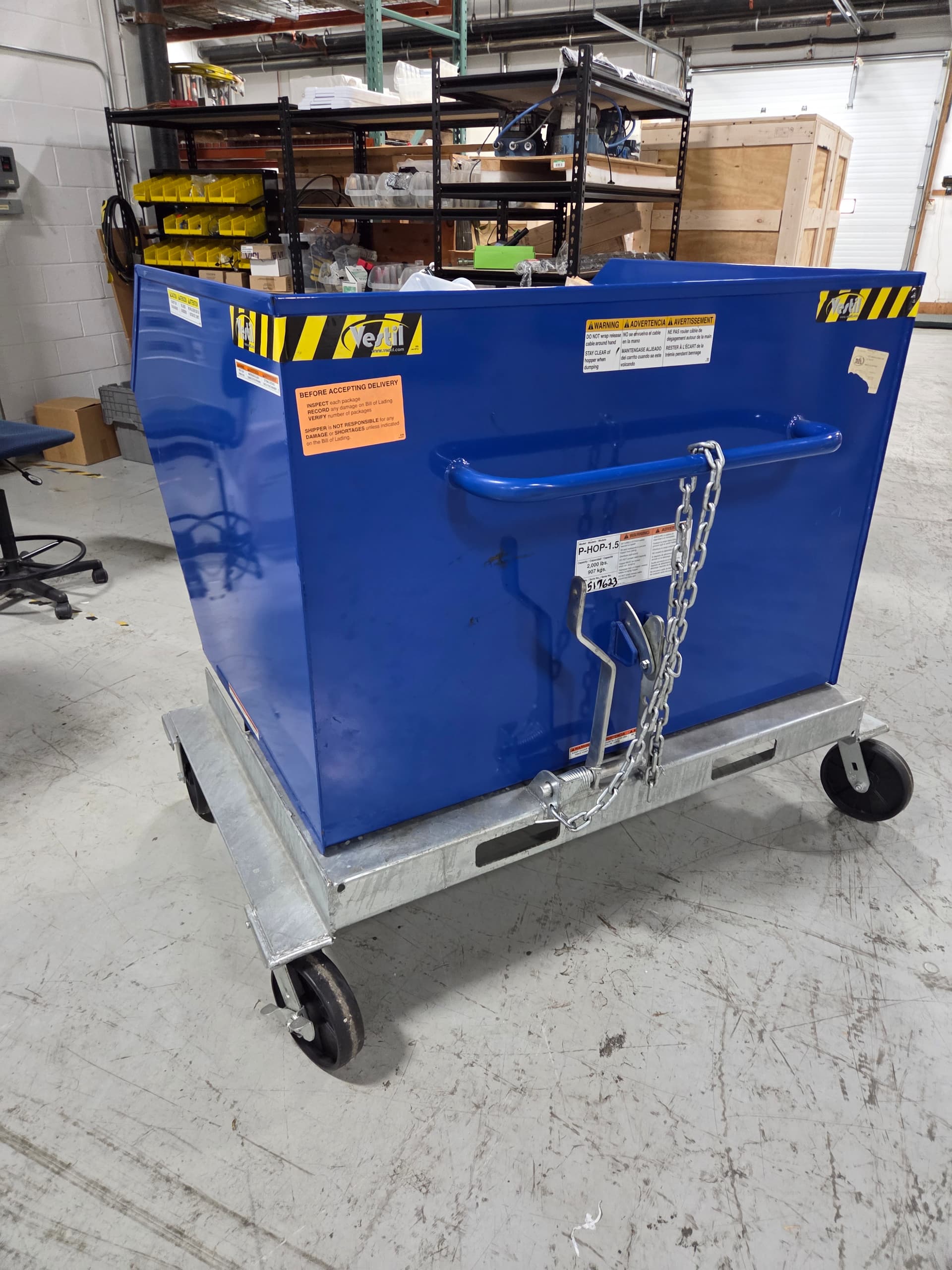
Lot 17
2020 Vestil 2,000 lb Forklift Dump Hopper Container Or Tote
Wilmington, MA
Ends Tue, Oct 13, 10:00 AM CT
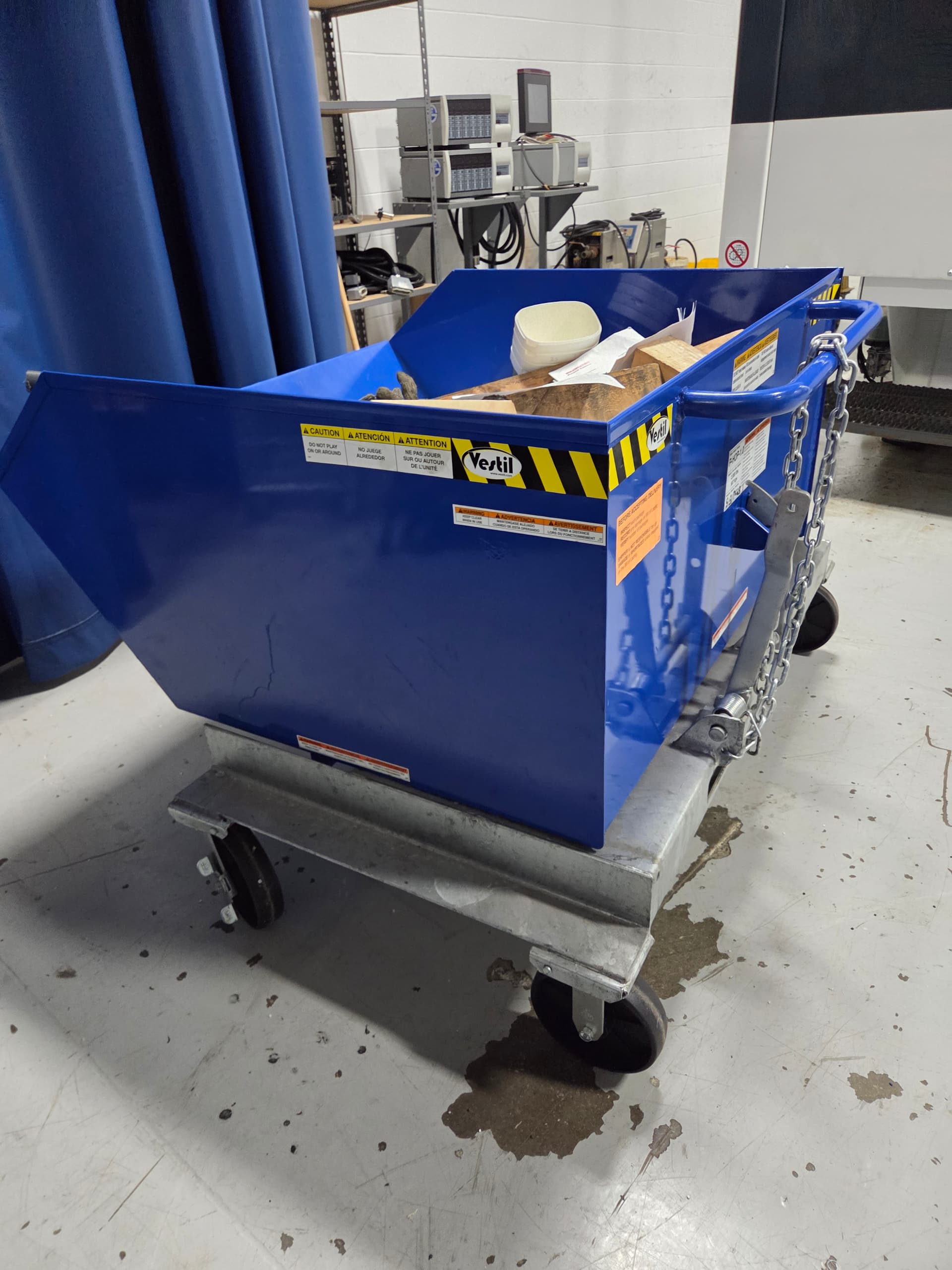
Lot 16
2020 Vestil 2,000 lb Forklift Dump Hopper Container Or Tote
Wilmington, MA
Ends Tue, Oct 13, 10:00 AM CT

Clean Air Products Fume Hood
USA

AirClean Systems Fume Hood
USA
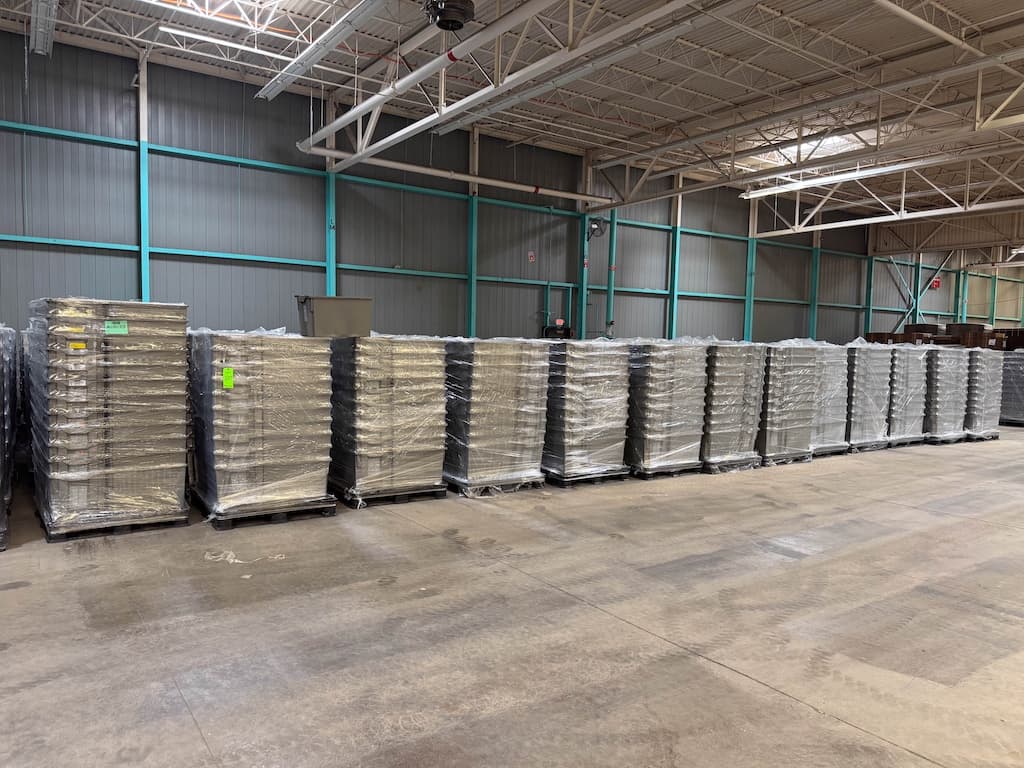
Plastic Totes Stack and Nest Containers
USA
Looking for Something Specific?
Most of our inventory sells before we can list it online. If you need a specific brand, model, or specification, tell us what you need—we have access to unlisted equipment and machines coming in from plant closures.
Looking to Sell?
Meadoworks is an active cash buyer of used industrial equipment. Get a free valuation from our AMEA-certified appraisers.
About Used Shop & Facility Equipment
Shop equipment in a plant closure is a mix of floor pieces, not one machine with one nameplate. The pieces that actually travel with these lots are stack-and-nest totes, forklift dump hoppers and fume hoods. A tote moves small parts between benches and nests when it is empty. A self-dumping hopper takes chips, scrap or bulky waste on a fork truck and tips into a container. A hood pulls solvent vapor or dust off a bench where someone wipes a mold or pours a small quantity. They leave the same buildings. They do not share a manual, a spare part or a way to be sized.
Treat every piece as its own buy, even when one sheet prices them together. A hopper is sized by volume and by the uniform load the plate allows. Vestil's self-dumping steel hoppers run from about 1/4 cubic yard to 5 cubic yards, with light-duty frames near 2,000 lb and heavy-duty frames near 6,000 lb. Fork pockets have to match the truck, and the dump latch has to clear the container you tip into. A hopper that is too tall for the mast becomes a bin you cannot empty. A tote is sized by footprint and by whether cracked corners will still stack. A hood is sized by the sash opening and by face velocity through that opening, commonly in the 60 to 100 feet-per-minute band laboratories use, plus the filter or the duct the chemical needs. A hopper rating will not tell you whether carbon or a HEPA bed belongs in the cabinet.
These pieces sit around the process machines rather than inside the process. Totes and hoppers move material to a bench, a dock or a scrap bin. The hood belongs over the bench where the solvent or the dust is produced. None of them joins a plastic part, wraps a pallet or holds a furnace setpoint. A floor scrubber, if one is in the lot, is housekeeping sized by aisle width and tank volume. It is not a hopper and it is not a hood. Name the job that is actually open before anything is loaded.
Walk a used shop equipment lot piece by piece. Read the load plate on a hopper, look at fork pockets and welds, and cycle the dump latch. On totes, cracked corners matter if they must stack. On a hood, open the filter housing and run the fan. A pretty paint job on a cracked pocket is the failure this mix hides if you only walk the row once.
Meadoworks sells these pieces from plant floors, consignments and auctions. You can inspect them before they are palletized with the machines, and totes and hoppers ride with the load instead of as a second project. The hopper name that repeats is a material-handling builder. Hoods come from other makers and should be judged on their own plates.
How to Choose Used Shop & Facility Equipment
How to Sort a Mixed Shop Equipment Lot
Split the sheet into holders and hoods before you price any of it. A tote and a dump hopper move material. A hood is local exhaust. They do not share parts, and a bargain price on the group is not a reason to take the pieces you cannot use. A floor scrubber, if one is on the sheet, is housekeeping sized by aisle and tank. It is a third buy.
Name the job each piece must do in your building. Scrap steel wants a hopper a fork truck can dump. Solvent wipe-down wants a hood with the right filter. Small parts between benches want totes that still stack. Leave the rest.
How to Size Shop Equipment That Holds a Load
For a hopper, size the volume and the rated weight together, including a wet or dense load if that is what you will throw in. Self-dumping steel hoppers of this kind run from about 1/4 cubic yard to 5 cubic yards, with ratings from about 2,000 lb on light frames to about 6,000 lb on heavy ones. Fork pockets have to match your truck, and the dump motion has to clear the container you dump into. A hopper that is too tall for the mast is a storage problem, not a find.
Do not apply that sizing to a hood. The hood is sized by sash opening and by face velocity, commonly 60 to 100 feet per minute, plus carbon or a HEPA bed. One number will not cover both pieces.
Shop & Facility Equipment Specs to Compare
| Spec | Typical range | Why it matters |
|---|---|---|
| Piece type | Totes, dump hoppers and hoods share a closure and not a nameplate. The spec that matters depends on which piece you are buying. | |
| Hopper capacity | 1/4 to 5 cu yd | Volume and rated load, about 2,000 to 6,000 lb, decide whether the hopper can take your scrap and still be lifted. |
| Tote footprint | Footprint decides how the totes sit on a pallet and whether they nest when they are empty. | |
| Hood airflow | 60 to 100 fpm | A hood is not sized like a hopper. Opening, filter and face velocity are the facts that decide capture. |
| Floor-machine path | A scrubber, if the lot has one, has to fit the aisle and carry enough solution. It is not sized like a hopper. | |
| Fork interface | 2,000 to 6,000 lb | A hopper the truck cannot lift, or whose pockets miss the forks, is yard art whatever the volume stencil says. |
Piece type
Totes, dump hoppers and hoods share a closure and not a nameplate. The spec that matters depends on which piece you are buying.
Hopper capacity
Typical range: 1/4 to 5 cu yd
Volume and rated load, about 2,000 to 6,000 lb, decide whether the hopper can take your scrap and still be lifted.
Tote footprint
Footprint decides how the totes sit on a pallet and whether they nest when they are empty.
Hood airflow
Typical range: 60 to 100 fpm
A hood is not sized like a hopper. Opening, filter and face velocity are the facts that decide capture.
Floor-machine path
A scrubber, if the lot has one, has to fit the aisle and carry enough solution. It is not sized like a hopper.
Fork interface
Typical range: 2,000 to 6,000 lb
A hopper the truck cannot lift, or whose pockets miss the forks, is yard art whatever the volume stencil says.
What to Inspect on Used Shop & Facility Equipment
Name the piece first
Confirm a tote, a hopper or a hood. The checks that follow are not the same, even on one closure sheet.
Read the load rating
On a hopper, the plate rating has to cover a full, dense load, not an empty shell.
Inspect fork pockets
Cracked pockets or a bent dump frame fail under a load. Look at welds before you look at paint.
Check dump motion
A hopper should latch and release cleanly. A stuck latch dumps late, or not at all, over the container.
Look at tote walls
Cracked corners and missing lids matter if the totes stack. A stained tote can still be sound.
Open the hood filters
Filters, sash and fan belong to the hood, not to the hopper beside it. Judge the hood on its own.
Separate any floor machine
A scrubber should move and hold solution. Do not price it as a free extra on a hopper.
Related Equipment
- Fume Hoods
Ductless and ducted hoods for solvents
- Additional Equipment
The other families around the plant floor
- Tooling & Workholding
Bar feeders and holding tools for machines
Shop & Facility Equipment Brands We've Sold
Common Applications
Frequently Asked Questions
What shop equipment belongs with totes, hoppers and hoods?
Shop equipment in these lots is a mix, not a single machine. The pieces are stack-and-nest totes, forklift dump hoppers and fume hoods. A tote moves small parts. A hopper takes chips or scrap on a fork truck. A hood handles vapor or dust at a bench. They leave the same plants and they do not share parts or manuals. A floor scrubber, if one is present, is a separate housekeeping buy. Shop each piece for the job it actually does, and skip the rows that do not match a job you have.
How do I choose shop equipment from a mixed closure lot?
Split the list before you price it. Holders and hoods are different buys. A low number on the group is not a reason to take a hopper you cannot dump or a hood with the wrong filter. Name the job in your building first. Scrap wants a rated hopper. Solvent work wants a hood. Small parts want totes that still stack. Leave the rest in the sale. The pieces do not become useful because they arrived on one truck.
How do I size a dump hopper for scrap?
Size volume and rated weight together, including a wet or dense load if that is what you will throw in. Hoppers of this type run from about 1/4 cubic yard to 5 cubic yards, and from about 2,000 lb to about 6,000 lb depending on the frame. Fork pockets have to match the truck that will lift it, and the dump arc has to clear the container you dump into. A hopper that is too tall for the mast becomes a bin you cannot empty. Do not reuse that sizing for a hood.
Is a fume hood sized the same way as a dump hopper?
No. A hood is filed with the same plant-floor mix because it is facility gear, not a process machine. It is still its own machine. Filters, sash opening and ducted versus ductless decide whether it can hold solvent vapor or dust. Face velocity is commonly talked about in a 60 to 100 feet-per-minute band at the working sash. A hopper rating will not tell you whether the carbon bed is spent. Buy the hood against the chemical and the bench.
What should I inspect on used shop equipment?
Inspect each piece against its own job. On a hopper, read the load plate, look at fork pockets and welds, and cycle the dump latch. On totes, look for cracked corners if they must stack. On a hood, open the filter housing, move the sash and run the fan. A scrubber, if one is in the lot, should move and hold solution. A pretty paint job on a cracked pocket is the failure this mix hides if you only walk the row once.
Does shop equipment include the molding press?
No. Shop equipment here is what sits around the presses: containers, hoppers and hoods. It does not weld, wrap, mold or cut. If the missing step is a joint, a pallet or a heat treat, you want a different machine. Use these pieces when the building is short a way to move scrap, hold small parts or pull vapor off a bench. Those are real needs. They are not substitutes for the production machine.
