Used Motors & Drives for Sale
1 result
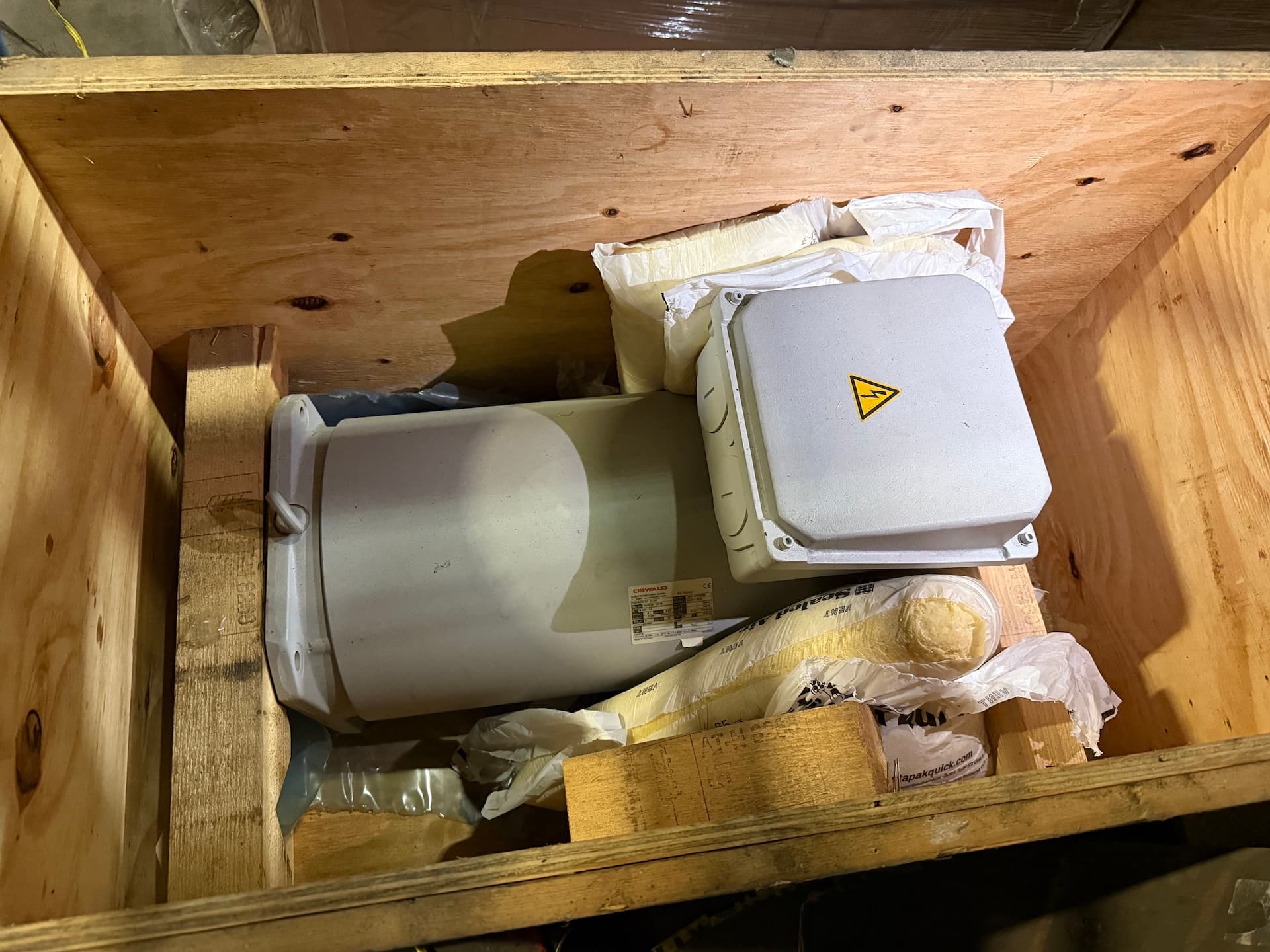
Lot 12
Oswald 75Kw AC Motor
Apopka, FL
Live auction · Tue, Oct 20, 10:00 AM CT
Looking for Something Specific?
Most of our inventory sells before we can list it online. If you need a specific brand, model, or specification, tell us what you need—we have access to unlisted equipment and machines coming in from plant closures.
Looking to Sell?
Meadoworks is an active cash buyer of used industrial equipment. Get a free valuation from our AMEA-certified appraisers.
About Used Motors & Drives
What you are buying is the iron or the drive that turns a machine, not the machine itself. An electric motor with the right horsepower and the wrong speed still turns that machine at the wrong rate. A nameplate that mentions a compressor, or a title that does, does not make the purchase a compressor. Horsepower, rpm, frame and enclosure still describe a motor that has to bolt onto something else. Delco and Reliance Electric are the names that repeat on these AC motors. A motor drive may sit in the same lot when the control is the item rather than only the frame. Copy the old plate before you compare two units that share a horsepower and nothing else.
Full-load speed and frame are the numbers a title skips. A motor near 1,800 rpm and one near 1,200 rpm are not interchangeable, even at the same horsepower. Baldor's 405T example at 100 horsepower and 1,785 rpm is a different machine from a 75 horsepower 405T at 1,185 rpm, and neither will drop into a 56 frame. The frame number sets the foot pattern, the shaft height and usually the shaft diameter the coupling sees. Enclosure is the environmental match. TEFC keeps the windings closed and cools them with an external fan. An open drip-proof motor lets room air through the windings and wants a cleaner space. A missing fan cover on a TEFC frame breaks that cooling path.
Voltage and phase have to match the starter. The 100 horsepower 405T example above is 230/460 volts, three phase, and a reconnectable motor will say so on the tag. Service factor is the continuous overload the plate allows. Baldor quotes NEMA: any service factor above 1.0 shortens life compared with running at nameplate horsepower. A factor of 1.0 means the horsepower is the ceiling. A factor of 1.15, printed on that same 405T plate, allows a modest extra load and is not a reason to buy a smaller frame. Foot, C-face, or both, has to match the bracket. A drive paired with the motor has to be rated for that voltage and for the full-load amps, not merely sitting nearby.
Buying a used electric motor means matching horsepower, rpm, frame, enclosure and voltage to the machine it replaces. A unit from a closure is often a spare that never left the shelf, or iron pulled off a machine. Meadoworks gathers these frames from plant closures, consignments and auctions. Buyers can spin the shaft and read the plate. Photos should make rpm and frame readable. A drive without a matching amp rating is still just a drive.
How to Choose Used Motors & Drives
How to Size a Replacement Motor
Copy the old nameplate before you shop. Horsepower, rpm, frame, voltage, phase and enclosure have to agree with the machine and the starter. A motor with the right horsepower and the wrong speed will turn the machine at the wrong rate. Frame size sets the foot bolt pattern and the shaft height. Shaft diameter sets the coupling. Service factor tells you whether the tag allows any extra load. A TEFC enclosure belongs in a dusty plant. An open motor does not. If a motor drive is part of the plan, it has to be rated for that horsepower and that voltage, and it does not forgive a mismatch the iron might have tolerated.
Frame, Enclosure and the Drive
The frame number is the mechanical match. The enclosure is the environmental match. TEFC means the fan and the cover are part of the cooling, so a missing cover is not cosmetic. Open drip-proof motors want a cleaner room. A motor drive, the variable-frequency control beside the motor, has to know the motor amps and the voltage. A drive that is larger than the motor can still be wrong if it is not programmed, and a drive that is smaller will trip. Delco and Reliance tags are the ones that repeat here. Read rpm and frame off the photo before you compare two motors that share a horsepower. That comparison fails otherwise.
Motors & Drives Specs to Compare
| Spec | Typical range | Why it matters |
|---|---|---|
| Horsepower and rpm | About 1,185–1,785 rpm | The same horsepower at 1,185 and 1,785 rpm is two different machines. |
| Frame | Frames 56–405T | Foot pattern, shaft height and shaft size follow the frame. A wrong frame will not bolt up. |
| Enclosure | TEFC keeps dust out of the windings. An open motor needs a cleaner location. | |
| Voltage and phase | Often 230 or 460 volts, three phase | The starter and the drive have to match. A reconnectable motor will say so on the tag. |
| Service factor | 1.0 or 1.15 on the plate | A service factor of one means the horsepower is the ceiling, not a suggestion. |
| Mounting | The bracket on the machine accepts one mounting. The other will not bolt on. |
Horsepower and rpm
Typical range: About 1,185–1,785 rpm
The same horsepower at 1,185 and 1,785 rpm is two different machines.
Frame
Typical range: Frames 56–405T
Foot pattern, shaft height and shaft size follow the frame. A wrong frame will not bolt up.
Enclosure
TEFC keeps dust out of the windings. An open motor needs a cleaner location.
Voltage and phase
Typical range: Often 230 or 460 volts, three phase
The starter and the drive have to match. A reconnectable motor will say so on the tag.
Service factor
Typical range: 1.0 or 1.15 on the plate
A service factor of one means the horsepower is the ceiling, not a suggestion.
Mounting
The bracket on the machine accepts one mounting. The other will not bolt on.
What to Inspect on Used Motors & Drives
Photograph the nameplate
You need horsepower, rpm, frame, volts, phase, enclosure and service factor, all readable.
Spin the shaft
It should turn smoothly. A growl or a rough spot is a bearing, not storage dust.
Check the fan cover
On a TEFC motor the cover and fan have to be there or the windings will run hot.
Match frame and shaft
Compare the frame number and shaft diameter with the coupling and the base.
Read voltage and leads
Confirm the leads match the starter. A damaged conduit box is a repair before install.
Note foot or face mount
The mounting has to match the bracket. A foot motor will not replace a face mount.
Pair the drive if present
A motor drive has to be rated for this motor's amps and voltage, not merely nearby.
Related Equipment
- Plant & Material Handling
The plant machines these motors usually serve
- Conveyors
Belts and rollers that need a matched drive
- Cranes & Hoists
Hoist motors are a different listing from a spare
More in Plant & Material Handling
Motors & Drives Brands We've Sold
Common Applications
Frequently Asked Questions
What should the nameplate on an electric motor tell me?
Horsepower, rpm, frame, voltage, phase, enclosure and service factor. Those are the match to the machine and the starter. Delco and Reliance tags are the ones that repeat. A motor with the right horsepower and the wrong rpm will run the machine at the wrong speed. Frame size sets whether it bolts up. Enclosure sets whether it survives the dust. A photo that crops the tag is missing the data that matters.
Why do rpm and frame matter more than horsepower alone?
Horsepower is the work the motor can do. Rpm is how fast it does it. A 1750 rpm motor and a 3450 rpm motor at the same horsepower are not substitutes. Frame size sets the shaft height, the feet and usually the shaft diameter, which is what the coupling sees. Two motors can share a horsepower and still refuse to bolt into the same hole. Copy the old plate. Do not shop by horsepower and hope the rest is close.
What is the difference between TEFC and an open motor?
TEFC, totally enclosed fan cooled, keeps the windings inside a closed frame and cools them with an external fan. It belongs in a dusty plant. An open motor lets room air through the windings and wants a cleaner space. A missing fan cover on a TEFC motor breaks that cooling path. The enclosure is printed on the tag. Buying the open motor because the horsepower matches, then setting it next to a grinder, is how windings fail early.
How do I match a motor drive to the motor?
The drive has to be rated for the motor voltage and for the full-load amps on the tag, at the horsepower you will run. A larger drive can sometimes run a smaller motor if it is set up for that motor. A smaller drive will trip. Rpm still has to be the speed the machine wants, because the drive does not change the motor's base speed by itself unless you plan that. Read both nameplates. A drive sitting in the same lot is not automatically the mate.
What should I inspect on a used electric motor?
The tag, the shaft, the fan cover, the feet or the face, and the lead box. Spin the shaft by hand. Rough bearings are the usual wear. A cracked foot or a wallowed shaft will not couple cleanly. Confirm voltage. If a motor drive is included, read its rating against the motor amps. Photos should make the nameplate readable. A freshly painted motor with an unreadable tag is harder to buy than a dirty motor with a clear plate.
Does service factor let me overload an electric motor?
Only by the amount the tag states. A service factor of 1.15 allows a modest extra load. A service factor of one means the horsepower is the limit. It is not a license to pick a smaller frame and hope. Heat, voltage and how long you sit in that overload all matter. Match the real load to the horsepower first, and treat service factor as margin, not as the plan. The enclosure still has to survive the room.
