Used Automation Equipment for Sale
Recently sold
 SOLD
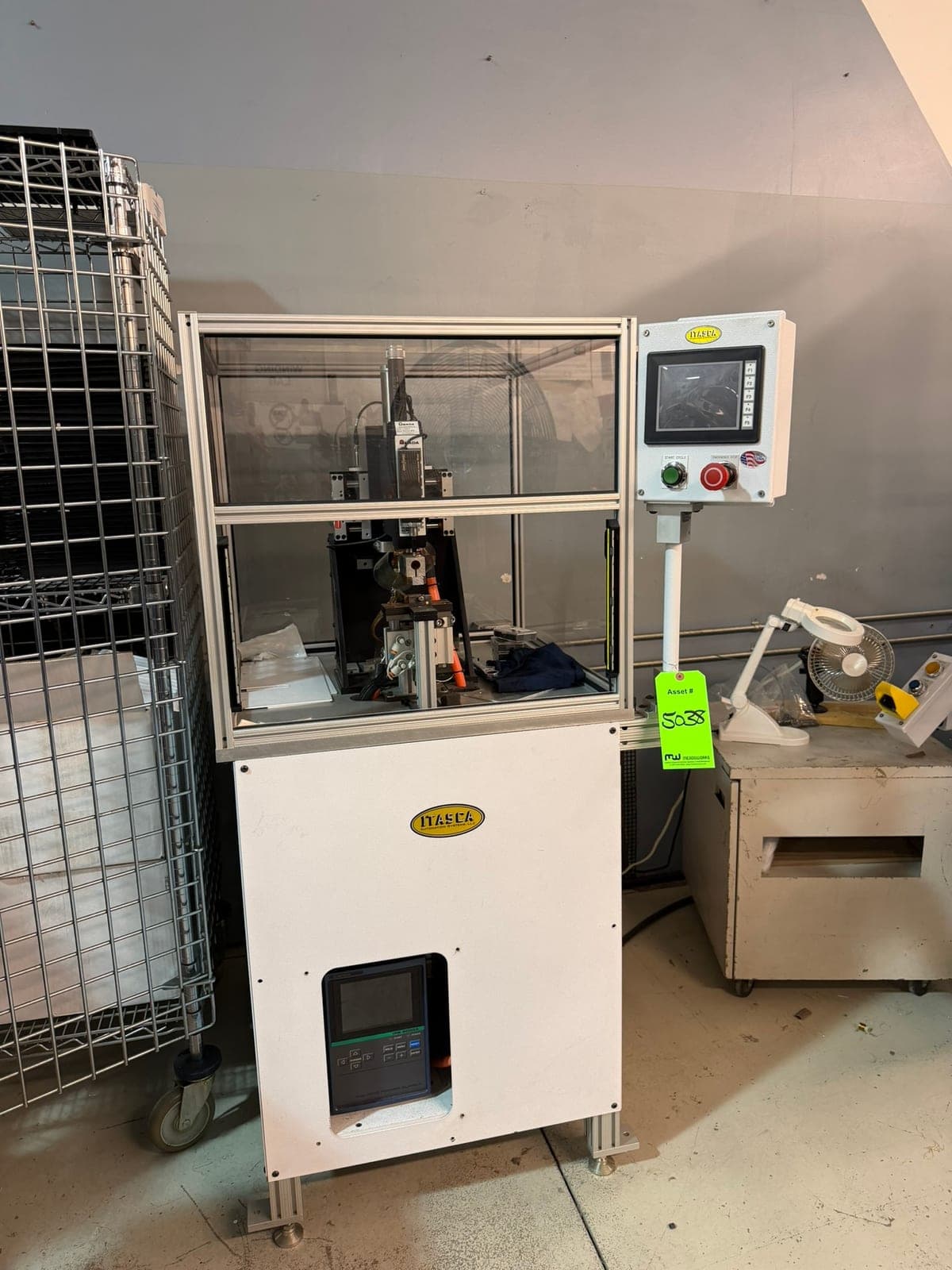
Item #6655
Itasca Automation Systems Automated Resistance Welding Workstation
USA
 SOLD
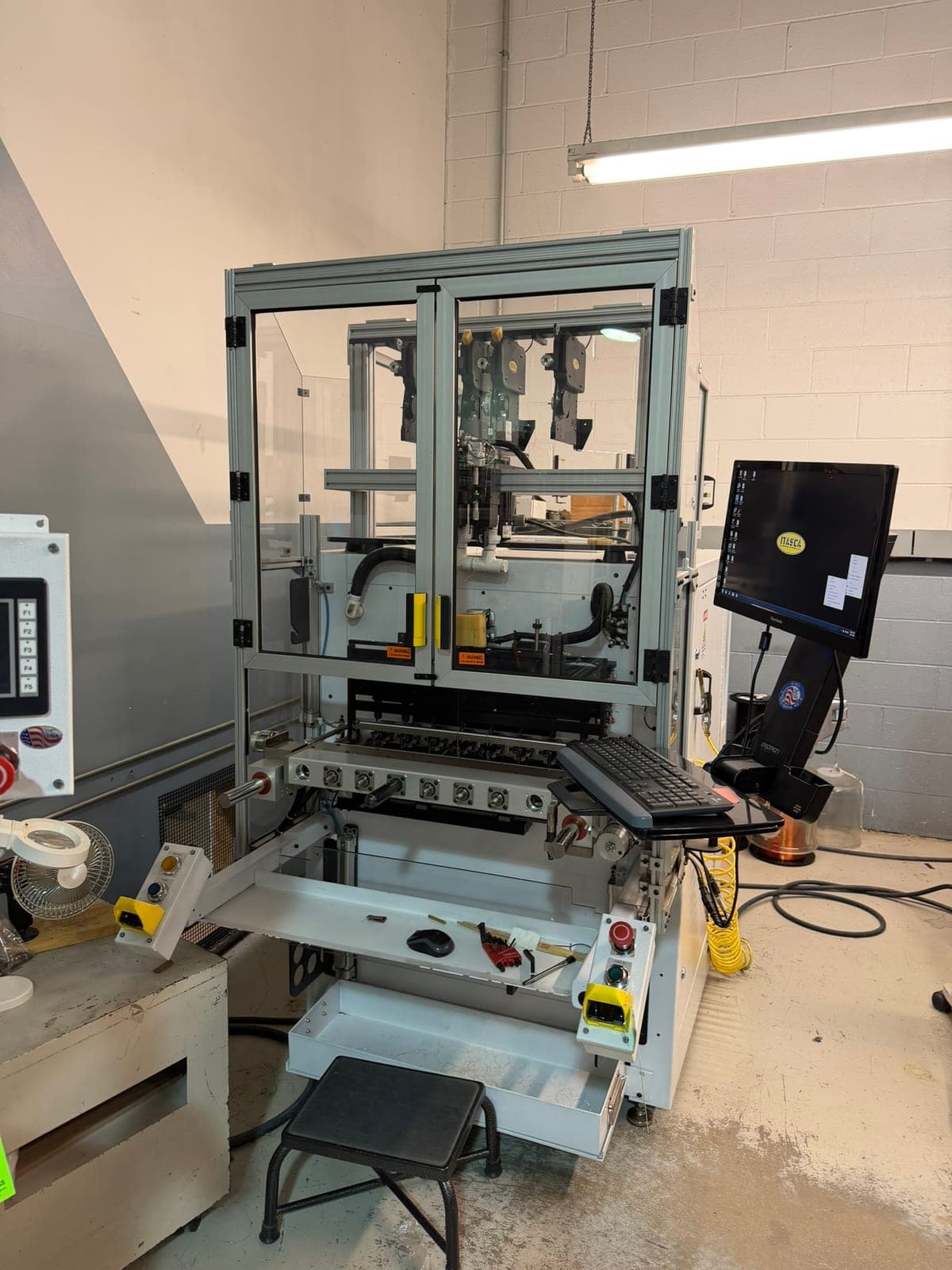
Item #6656
Itasca Automation Systems 8-Station Automatic Coil Winding Machine
USA
 SOLD
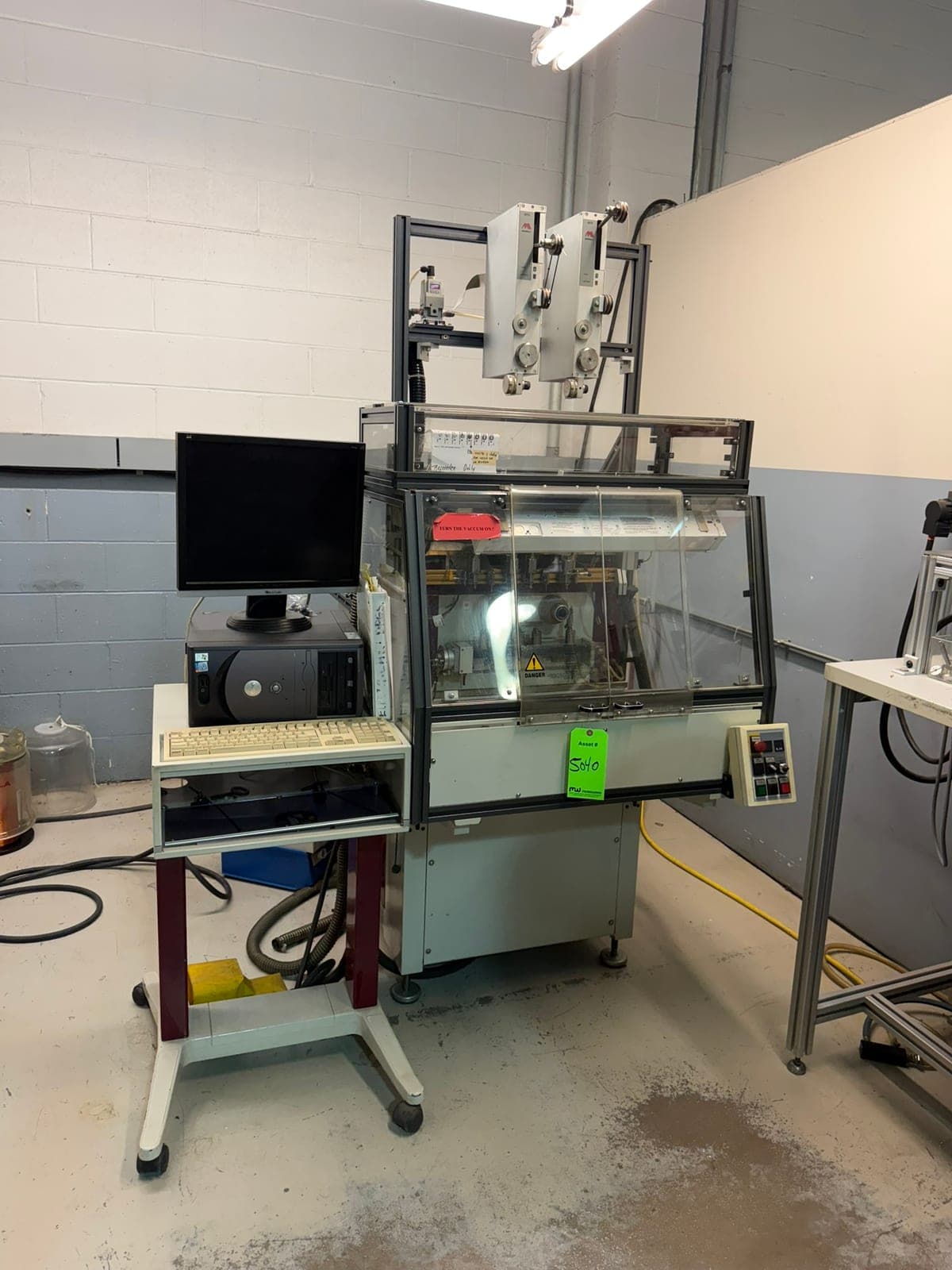
Item #6657
Marsilli Automatic Coil Winding Machine
USA
 SOLD
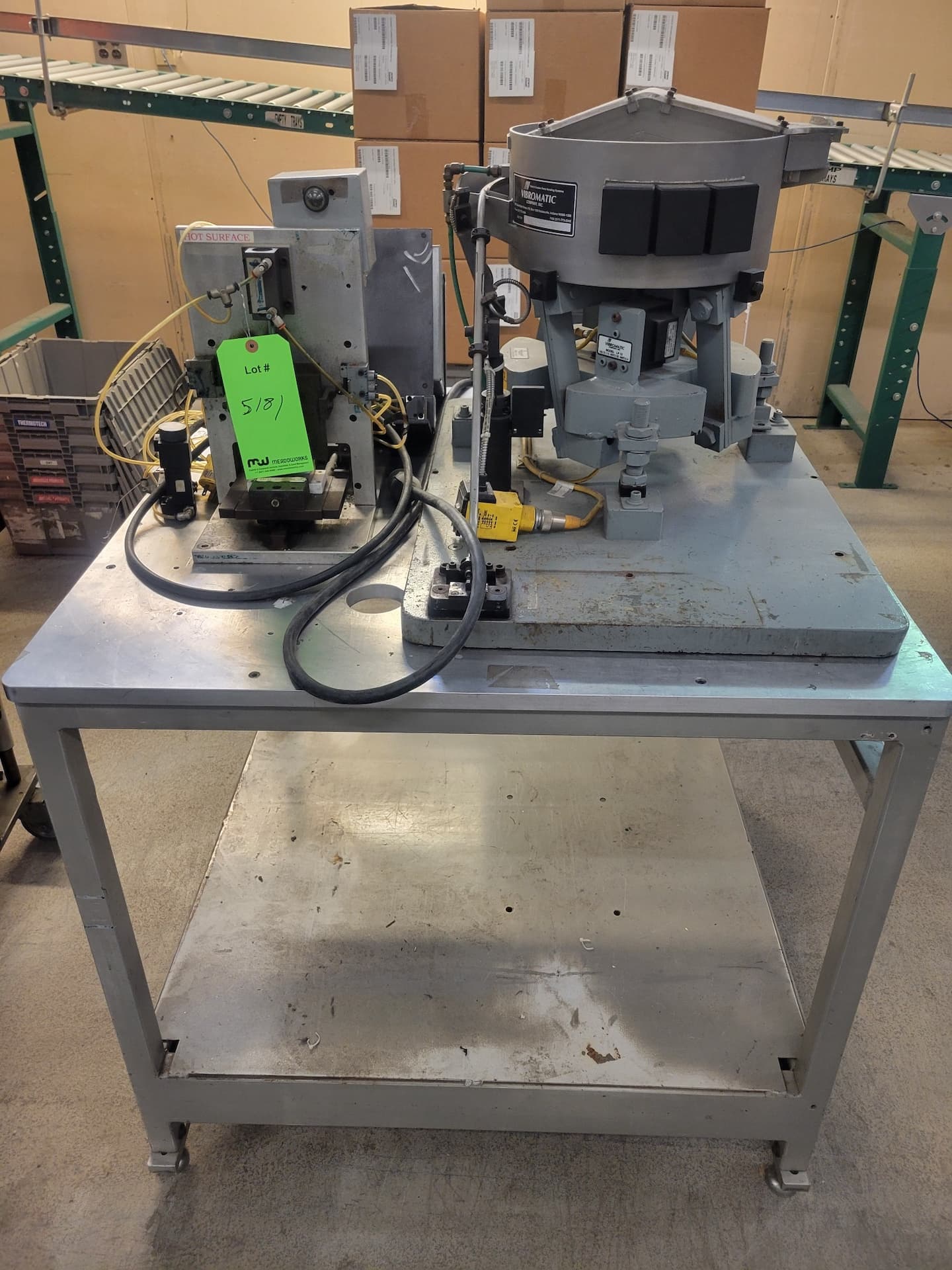
Item #6889
Vibromatic Vibratory Bowl Feeder w/Pneumatic Heat Stake Station on Steel Table
USA
 SOLD
Item #6092
2017 Universal Robots UR10 6-Axis Robot
USA
 SOLD
Item #6094
2017 Universal Robots UR10 6-Axis Robot
USA
 SOLD
Item #5991
Chamber Coater
USA
 SOLD
Item #5983
Blood Tube Module
USA
 SOLD
Item #5984
Blood Tube Coater
USA
Automation Equipment by the numbers
From our own catalog: machines listed now and machines we have sold. Updated every few minutes.
By brand
| Brand | In stock now | Sold by Meadoworks | Model years |
|---|---|---|---|
| California Vibratory Feeders | 1 | 0 | — |
| Tolomatic | 1 | 0 | — |
| Wandres | 1 | 0 | — |
Looking for Something Specific?
Most of our inventory sells before we can list it online. If you need a specific brand, model, or specification, tell us what you need—we have access to unlisted equipment and machines coming in from plant closures.
Looking to Sell?
Meadoworks is an active cash buyer of used industrial equipment. Get a free valuation from our AMEA-certified appraisers.
About Used Automation Equipment
Automation equipment covers the machines that do repeated assembly and handling steps without an operator doing them by hand. In the plants we buy from, that means vibratory bowl feeders that orient and feed small parts, coil winding machines, resistance welding workstations, collaborative robots, film cleaning systems and the guarding and actuators that hold a cell together.
Most of it is built for a specific part. A vibratory bowl feeder is tooled to orient one part or one family of parts, and the tooling on the bowl and the outfeed track is what makes it work. A coil winder is set up for a wire size and a coil form. A resistance welding station pairs a weld head and a power supply with fixtures for one joint. That is why the first question on any used piece is how close its tooling is to your part.
Standard machines are the exception. A Universal Robots UR10 six-axis collaborative robot can be reprogrammed for a new task, and a weld power supply, a feeder drive or a pneumatic actuator can be reused even when the fixtures cannot. When buying used automation equipment, separate what is general purpose from what is custom, and price them differently.
The automation we have handled includes California Vibratory Feeders and Vibromatic bowl feeders, the second with a pneumatic heat stake station, Itasca Automation Systems eight-station coil winding and resistance welding workstations with Amada Miyachi weld heads, a Marsilli MARS 2-150 coil winder, a Wandres DC 800 film cleaning system, Universal Robots UR10 robots and a safety cage with a Tolomatic actuator.
Meadoworks sells this equipment from medical, electrical and plastics assembly plants that closed or moved a product line. A cell often comes with its controls, guarding and spare tooling, and sometimes its documentation and programs. Ask for those first, because a cell without its program or drawings is a project. We can show a cell running before it is taken apart when it is still powered, and pack the tooling, spare parts and manuals with the machine so nothing is left behind at the old plant.
How to Choose Used Automation Equipment
General Purpose or Built for One Part
Robots, weld power supplies, feeder drives, actuators and controls can move to a new job. Bowl tooling, nests, fixtures and coil forms usually cannot, unless your part is the same or very close.
If the tooling matches your part, a used cell can be the fastest way to start. If it does not, value the general-purpose pieces on their own and plan new tooling from an integrator.
By Class: Used Price Ranges
Vibratory bowl feeders with track: about $1,000–$8,000 depending on bowl size and tooling.
Collaborative robots: about $10,000–$30,000 for a used six-axis cobot with its controller.
Coil winders and resistance welding workstations: about $5,000–$50,000 by stations and controls.
What moves the price: how close the tooling is to a running part, controls and software, documentation and programs, and age. These are typical used-market ranges, not a quote on any one machine. For a current price, request a quote or call 800-323-0307.
Automation Equipment Specs to Compare
| Spec | Typical range | Why it matters |
|---|---|---|
| Voltage | About 110–480V on the equipment we have handled | Bowl feeders run on 110V; larger cells on 400–480V. |
| Stations | Up to 8 stations on our coil winders | More stations mean more parts per cycle. |
| Feeder speed and lining | Bowl speed and a poly or urethane lining protect the parts. | |
| Controls and HMI | A PLC and touchscreen you can support and program. | |
| Robot reach and payload | A UR10 reaches about 1,300 mm with a 10 kg payload. | |
| Tooling and fixtures | Decides whether the cell fits your part as it stands. |
Voltage
Typical range: About 110–480V on the equipment we have handled
Bowl feeders run on 110V; larger cells on 400–480V.
Stations
Typical range: Up to 8 stations on our coil winders
More stations mean more parts per cycle.
Feeder speed and lining
Bowl speed and a poly or urethane lining protect the parts.
Controls and HMI
A PLC and touchscreen you can support and program.
Robot reach and payload
A UR10 reaches about 1,300 mm with a 10 kg payload.
Tooling and fixtures
Decides whether the cell fits your part as it stands.
What to Inspect on Used Automation Equipment
See it run
Watch a full cycle if the cell is still powered.
Ask for programs and drawings
PLC and robot programs, electrical drawings and manuals.
Check the tooling
Bowl tooling, nests and fixtures against your part.
Inspect the guarding
Light curtains, interlocks and doors should be intact.
Check the weld head and power supply
Electrodes, cables and the supply's fault history.
Confirm the controls are supported
Parts and software for the PLC, HMI and drives.
Related Equipment
- Robots & Sprue Pickers
Robots for injection molding machines
- Plastics Assembly & Welding
Ultrasonic welders, heat stakers and dispensers
- Conveyors
Moving parts between stations
- Tooling & Workholding
Fixtures and vises
Automation Equipment Brands We've Sold
Itasca Automation Systems
Coil winding and resistance welding stations
Universal Robots
UR10 collaborative robots
California Vibratory Feeders
Vibratory bowl feeders
Vibromatic
Bowl feeders with heat stake stations
Marsilli
Automatic coil winders
Wandres
Film cleaning systems
Tolomatic
Actuators
Common Applications
Frequently Asked Questions
Can used automation equipment be retooled for a new part?
Often, but price it as a project. The general-purpose parts of a cell, such as the robot, the weld power supply, the feeder drive, actuators and the PLC, can be reused. The custom parts, such as bowl tooling, nests, fixtures and coil forms, are made for one part and usually have to be rebuilt. An integrator can quote new tooling once you know the base machine is sound and its controls are supported.
What should I check on a used vibratory bowl feeder?
Run it and watch the parts move up the track in the right orientation and at a steady rate. Check the bowl lining for wear, the springs and the drive for noise, and the controller for a smooth speed range. Look at the tooling and the outfeed track against your part. A feeder tooled for a different part needs new tooling, which is often the biggest cost of putting it to work.
Is a used collaborative robot a good buy?
It can be. A cobot like the Universal Robots UR10 can be reprogrammed for machine tending, packing or assembly, so it does not depend on the job it came from. Check the joint hours or service history if it is available, test every joint through its range, and make sure the controller, teach pendant and cables come with it. Confirm the software version is supported and that you can get the safety settings from the seller.
Why do programs and drawings matter on used automation equipment?
Because a cell without them is hard to restart. The PLC and robot programs hold the sequence, the timing and the safety logic, and the electrical drawings show how everything is wired. Without them, an integrator has to work out the cell from scratch before it runs again. Ask for the programs on a backup, the drawings and the manuals before the cell is taken apart, and keep them with the machine.
What comes with a used coil winding machine?
Usually the winder, its controls and the wire tensioners, and sometimes the coil forms, spare tooling and the PC or HMI that runs it. Multi-station machines, such as eight-station winders, wind several coils at once. Ask which wire sizes and coil forms it was set up for, whether the tensioners and guides come with it, and whether the winding programs are included. Then check the spindles and the guarding.
