Used Belt Conveyors for Sale
7 results
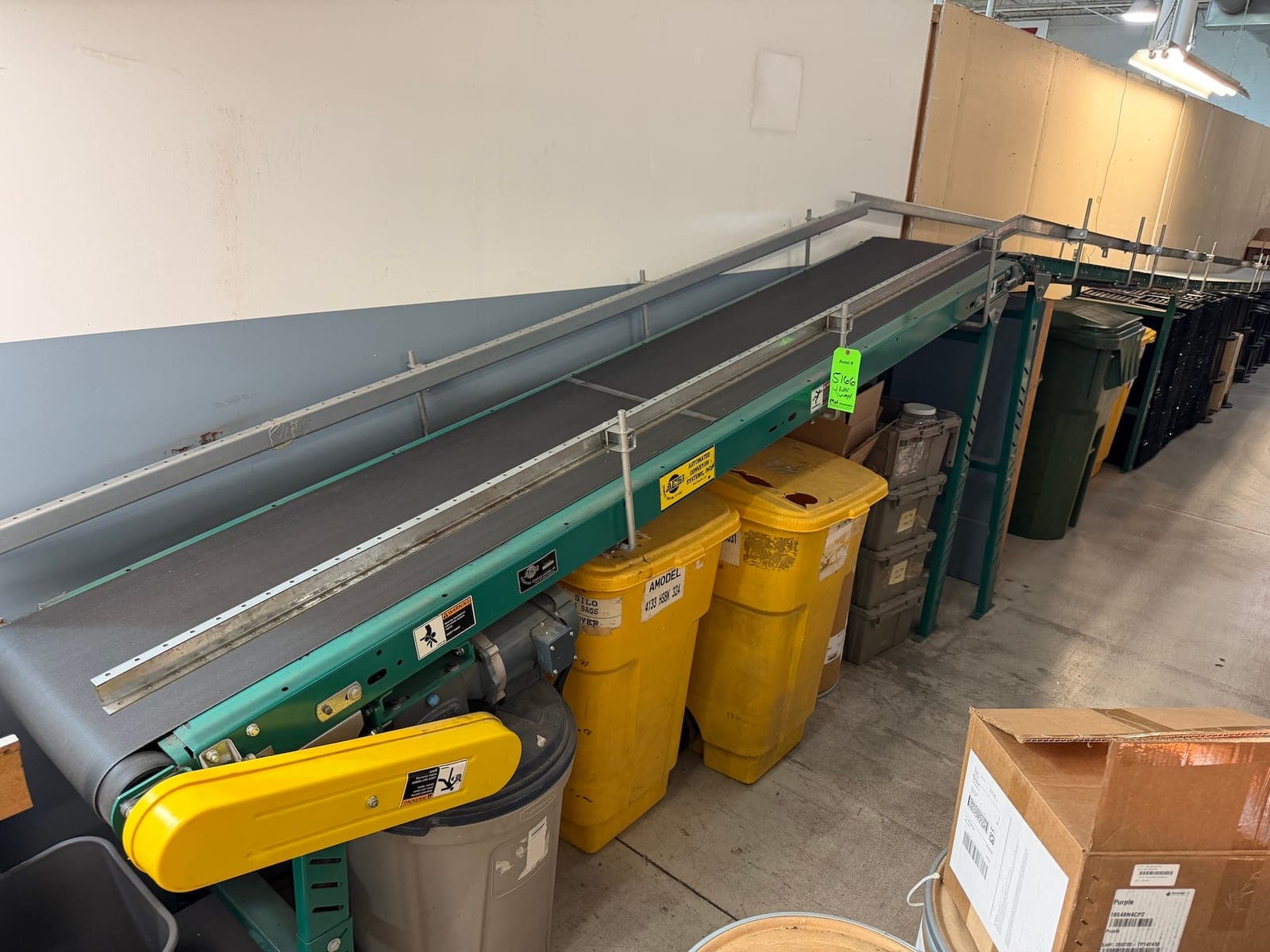
Lot 142
ACSI Powered Belt Conveyor w/Gravity Roller Conveyor Line
Naperville, IL
Live auction · Tue, Oct 27, 10:00 AM CT
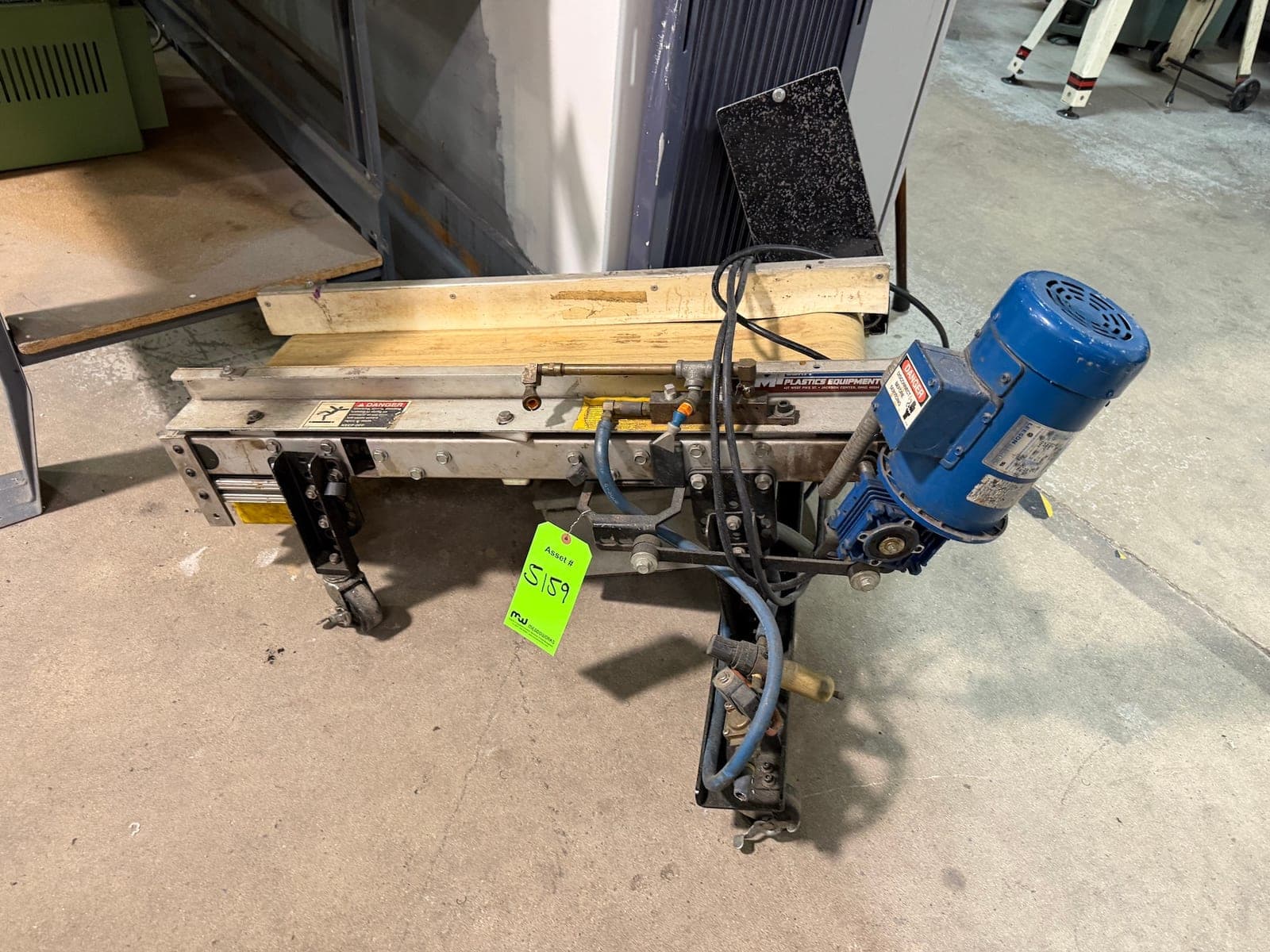
Lot 141
EMI Portable Belt Conveyor
Naperville, IL
Live auction · Tue, Oct 27, 10:00 AM CT
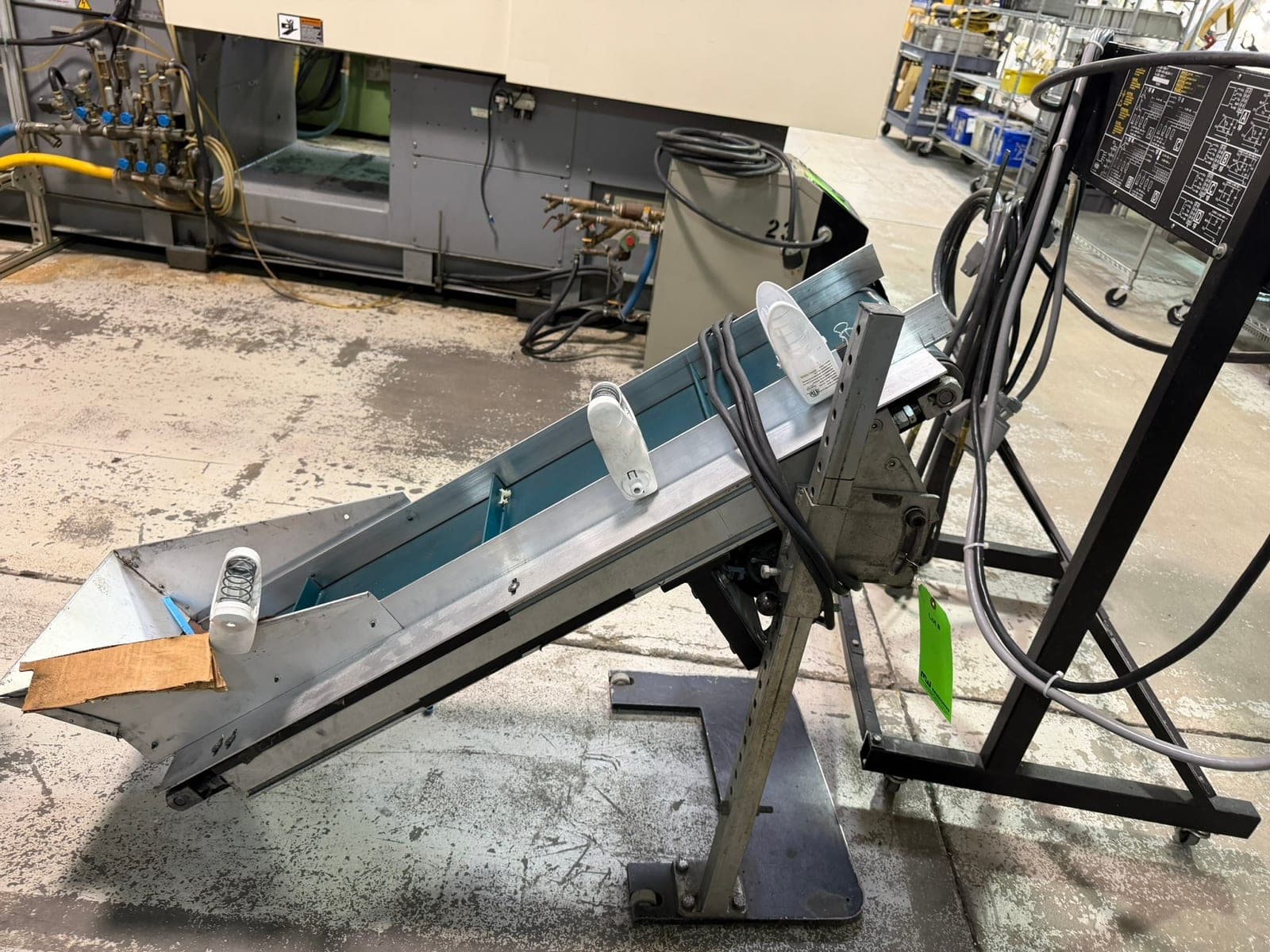
Lot 139
Crizaf Incline Cleated Belt Conveyor
Naperville, IL
Live auction · Tue, Oct 27, 10:00 AM CT
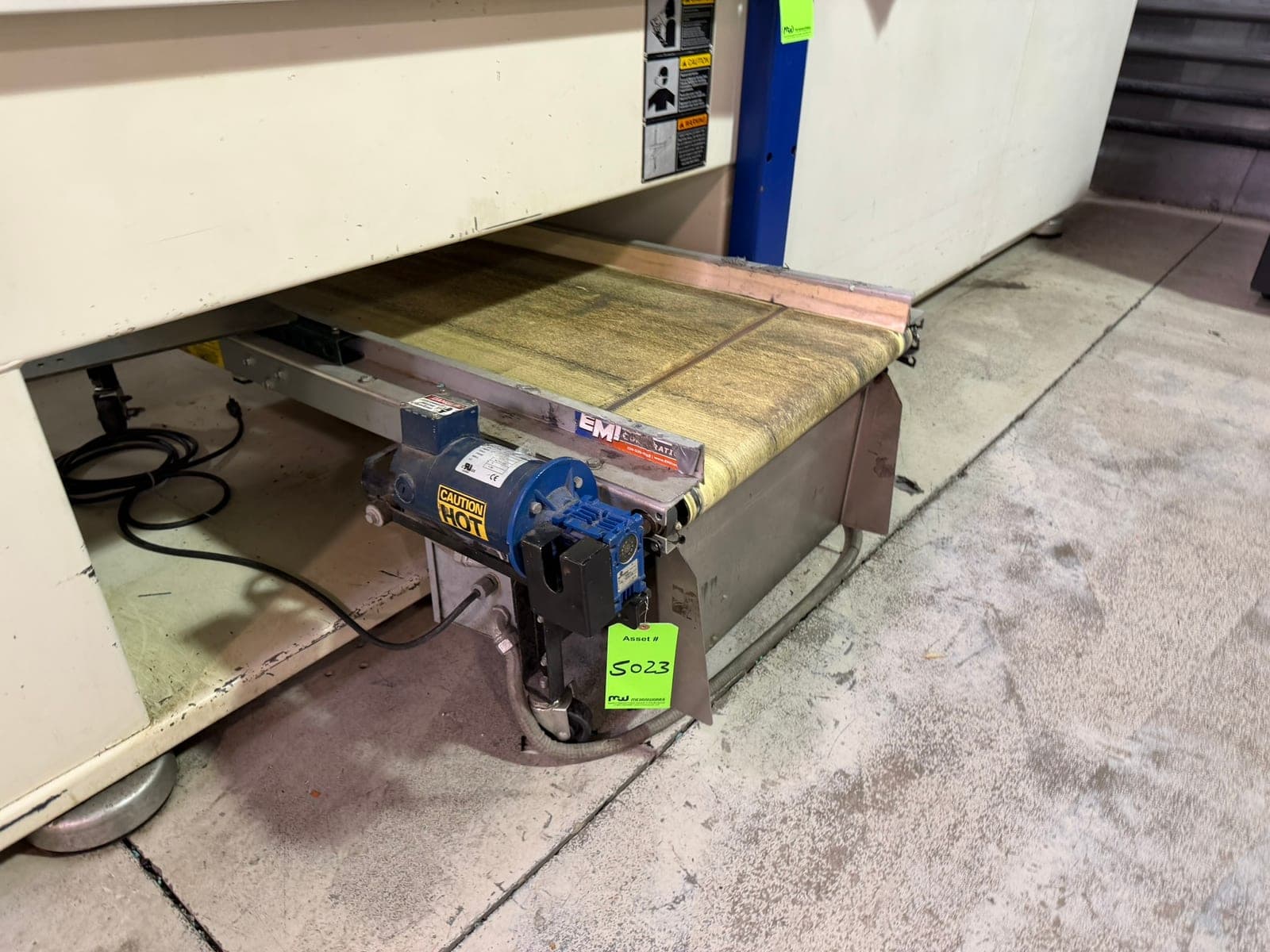
Lot 138
EMI Under-Press Belt Conveyor
Naperville, IL
Live auction · Tue, Oct 27, 10:00 AM CT
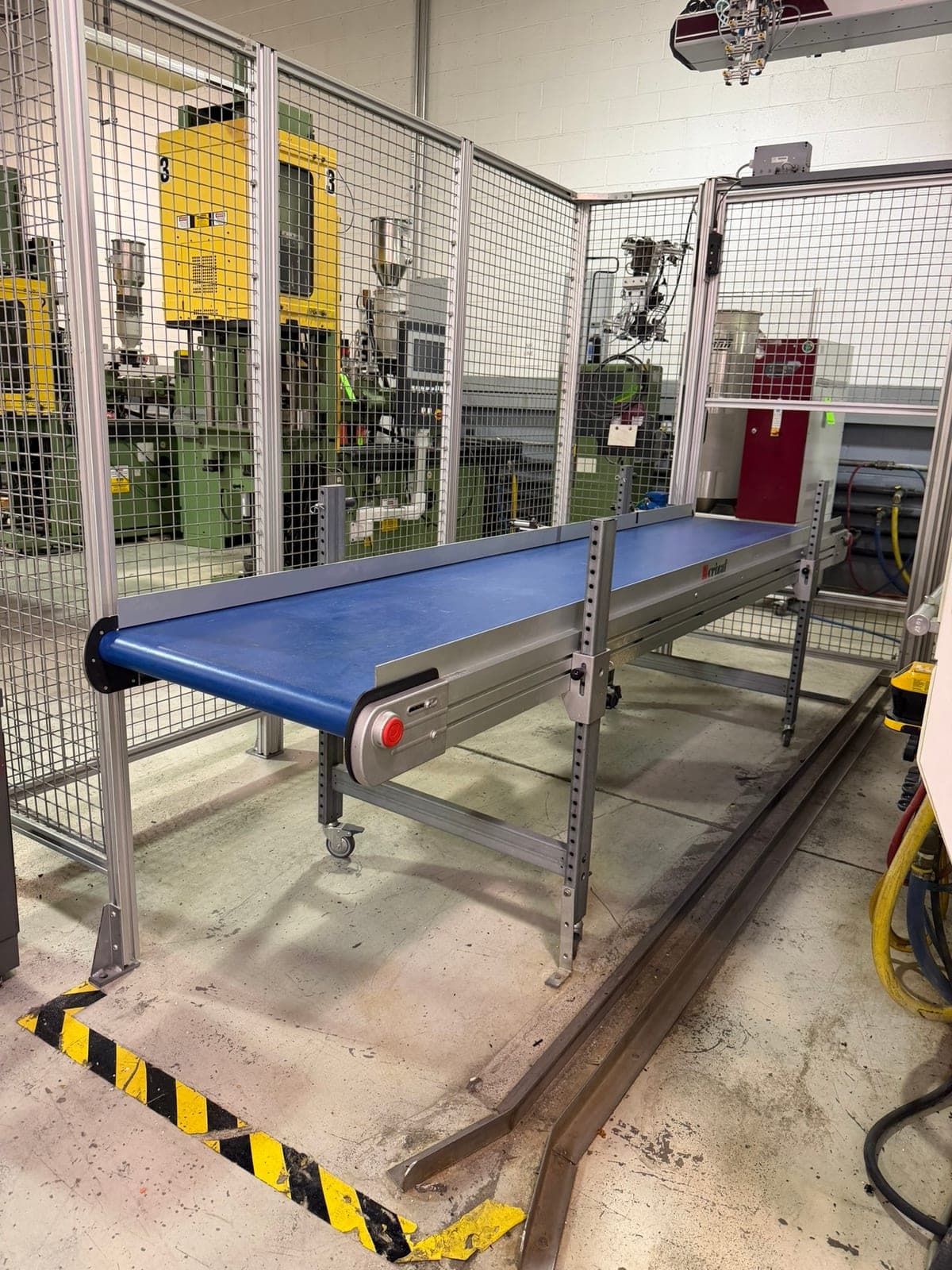
Lot 137
Crizaf Belt Conveyor
Naperville, IL
Live auction · Tue, Oct 27, 10:00 AM CT
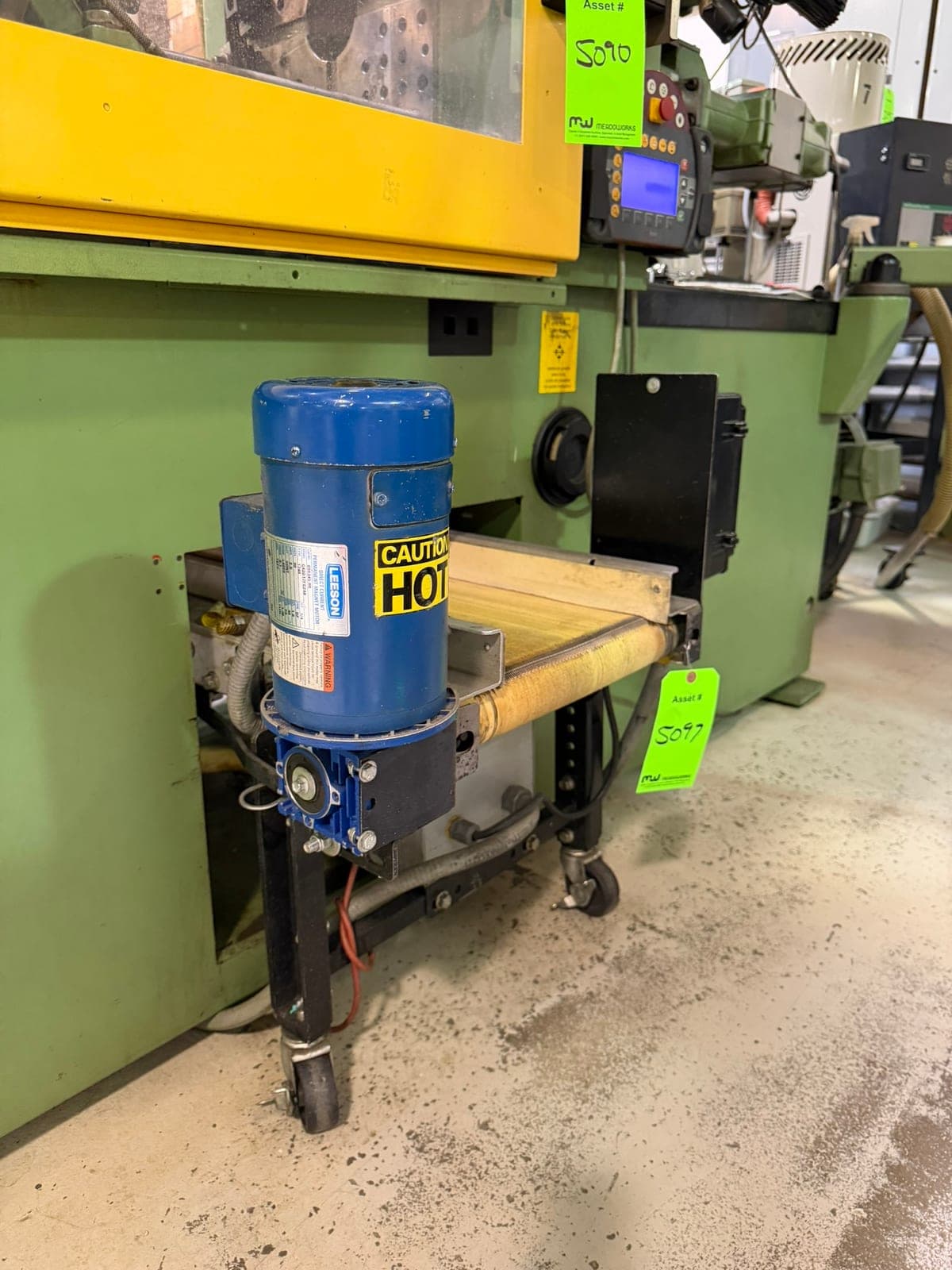
Lot 136
EMI Portable Belt Conveyor
Naperville, IL
Live auction · Tue, Oct 27, 10:00 AM CT
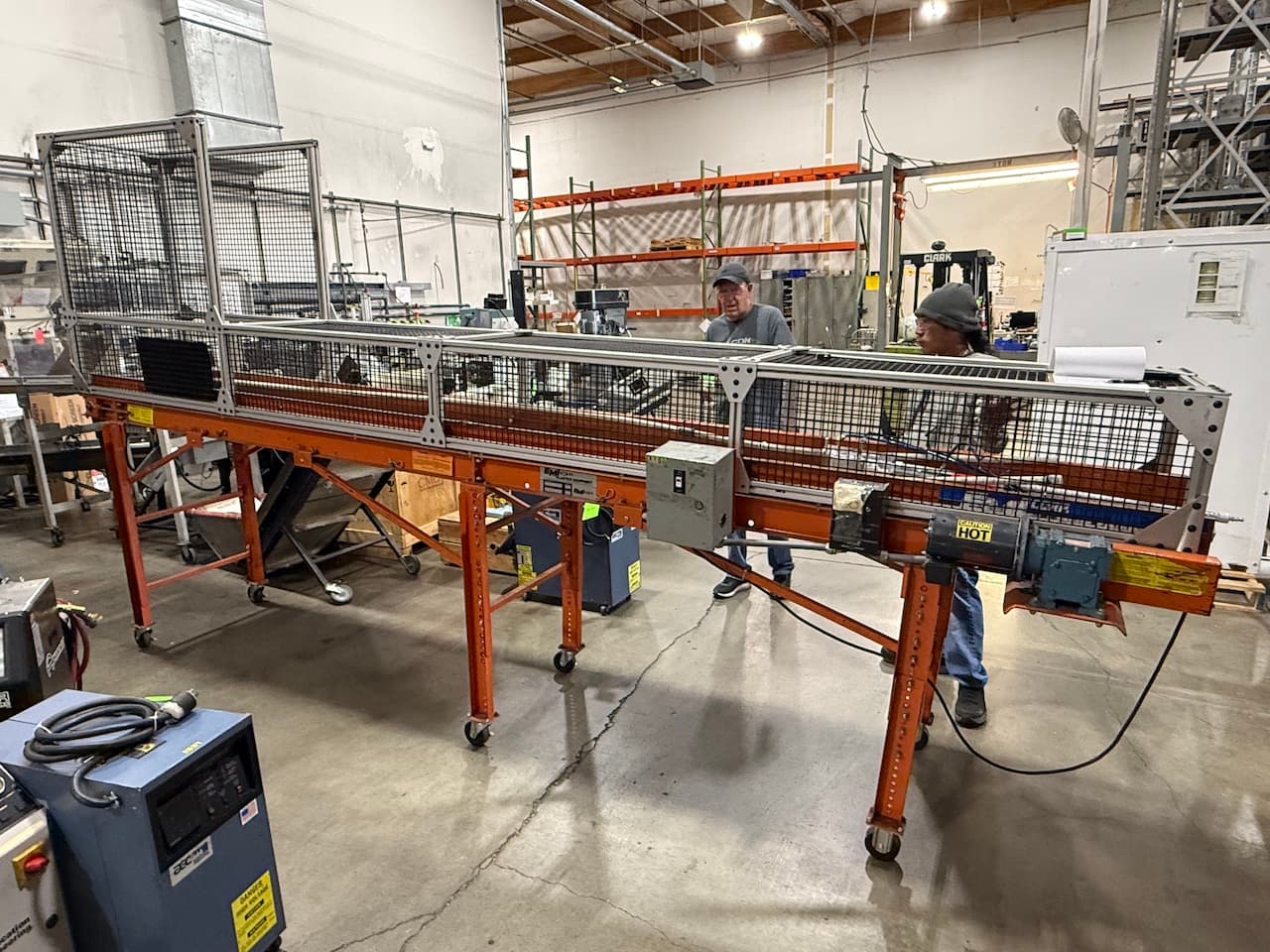
EMI Belt Conveyor w/Guarding
USA
Looking for Something Specific?
Most of our inventory sells before we can list it online. If you need a specific brand, model, or specification, tell us what you need—we have access to unlisted equipment and machines coming in from plant closures.
Looking to Sell?
Meadoworks is an active cash buyer of used industrial equipment. Get a free valuation from our AMEA-certified appraisers.
About Used Belt Conveyors
Sprues, runners and small moldings leave a press in a messy drop. A short portable frame with a slider bed catches that drop and carries it to a gaylord or a granulator throat. A belt conveyor in this role is a press-side parts machine, the pattern EMI, Plastic Process Equipment, MAC, Crizaf and Vevor built for a molding cell. It is not a warehouse pallet line. Casters matter because the stand has to roll clear for a mold change. Side rails and a small hopper keep pieces on the belt instead of on the floor.
The belt rides a steel pan, so small pieces do not fall through the way they can between rollers. Measure belt width, not only the overall frame. EMI's Signature Line flat belt conveyor runs in widths from 6 inches through 84 inches, on lengths from 3 to 50 feet, with a variable-speed drive of about 4 to 40 feet per minute and a load around 150 pounds. Legs on that line adjust up to a 34 inch belt height. A fixed slow speed can empty a slow press. A fast cycle wants the drive turned down so the drop clears before the next shot without throwing parts off the end. A flat cover without cleats will not hold parts once the angle gets steep. When the parts have to rise into a grinder, that climb belongs on a cleated frame, and this one stays on the level run.
Belt compound is the detail a title often skips. PVC, urethane and a rough-top cover wear at different rates, and a glazed surface stops pulling parts that a fresh cover still grips. A slider bed gives the product a stable ride and barely affects tracking, provided the pan is level and clean. Dirt between the pan and the belt raises friction and can walk the belt off. Tracking screws and the take-up decide whether the belt stays centered after a year of sprues. An end drive is simple to reach and adds length past the pulley. A center drive tucks underneath and can collide with a safety gate or a chute. Voltage is often 110 volts on a small shop frame, with three-phase available where the cell is already wired that way. Horsepower on these frames is commonly a third of a horsepower. That is enough for parts.
Buying a used belt conveyor means confirming the belt still tracks, the lacing is intact and the motor matches plant voltage. A frame that left with the press it served is useful context for width and speed. Meadoworks releases press-side frames from plant closures, consignments and auctions. Buyers can look at the belt surface, the drive and the nameplate, and the frame is light enough to leave with the press. Ask which cell it ran beside when that is still known.
How to Choose a Used Belt Conveyor
How to Size a Press-Side Belt
Start from the part and the press, not from a warehouse layout. Width has to clear the widest runner or part with room for guides. Length has to reach the gaylord, the granulator or the next belt. A short portable frame under the press is the usual fit, and a long distribution line is a different purchase. Speed has to clear the drop before the next shot, which is why a variable-speed drive is worth more than a fixed gearmotor on a fast cycle. Height has to meet the discharge. Voltage has to match the cell, often 115 volts for a small belt and 230 or 460 volts where the plant is three phase. Horsepower stays low because the load is parts, not pallets. Write down belt width, length, speed and volts before you compare two frames. A parts conveyor that is too narrow spills runners on the floor.
Slider Bed, Flat Belt and Drive End
A slider bed carries the belt on a steel pan. It is quieter and better for small parts that could fall between rollers. A roller bed carries the belt on rollers and is the usual choice when the run is longer and the load is cartons. Press-side parts belts are almost always slider beds. Also check side rails, a hopper at the infeed, and whether the drive is at the end or the center. Center drives steal length under a gate. End drives are simpler to service. A flat belt conveyor without cleats will not climb. If the parts have to rise into a grinder, that is a cleated incline. Confirm the belt compound in the photos, because a glazed belt will not pull parts that a fresh rough-top still grips.
Belt Conveyor Specs to Compare
| Spec | Typical range | Why it matters |
|---|---|---|
| Belt width | 6–84 in | Must clear the part or runner with room for guides. Overall frame width is wider than the belt. |
| Length | 3–50 ft | Has to reach the gaylord, granulator or next belt without a second frame. |
| Belt speed | About 4–40 ft/min | Must clear the press drop before the next shot. A fixed speed can be too fast or too slow. |
| Bed style | A pan supports small parts. A roller bed is the warehouse pattern and is less common here. | |
| Drive and voltage | 1/3 hp, often 110 volts | End or center drive changes the fit under a gate. Volts and phase have to match the cell. |
| Adjustable height | Up to about 34 in | The discharge has to meet the press or the granulator throat without a custom fab stand. |
Belt width
Typical range: 6–84 in
Must clear the part or runner with room for guides. Overall frame width is wider than the belt.
Length
Typical range: 3–50 ft
Has to reach the gaylord, granulator or next belt without a second frame.
Belt speed
Typical range: About 4–40 ft/min
Must clear the press drop before the next shot. A fixed speed can be too fast or too slow.
Bed style
A pan supports small parts. A roller bed is the warehouse pattern and is less common here.
Drive and voltage
Typical range: 1/3 hp, often 110 volts
End or center drive changes the fit under a gate. Volts and phase have to match the cell.
Adjustable height
Typical range: Up to about 34 in
The discharge has to meet the press or the granulator throat without a custom fab stand.
What to Inspect on a Used Belt Conveyor
Run the belt and watch tracking
A belt that walks off the pan will spill parts. Look at the take-up and the tracking adjustment while it runs.
Measure belt width and length
Write both numbers, plus the overall frame width. The belt is narrower than the frame.
Read voltage and phase
A 115 volt gearmotor will not land on a 460 volt bus. Confirm the plug or the motor lead tags.
Inspect the belt surface
Cuts, glaze and missing lacing mean the belt is due. The compound should still grip the parts you run.
Check rails and the hopper
Bent rails and a missing infeed hopper let sprues fall off before they reach the gaylord.
Note end or center drive
A center drive needs clearance under the frame. An end drive needs room past the pulley.
Test variable speed if fitted
Turn the drive through its range. A dead potentiometer or a drive that only runs full speed is a repair.
Related Equipment
- Conveyors
Belt, roller and incline frames together
- Incline Conveyors
Cleated belts when parts have to climb
- Roller Conveyors
Gravity and powered rollers for cartons
More in Plant & Material Handling
Belt Conveyors Brands We've Sold
Common Applications
Frequently Asked Questions
What is a belt conveyor doing beside an injection press?
A belt conveyor beside a press catches sprues, runners and small parts and moves them to a gaylord or a granulator. The frames are short and portable, the kind EMI, Plastic Process Equipment, MAC, Crizaf and Vevor built for a molding cell. Width, length and speed matter more than a warehouse layout. Side rails and a small hopper are common. This is not a pallet line. If the parts have to climb, use a cleated incline instead of forcing a flat frame to do that job.
How do I size a belt for sprues and small parts?
Measure the widest part, then add room for guides. Length has to reach the box or the granulator without a second frame. Speed has to clear the drop before the next shot, so a variable-speed drive is more useful than a single fixed ratio on a fast cycle. Match the discharge height to the press. Match voltage to the cell. Horsepower stays small because the load is parts. Write belt width, length, speed and volts down before you compare two listings.
Is a slider bed the right bed for a parts belt?
For sprues and small moldings, yes. A slider bed carries the belt on a pan, so small pieces do not fall through. A roller bed carries the belt on rollers and suits longer carton runs. Most press-side frames are slider beds. Also look at whether the drive sits at the end or the center, because a center drive needs space under the frame. Cleats belong on a climb. A flat belt will not hold parts on a steep rise.
What should I inspect on a portable parts belt?
Run it. The belt should stay centered, the motor should be quiet, and the speed control should actually change speed. Read the nameplate for volts and horsepower. Look for cuts, glaze and bad lacing on the belt. Check rails, the hopper and the casters. A belt that tracks and a motor that matches the cell are the two facts that decide whether it can go back under a press. Photos of the belt surface and the drive are worth more than a clean frame.
How is a press-side belt different from a warehouse line?
A press-side belt is short, portable and sized for parts, not pallets. Belt width is often well under two feet, horsepower is fractional, and the stand is meant to roll. A warehouse line is long, fixed and built around carton or pallet weight. Buying the long line for a molding cell wastes space and still may not fit under the press. The parts frame is the one that belongs beside the press. Use roller conveyors when the move is cartons on rollers.
Which drive details matter on a short parts belt?
Voltage, phase, horsepower and where the drive sits. A 115 volt motor is a small-shop belt. A 230 or 460 volt motor belongs on a three-phase cell. End drives are easy to reach and add length. Center drives tuck under the belt and can collide with a gate or a chute. A variable-frequency drive lets you match the cycle. If the control is missing, budget a replacement before you count the frame as ready.
