Used Hoists for Sale
4 results
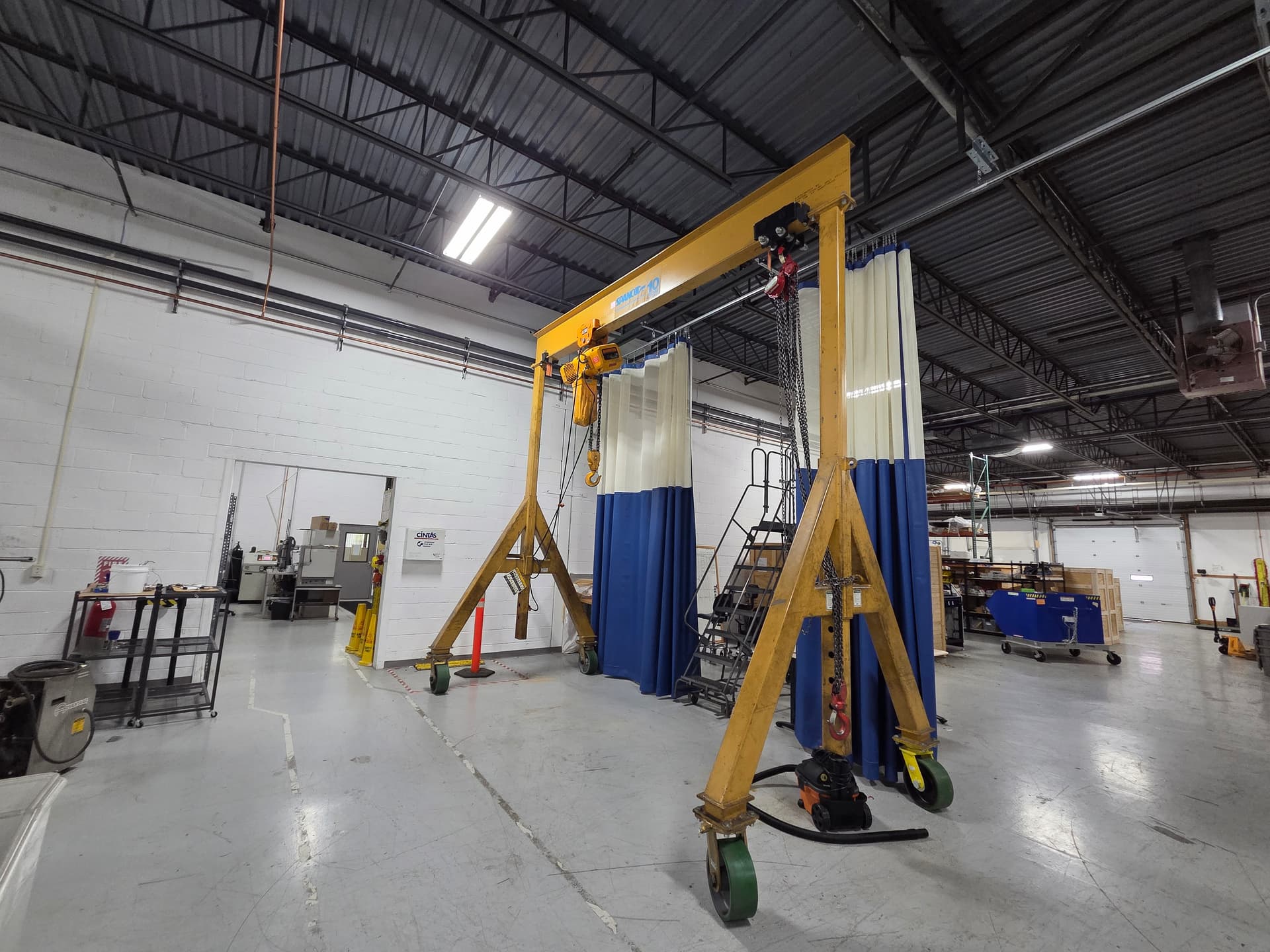
Lot 12
Spanco 10 Ton Portable A-Frame Gantry Crane w/(2) 5 Ton Hoists
Wilmington, MA
Ends Tue, Oct 13, 10:00 AM CT
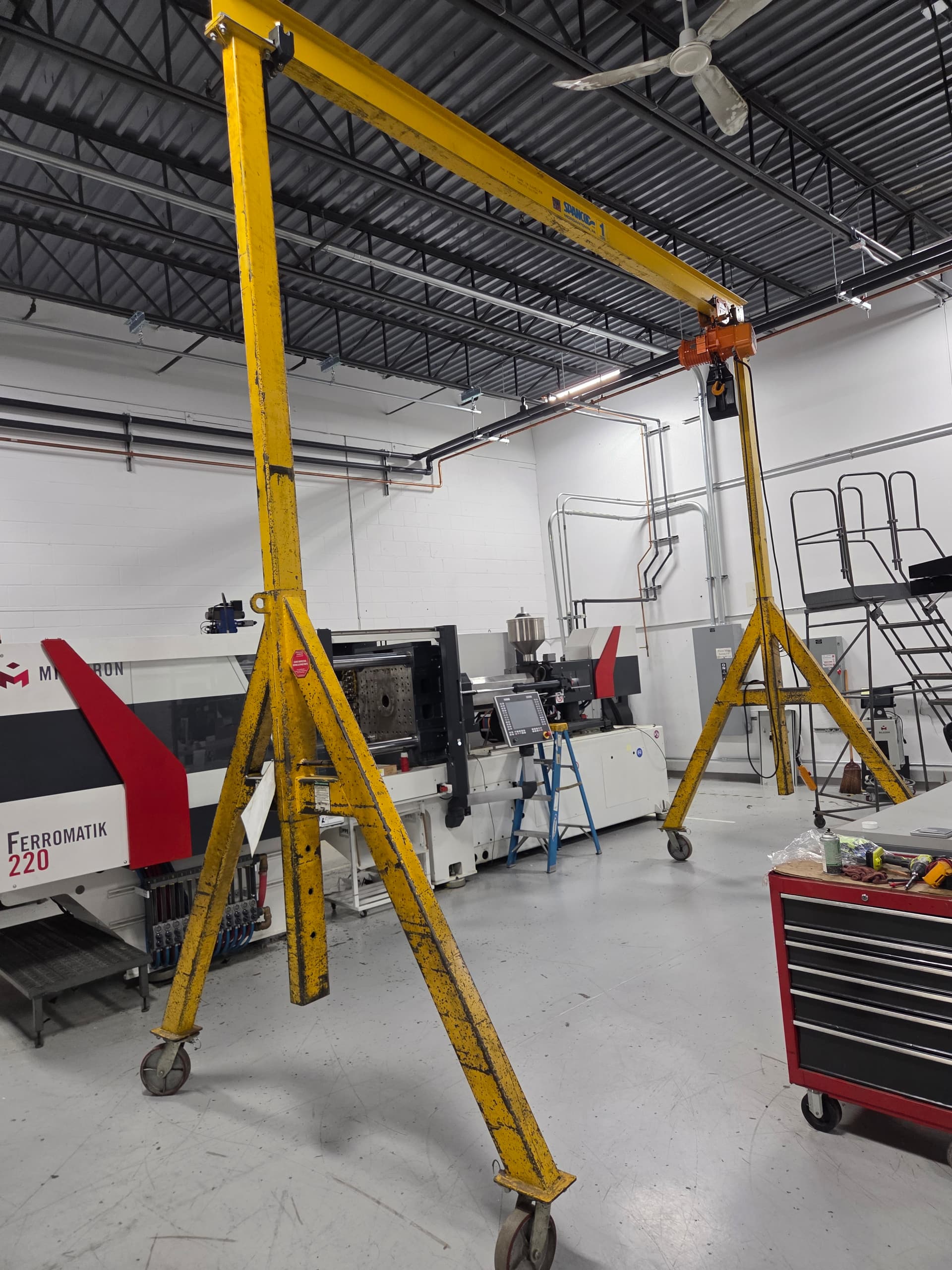
Lot 13
Spanco 1 Ton Portable A-Frame Gantry Crane w/Electric Chain Hoist
Wilmington, MA
Ends Tue, Oct 13, 10:00 AM CT
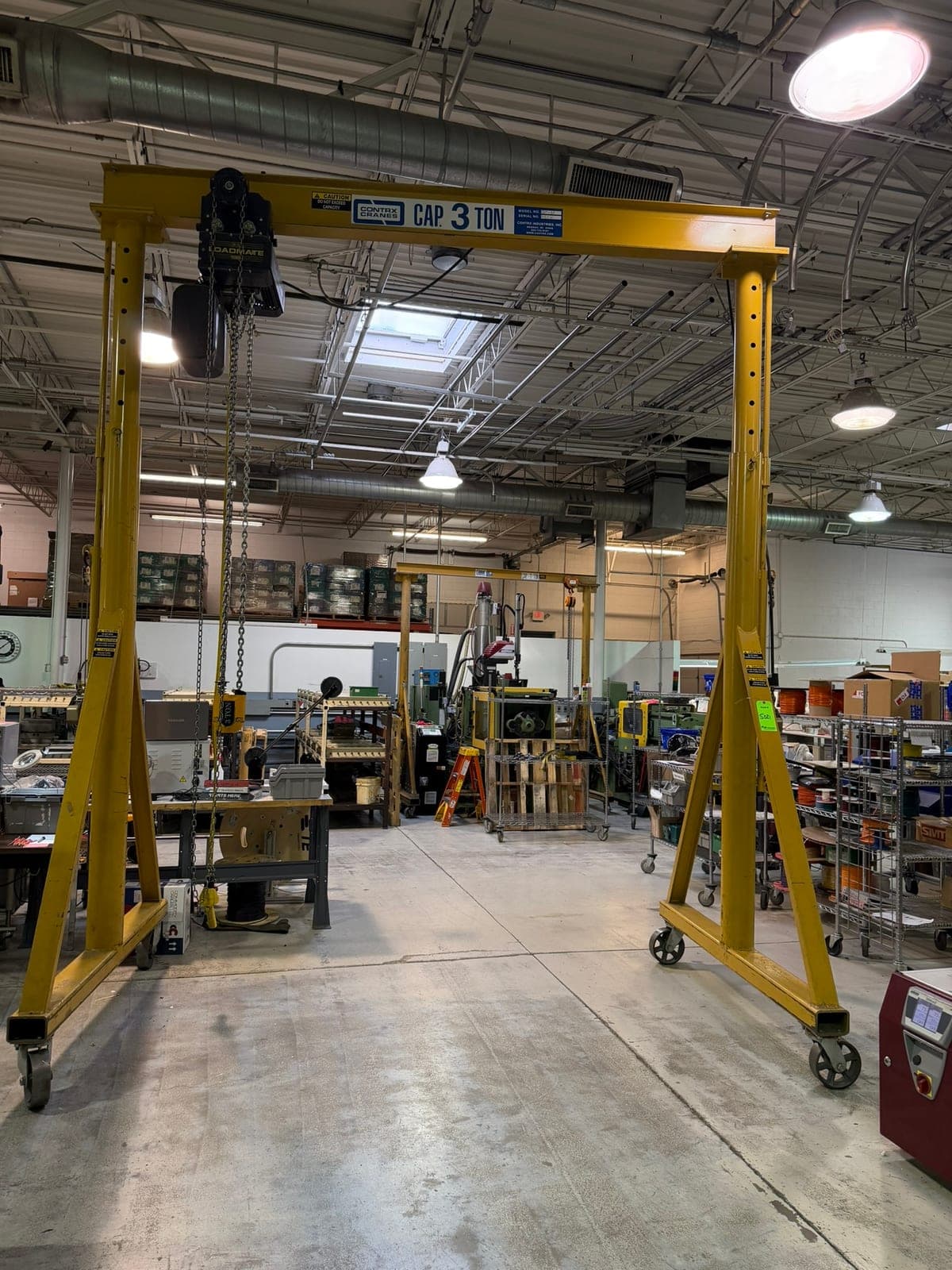
Lot 134
Contrx 3 Ton Portable Gantry Crane w/Electric Chain Hoist
Naperville, IL
Live auction · Tue, Oct 27, 10:00 AM CT

Handling Systems 1-Ton Mobile Crane w/CM Hurrican 1 Ton Chain Hoist
USA
Looking for Something Specific?
Most of our inventory sells before we can list it online. If you need a specific brand, model, or specification, tell us what you need—we have access to unlisted equipment and machines coming in from plant closures.
Looking to Sell?
Meadoworks is an active cash buyer of used industrial equipment. Get a free valuation from our AMEA-certified appraisers.
About Used Hoists
Most of these machines are portable gantry frames with a lifting unit still hanging on the beam. Spanco is the make that repeats. The painted A-frame is the structure. The chain or the wire rope, the brake, the limits and the trolley are the hoist. Capacity, lift and the beam the trolley must ride are the facts that define that unit. A chain unit is the common maintenance pick. A wire-rope unit fits when the hook travel is long or the duty is heavier. Start with the lower of the two capacity tags if a frame is still attached. Spanco's own rule is that the lifting unit's rating shall not exceed the crane nameplate, and the frame is designed around a unit whose weight is about 15 percent of that rating.
Lift in feet is the number a title skips. A short chain on a tall beam will not reach the floor. Speed in feet per minute says whether the job is a slow maintenance pull or a production cycle. Spanco asks to be told when lifting speed exceeds 50 feet per minute, because a fast unit, especially a low-headroom style with the motor parallel to the beam, can twist an I-beam. The pendant has to reach the person who will run it. Trolley wheels have to close on the flange you actually have. A mismatch will not sit on the beam. Headroom, measured from the beam to the hook at full rise, decides whether a low ceiling still leaves room to pick. Single or double reeving changes both speed and how much the hook can carry.
The motor tag carries voltage and phase, and not every motor can be reconnected. The chain container has to hold the full lift or the chain piles on the hook. The brake and the upper and lower limits are what keep a load from dropping or the hook from two-blocking. A manual trolley is pushed along the flange. A powered trolley is a second motor and a second voltage check. Move the legs or the span only with the hook empty and the trolley near the center of the beam. A load hung off a cantilevered end is outside what the frame was built to do.
Buying a used hoist means matching capacity, lift, voltage and the beam it must ride. A unit from a closure is often still mounted, so measure the flange before you assume the trolley comes off cleanly. Meadoworks brings gantry frames and the lifting units on them out of plant closures, consignments and auctions. Buyers can inspect the chain, the hook latch and both tags. Photos should show the capacity plate and the trolley wheels. If the frame comes along, read span and height under the beam as carefully as the chain.
How to Choose a Used Hoist
How to Size a Hoist
Start with the heaviest load you will actually lift, then stay under the beam rating if the unit is still on a gantry. The system capacity is the lower of the unit tag and the frame tag. Lift height has to reach from the beam to the pick point with the hook still able to rise clear. Speed in feet per minute should match the job: a slow maintenance pull is fine, and a production cycle is not. Voltage has to match the plant, often 230 or 460 volts, three phase, and not every unit can be reconnected. The trolley has to fit the flange width of the beam you will hang it on. Headroom decides whether the hook can get high enough under a low ceiling.
Chain, Wire Rope and the Trolley
A chain hoist is the usual shop and gantry unit. The chain is visible, the lift is modest, and the container has to hold all of it. A wire rope hoist carries a longer lift on a drum and is the pick when the hook travel is tall. Either one still needs a trolley, manual or powered, whose wheels match the beam flange. A trolley that is too narrow or too wide will not sit on the beam you have. Low headroom matters when the beam is already close to the ceiling. The gantry frame, if you need one, is a separate purchase. Buying the frame does not answer the lift, the speed or the flange.
Hoist Specs to Compare
| Spec | Typical range | Why it matters |
|---|---|---|
| Capacity | The unit tag and the beam tag both apply. The lower number is the lift you can make. | |
| Lift height | A short lift will not reach the floor from a tall beam, no matter the capacity. | |
| Lift speed | Above 50 ft/min | A fast unit can twist the beam. Slow is fine for a maintenance pull. |
| Trolley flange | The wheels have to fit the flange. A mismatch means the trolley cannot hang on that beam. | |
| Headroom | Low headroom is the difference between clearing a machine and hitting the ceiling. | |
| Voltage | Some units reconnect. Others are fixed. Read the tag before you plan the drop cord. |
Capacity
The unit tag and the beam tag both apply. The lower number is the lift you can make.
Lift height
A short lift will not reach the floor from a tall beam, no matter the capacity.
Lift speed
Typical range: Above 50 ft/min
A fast unit can twist the beam. Slow is fine for a maintenance pull.
Trolley flange
The wheels have to fit the flange. A mismatch means the trolley cannot hang on that beam.
Headroom
Low headroom is the difference between clearing a machine and hitting the ceiling.
Voltage
Some units reconnect. Others are fixed. Read the tag before you plan the drop cord.
What to Inspect on a Used Hoist
Read both capacity tags
Compare the unit tag with the beam or gantry tag. Use the lower number.
Measure lift and pendant
Confirm feet of lift and that the pendant reaches the person who will run it.
Check chain or rope
Worn chain, a damaged rope or a missing latch is a reason to stop, not a cleanup item.
Fit the trolley to the beam
Measure the flange. Confirm the trolley range covers it, manual or powered.
Test brake and limits
The brake should hold. Upper and lower limits should stop the hook before a two-block.
Confirm voltage on the tag
Note whether the motor can be reconnected or is fixed at one voltage.
Look at the chain container
It has to hold the full lift. A short container dumps chain on the load.
Related Equipment
- Cranes & Hoists
Bridge, gantry and hoist listings together
- Gantry Cranes
The A-frame that often carries the hoist
- Overhead Bridge Cranes
Runway cranes when a gantry will not do
More in Plant & Material Handling
Hoists Brands We've Sold
Common Applications
Frequently Asked Questions
Why do so many hoist listings also say gantry crane?
Because the unit was still hanging on the frame when the plant sold it. The lifting unit is the chain or the wire rope: capacity, lift height, speed and trolley. The A-frame, span and casters are the gantry, and that frame is a separate purchase. You can buy them together when the trolley already fits that beam. You should still read the capacity tag on its own. A frame that is the right span does not fix a chain that is too short.
How do I size lift height and speed on a hoist?
Lift height is feet of chain or rope, from the highest hook position to the lowest pick you need. A short chain on a tall beam will not reach the floor. Speed in feet per minute should match the work. A slow speed is right for a maintenance pull. A line that lifts every cycle needs the faster rate, sometimes a two-speed unit. Pendant length has to reach the operator. Headroom, beam to hook, decides whether the load clears the machine.
What trolley flange will a hoist actually fit?
The trolley is adjustable across a range of beam flange widths, and that range is on the trolley tag, not in the capacity number. Measure the beam you will use and confirm the wheels cover it. A trolley that is too narrow falls off the flange. One that is too wide will not close. Manual trolleys are pushed. Powered trolleys are a second motor and a second voltage check. Low headroom is a separate dimension from flange width.
Chain hoist or wire rope hoist for a shop?
A chain unit covers most gantry and maintenance work. You can see the chain, and the container has to hold the whole lift. A wire-rope unit puts the lift on a drum and is the better fit when the hook travel is long. Duty class on the tag says whether the unit was built for occasional picks or for all-day cycling. Either style still needs a brake, limits, and a capacity that does not exceed the beam.
What should I inspect on a hoist?
The capacity tag, the chain or rope, the hook latch, the brake and the limits. Run it through the lift if power is available. A brake that slips or a limit that does not stop the hook is not a cleanup item. Confirm voltage and whether it reconnects. Measure the trolley against your beam. Look at the chain container. If the unit is still on a gantry, photograph both tags so the frame rating and the unit rating are not confused later.
Does the gantry capacity limit the hoist?
Yes. The lift you can make is the lower of the two tags. A five-ton unit on a one-ton frame is a one-ton system. Two units on one beam share that frame rating, and using both at full capacity can overload it. If you only need the lifting unit, the frame alone is the wrong place to stop. If you need the frame too, read span and under-beam height on the beam, and read lift, speed and flange on the unit.
