Used Industrial Conveyors for Sale
6 results
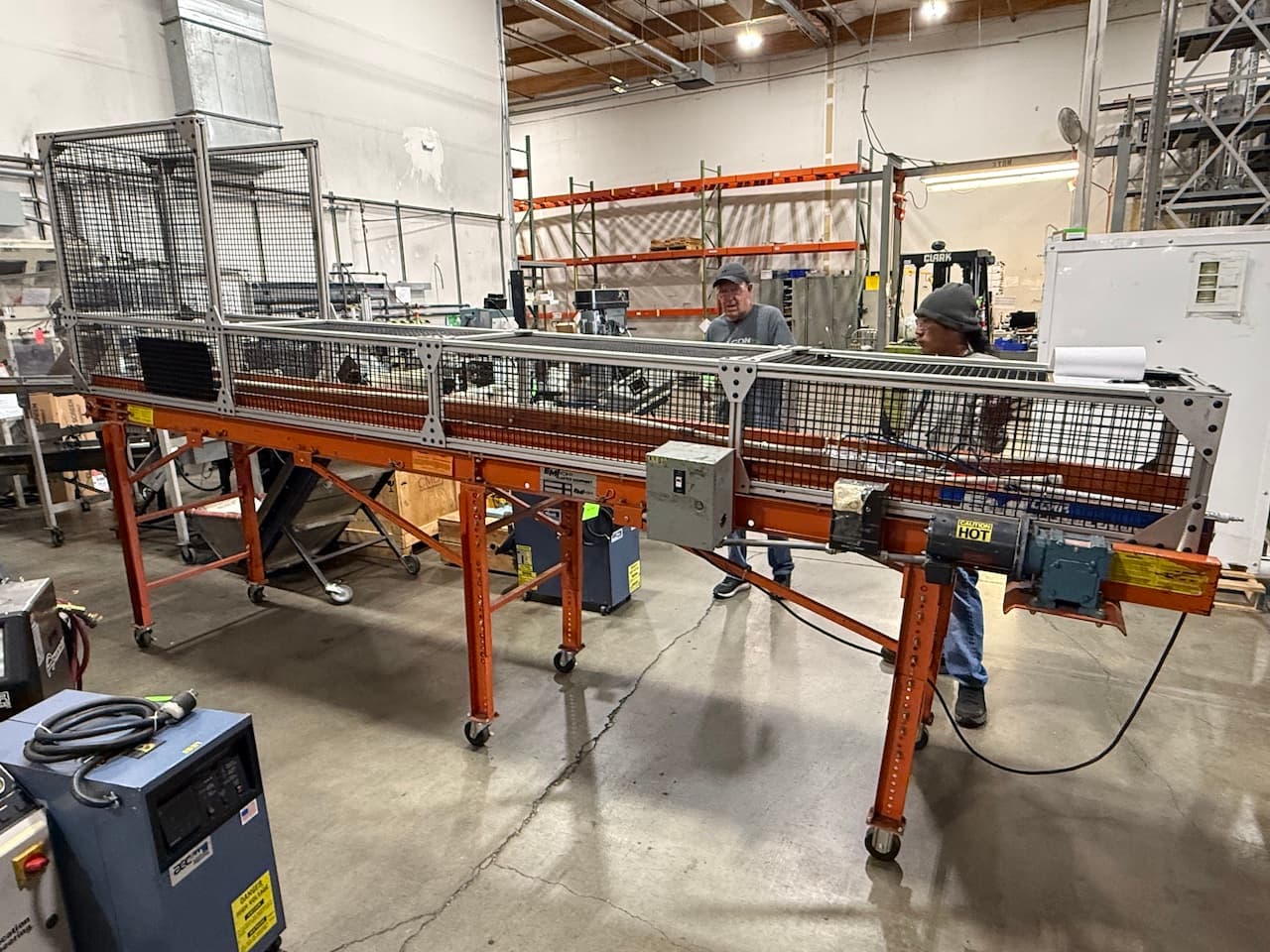
Item #6511
EMI Belt Conveyor w/Guarding
USA
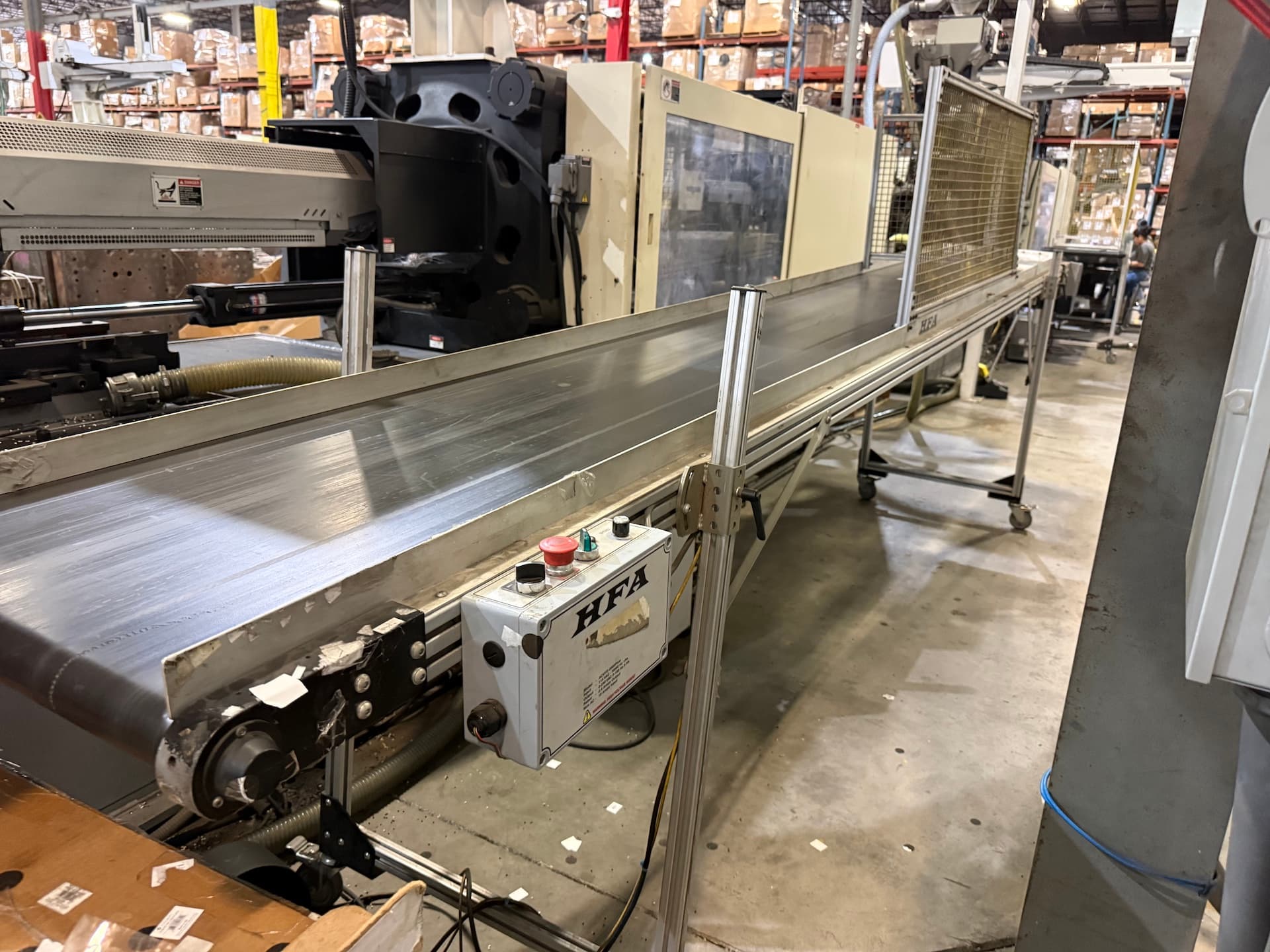
Item #6392
HFA Conveyor
USA
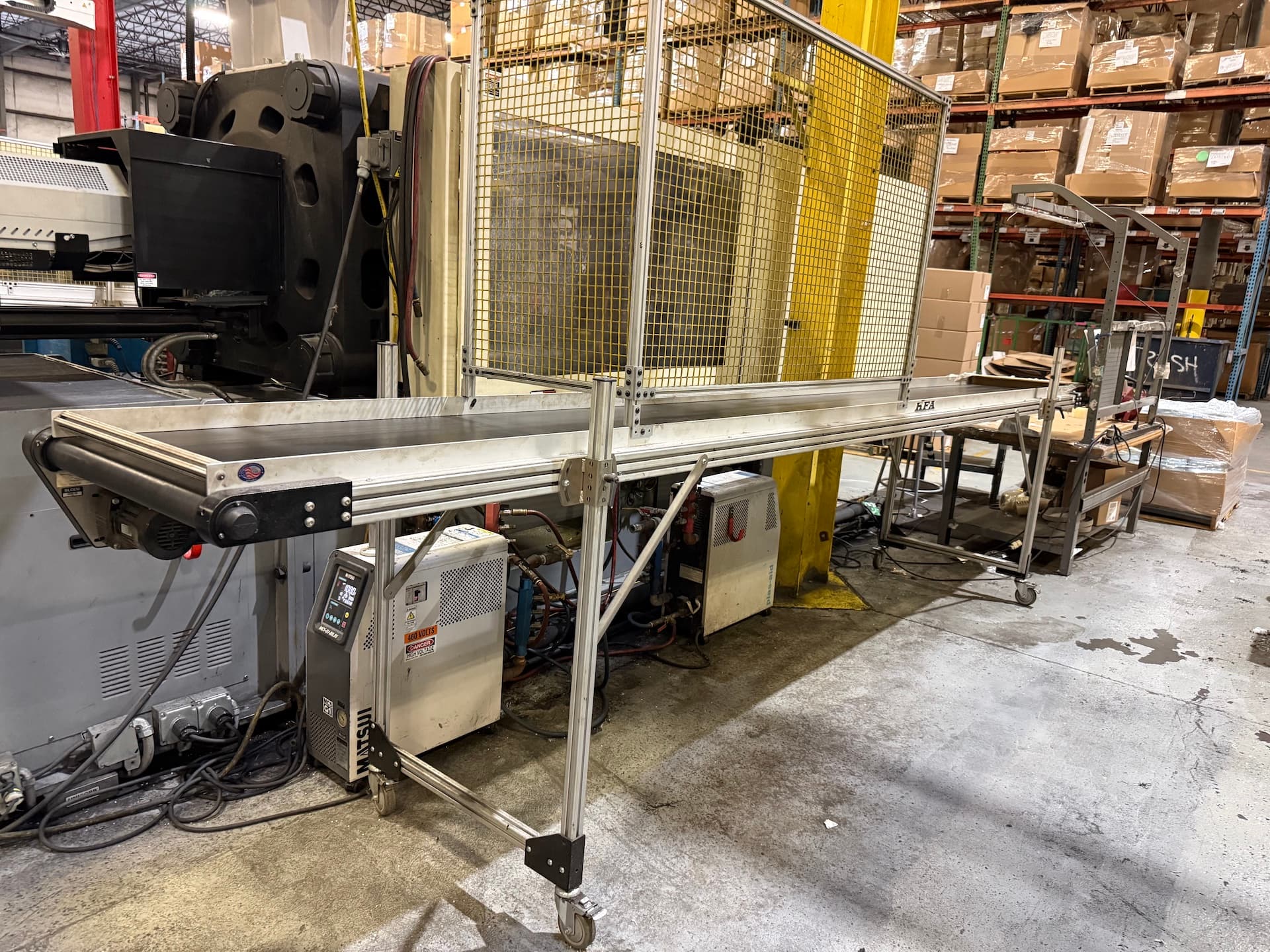
Item #6387
HFA Conveyor
USA
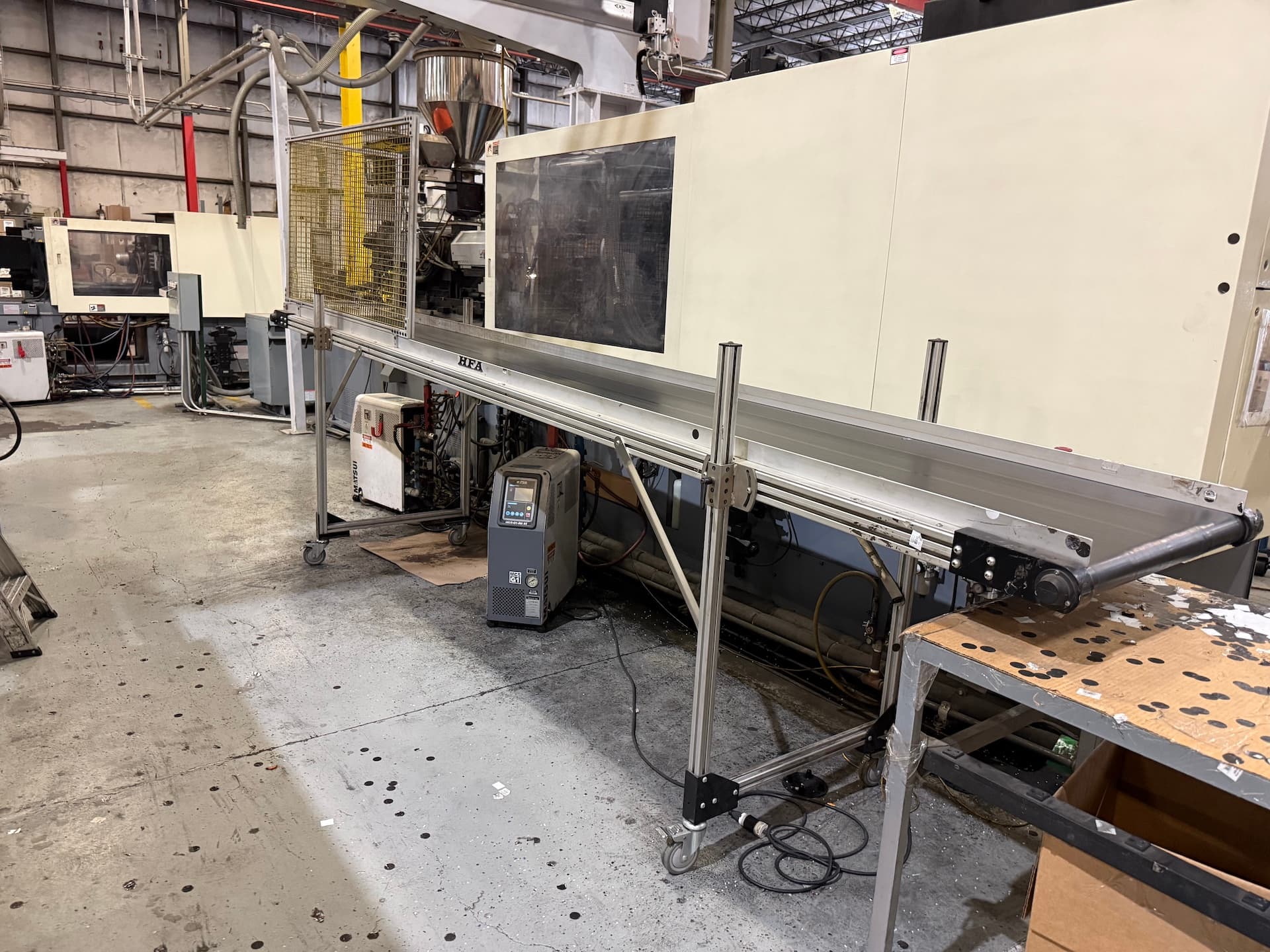
Item #6381
HFA Conveyor
USA
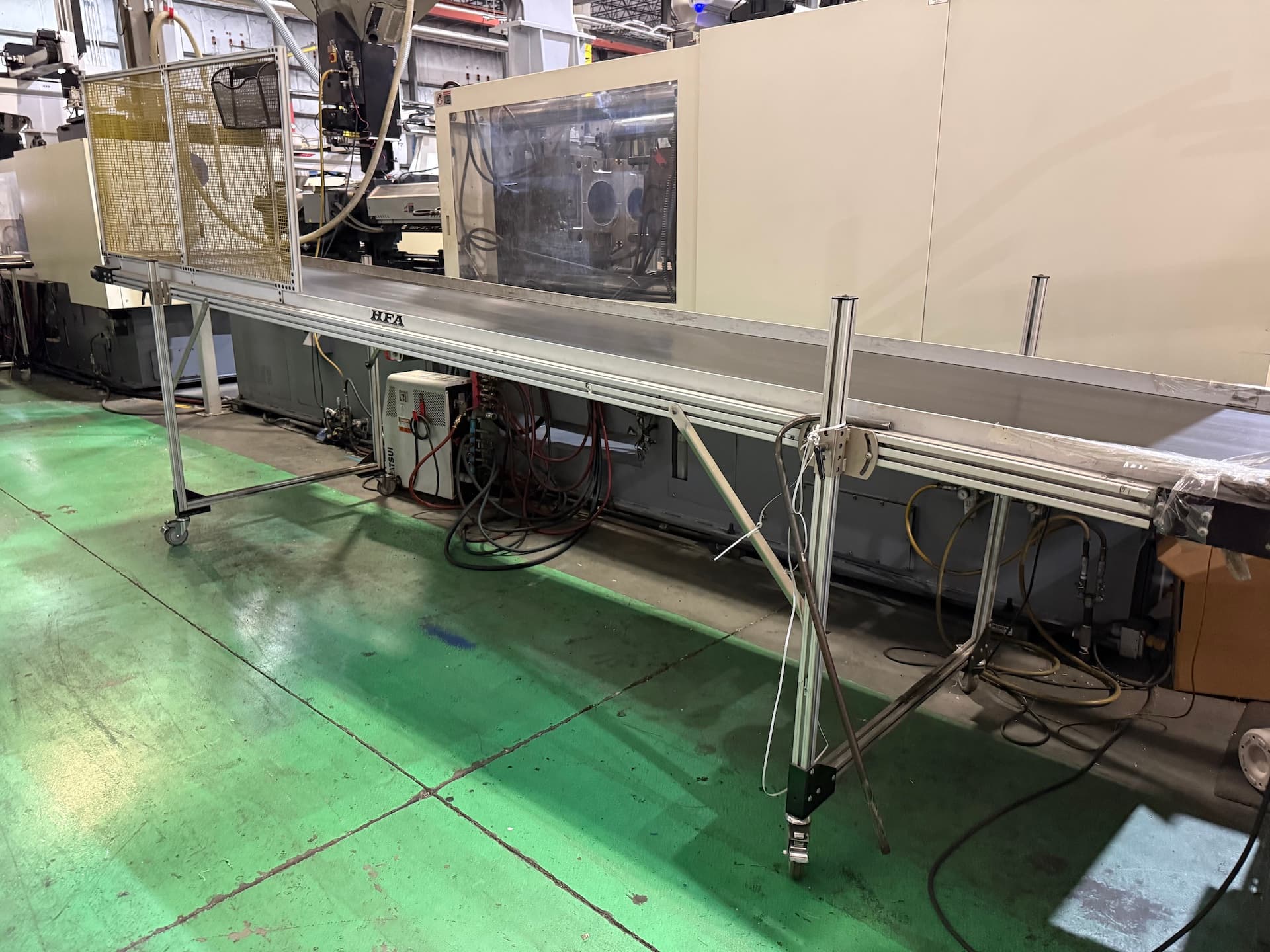
Item #6375
HFA Conveyor
USA
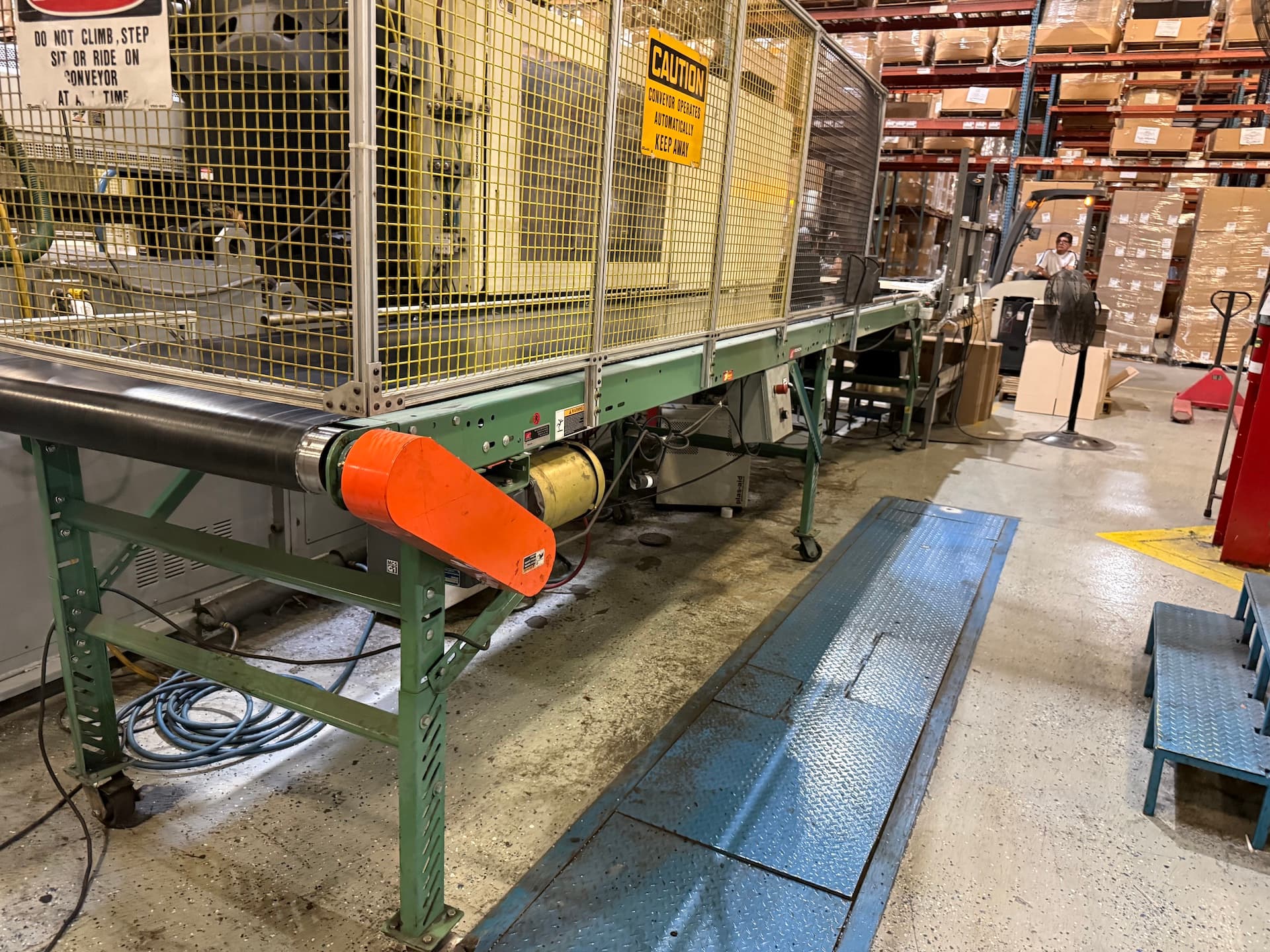
Item #6369
Roach Conveyor
USA
Conveyors by the numbers
From our own catalog: machines listed now and machines we have sold. Updated every few minutes.
Our track record
79 machines sold · 24 makes · model years 2006–2025 · 34 sold at our own auctions
By brand
| Brand | In stock now | Sold by Meadoworks | Model years |
|---|---|---|---|
| HFA | 4 | 0 | — |
| EMI | 1 | 19 | 2006 |
| Roach | 1 | 0 | — |
| Dyna-Con | 0 | 8 | 2006–2025 |
| Hytrol | 0 | 6 | — |
| Plastic Process Equipment | 0 | 6 | — |
| Advanced Poly-Packaging | 0 | 3 | — |
| BW Integrated Systems | 0 | 3 | 2020 |
| Crizaf | 0 | 3 | — |
| Klippenstein | 0 | 3 | — |
Shop Used Industrial Conveyors by Type
- Used Belt Conveyors (1)
1 in stock now from EMI. 16 sold through Meadoworks.
Looking for Something Specific?
Most of our inventory sells before we can list it online. If you need a specific brand, model, or specification, tell us what you need—we have access to unlisted equipment and machines coming in from plant closures.
Browse Used Conveyors by Brand
Browse Used Conveyors by Country
Looking to Sell Your Conveyors?
Meadoworks is an active cash buyer of used industrial equipment. Get a free valuation from our AMEA-certified appraisers.
About Used Conveyors
Industrial conveyors move parts, packages and material through production and packaging. Used conveyors come as belt conveyors (general parts and bulk handling), gravity and powered roller conveyors (cartons and pallets), incline and cleated conveyors (elevation changes and molded-part takeaway) and parts conveyors sized to fit under a molding machine's drop chute. The specifications that matter are belt width, length, speed (fixed or variable) and frame construction.
Molding-plant closures produce a steady supply of under-press and takeaway conveyors. Check the belt, drive motor and gearbox; belts wear out but are inexpensive to replace compared with the frame and drive.
Most conveyors we sell are press-side parts conveyors from EMI, HFA, Dyna-Con and Plastic Process Equipment, plus Hytrol and Klippenstein conveyors, usually sold alongside the molding and packaging equipment they served. Request a quote on any listing or call us at 800-323-0307 for current availability.
How to Choose a Used Industrial Conveyor
Fit the conveyor to the press
Under a molding machine, the conveyor has to fit the space below the mold and reach past the press guard to a box, granulator or the next step. Measure the height under the drop chute, the belt width you need to catch every part and the length out to the drop point.
Cleated incline belts lift parts into a box or a granulator; flat belts carry parts along a line.
Belt, roller or package handling
Belt conveyors move loose parts and small items. Gravity and powered roller conveyors move cartons and totes. Pallet and diverting conveyors belong in packaging and shipping.
Variable speed lets one conveyor serve different cycle times; a separator or cooling conveyor keeps hot parts from marking.
Industrial Conveyor Specs to Compare
| Spec | Typical range | Why it matters |
|---|---|---|
| Belt width | About 8–36 in. on the conveyors we have sold | Has to catch everything the mold drops. |
| Length and incline | About 4–26 ft on the conveyors we have sold | Reach to the drop point, and the angle to lift into a box or granulator. |
| Infeed height | The low end has to fit under the press or chute. | |
| Speed and drive | Mostly 115–230V single-phase motors on the ones we have sold | Fixed or variable speed, motor voltage and control. |
| Belt type | Flat, cleated or high-temperature belt for hot parts. |
Belt width
Typical range: About 8–36 in. on the conveyors we have sold
Has to catch everything the mold drops.
Length and incline
Typical range: About 4–26 ft on the conveyors we have sold
Reach to the drop point, and the angle to lift into a box or granulator.
Infeed height
The low end has to fit under the press or chute.
Speed and drive
Typical range: Mostly 115–230V single-phase motors on the ones we have sold
Fixed or variable speed, motor voltage and control.
Belt type
Flat, cleated or high-temperature belt for hot parts.
What to Inspect on a Used Industrial Conveyor
Run the belt
Check tracking, splices and wear; belts are cheap to replace, drives are not.
Check the drive and gearbox
Listen for noise and look for oil leaks at the gearbox.
Measure the infeed height
Confirm it fits under your press or chute.
Confirm voltage and control
Make sure the motor and control match your plant and any press interlock.
Look at the frame
Bent frames and missing side guards are harder fixes than a belt.
Related Equipment
- Used Plastic Granulators
Grind the sprues and rejects the conveyor carries
- Used Forklifts
Move the machine once it is off the truck
More in Plant & Material Handling
Types of Plant Support Equipment
Common Applications
Frequently Asked Questions
How much does a used conveyor cost?
Typical used-market ranges: parts and under-press conveyors about $500–$2,500, belt conveyors about $1,000–$5,000 by width and length, and powered roller and incline systems about $2,000–$10,000+. Complete integrated conveyor systems are priced by scope. At plant-closure auctions, single under-press conveyors often sell for a few hundred dollars. Width, length, drive and belt condition move the price. These are typical ranges, not a quote on any listing — contact Meadoworks at 800-323-0307.
What should I check on a used conveyor?
Check the belt for cuts, fraying and tracking, the drive motor and gearbox for noise and leaks, and the speed control if it is variable. Confirm the belt width, length, height and incline fit your press or line, and that the voltage matches your plant.
What conveyor do I need under an injection molding machine?
A low-profile parts conveyor sized to the press's drop chute is the usual choice — often an incline or cleated belt that lifts parts into a gaylord or box. Match the belt width to the mold's part drop area and the discharge height to your container.
What's the difference between a cleated and a flat belt conveyor?
A cleated belt has raised bars that carry parts up an incline without sliding back. A flat belt carries parts along a level or gently sloped line.
Are refurbished conveyors worth buying?
Often, yes. The frame and drive are the expensive parts and usually last; a refurbished conveyor typically has a new belt and checked drive. Confirm the dimensions fit your line first.
Can one conveyor feed a granulator next to the press?
Yes — a cleated incline conveyor commonly lifts sprues and rejects from under the press into a beside-the-press granulator. Match the conveyor's discharge height to the granulator's hopper.
Related Resources
Recently Sold Conveyors
View all sold plant support equipment →


Need Help Finding the Right Equipment?
Contact our team with your specifications and we'll help you find the right machine.
