Used Sinker EDM Machines for Sale
Recently sold
 SOLD
SOLD1996 Charmilles Roboform 40 Sinker EDM
USA
 SOLD
SOLD1998 Xermac XI 14 PZ Sinker EDM
USA
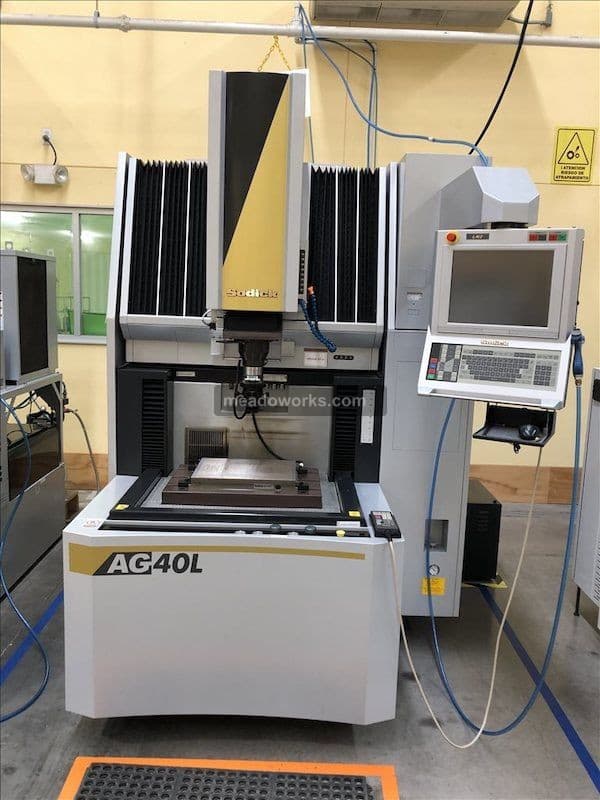 SOLD
SOLD2015 Sodick AG40L Sinker EDM
USA
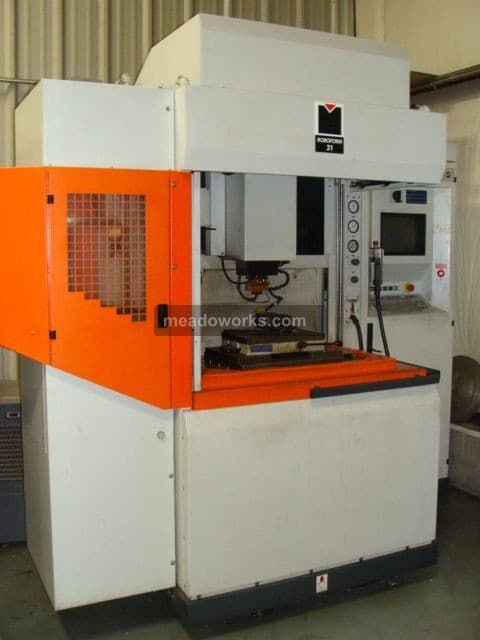 SOLD
SOLD1999 Charmilles Roboform 31 Sinker EDM
USA
Looking for Something Specific?
Most of our inventory sells before we can list it online. If you need a specific brand, model, or specification, tell us what you need—we have access to unlisted equipment and machines coming in from plant closures.
Browse Used Sinker EDM by Brand
Browse Used Sinker EDM by Country
Looking to Sell Your Sinker EDM?
Meadoworks is an active cash buyer of used industrial equipment. Get a free valuation from our AMEA-certified appraisers.
About Used Sinker EDM Machines
Sinker EDM machines (also called ram EDM or die-sinker EDM) erode cavities into conductive workpieces using a shaped graphite or copper electrode plunged into the material under CNC control. Mold shops use it for blind cavities, ribs, sharp internal corners, and textured surfaces a cutter cannot reach. Modern CNC sinkers feature automatic electrode changers, orbiting cycles, and fine-finish generator technology.
A sinker EDM, also called a ram or die sinker, burns a cavity by feeding a shaped electrode into the work. The electrode is graphite or copper. The spark gap is in dielectric oil, not in the deionized water a wire machine uses. The cavity can be blind. Ribs, sharp inside corners and a texture the electrode carries are the reason a mold shop keeps one. A through profile is a wire job. This machine stays on the electrode, the orbit and the oil.
The electrode is the shape. Roughing electrodes remove metal. Finish electrodes, often several of them, bring the cavity to size, because the electrode wears. An automatic changer lets the machine step through that set without someone swapping by hand. Orbit, sometimes called planetary motion, moves the electrode in a small pattern so one electrode can finish a cavity larger than itself and can clean the walls. Orbit is not a substitute for a missing electrode. It is how the last electrode is used. If the control cannot orbit, you will make more electrodes.
Dielectric oil is the fluid the spark needs, and it is also the flush that carries debris out of a deep rib. Filters, the oil level and a chiller that keeps the oil stable are part of the machine. A sinker sold dry, or with a tank you cannot trust, is not ready to burn. Travels are the tank: how large a mold base you can set, and how deep the ram can feed. Workpiece weight matters on a large base. The generator sets the finish. An older power supply may rough a cavity and still fail a surface the print calls fine.
On a used sinker EDM, ask for a burn with a known electrode and look at the floor of the cavity, not only the spark. Cycle the changer if there is one. Check the oil, the filters and the ram ways. The parent EDM machine compares wire and sinker if you are still choosing. The wire machine is the through cut. A machining center still roughs the block when a cutter can reach. The sinker starts where the cutter would leave a radius the mold cannot accept.
How to Choose a Used Sinker EDM Machine
How to Size a Sinker EDM
Size the tank travels to the mold base, and the ram stroke to the deepest cavity, including the electrode holder. A deep rib needs flush room, not only a number on the ram. Then count the electrodes the job will burn through. A changer is worth having when that count is more than a person can swap on every cycle.
Orbit comes next. If you finish with a small orbit on the last electrode, the control has to do that motion. Dielectric oil, filters and a chiller are part of the size, because a deep cavity in dirty oil will not match the electrode. Generator generation has to be able to hold the finish on your steel. If the feature is a through profile, use a wire EDM. A sinker can be forced into that work and it is the slow way.
Electrode, Orbit, and Dielectric Oil
Graphite is the common electrode for mold cavities. Copper appears for finer detail and for some finishes. You will wear through more than one electrode on a cavity, roughing then finish. Orbit moves the electrode so the finish electrode can size the walls without being the full cavity on day one.
Oil is the dielectric. It has to be clean, and the flush has to reach the bottom of a rib or the floor of the cavity loads with debris and the spark wanders. A machine without a working filter is a machine that will not hold size. Wire machines and their water systems are a different machine. Do not read a wire spec sheet onto a sinker, and do not expect orbit to cut a punch profile.
Sinker EDM Machine Specs to Compare
| Spec | Why it matters |
|---|---|
| Tank travels (in) | The mold base and the electrode holder have to fit. Ram stroke has to reach the deepest cavity you burn. |
| Electrode material | The electrode is the shape. Plan on several, because roughing and finish are not the same stick. |
| Orbit | Orbit lets one electrode size the walls. A control that cannot orbit means more electrodes. |
| Dielectric oil | The spark and the flush both depend on clean oil. Filters and level are part of the machine, not a later cart. |
| Electrode changer | A changer steps through roughing and finish electrodes. Without it, someone stands at the ram for every swap. |
| Generator finish | An older power supply may rough a cavity and still miss the surface a current mold print requires. |
Tank travels (in)
The mold base and the electrode holder have to fit. Ram stroke has to reach the deepest cavity you burn.
Electrode material
The electrode is the shape. Plan on several, because roughing and finish are not the same stick.
Orbit
Orbit lets one electrode size the walls. A control that cannot orbit means more electrodes.
Dielectric oil
The spark and the flush both depend on clean oil. Filters and level are part of the machine, not a later cart.
Electrode changer
A changer steps through roughing and finish electrodes. Without it, someone stands at the ram for every swap.
Generator finish
An older power supply may rough a cavity and still miss the surface a current mold print requires.
What to Inspect on a Used Sinker EDM Machine
Burn with a known electrode
Look at the floor and a corner, not only that the ram moves. A test in your kind of steel is the one that counts.
Cycle the electrode changer
If the machine has a changer, run a swap. A magazine that only looks full has not changed a tool.
Check oil and filters
Dielectric oil should be at level and the filters should not be a block of sludge. Dirty oil mimics a bad generator.
Confirm orbit on the control
Ask for an orbit move, not a straight plunge. A machine that cannot orbit changes how many electrodes you will make.
Inspect ram ways
The ram should feed without play. Lost motion appears as a cavity that does not match the electrode.
Read travels against the mold
Tank size and stroke have to clear your largest base and your longest electrode holder.
Note the generator generation
Match the power supply to the finish you sell. An older box can be honest about the surface it will not hold.
Related Equipment
- EDM Machines
Wire and sinker compared before you choose a cavity
- Wire EDM
Through profiles when the feature is not a cavity
- Machining Centers
Mill the block before a cavity needs a spark
Related EDM Machines
EDM Machines (Wire & Sinker)
Electrical Discharge Machining (EDM) uses controlled electrical sparks to erode conductive materials with extreme precision.
Wire EDM Machines
Wire EDM machines (wire electrical discharge machines) cut conductive materials using a thin, continuously traveling wire electrode — typically 0.
All CNC Machines
Browse the full used CNC machine inventory — machining centers, lathes, EDM, and more.
Top Brands for Used Sinker EDM Machines
Charmilles
Swiss sinker EDM name, now part of GF Machining Solutions.
Sodick
Japanese builder of sinker EDM with linear-motor drives.
Common Applications
Frequently Asked Questions
How does orbit change the cavity a sinker EDM burns?
Orbit moves the electrode in a small pattern, usually a circle or a square path, while it sparks. One finish electrode can then size a cavity slightly larger than itself and clean the walls, instead of you cutting a separate electrode for every tenth. It does not replace a roughing electrode, and it does not invent a shape the electrode never had. On a used machine, ask the control to run an orbit, not only a straight ram feed. A machine that only plunges will still burn.
Should the electrode be graphite or copper?
Graphite is the usual electrode for mold cavities. It machines quickly and it is what most shops already cut on a mill. Copper is the choice for finer detail and for some finish burns, and it is slower to make. Either way you will use more than one electrode, because the electrode wears as it burns. Roughing and finish are different sticks. The changer, if the machine has one, is what feeds that set.
Why is dielectric oil part of the machine and not a supply item?
The spark happens in the oil, and the oil is also the flush that carries burned metal out of the cavity. A low level, a choked filter or oil that has not been cleaned will make a sound generator cut a bad floor. The tank, the pump and the filters ship with the machine or the machine is incomplete. A chiller that holds oil temperature belongs in the same look on a finish-critical job. This is not the deionized water a wire machine uses.
What should an automatic electrode changer prove?
That it will pick the next electrode, set it, and go back to burning without a person at the ram. Run at least one swap. A magazine of holders that never moves is storage. The changer matters when a cavity needs a roughing electrode and one or more finish electrodes, which is a normal mold burn. A machine without a changer can still do the work if someone is there to swap. Know which one you are buying. Also confirm the holders you will use fit the changer.
How do I tell a finish-capable generator from a roughing supply?
Ask what surface the power supply will hold in the steel you run, and look at a finish burn, not a roughing burn that only proves the ram moves. Older generators still remove metal. They often stop being useful when the print calls for a fine cavity surface. The control generation and the generator travel together. A new-looking cabinet on an old power supply is still the old supply. If your work is rough cavities that a polisher will finish by hand, an older box can be the right machine.
What is a sinker EDM used for?
A sinker EDM burns a cavity by feeding a shaped electrode into the work, usually in dielectric oil. The cavity can be blind. Ribs, sharp inside corners and a texture the electrode carries are why a mold shop keeps one. Roughing electrodes remove metal and finish electrodes bring the cavity to size, because the electrode wears. A through punch or die opening is faster on a wire machine. Use the sinker when the feature does not go through, or when the corner has to be sharper than a cutter will leave.
Related Resources
Looking for Specific Sinker EDM?
Can't find what you need? Contact our team with your requirements. We source equipment from facilities across North America.
