Used Hoppers & Material Bins for Sale
See all 22 Loaders, Hoppers & Conveying →
15 results
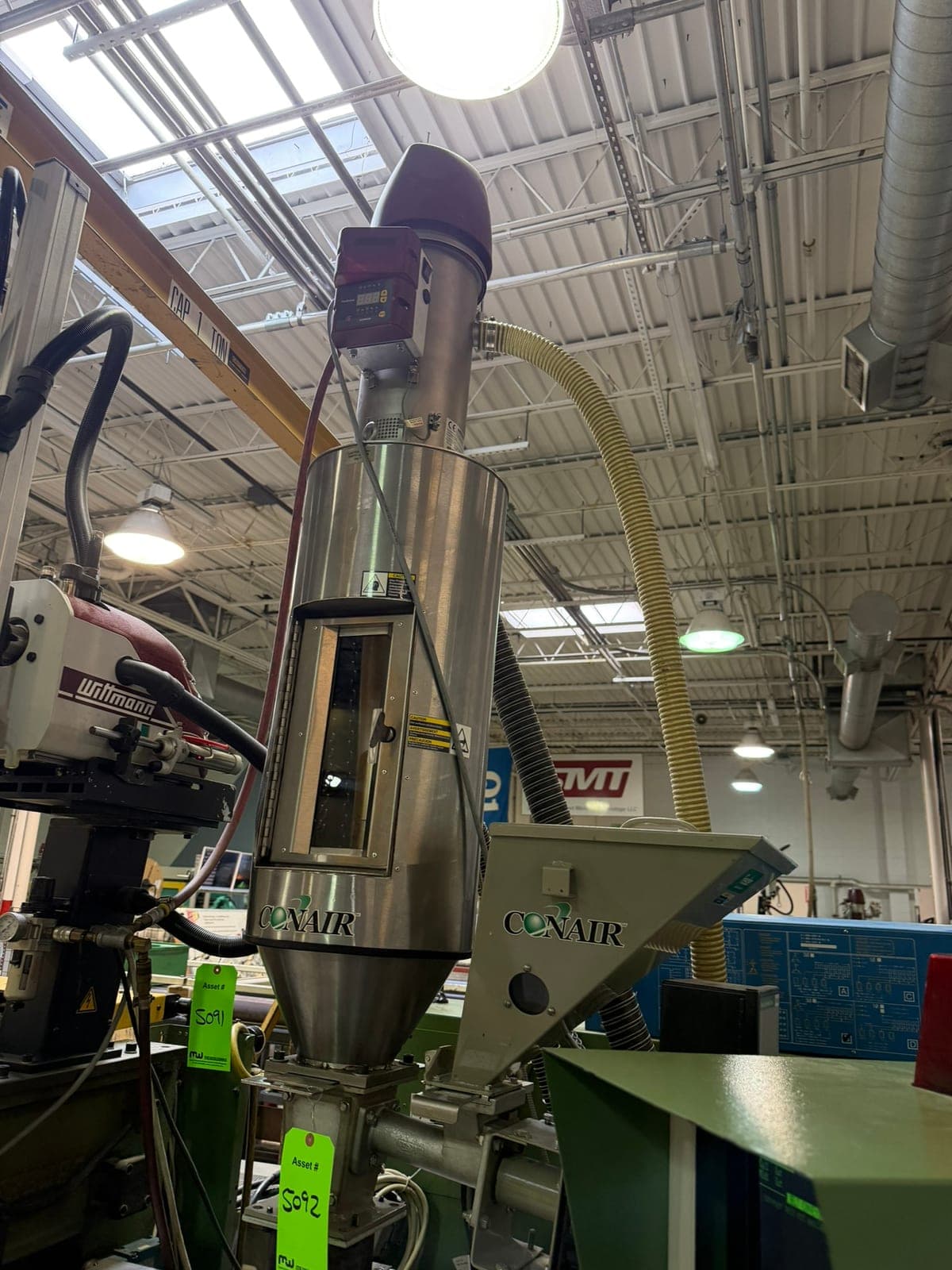
Lot 116
Conair Hopper w/Vacuum Receiver and Additive Feeder
Naperville, IL
Live auction · Tue, Oct 27, 10:00 AM CT
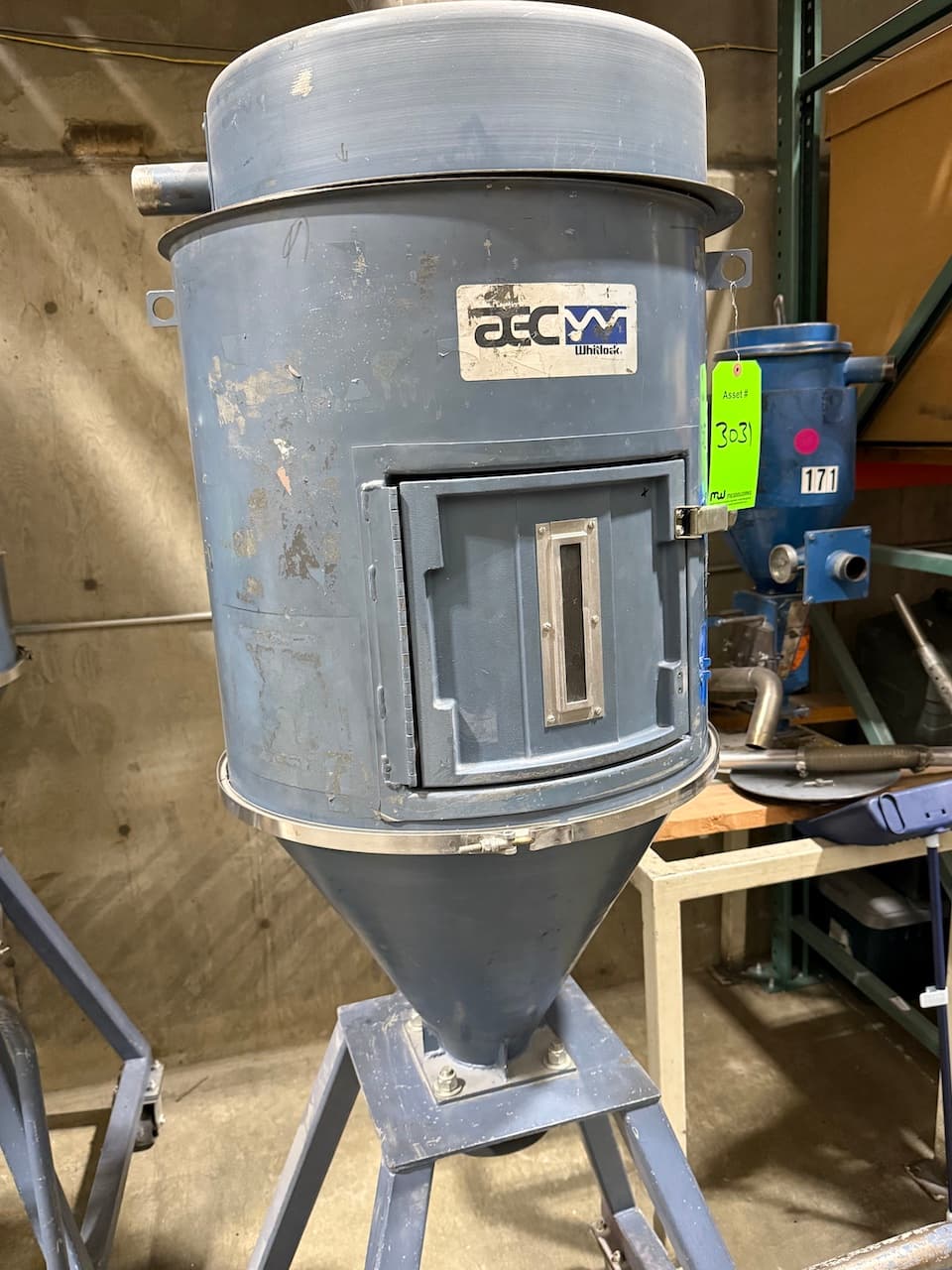
Whitlock Drying Hopper
USA
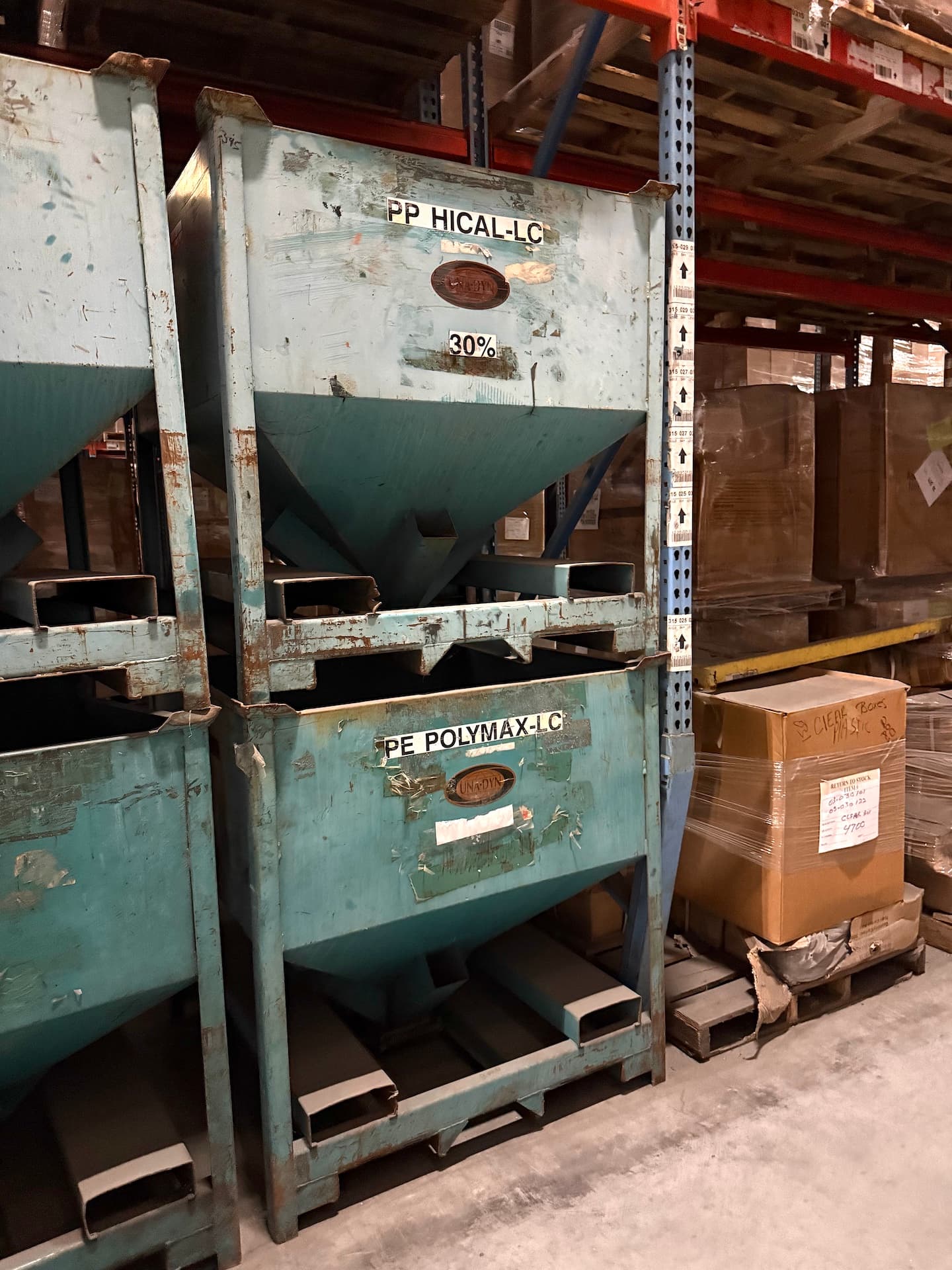
Lot 7
(2) Material Surge Bins
Apopka, FL
Live auction · Tue, Oct 20, 10:00 AM CT
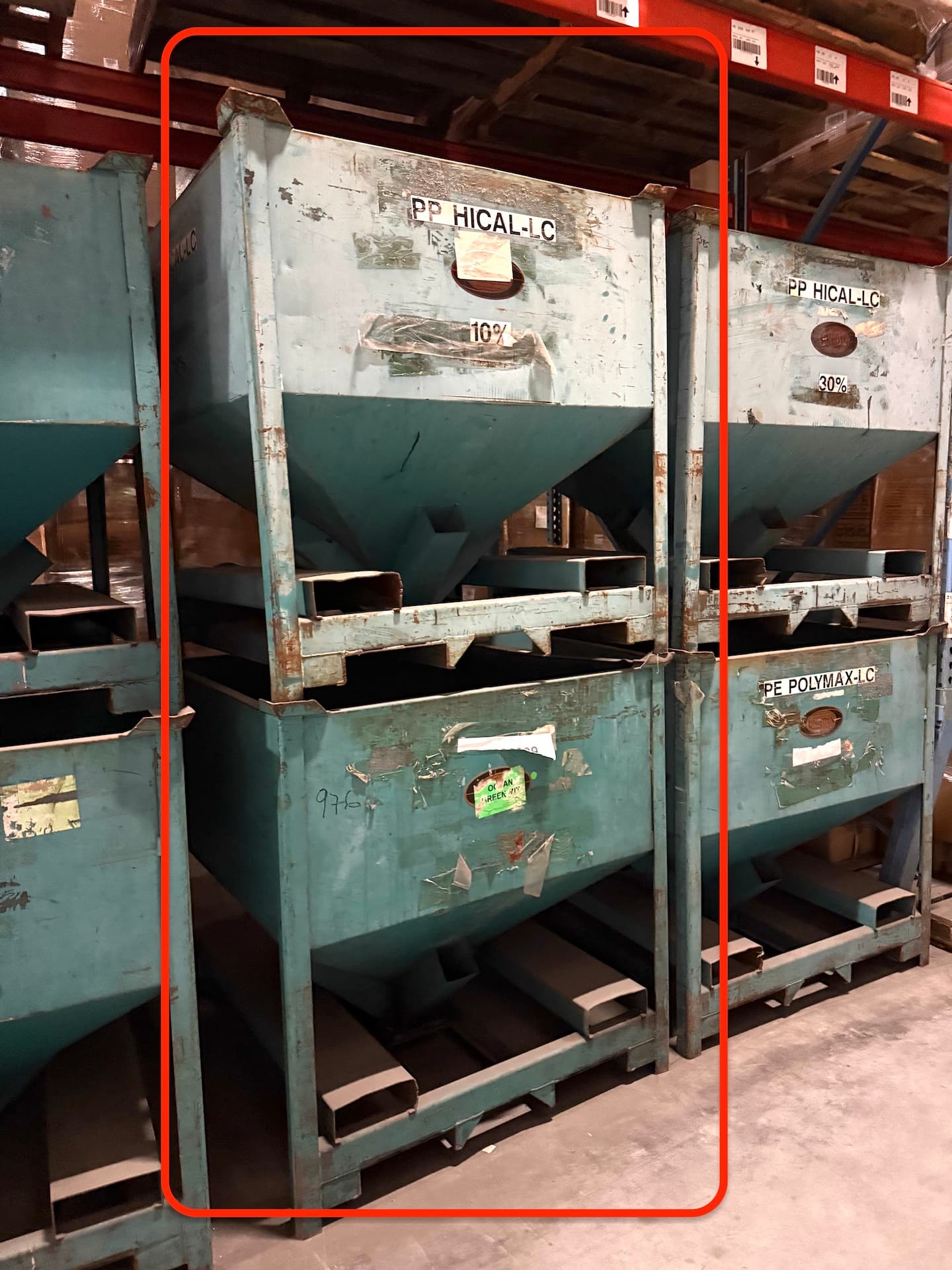
Lot 6
(2) Material Surge Bins
Apopka, FL
Live auction · Tue, Oct 20, 10:00 AM CT
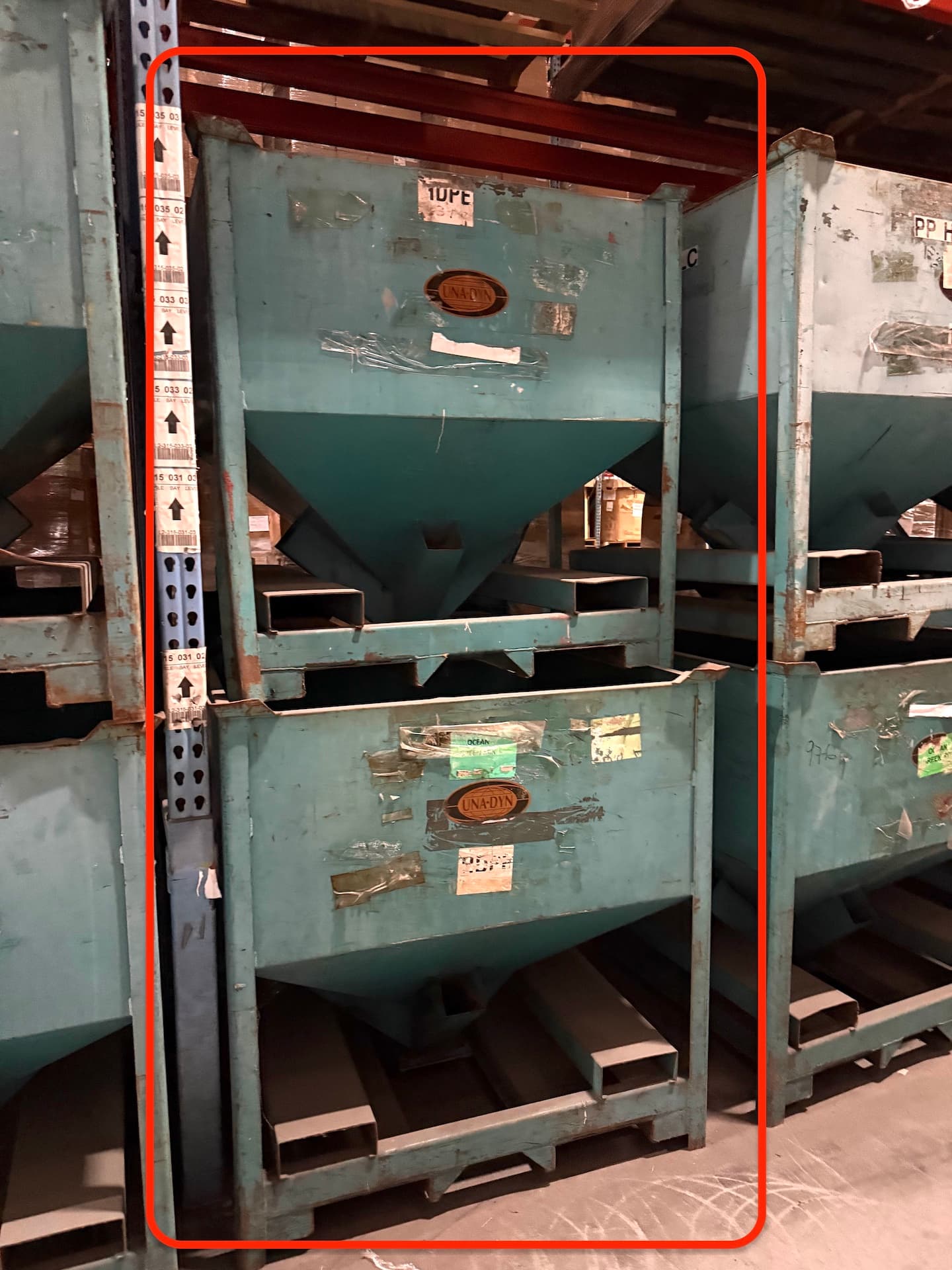
Lot 5
(2) Material Surge Bins
Apopka, FL
Live auction · Tue, Oct 20, 10:00 AM CT
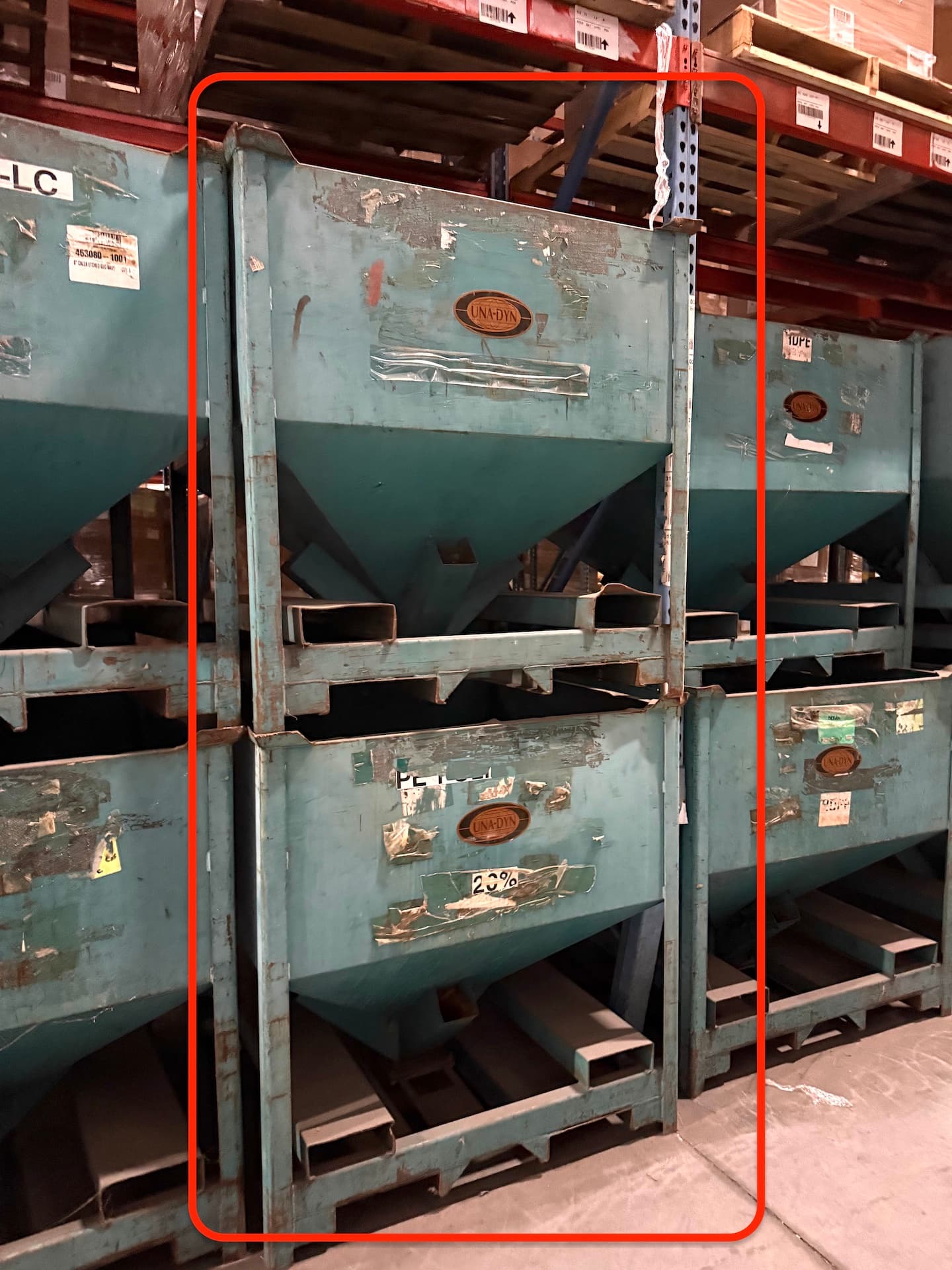
Lot 4
(2) Material Surge Bins
Apopka, FL
Live auction · Tue, Oct 20, 10:00 AM CT
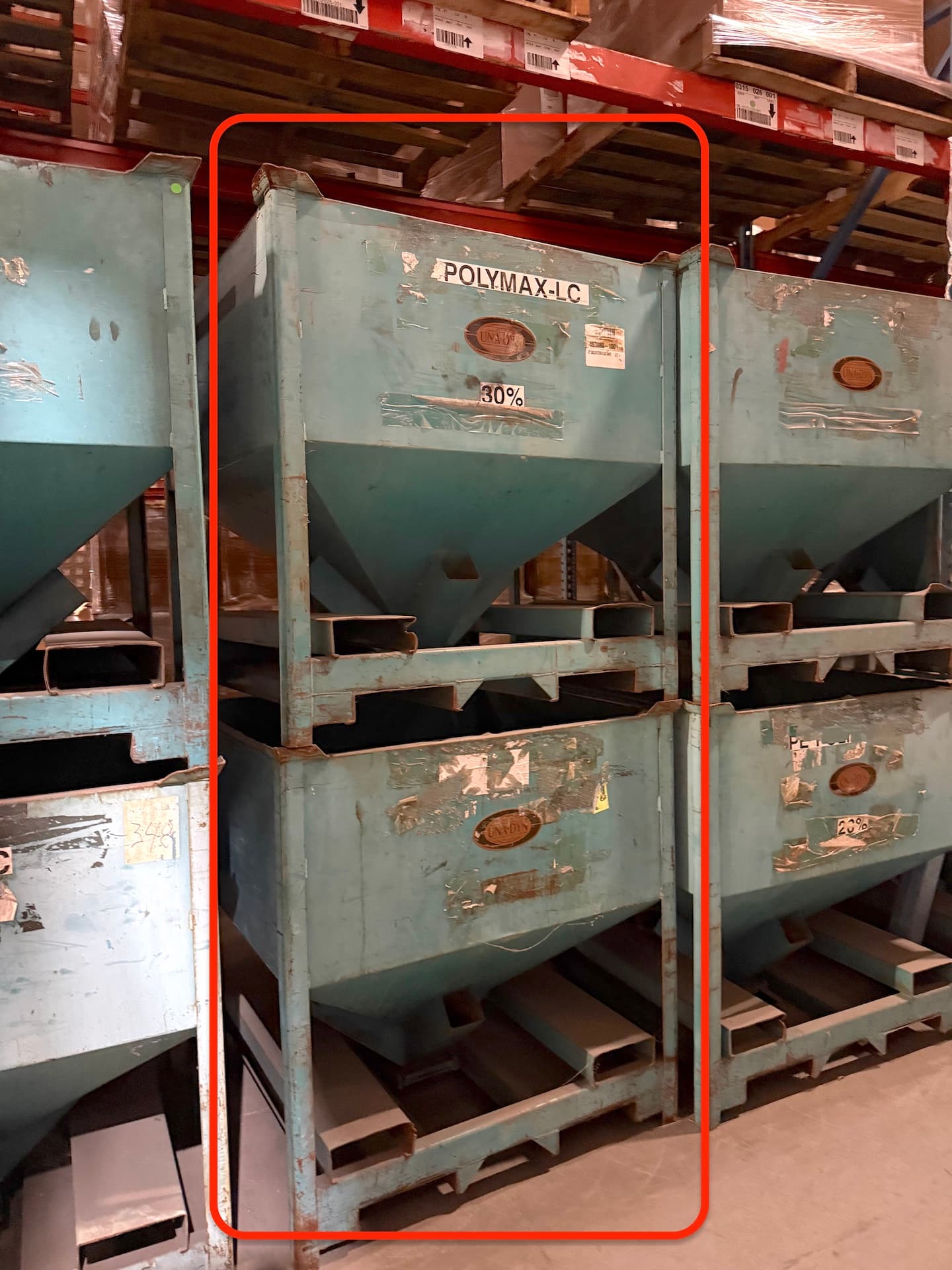
Lot 3
(2) Material Surge Bins
Apopka, FL
Live auction · Tue, Oct 20, 10:00 AM CT
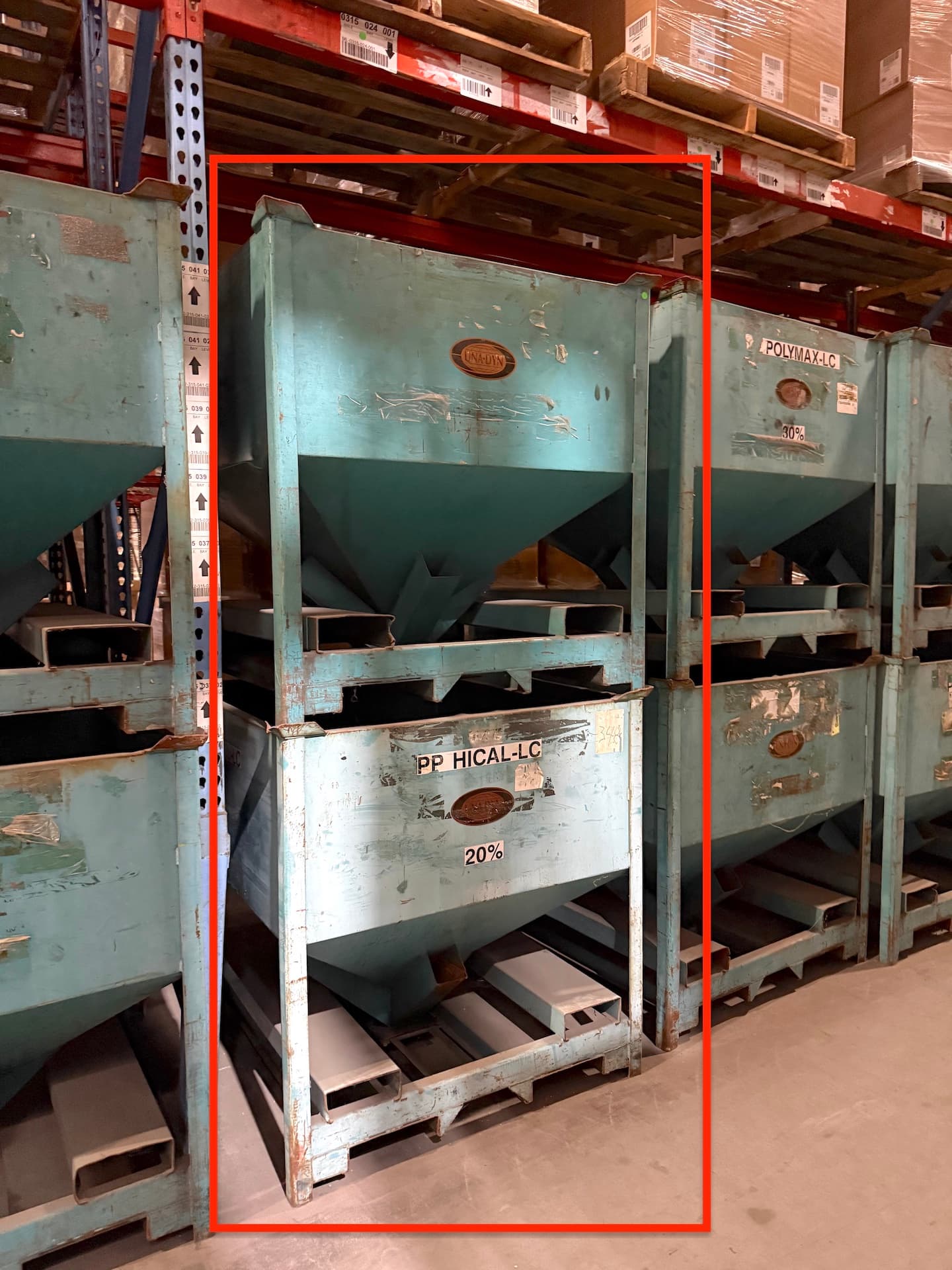
Lot 2
(2) Material Surge Bins
Apopka, FL
Live auction · Tue, Oct 20, 10:00 AM CT
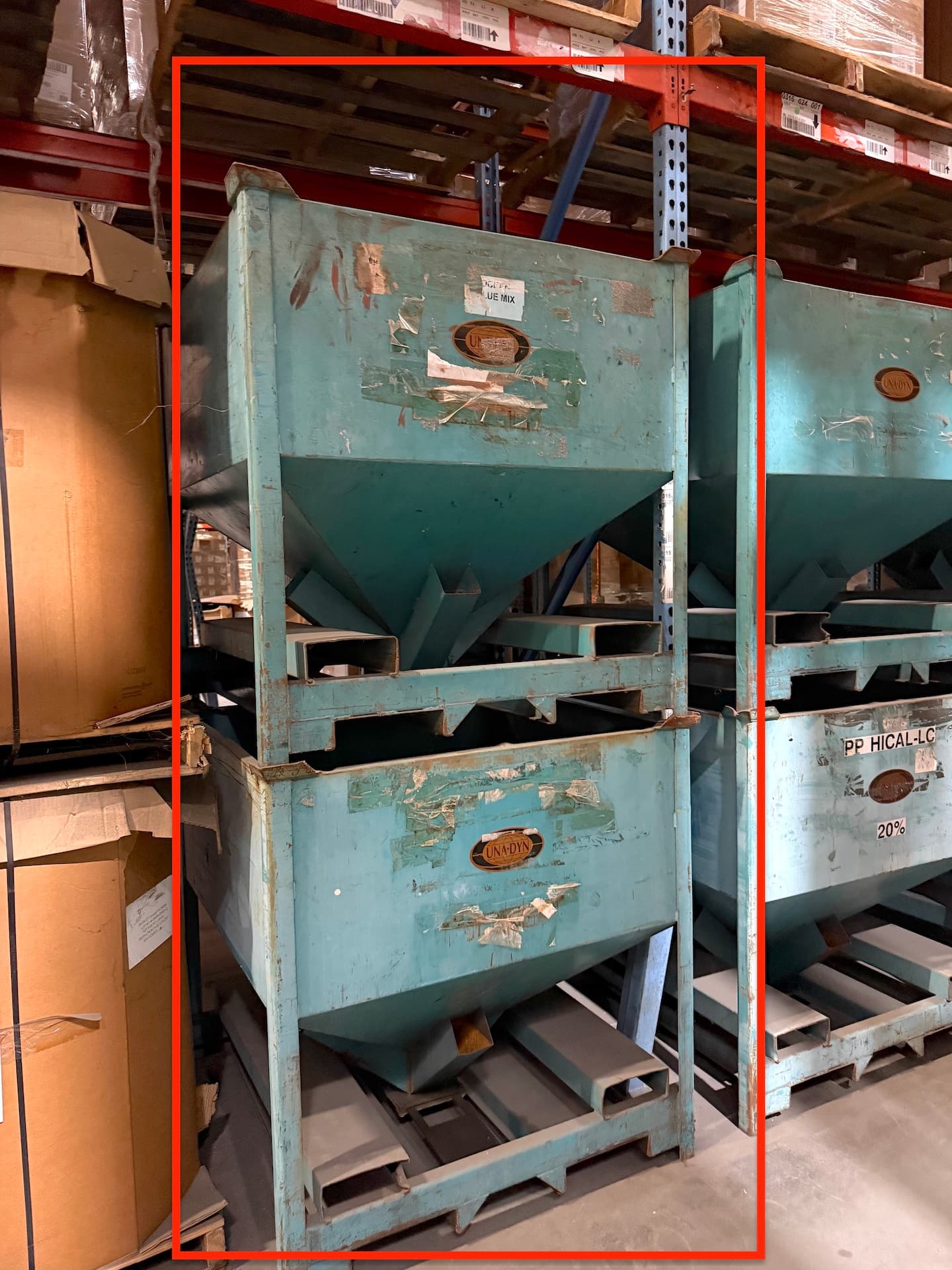
Lot 1
(2) Material Surge Bins
Apopka, FL
Live auction · Tue, Oct 20, 10:00 AM CT

Wittmann Material Hopper w/Wittmann Material Loader
USA

Wittmann Material Hopper
USA

Wittmann Material Hopper w/Wittmann Material Loader
USA

Wittmann Material Hopper w/Wittmann Material Loader
USA

Wittmann Material Hopper w/Wittmann Material Loader
USA

Lot 9
Dri-Air Surge Bin w/Dri-Air FX2 Material Conveying System Control & Dri-Air Vacuum VR-38-20 Receiver
Royse City, TX
Live auction · Thu, Oct 22, 10:00 AM CT
Looking for Something Specific?
Most of our inventory sells before we can list it online. If you need a specific brand, model, or specification, tell us what you need—we have access to unlisted equipment and machines coming in from plant closures.
Looking to Sell?
Meadoworks is an active cash buyer of used industrial equipment. Get a free valuation from our AMEA-certified appraisers.
About Used Hoppers & Material Bins
A material hopper is the steel vessel that holds pellets before a press, a dryer or a blender takes a dose. It does not melt resin and it does not pull a vacuum. Pellets sit until a loader or a gravity throat calls for them. Two builds get mixed together because both are steel and both sit over a throat. A drying vessel is insulated, coned, and fed with hot dry air so nylon or PET loses moisture while it waits. With the airflow right and the cone actually moving the pellets, PET usually wants about four to six hours. A surge bin has no heater. It only keeps a steady level so the loader is not sucking air between gaylord changes. Sight glasses, a slide gate and a lid gasket are what actually wear out.
Capacity is residence time, not a guess from the photo. Multiply the pounds per hour the press uses by the hours that resin must stay hot. Many nylons want about four hours. At roughly 35 pounds per cubic foot, a tall cone can still be short on a fast cycle. Insulated drying cones are built from about 60 pounds up past a few thousand, which is a reminder to calculate pounds rather than to shop by height. Leave freeboard so a loader blast does not blow the lid. A surge bin skips the hours and only has to cover a box change. Modular bins in the 20 to 70 cubic foot range are storage, often with a 60 degree cone so regrind does not bridge. A heater band on that bin does not make it a dryer. The air path, the diffuser and the insulation are the difference.
On the cell the vessel sits under a vacuum loader or on the air outlet of a desiccant dryer. The loader empties it. The dryer supplies the air when the job is drying. A tilter only aims a gaylord at a wand. Keep the hose short. Every extra foot is heat loss or a place to plug. A floor stand has to clear the press, and a machine-mounted cone has to clear the robot. Match the outlet to the hose or the throat starves while the vessel still looks full. Two presses can share a cold surge bin if the resin is the same. They should not share one drying cone, because two rates make the residence time a guess and one color change contaminates both.
Meadoworks takes a used material hopper when a molding plant closes and the drying room leaves with the presses, and when a molder consigns spare bins that no longer match the resin. Inspection starts with the slide gate, the cone and the lid gasket, then the insulation if the vessel was heated. Confirm heater-free storage versus a real drying cone before you compare two cabinets. Rigging is booked with the dryer or the press when the whole cell moves.
How to Choose Used Hoppers & Material Bins
How to Size a Material Hopper
Start from pounds per hour and the hours the resin must stay in the heat, not from press tonnage. Nylon and PET often want about four hours of residence. Multiply the press rate by those hours and leave freeboard so a loader blast does not blow the lid. Then convert. At about 35 pounds per cubic foot, a vessel that looks huge in the photo can still be short on a fast cycle, and a small drying cone can be plenty on a slow press. A surge bin skips the hours. It only has to cover the time between gaylord changes so the loader never sucks air. Measure the straight side and the cone, not the stand. Match the outlet to the hose. A wide outlet on a small loader just makes a leak path, and a tiny outlet on a big loader is the starve point.
Drying Hopper or Surge Bin
A drying hopper is insulated, coned and fed with hot dry air from a desiccant dryer. The pellets have to keep moving so every one sees the same time at temperature. A dead corner in that cone is wet resin later, even when the dryer dew point looks fine. A surge bin is only storage. It can be square, it can sit on the floor, and it should not be asked to dry anything. Use it between a gaylord and a loader, or between a central dryer and several presses, when the goal is a steady level. Putting a heater on a surge bin does not turn it into a dryer. The air path, the diffuser and the insulation are the difference. Look for insulation, a cone and an air inlet before you assume the vessel can condition nylon.
Hoppers & Material Bins Specs to Compare
| Spec | Typical range | Why it matters |
|---|---|---|
| Working capacity (lb) | Often 100–400 lb beside a press | Sets how long resin can stay in the heat, or how long a surge bin covers a box change. |
| Volume (cu ft) | Convert to pounds at about 35 pounds per cubic foot so a tall photo is not mistaken for a heavy charge. | |
| Discharge opening (in) | Often 2–4 in on press hoppers | Has to match the loader hose or the throat, or the vessel looks full while the press starves. |
| Cone and diffuser | A diffuser spreads dry air, and a steep cone stops pellets from sitting cold in a corner of the charge. | |
| Insulation | Bare steel loses the dryer heat before the resin finishes its residence time and reaches a real setpoint. | |
| Level indication | Tells the loader and the operator whether the vessel is bridging, empty or actually ready to feed the press. |
Working capacity (lb)
Typical range: Often 100–400 lb beside a press
Sets how long resin can stay in the heat, or how long a surge bin covers a box change.
Volume (cu ft)
Convert to pounds at about 35 pounds per cubic foot so a tall photo is not mistaken for a heavy charge.
Discharge opening (in)
Typical range: Often 2–4 in on press hoppers
Has to match the loader hose or the throat, or the vessel looks full while the press starves.
Cone and diffuser
A diffuser spreads dry air, and a steep cone stops pellets from sitting cold in a corner of the charge.
Insulation
Bare steel loses the dryer heat before the resin finishes its residence time and reaches a real setpoint.
Level indication
Tells the loader and the operator whether the vessel is bridging, empty or actually ready to feed the press.
What to Inspect on Used Hoppers & Material Bins
Cycle the slide gate
A gate that will not close leaks pellets onto the floor, and a gate that sticks shut starves the loader while the vessel still looks full.
Look through the sight glass
Clouded glass and packed fines hide the level, so the loader either runs empty or keeps filling a hopper that is already bridged.
Open the cleanout door
Pellets baked on the wall or a different color in the cone mean the last resin never left and will contaminate the next run.
Check the cone and diffuser
A dented cone or a missing diffuser lets air channel up one side, so part of the charge never dries.
Feel the insulation jacket
Torn insulation and a rusted shell waste dryer heat and can hide a leak that wets the resin again.
Inspect the lid gasket
A lid that does not seal lets moist room air in and lets the loader blow dust out every time it conveys.
Read the stand and outlet
Confirm the stand height clears the press and the outlet size matches the hose before the vessel is on a truck.
Meadoworks Track Record
23
Sold through Meadoworks
15
Listed now
Makes we have handled most
Whitlock, Una-Dyn, Wittmann, Conair, International Material Control Systems (IMCS), AEC-Whitlock
Common models
International Material Control Systems (IMCS) 30-5000 Surge Bin, Whitlock DH3.0FIQ, Whitlock DH-3.0FI, Conair CH33-28, Wittmann Silmax E1200 Material Hopper w/Wittmann Material Loader
Related Equipment
- Vacuum Loaders
The loader that empties this vessel
- Desiccant Dryers
The dryer that feeds air to a drying hopper
- Loaders, Hoppers & Conveying
Hoppers, loaders and tilters as one family
Hoppers & Material Bins Brands We've Sold
Una-Dyn
US drying brand known for hoppers and dryers.
Whitlock
US auxiliary name on drying hoppers and loaders.
Wittmann
Austrian builder whose loaders often sit on hoppers.
Conair
US builder of drying hoppers and surge bins.
International Material Control Systems (IMCS)
US maker of hoppers, tilters and bins.
Common Applications
Frequently Asked Questions
How do I size a material hopper for residence time?
Multiply the pounds per hour the press uses by the hours that resin must stay hot. Many nylons want about four hours, and PET often wants at least that. The product is the working pounds the material hopper must hold, plus a little freeboard so the loader does not blow the lid. Convert cubic feet at about 35 pounds per cubic foot if you only have a volume. A surge bin skips the hours and only has to cover a gaylord change.
Is a drying hopper the same vessel as a surge bin?
No. A drying hopper is insulated, has a cone and a diffuser, and is fed hot dry air from a desiccant dryer so pellets lose moisture while they wait. A surge bin is a material hopper with no heat. It only keeps a steady level for a loader. Using a bare bin as a dryer leaves nylon wet. Putting a heater band on a surge bin still does not give you mass flow or a real air path. Read the nameplate area for insulation, a cone and an air inlet.
What should I inspect on a used material hopper?
Cycle the slide gate, look through the sight glass, and open the cleanout. Baked-on resin or a second color in the cone will contaminate the next job. Check the diffuser and the cone for dents that let air channel. Torn insulation means the dryer heat never reaches the pellets. A lid gasket that is gone lets moist room air in every time the loader pulls. Confirm the stand height and the outlet size match the press and the hose before you ship it.
When does a plastic hopper need a diffuser cone?
A plastic hopper needs a diffuser when it is drying, not when it is only storing. The cone and the center air pipe make pellets move and spread dry air through the whole charge. Without that, air shoots up one side and a cold corner stays wet. A surge bin does not need the cone for drying because it is not drying. It may still want a steep outlet so regrind does not bridge. If the vessel is a plain square bin, do not plan on drying nylon in it.
Can one material hopper feed two presses?
A large surge bin can, if both loaders can pull without emptying it between gaylord changes, and if the resins are the same. A drying hopper usually should not. Two presses at two rates make the residence time a guess, and one color change contaminates both. Most cells give each press its own drying hopper and share only a cold surge bin or the gaylord. If you do share, size the vessel for the faster press and confirm both hoses fit the outlet.
What does a sight glass tell me about flow?
A clear sight glass shows whether pellets are moving or sitting packed. A level that never drops means the outlet is bridged or the gate is shut. A level that collapses the moment the loader starts means the material hopper is too small or the loader is oversized. Clouded glass hides both problems. On a drying hopper, fines packed at the glass often mean the cone is not mass-flowing and some resin is overstaying. Clean the glass before you trust the level.
