Used Pressure Forming Thermoforming Machines for Sale
All used thermoforming machines & thermoformers (7) →
0 results
No matching equipment is listed online right now.
Most of our inventory sells before we can list it. Browse related equipment or tell us what you need — we source from plant closures across North America.
Related Equipment Available Now
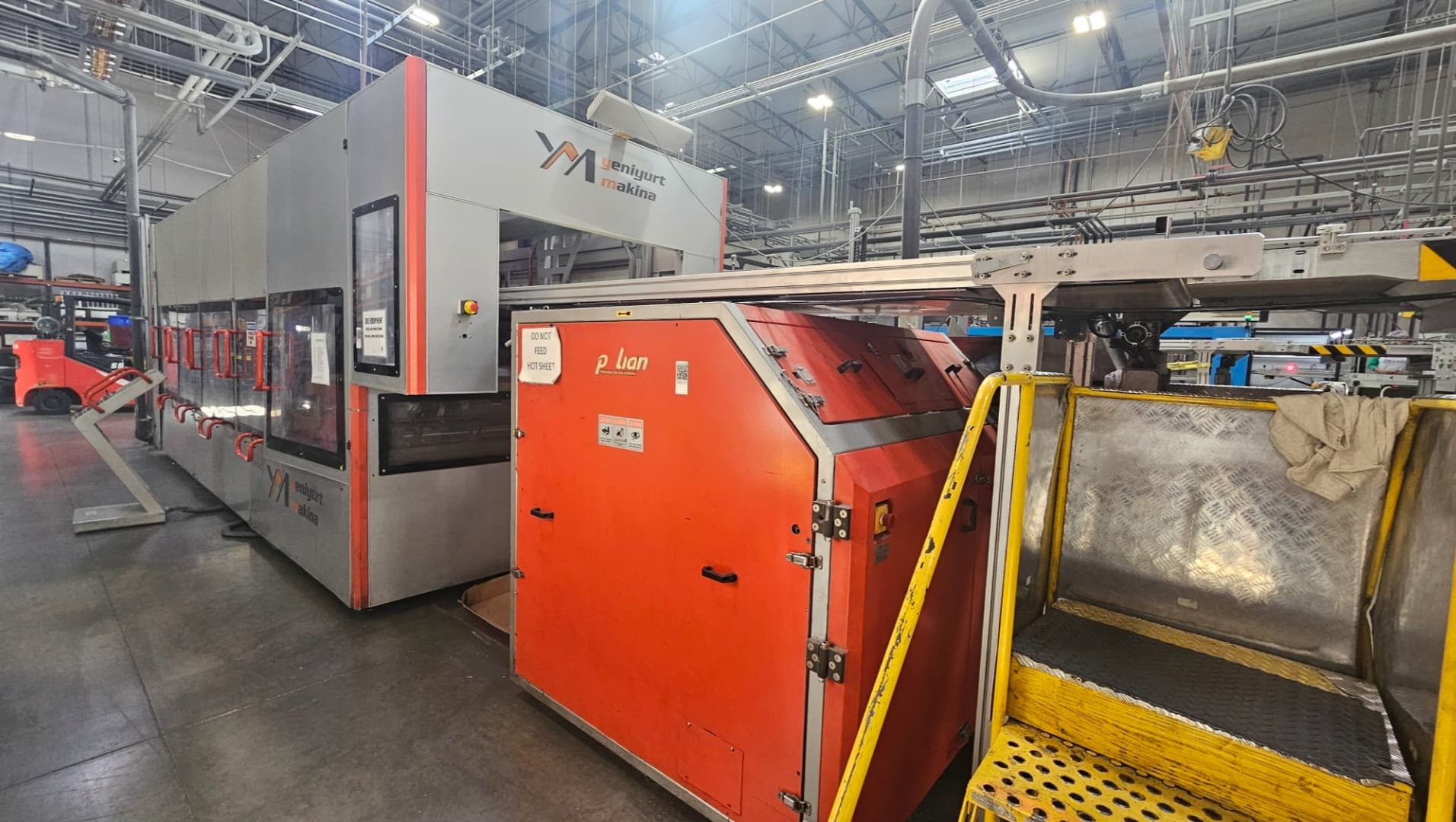
Item #6596
Yeniyurt Makina YM8565/3 Thermoforming Line
USA
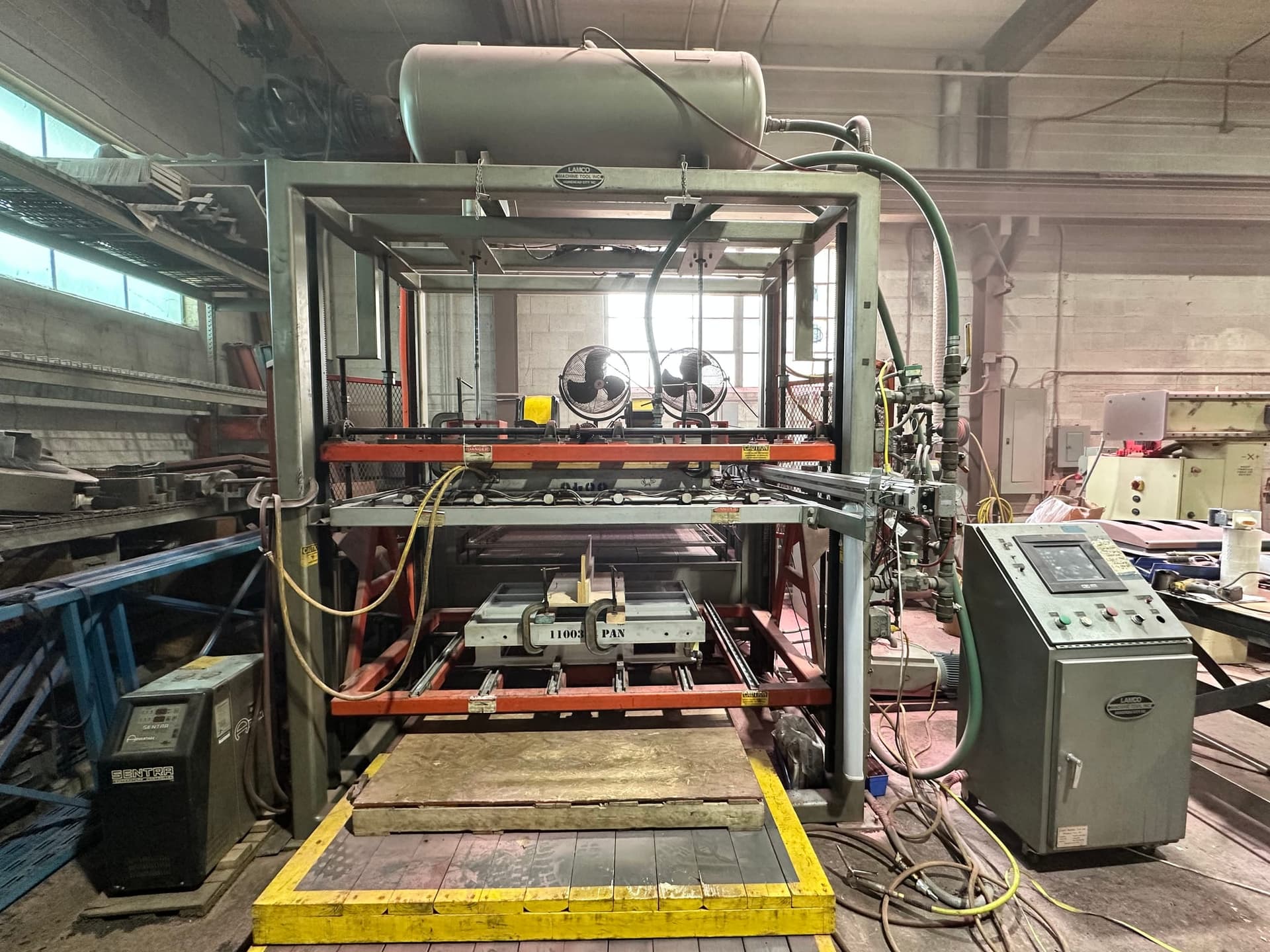
Item #6418
Lamco Machine Tool SSS3X5A Thermoformer
USA
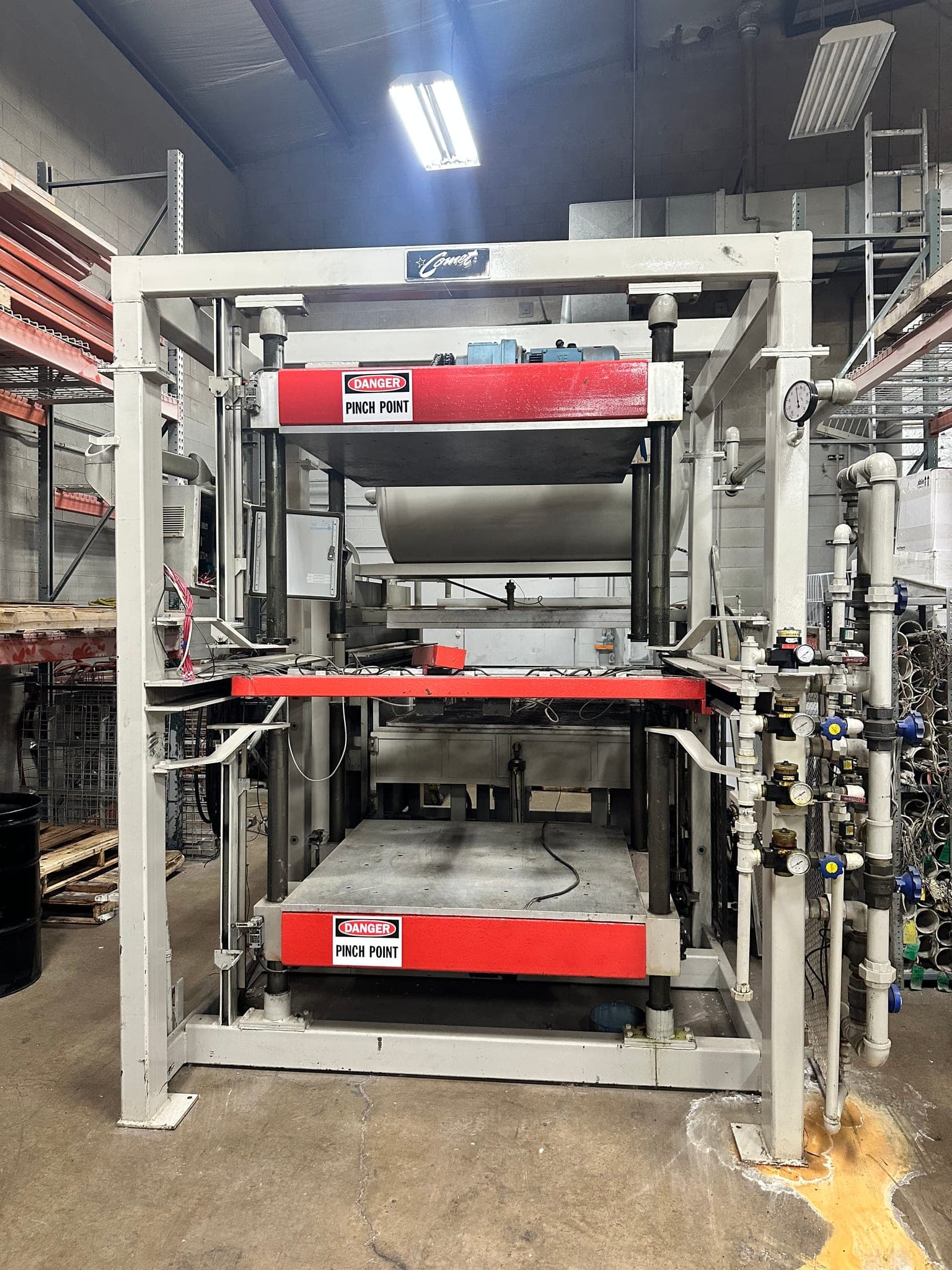
Item #6419
MAAC C44S Sheet Thermoformer
USA

Item #6319
Sibe Sheet Thermoforming Machine
USA

Item #6302
Starview IF 25x36 Thermoformer
Canada

Item #6301
ARMAC 281 3030L Thermoformer
Canada

Item #5714
Formtech - TF686
USA
Looking for Something Specific?
Most of our inventory sells before we can list it online. If you need a specific brand, model, or specification, tell us what you need—we have access to unlisted equipment and machines coming in from plant closures.
Browse Used Pressure Forming Machines by Brand
Looking to Sell Your Pressure Forming Machines?
Meadoworks is an active cash buyer of used industrial equipment. Get a free valuation from our AMEA-certified appraisers.
About Used Pressure Forming Machines
Pressure forming machines use positive air pressure (up to 100 psi) in addition to vacuum to force heated plastic sheet into the mold with greater force than vacuum forming alone. This produces parts with sharper detail, textured surfaces, and injection mold-quality cosmetics at thermoforming speeds and costs. Pressure forming (also called presses for thermoforming) bridges the gap between thermoforming and injection molding for medium-volume production.
Used pressure forming thermoforming machines are available from Brown Machine, Sencorp, and other manufacturers. Contact Meadoworks at 800-323-0307.
How to Choose a Used Pressure Forming Machine
Air pushes, vacuum pulls
Pressure forming adds positive air, often up to about 100 psi, on top of vacuum. The sheet is driven into texture and sharp detail that vacuum alone smears. Housings and cosmetic covers are the reason. A vacuum-only shuttle will not match that surface because you turn the pump up.
The machine needs a pressure box, seals, and a mold that can take the load. The sheet still has to be heated evenly first.
The mold takes the pressure
Temperature-controlled aluminum is the usual tool. A cheap vacuum mold can crush or leak when the box is pressurized. Plug assist still matters on a deep draw.
Gauge and sheet size follow the same rules as a shuttle. Pressure is the surface. It does not make a small oven form a larger sheet.
By size: Typical Used Pressure Forming Machine Price Ranges
Small and mid-size pressure formers: about $30,000–$100,000
Large production pressure formers: about $80,000–$250,000+
Forming pressure rating, forming area, a pressure box that matches your molds, oven type and zoning, and age move the price.
These are typical used-market ranges, not a quote on any machine. For a current figure on a specific machine, request a quote or call 800-323-0307.
By brand
MAAC Machinery: Heavy-gauge machines with pressure-forming boxes.
Geiss: Single-station heavy-gauge machines with pressure forming.
Sencorp and Kiefel: Pressure-forming versions of their thermoformers; both are makes we have sold.
Meadoworks track record
Meadoworks has sold more than a dozen used thermoforming machines — Sencorp (most), ZED Industries, Gabler, Kiefel, Brown Machine and Comet Industries — and has listed sheet-fed and roll-fed thermoformers from MAAC, Lamco, ARMAC, Starview, Saver Innovations, Sibe and Yeniyurt Makina.
Pressure Forming Machine Specs to Compare
| Spec | Typical range | Why it matters |
|---|---|---|
| Forming pressure (psi) | Often up to about 100 psi | Detail comes from this, plus vacuum. Confirm the machine can actually hold it. |
| Sheet size (in) | Clamp frame. The box has to seal that sheet. | |
| Oven zones | Even heat before the air hits. A cold spot will not take texture. | |
| Mold cooling | The tool has to set the skin. No water circuit, no cycle. |
Forming pressure (psi)
Typical range: Often up to about 100 psi
Detail comes from this, plus vacuum. Confirm the machine can actually hold it.
Sheet size (in)
Clamp frame. The box has to seal that sheet.
Oven zones
Even heat before the air hits. A cold spot will not take texture.
Mold cooling
The tool has to set the skin. No water circuit, no cycle.
What to Inspect on a Used Pressure Forming Machine
Seal the box
Gaskets and locks. Pressure that leaks is vacuum forming with extra parts.
Read the gauge
The forming pressure the machine holds, not the compressor's nameplate.
Heat a sheet
Sag should be even. Edges that burn while the center is stiff will not form.
Inspect the mold
Texture and water lines. A vacuum-only tool may not survive the pressure.
More Thermoformers types
Types of Thermoforming
Common Applications
Frequently Asked Questions
What is pressure forming?
Pressure forming uses compressed air (up to 100 psi) to force heated plastic sheet into a mold, producing parts with much sharper detail and better surface quality than vacuum forming. The result approaches injection mold quality at lower tooling costs and shorter lead times — ideal for medium-volume production of cosmetic housings and enclosures.
How much does a used pressure forming machine cost?
Typical used-market ranges: small and mid-size pressure formers about $30,000–$100,000, and large production machines about $80,000–$250,000+. Pressure rating, forming area and age move the price. Call 800-323-0307 for a current figure on a specific machine.
Pressure forming or vacuum forming — what is the difference?
Vacuum forming pulls the hot sheet onto the mold with vacuum alone (about 14 psi). Pressure forming adds compressed air on top — often up to about 100 psi — so the part picks up sharp corners, texture and lettering, close to an injection-molded finish.
What parts are pressure formed?
Parts that need a sharp, detailed show surface: medical and electronic equipment housings, kiosk and vending panels, vehicle interior trim and appliance covers — usually in ABS, PC/ABS, acrylic/PVC or HIPS sheet.
What should I inspect on a used pressure former?
The pressure box seals and clamps, the air supply and valves, the platen and its lock-up, the heater zones and the mold temperature control. Ask what pressure and part it last ran.
Related Resources
Need Help Finding the Right Equipment?
Contact our team with your specifications and we'll help you find the right machine.
