Used Band Saws & Metal Cutting Saws for Sale
Recently sold
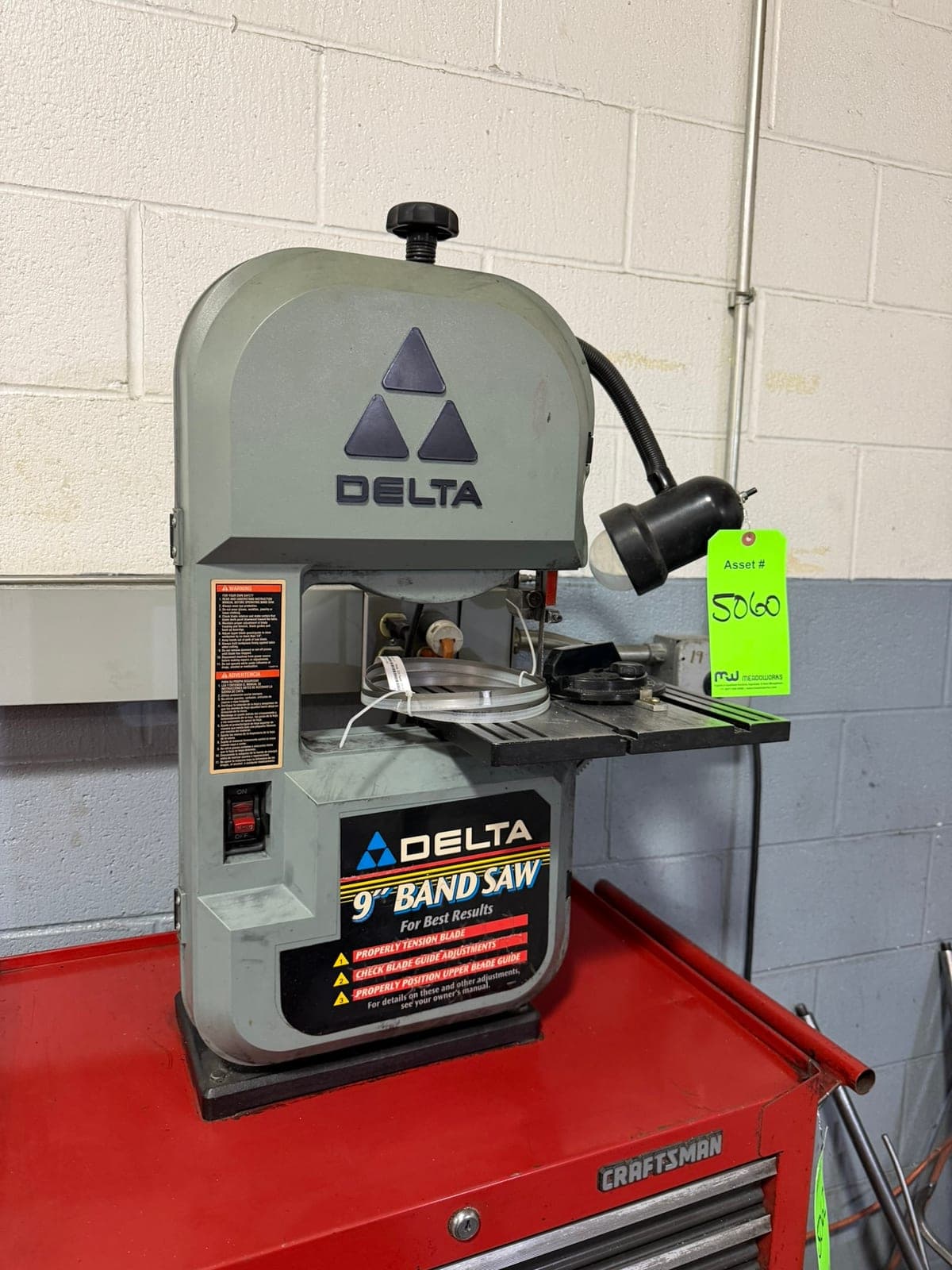 SOLD
Item #6666
Delta 9 in Benchtop Band Saw
USA
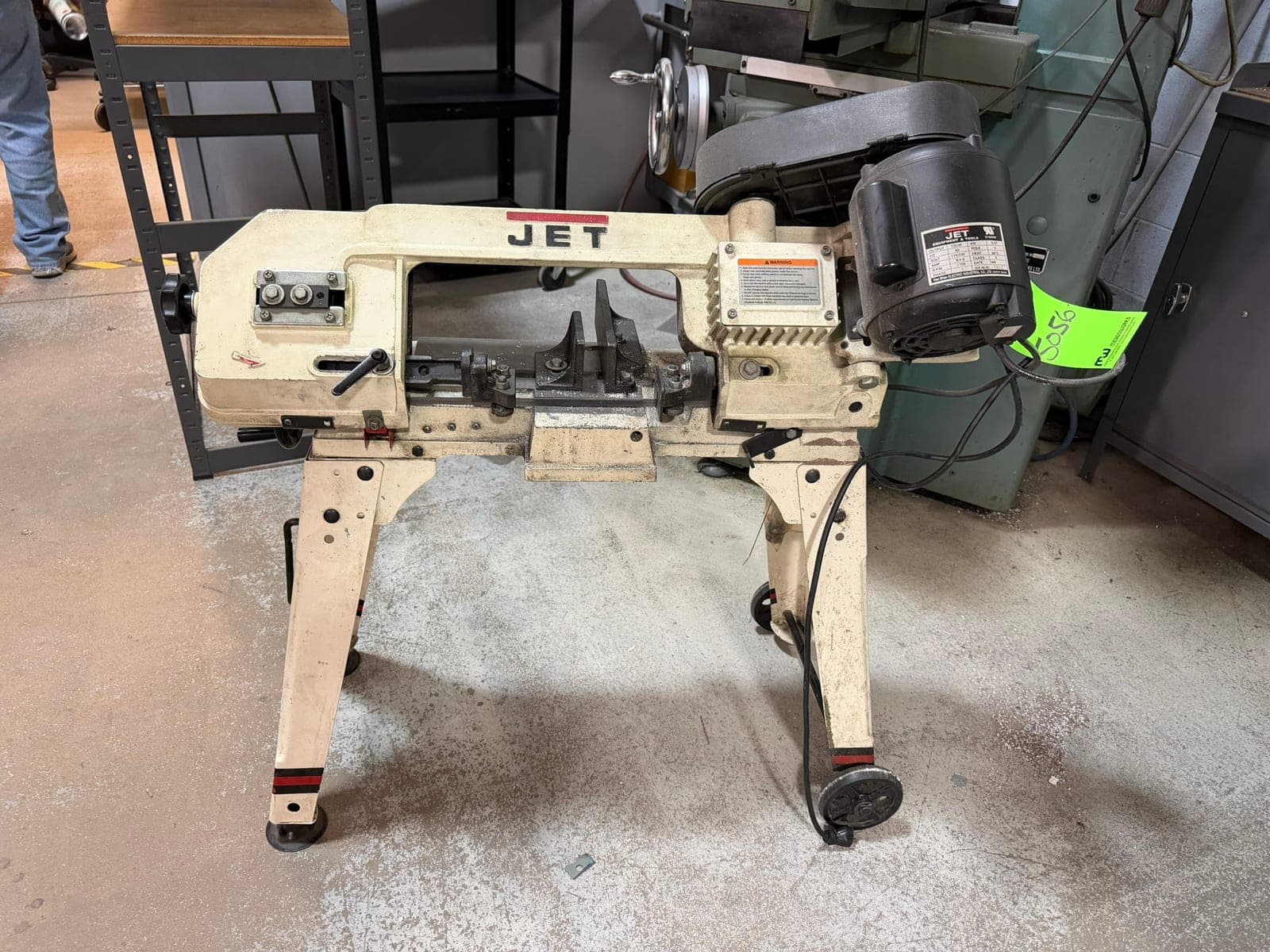 SOLD
Item #6663
Jet Horizontal/Vertical Metal Cutting Band Saw
USA
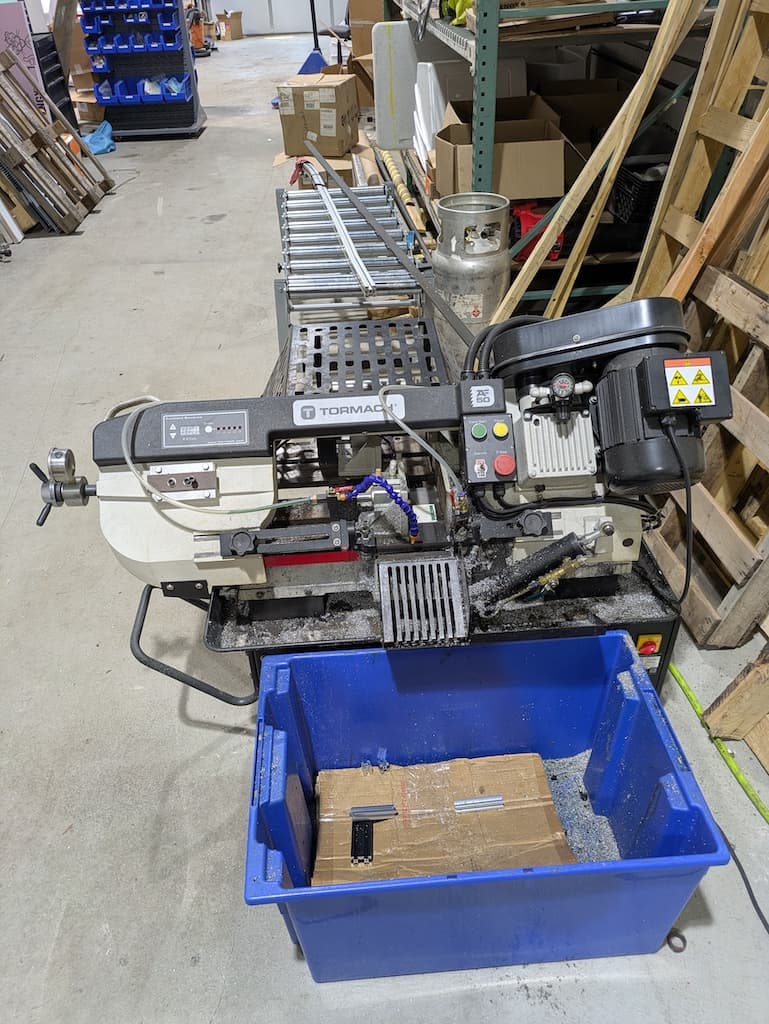 SOLD
Item #6397
Tormach AF50 Horizontal Bandsaw
USA
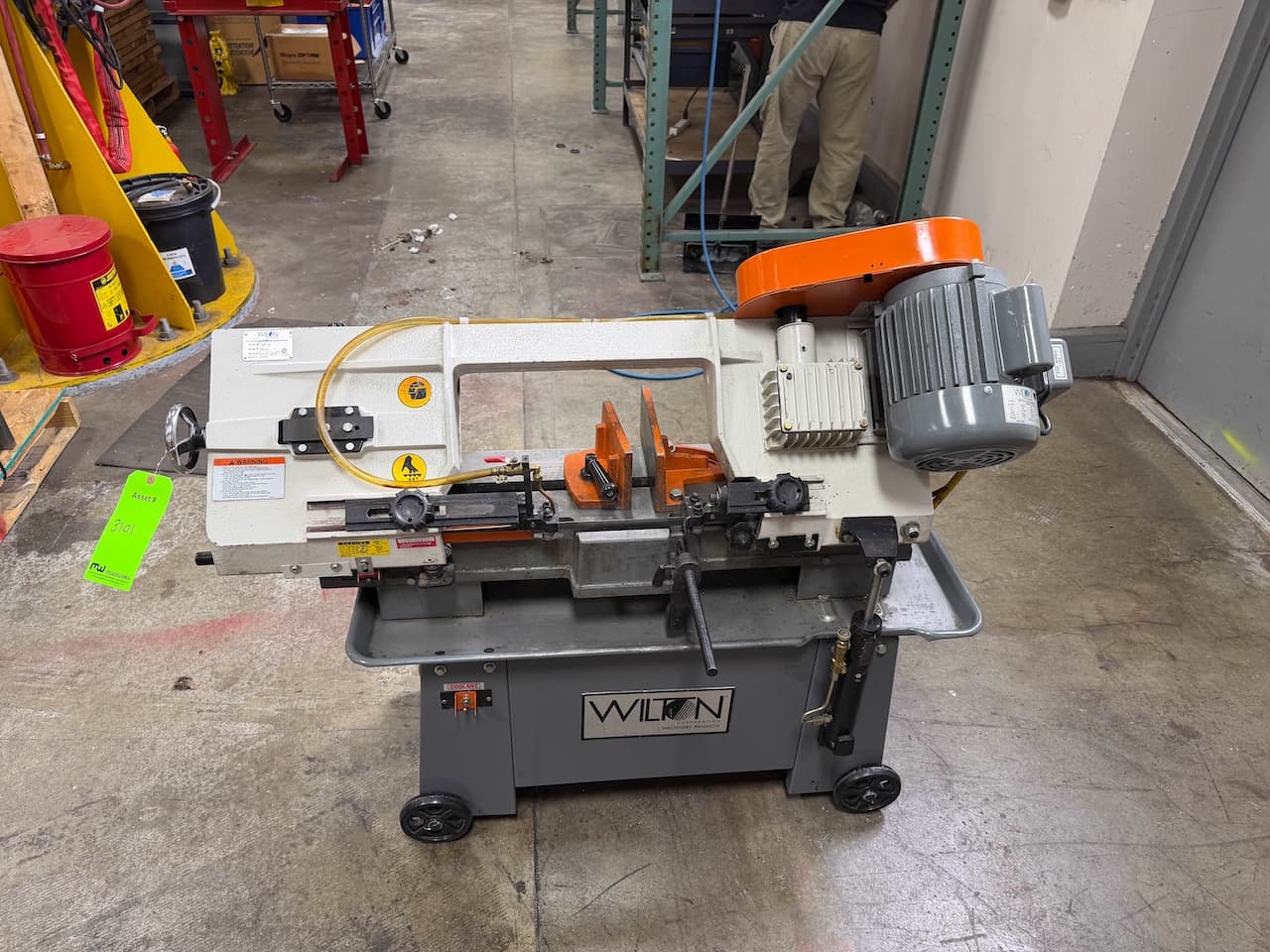 SOLD
Item #6551
Wilton 7 in x 12 in Horizontal/Vertical Metal Cutting Bandsaw
USA
 SOLD
Item #6098
Work-A-Matic Trademaster Vertical Band Saw
USA
 SOLD
Item #6099
2016 PRM 9" Horizontal Band Saw
USA
 SOLD
Item #6097
Roll-In EF1459 Vertical Band Saw
USA
 SOLD
Item #1766
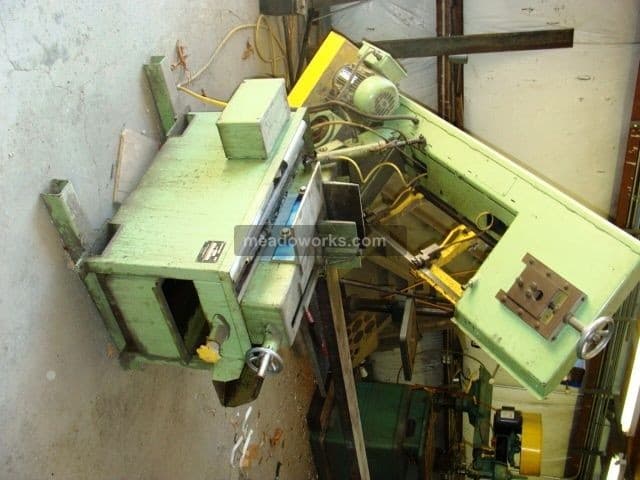
Startrite H225W Horizontal Wet Band Saw
USA
 SOLD
Item #2231
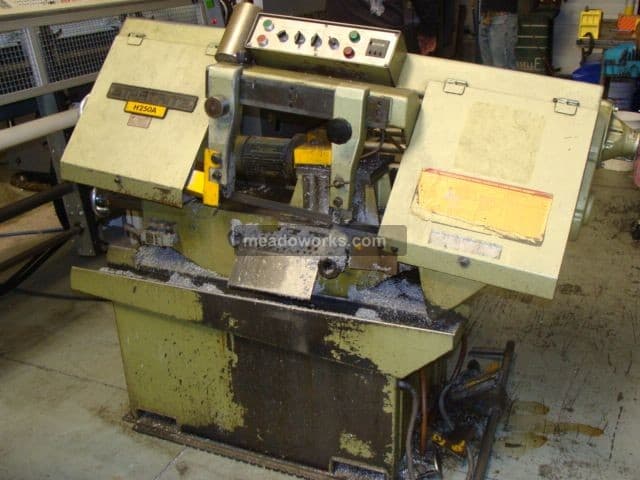
Startrite H250A
USA
 SOLD
Item #1297
Kalamazoo Machine Tool H9AW
USA
Band Saws & Metal Cutting Saws by the numbers
From our own catalog: machines listed now and machines we have sold. Updated every few minutes.
Our track record
10 machines sold · 9 makes · 7 sold at our own auctions
Looking for Something Specific?
Most of our inventory sells before we can list it online. If you need a specific brand, model, or specification, tell us what you need—we have access to unlisted equipment and machines coming in from plant closures.
Browse Used Band Saws & Metal Cutting Saws by Brand
Browse Used Band Saws & Metal Cutting Saws by Country
Looking to Sell Your Band Saws & Metal Cutting Saws?
Meadoworks is an active cash buyer of used industrial equipment. Get a free valuation from our AMEA-certified appraisers.
About Used Band Saws & Metal Cutting Saws
Industrial metal-cutting saws handle stock preparation and cut-off work in fabrication shops, machine shops, and steel service centers. Horizontal band saws cut bar stock, tube, and structural shapes to length — from manual gravity-feed machines to fully automatic CNC saws with bundle-cutting and shuttle feeds. Vertical band saws excel at contour cutting, notching, and trimming plate and fabrications. Cold saws use a circular HSS or carbide blade at low RPM for burr-free, precise cuts on tube and solid stock.
Key specifications include cutting capacity (round and rectangular), blade size, feed system (manual, hydraulic, servo), miter capability, and automation level. Automatic saws with programmable indexing are the standard for production cut-off in steel service centers and high-volume fabrication.
Saws from Startrite, Kalamazoo, Wilton, Tormach, Jet, Bomar and Wellsaw have moved through Meadoworks. Contact us at 800-323-0307 for saw pricing and availability.
How to Choose a Used Industrial Saw
Capacity, Blade and Automation
Size a horizontal band saw to the largest round, square and bundle you cut, and check the miter range if you cut angles. Manual and semi-automatic saws suit job shops; automatic saws with a shuttle vise and bundle clamping run unattended production cutoff.
Vertical band saws are for contour cutting and trimming: check the throat, the table size and a blade welder. Cold saws give a cleaner, faster cut on tube and small bar. Blade speed range and a variable feed matter as much as capacity when you cut stainless and alloys.
By Class: Typical Used Industrial Saws Price Ranges
Manual and semi-automatic horizontal band saws: about $3,000–$10,000.
Automatic production band saws and cold saws: about $30,000–$150,000.
Vertical contour band saws: about $2,500–$25,000.
What moves the price — the capacity, manual or automatic operation, bundle clamping and shuttle feed, the miter range, blade speed range, a blade welder on vertical saws, and the condition of the guides and hydraulics.
These are typical used-market ranges, not a quote on any one machine. For a current figure on a specific machine, request a quote or call 800-323-0307.
By brand
Saws from Startrite, Bomar, Kalamazoo Machine Tool, Wilton, Tormach, Jet and Wellsaw have moved through Meadoworks, horizontal cutoff saws and vertical contour saws alike.
We have sold Startrite horizontal band saws and Kalamazoo, Wilton, Tormach and Jet band saws, and our catalog has carried a Startrite vertical saw with a blade welder and Bomar and Wellsaw machines.
Industrial Saw Specs to Compare
| Spec | Typical range | Why it matters |
|---|---|---|
| Round capacity | Often 7–20 in on horizontal saws | Sets the largest bar you can cut off. |
| Rectangular capacity | Often 7 x 10 to 20 x 24 in | Sets the largest flat or bundle. |
| Blade speed | Often 50–400 ft/min | Slow speeds cut stainless and alloys; fast speeds cut aluminum. |
| Miter range | Often 0–45 or 0–60 degrees | Lets you cut angles without a second setup. |
| Vertical saw throat | Often 14–36 in | Sets the widest plate you can contour cut. |
Round capacity
Typical range: Often 7–20 in on horizontal saws
Sets the largest bar you can cut off.
Rectangular capacity
Typical range: Often 7 x 10 to 20 x 24 in
Sets the largest flat or bundle.
Blade speed
Typical range: Often 50–400 ft/min
Slow speeds cut stainless and alloys; fast speeds cut aluminum.
Miter range
Typical range: Often 0–45 or 0–60 degrees
Lets you cut angles without a second setup.
Vertical saw throat
Typical range: Often 14–36 in
Sets the widest plate you can contour cut.
What to Inspect on a Used Industrial Saw
Make a test cut
Cut full capacity and check squareness and blade drift.
Check the guides
Look at the carbide guides and bearings for wear.
Run the feed
Check the hydraulic downfeed and, on automatics, the shuttle vise and bundle clamp.
Listen to the drive
Check the gearbox and wheels for noise and the blade tension for holding.
Test the coolant
Confirm the pump and lines deliver coolant to the cut.
On vertical saws
Test the blade welder and the table tilt.
Related Equipment
- Used Band Saws
Horizontal cutoff band saws by capacity
- Used Vertical Saws
Contour and plate saws
- Used Fiber Lasers
Fast sheet cutting on thin and mid-gauge steel
- Used Hydraulic Shears
Square blanks before the laser, brake or punch
Types of Metal Cutting & Fabrication
Common Applications
Frequently Asked Questions
What is the difference between a horizontal and vertical band saw?
A horizontal band saw feeds the blade down through stationary stock and is used for cut-off work — cutting bars, tubes, and structural shapes to length. A vertical band saw holds the blade vertically while the operator feeds the workpiece, making it ideal for contour cutting, notching, and trimming plate or fabrications. Most fabrication shops run both.
How much does a used industrial band saw cost?
Used horizontal band saws range from $3,000-$10,000 for manual machines to $30,000-$150,000+ for automatic CNC production saws with bundle clamping and servo indexing. Vertical band saws range from $2,500-$25,000 depending on throat capacity and features. Production saws with bundle clamping hold value best. Request a quote on any listing or call 800-323-0307 for a current price.
What should I check on a used industrial band saw?
Make a full-capacity test cut and check that it is square with no blade drift. Look at the guide inserts and bearings, run the hydraulic downfeed and, on automatic saws, the shuttle vise and bundle clamp. Listen to the gearbox, confirm the blade tension holds and the coolant reaches the cut, and on a vertical saw test the blade welder.
Do I need an automatic saw or a manual one?
A manual or semi-automatic saw suits a job shop that cuts a few pieces of many sizes. An automatic saw with a shuttle vise feeds bar and cuts to length unattended, which pays off when you cut hundreds of pieces of the same stock. Bundle clamping cuts several bars at once for higher output.
When is a cold saw better than a band saw?
A cold saw uses a circular blade and cuts tube, pipe and small bar faster with a cleaner, squarer edge that often needs no deburring. A band saw cuts larger sections and solid bar with less blade cost per cut. Many shops use a cold saw for tube and a band saw for heavy stock.
Related Resources
Need Help Finding the Right Equipment?
Contact our team with your specifications and we'll help you find the right machine.
