Used Lab & Test Equipment for Sale
See all 22 Inspection & Lab Equipment →
13 results
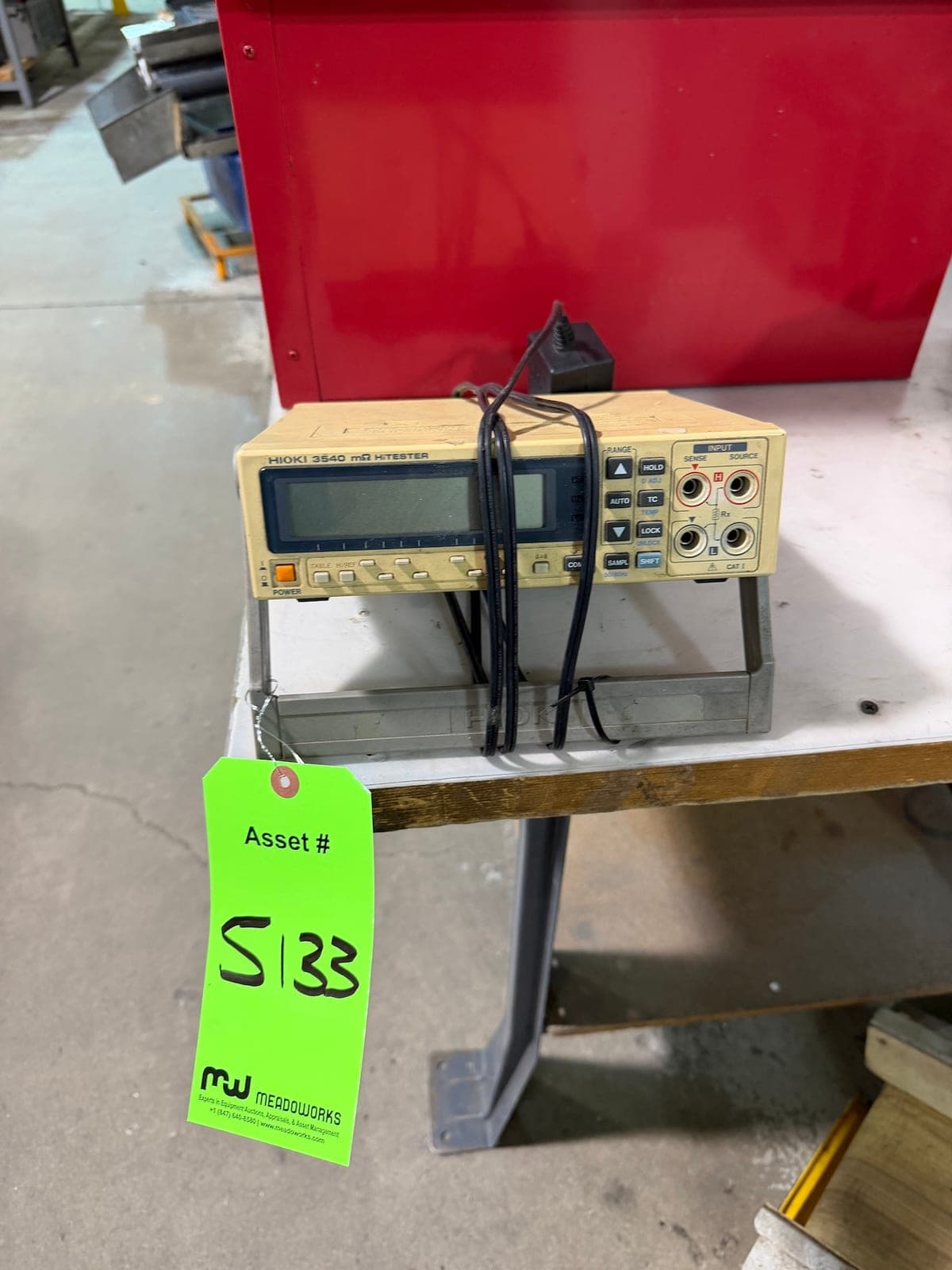
Lot 49A
Hioki mOhm HiTester Milliohm Meter
Naperville, IL
Live auction · Tue, Oct 27, 10:00 AM CT
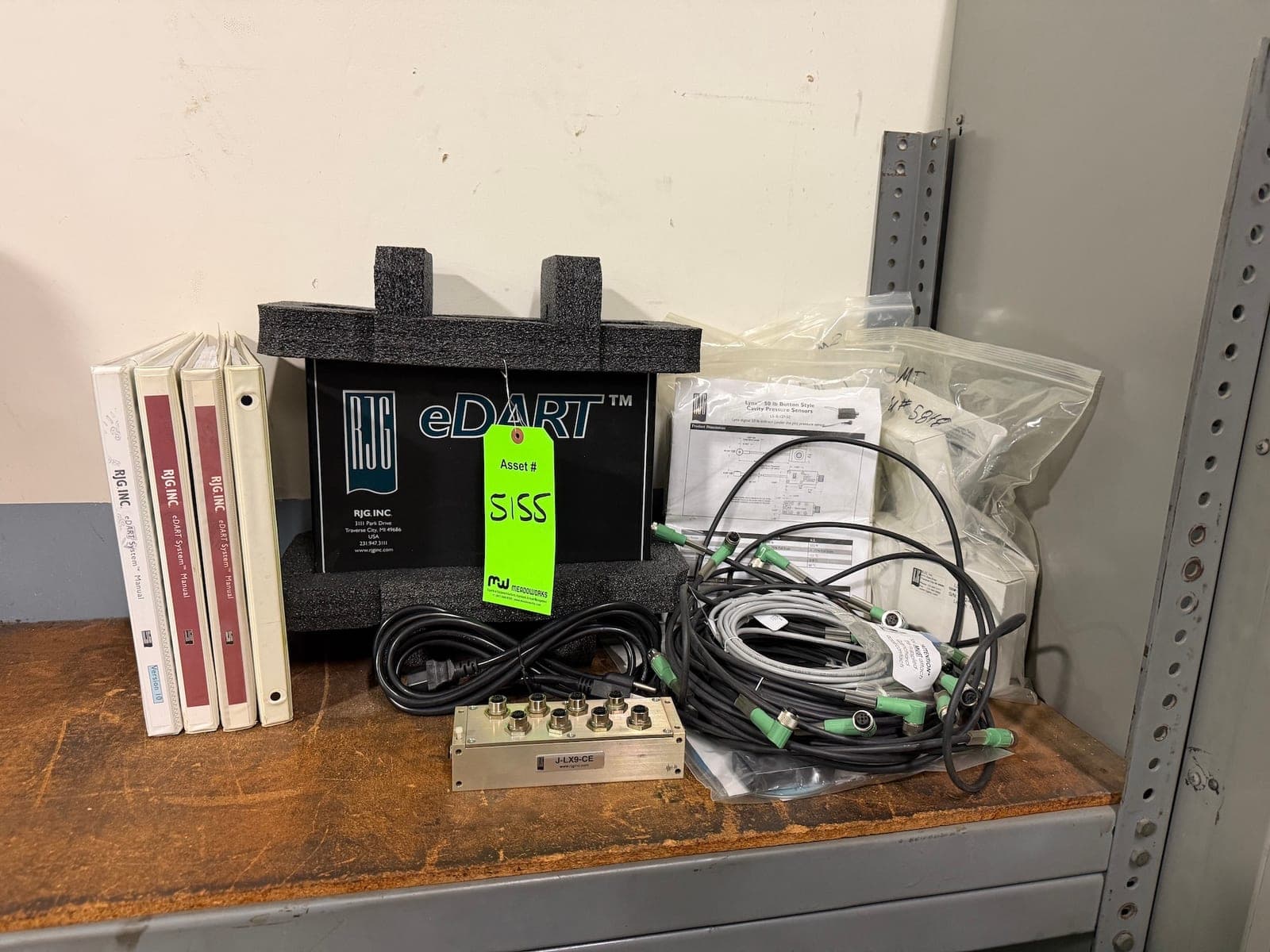
Lot 147
RJG Cavity Pressure Monitoring System
Naperville, IL
Live auction · Tue, Oct 27, 10:00 AM CT
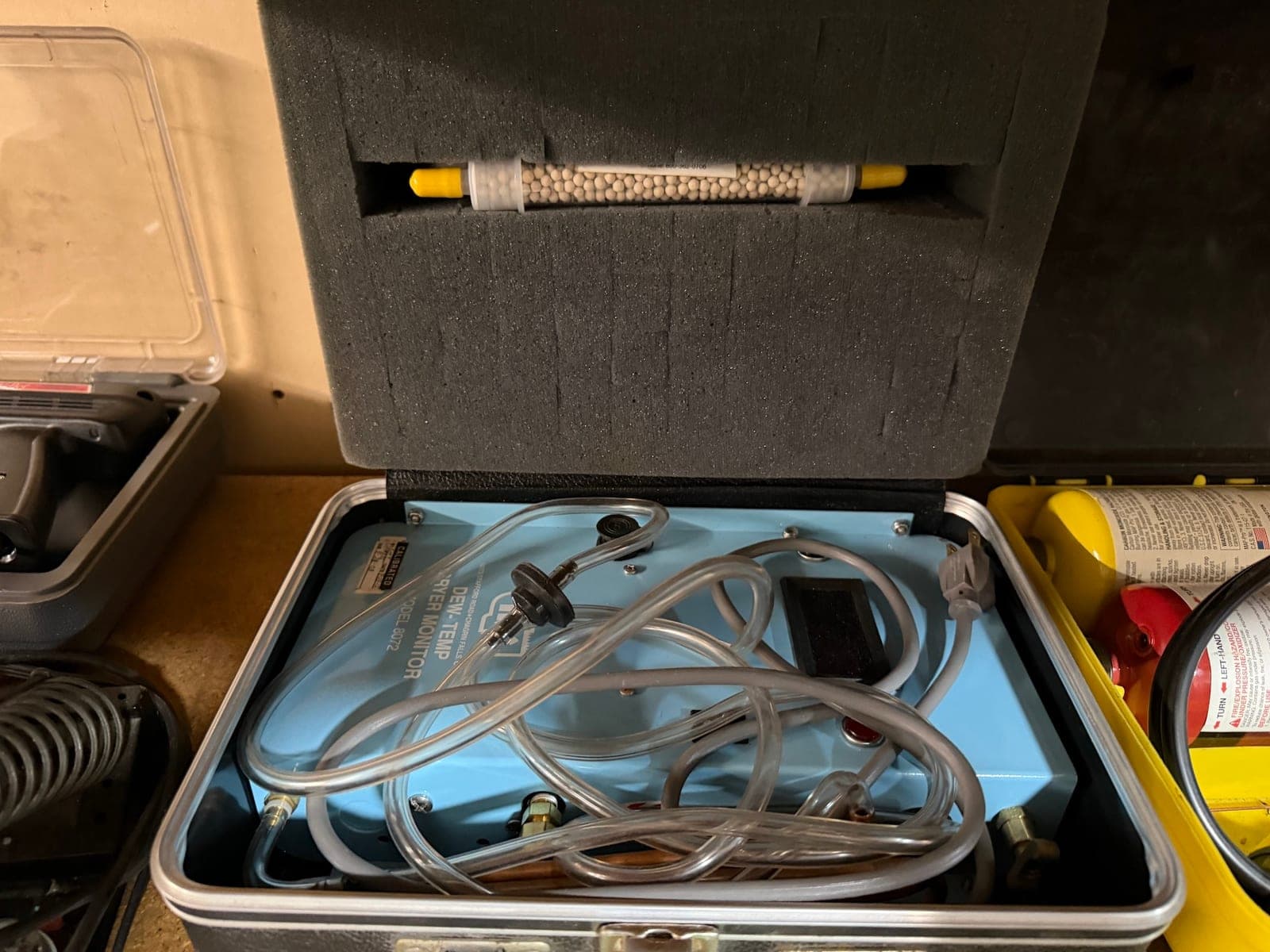
Lot 144
IMS Dew-Temp Digital Dew Point Dryer Monitor
Naperville, IL
Live auction · Tue, Oct 27, 10:00 AM CT
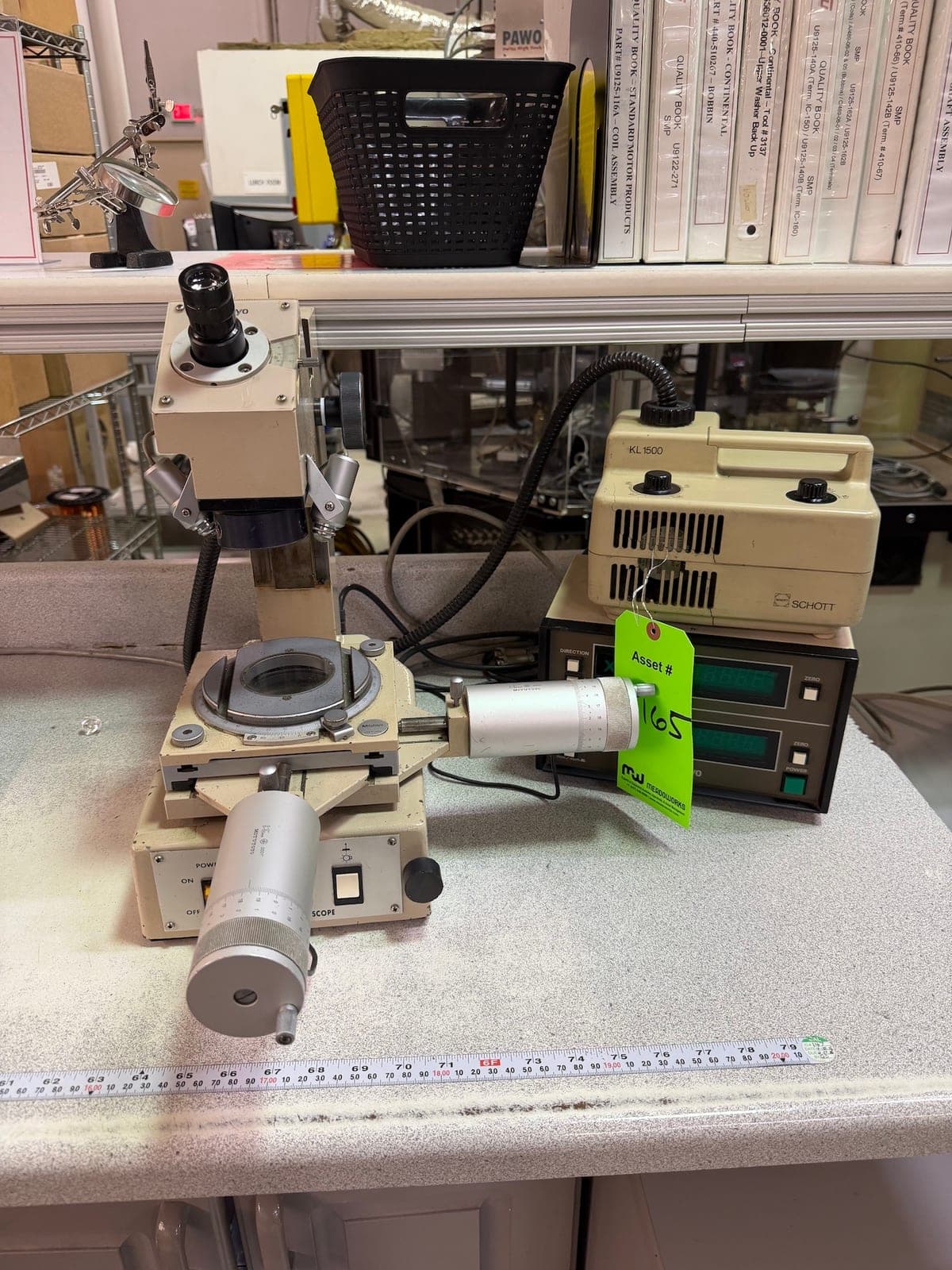
Lot 70
Mitutoyo Toolmakers Microscope w/X/Y Digital Readout
Naperville, IL
Live auction · Tue, Oct 27, 10:00 AM CT
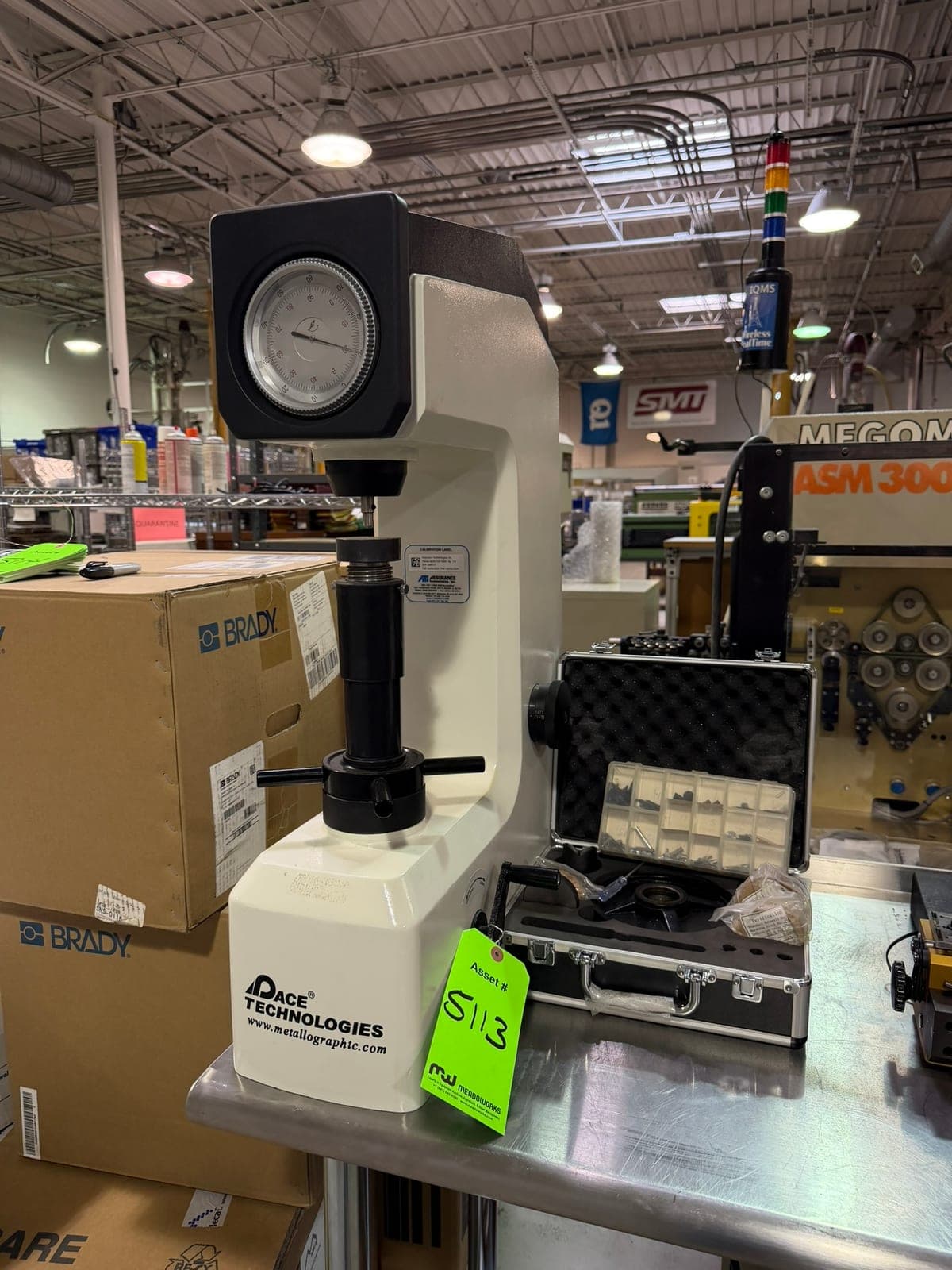
Lot 59
Pace Technologies Bench Hardness Tester
Naperville, IL
Live auction · Tue, Oct 27, 10:00 AM CT
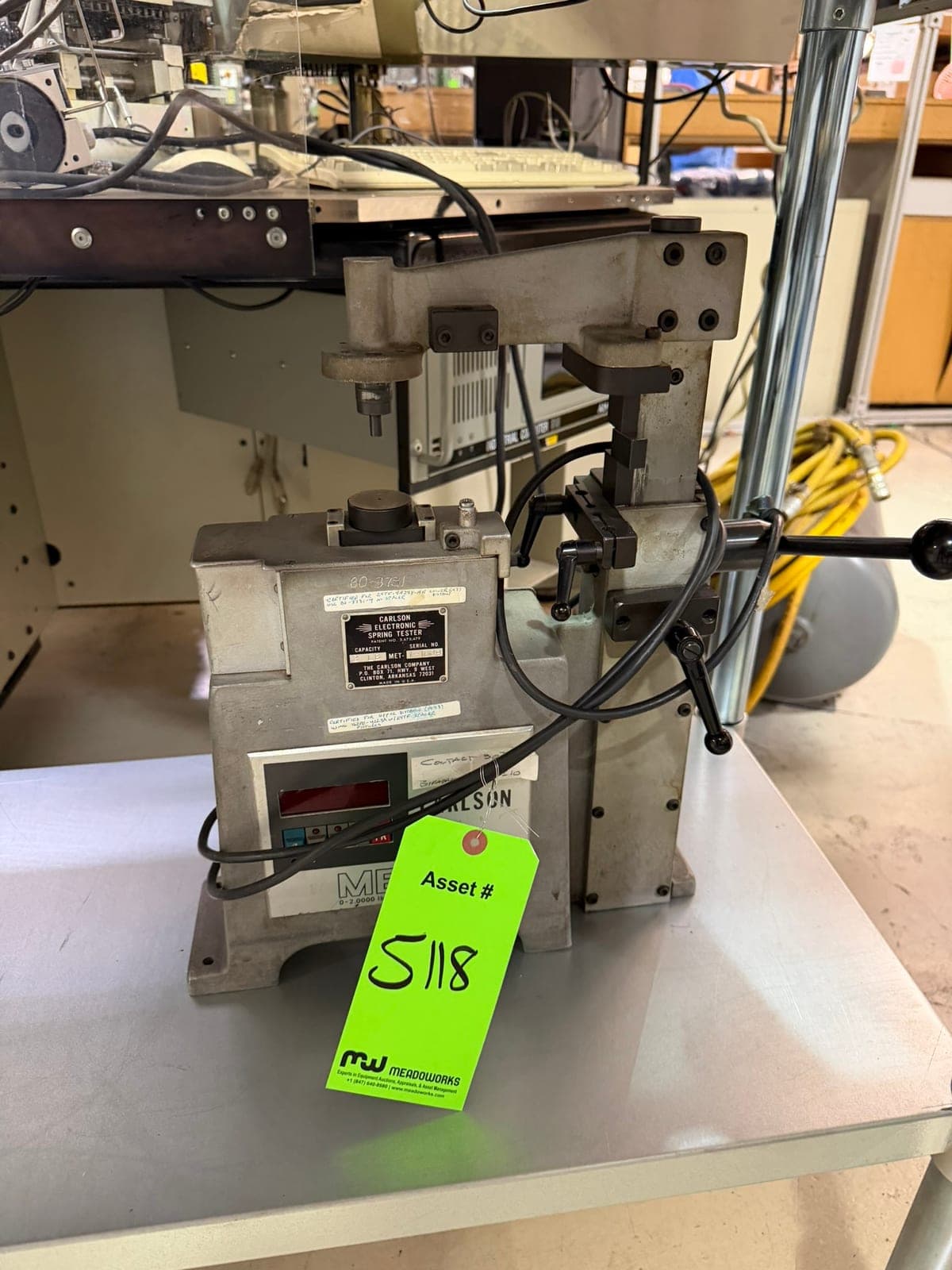
Lot 55
Carlson Electronic Spring Tester
Naperville, IL
Live auction · Tue, Oct 27, 10:00 AM CT
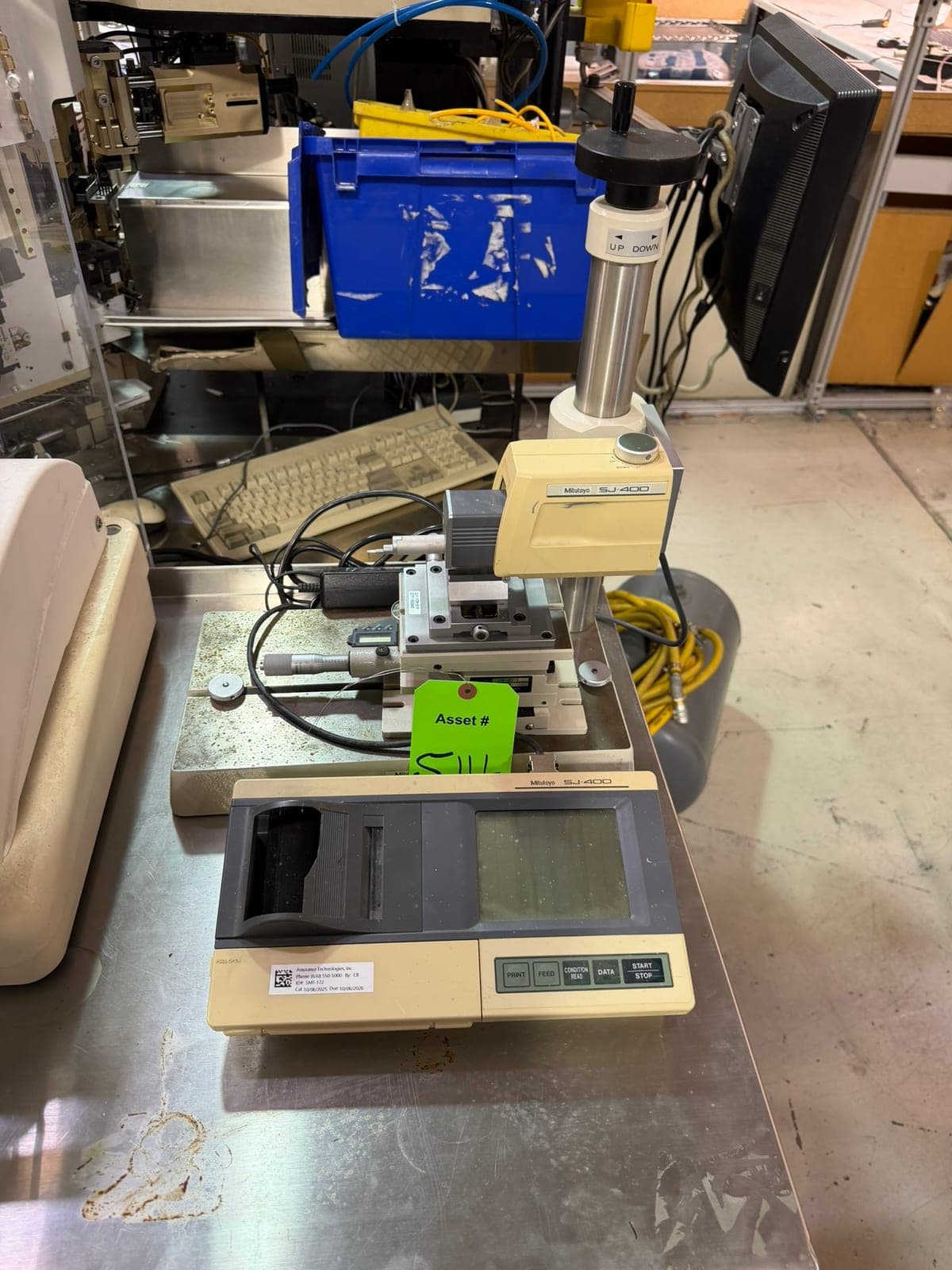
Lot 53
Mitutoyo Surface Roughness Tester w/Column Stand and X-Y Stage
Naperville, IL
Live auction · Tue, Oct 27, 10:00 AM CT
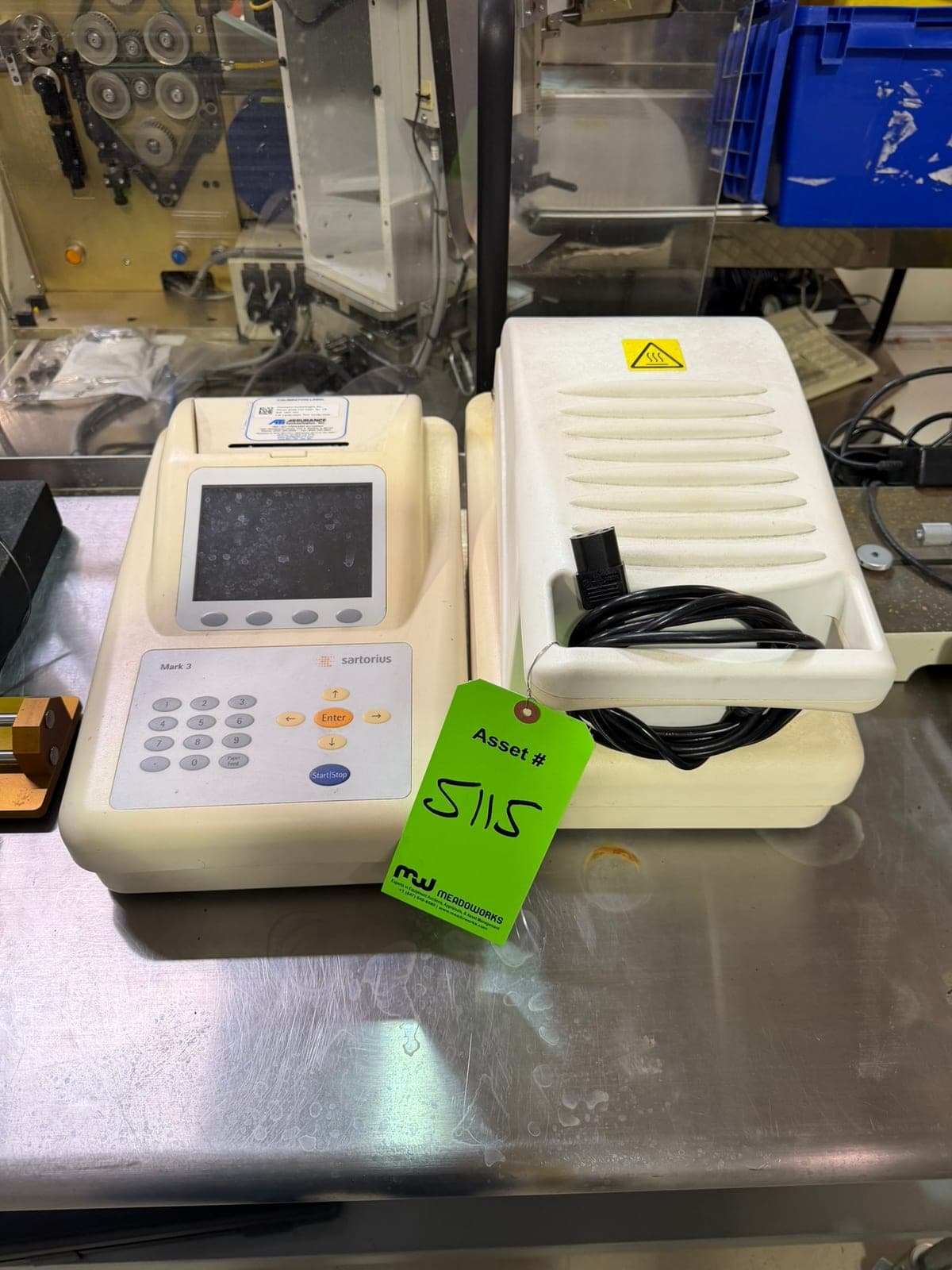
Lot 52
Sartorius Moisture Analyzer
Naperville, IL
Live auction · Tue, Oct 27, 10:00 AM CT
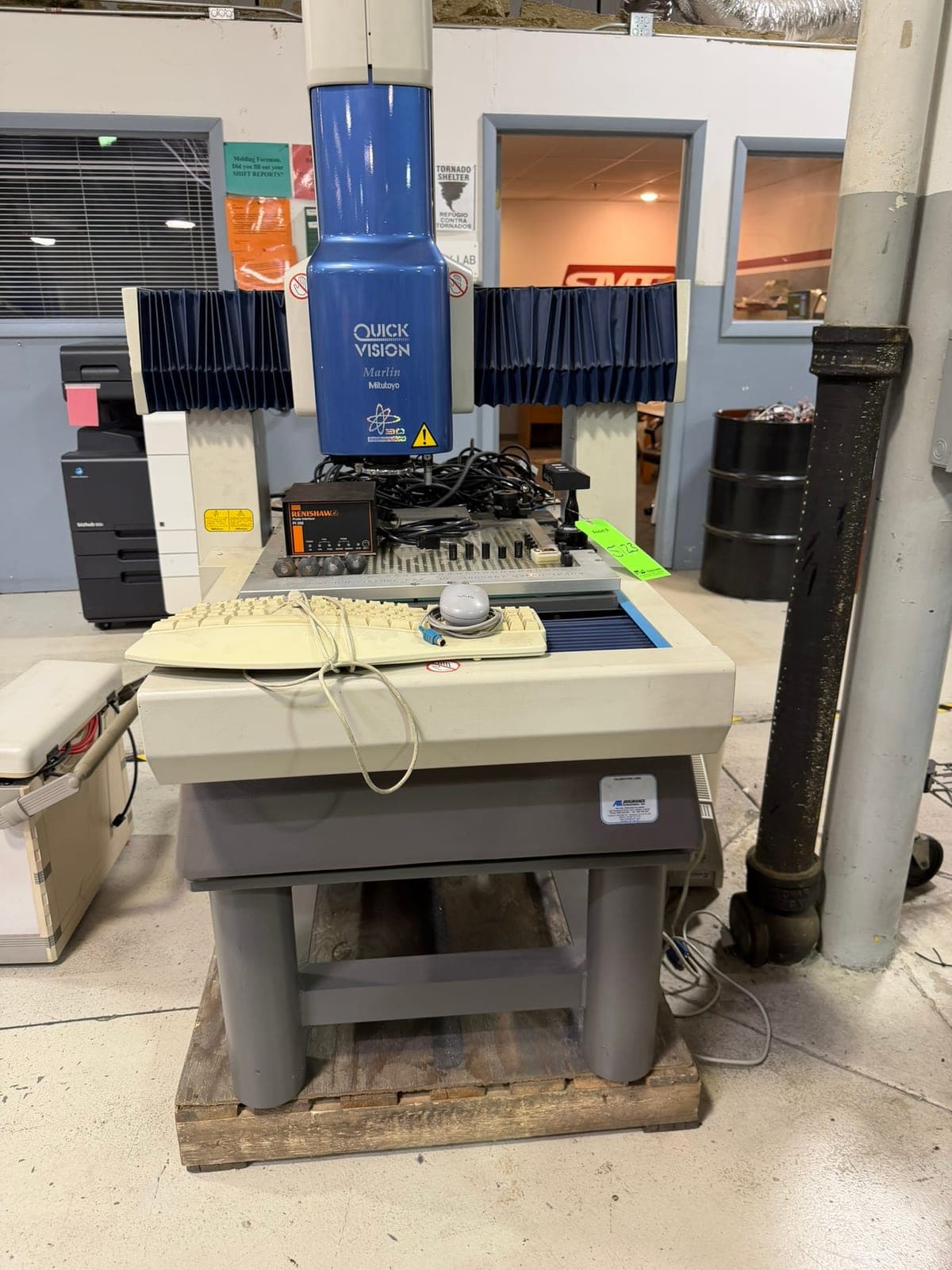
Lot 50
Mitutoyo Quick Vision CNC Vision Measuring Machine
Naperville, IL
Live auction · Tue, Oct 27, 10:00 AM CT
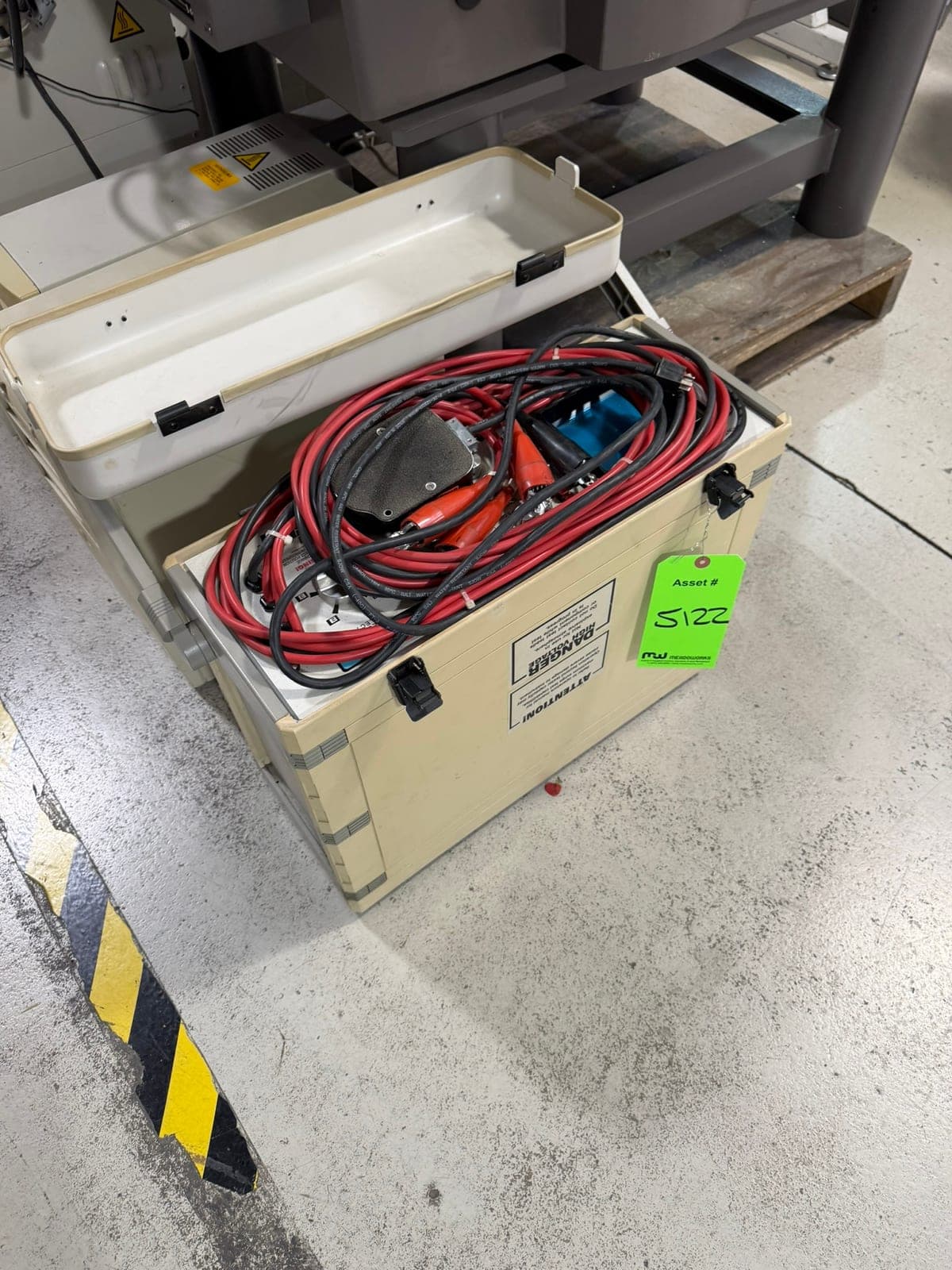
Lot 49
Baker Surge / Hipot Tester
Naperville, IL
Live auction · Tue, Oct 27, 10:00 AM CT
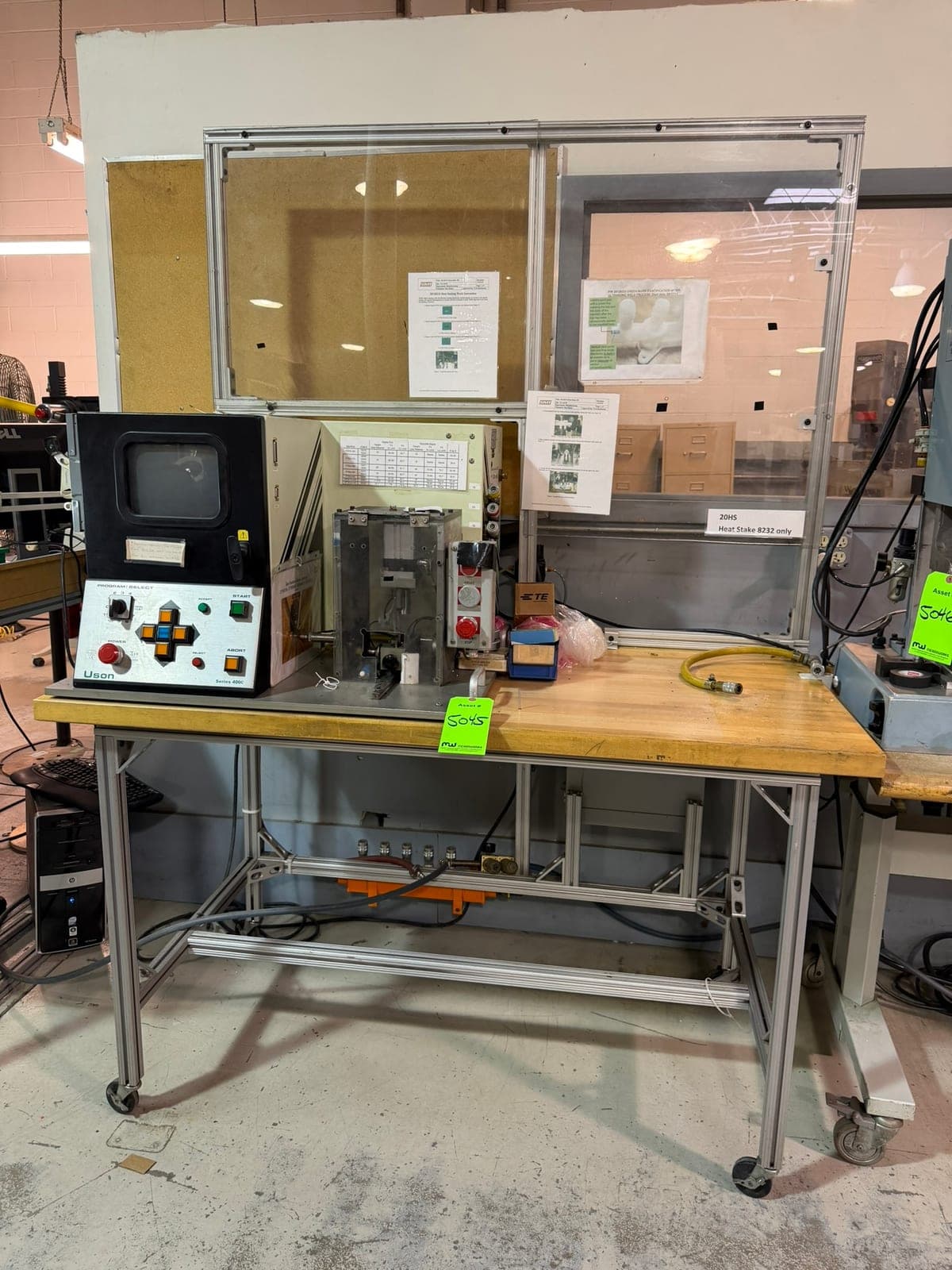
Lot 16
Uson Leak Tester w/Pneumatic Test Fixture
Naperville, IL
Live auction · Tue, Oct 27, 10:00 AM CT

Lot 6
Laxco Brightfield Compound Microscope
Royse City, TX
Live auction · Thu, Oct 22, 10:00 AM CT

Lot 7
AmScope Trinocular Stereo Zoom Microscope
Royse City, TX
Live auction · Thu, Oct 22, 10:00 AM CT
Looking for Something Specific?
Most of our inventory sells before we can list it online. If you need a specific brand, model, or specification, tell us what you need—we have access to unlisted equipment and machines coming in from plant closures.
Looking to Sell?
Meadoworks is an active cash buyer of used industrial equipment. Get a free valuation from our AMEA-certified appraisers.
About Used Lab & Test Equipment
Lab equipment here is the bench instrument that checks a part or a material, not the machine that makes it. What actually shows in this group is a mix: measuring microscopes, leak testers, balances and weatherometers, from names such as Mitutoyo, Atlas and Mettler-Toledo. A microscope measures an edge or a small feature. A leak tester puts pressure or vacuum on a part and watches whether it holds. A balance weighs. A weatherometer exposes a specimen to light, heat and moisture. They do not share a spec sheet. Read the photo before you read a generic capacity.
The useful number depends on the instrument. Magnification and stage travel on a microscope. Pressure range and the fixture that seals the part on a leak tester. Capacity and readability on a balance, in grams or milligrams. Lamp type and exposure control on a weatherometer. A tester without the fixture for your part is a cabinet. A balance without a current calibration is a scale you should not use for a record. Software and a computer, when the instrument needs them, have to boot.
Condition is specific. Optics cloud. Load cells drift. Lamps age and change the exposure a weatherometer claims. Seals on a leak fixture leak, which is a false failure of every part you test. A certificate date matters more here than on a press. Temperature and a level bench matter for a balance. Vibration from a nearby machine will make a precision balance lie.
Used lab equipment should be powered and checked against a known artifact: a weight, a leak master, a stage micrometer or a specimen you understand. Confirm the fixture, the lamp or the pan is included. Match the range to the measurement you actually make. A weatherometer is not a substitute for a microscope, and a balance is not a leak tester, even when they leave the same lab in the same crate. Name the test before you name the cabinet. Write down the last calibration date and whether the fixture for your part is in the crate, because the instrument without that fixture does not run your test.
How to Choose Used Lab & Test Equipment
How to Size a Bench Instrument
Name the test before you size anything. A balance is sized by capacity and by readability, the smallest change it will show. A leak tester is sized by the test pressure and by the fixture that seals your part. A weatherometer is sized by the specimen rack and the lamp, not by a cabinet height. A microscope is sized by magnification and by whether the stand holds your part. Power is usually a bench outlet, until the instrument is large enough to want more. Calibration date matters most on a balance. A fixture or a specimen holder that does not match your sample means the instrument will not run your test, even when the nameplate looks right.
Microscopes, Testers, Balances, Weatherometers
This is a lab-bench group. The listings are not one machine with options. A microscope looks. A leak tester proves a seal. A Mettler-Toledo balance weighs. An Atlas weatherometer exposes a sample to light. Mitutoyo appears on optical benches in the same mix. Buy the instrument that performs the test you have, and ignore the neighbors in the set. The fixture, the rack or the pan is part of that choice. A generic look for lab equipment will tempt you to treat them as interchangeable. They are not. Read the title, then the nameplate, then how the sample mounts. Write that measurement down in one line before you move on.
Lab & Test Equipment Specs to Compare
| Spec | Why it matters |
|---|---|
| Instrument | The group is a mix. The test you run picks the listing, not a shared capacity. |
| What it measures | A title can be vague. The measurement is the reason the instrument exists. |
| Fixture or rack | Without the interface that holds your sample, the instrument does not run your test. |
| Range | Readability on a balance and lamp type on a weatherometer are the real size. |
| Calibration | A balance without a current check is a scale you still have to prove. |
| Power | Most of these sit on a bench outlet. A larger weatherometer may not. |
Instrument
The group is a mix. The test you run picks the listing, not a shared capacity.
What it measures
A title can be vague. The measurement is the reason the instrument exists.
Fixture or rack
Without the interface that holds your sample, the instrument does not run your test.
Range
Readability on a balance and lamp type on a weatherometer are the real size.
Calibration
A balance without a current check is a scale you still have to prove.
Power
Most of these sit on a bench outlet. A larger weatherometer may not.
What to Inspect on Used Lab & Test Equipment
Name the instrument
Microscope, leak tester, balance, weatherometer or another bench piece. Do not buy the mix.
Match the measurement
Confirm it does the test you run: image, leak, mass or exposure.
Find the fixture
A leak fixture, a specimen rack or a stage has to fit your part. Ask if it is included.
Read capacity or magnification
Balance capacity and readability, microscope power, or tester pressure. Write the number.
Ask about calibration
A balance in particular should have a certificate date, or you will send it out.
Check lamps and optics
A weatherometer lamp and a microscope illuminator are wear items. Fogged glass ends the image.
Confirm power and software
See the plug, and whether logging software is required and included.
Meadoworks Track Record
24
Sold through Meadoworks
13
Listed now
Makes we have handled most
Common models
Atlas Material Testing Technology CI4000 Weather-Ometer
Related Equipment
- Inspection & Lab Equipment
Machines, projectors and gages around the bench
- CMMs
A measuring volume when the bench tool is not enough
- Gages & Instruments
Pins, blocks and indicators, not a lab tester
More in Plant & Material Handling
Lab & Test Equipment Brands We've Sold
Common Applications
Frequently Asked Questions
Why is lab equipment on this group more than one machine?
Because the set is the bench, not a single model. Microscopes, leak testers, balances and weatherometers all land here, along with the odd monitor from a quality lab. Mitutoyo, Atlas Material Testing Technology and Mettler-Toledo are the names that repeat. You buy the instrument that runs your test. A balance does not weather a sample, and a weatherometer does not weigh one. Read the title as a specific tool, then match the fixture or the rack to your part.
How do I choose among a balance, a leak tester and a weatherometer?
Match the test. A balance is capacity and readability. A leak tester is pressure plus a fixture that seals your part. A weatherometer is a lamp and a specimen rack that holds your coupon. A microscope is magnification and light. None of those numbers transfer to the next listing. If the fixture or the rack is missing, the instrument may not run your sample even when the cabinet is complete. Name the test first. The rest of the set is someone else's test.
What should the nameplate say about the fixture?
How the sample mounts. A leak tester without a fixture that fits your part is a controller and a sensor. A weatherometer without a rack that holds your coupon is a light box you cannot load. A microscope without a stage that accepts your part is hard to use. Photos should include that interface, not only the front panel. Ask if the fixture was custom for the last plant. Custom often means it will not seal or hold what you make.
How current does calibration need to be?
On a balance, current enough that you trust the last certificate, or plan to calibrate after it arrives. Other instruments in this mix may have a certificate too, and a missing date means you will prove them. The certificate does not change whether the fixture fits. It changes whether the number you read is one you can stand behind. Mettler-Toledo balances are the weighing name that repeats. Treat the date as part of the inspection, not as paperwork to skip.
What wears out on a weatherometer or a microscope?
Lamps and optics. A weatherometer lamp is a consumable, and the nameplate should say which lamp it uses. A microscope illuminator and fogged glass end the image even when the stand is solid. Leak testers wear at the fixture seals and the valves more than at the cabinet. Ask what was replaced and what was not. A clean exterior does not prove the lamp still has life or that the optics are clear.
Is this the group for a coordinate machine or a pin gage?
No. Those have their own groups. Lab equipment here is the bench instrument: look, leak, weigh or weather. A dew-point monitor can appear too, and it is still a bench piece, not a resin dryer. If you need a volume of points, open the coordinate machine group. If you need a hole checked by a pin, open the gage group. Wait when the quality lab sold a specific tester and you run that test.
