Used Plastic Auxiliary Equipment for Sale
104 plastics auxiliary lots at auction

Lot 23
2023 Husky 12-Zone Hot Runner Controller
Royse City, TX
Live auction · Thu, Oct 22, 10:00 AM CT

Lot 22
2023 Husky 12-Zone Hot Runner Controller
Royse City, TX
Live auction · Thu, Oct 22, 10:00 AM CT

Lot 20
2023 Rapid Granulator
Royse City, TX
Live auction · Thu, Oct 22, 10:00 AM CT

Lot 21
2023 Rapid Granulator
Royse City, TX
Live auction · Thu, Oct 22, 10:00 AM CT
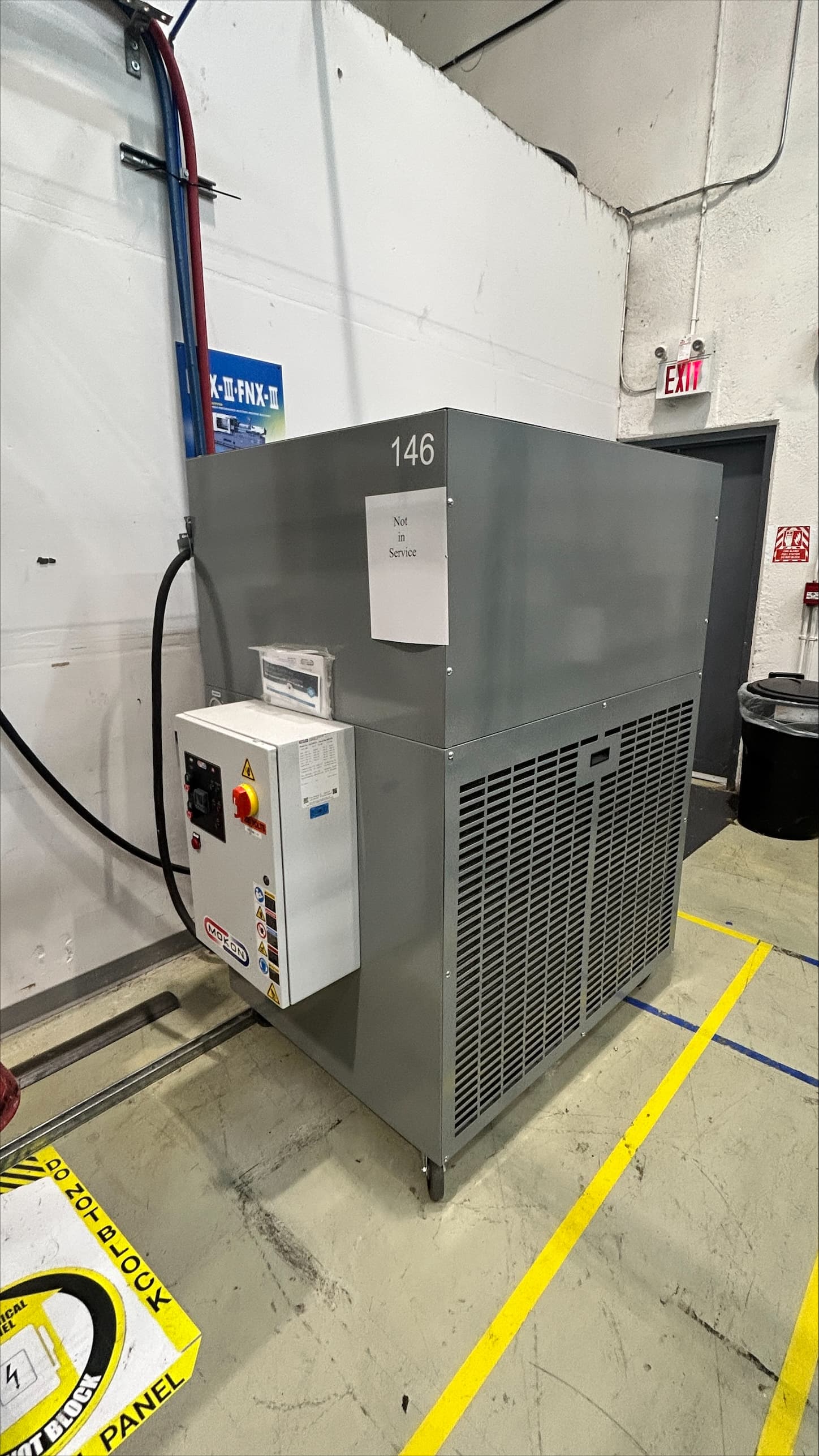
Lot 55
2022 Mokon
Coquitlam, BC
Live auction · Tue, Oct 20, 10:00 AM CT
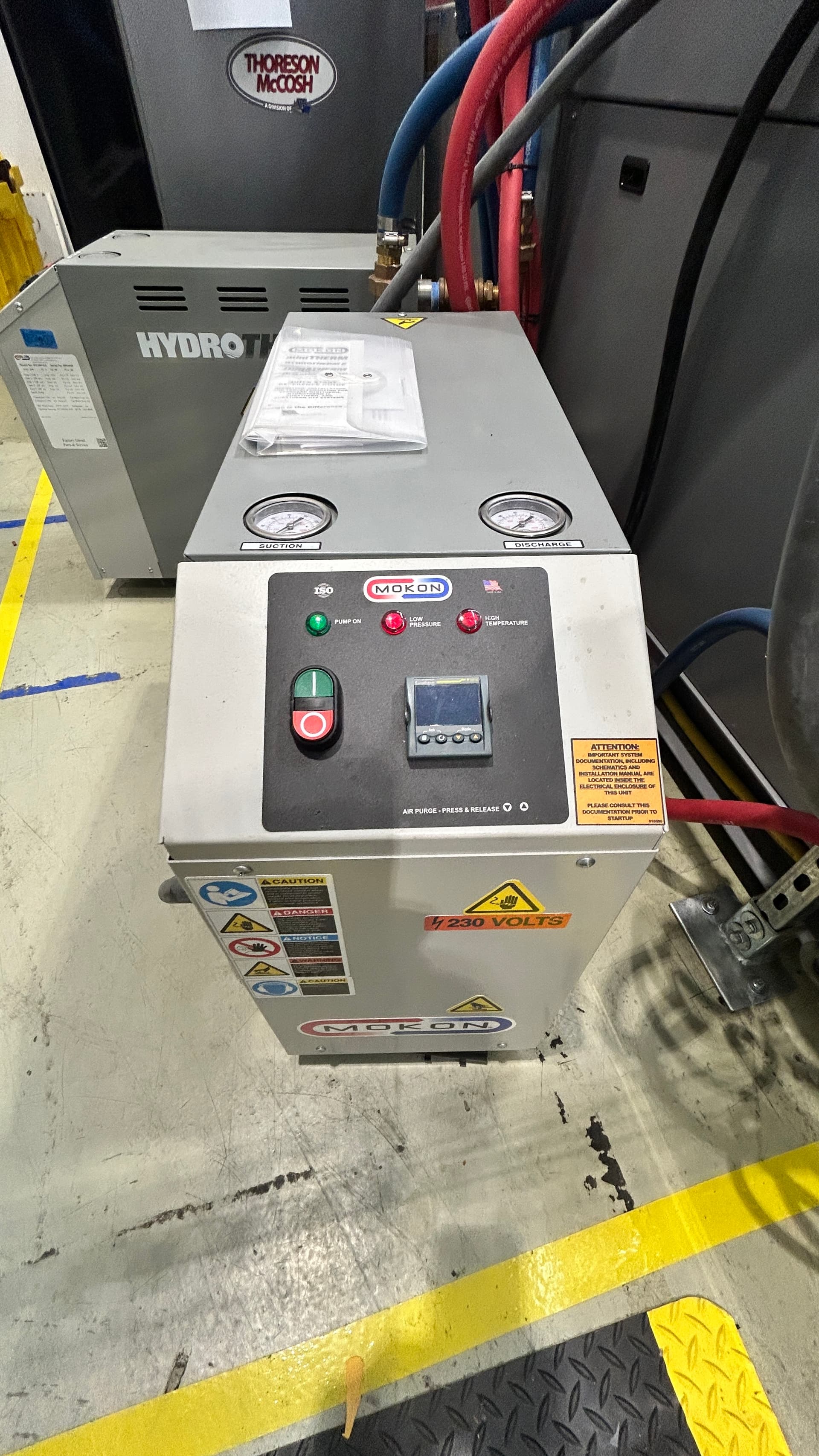
Lot 54
2022 Mokon HY2009GU
Coquitlam, BC
Live auction · Tue, Oct 20, 10:00 AM CT
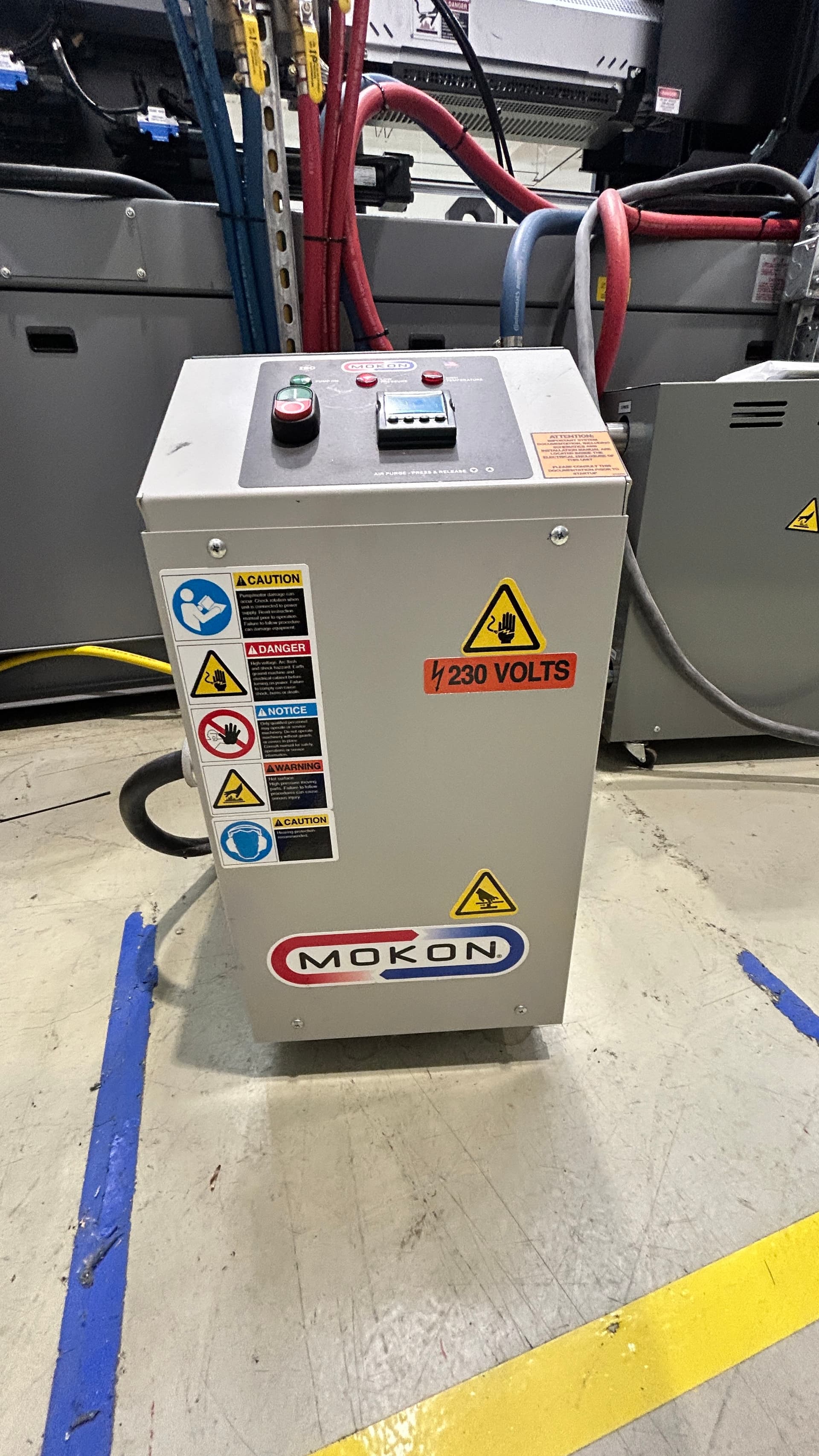
Lot 53
2022 Mokon HY2009GU
Coquitlam, BC
Live auction · Tue, Oct 20, 10:00 AM CT
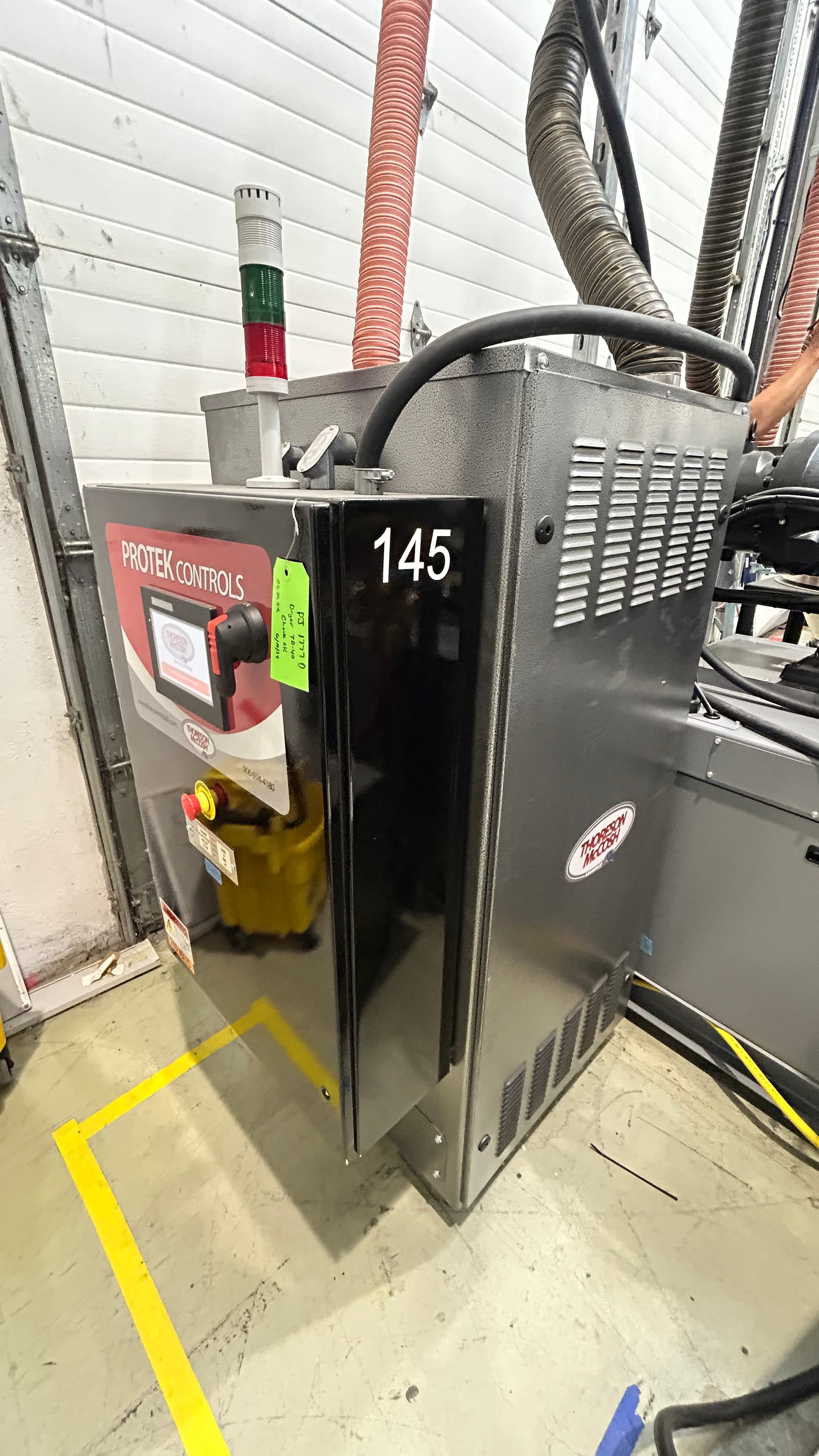
Lot 52
2022 Thoreson McCosh TD40 Material Dryer w/Hopper on Stand & (1) ML1 Loader & (1) VM-JR Vacuum Loader
Coquitlam, BC
Live auction · Tue, Oct 20, 10:00 AM CT
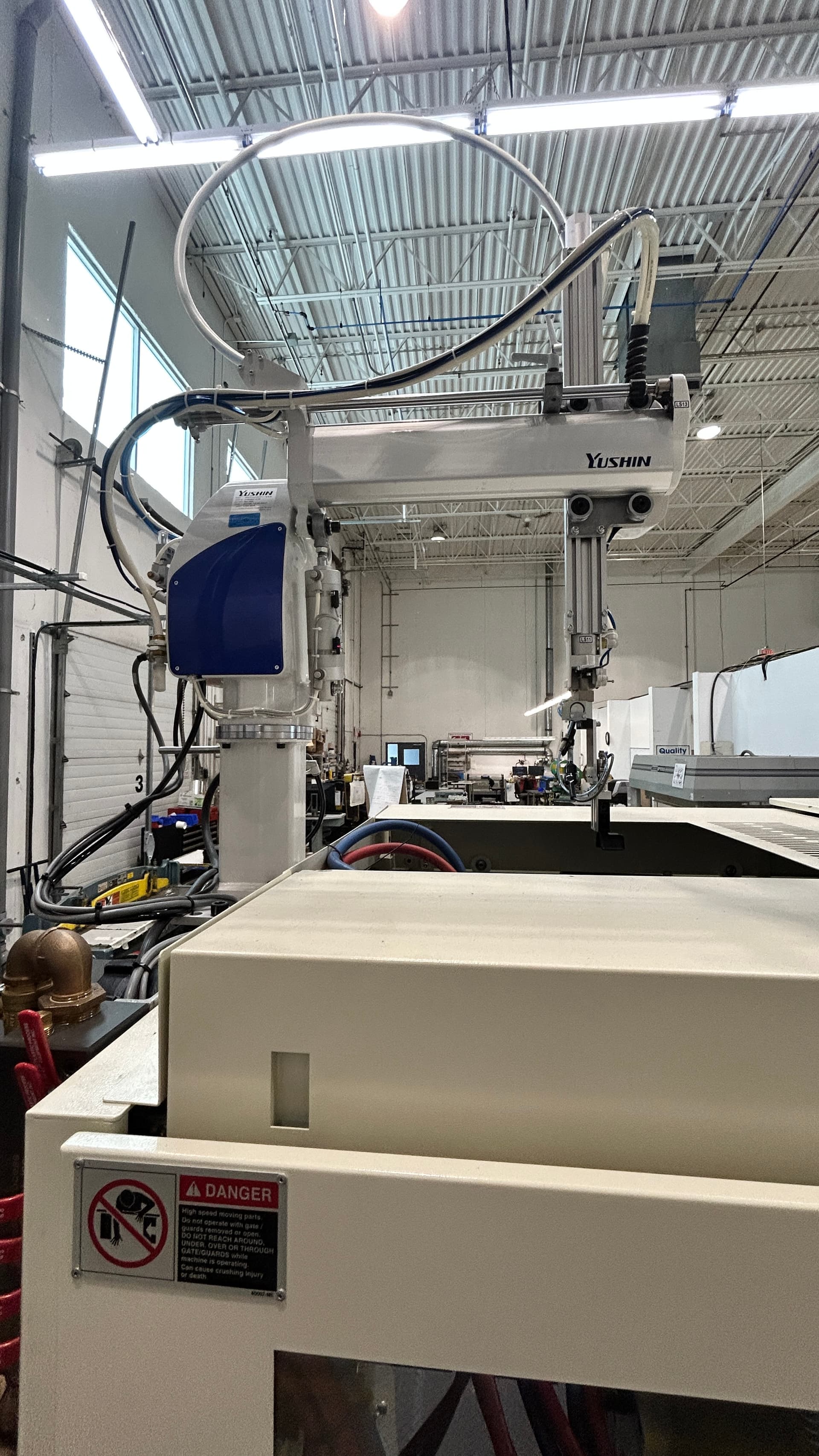
Lot 51
Yushin HOP FIVE-550XC-GIIB Sprue Picker / Take-Out Robot
Coquitlam, BC
Live auction · Tue, Oct 20, 10:00 AM CT

Lot 16
2022 Advantage Engineering Thermolator
Royse City, TX
Live auction · Thu, Oct 22, 10:00 AM CT

Lot 17
2022 Advantage Engineering Thermolator
Royse City, TX
Live auction · Thu, Oct 22, 10:00 AM CT

Lot 15
2022 Advantage Engineering Thermolator
Royse City, TX
Live auction · Thu, Oct 22, 10:00 AM CT

Lot 14
2022 Advantage Engineering Thermolator
Royse City, TX
Live auction · Thu, Oct 22, 10:00 AM CT
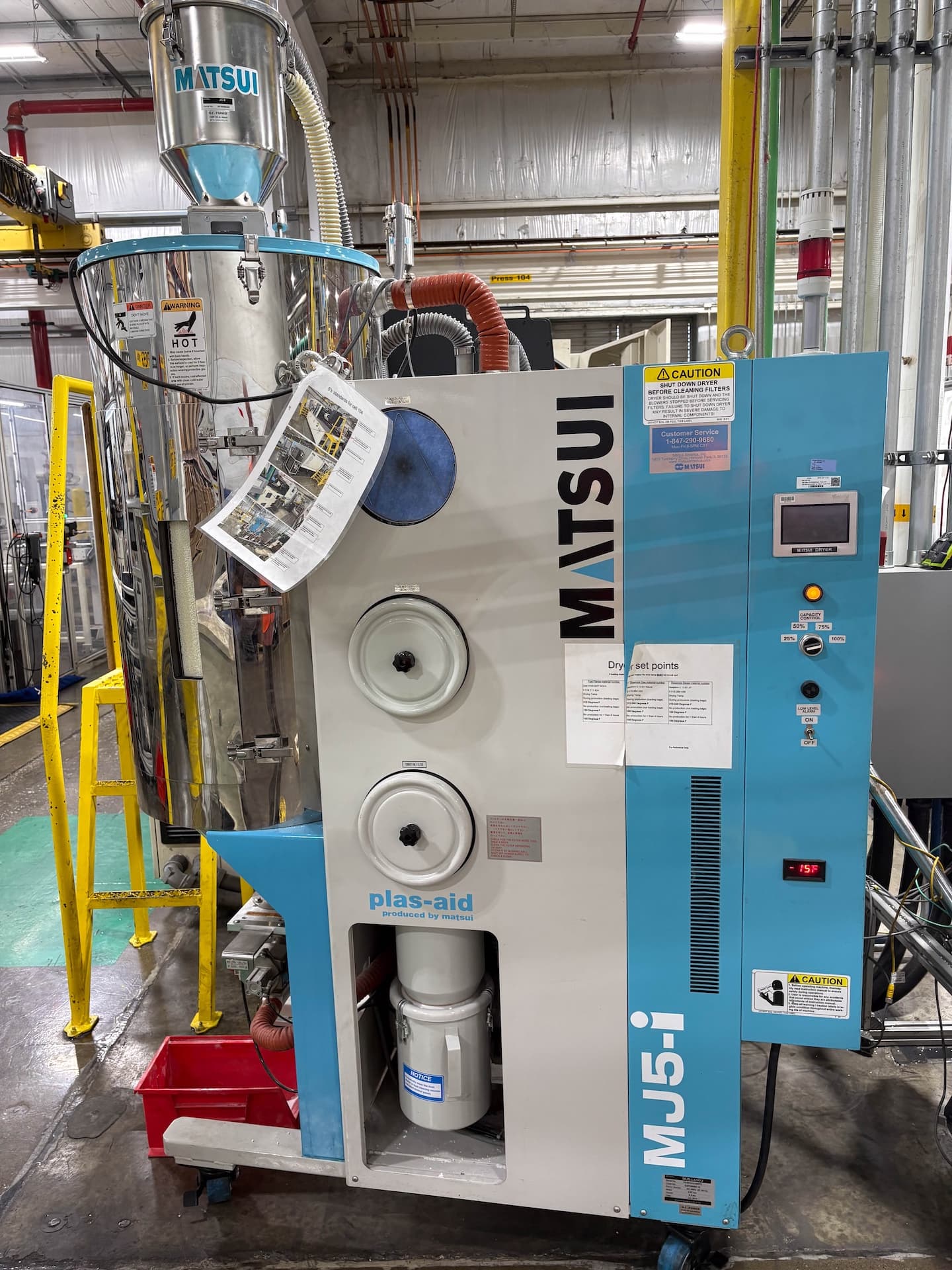
Lot 20
2020 Matsui MJ5-i-650U Desiccant Dryer
Albion, IN
Ends Thu, Oct 29, 10:38 AM CT
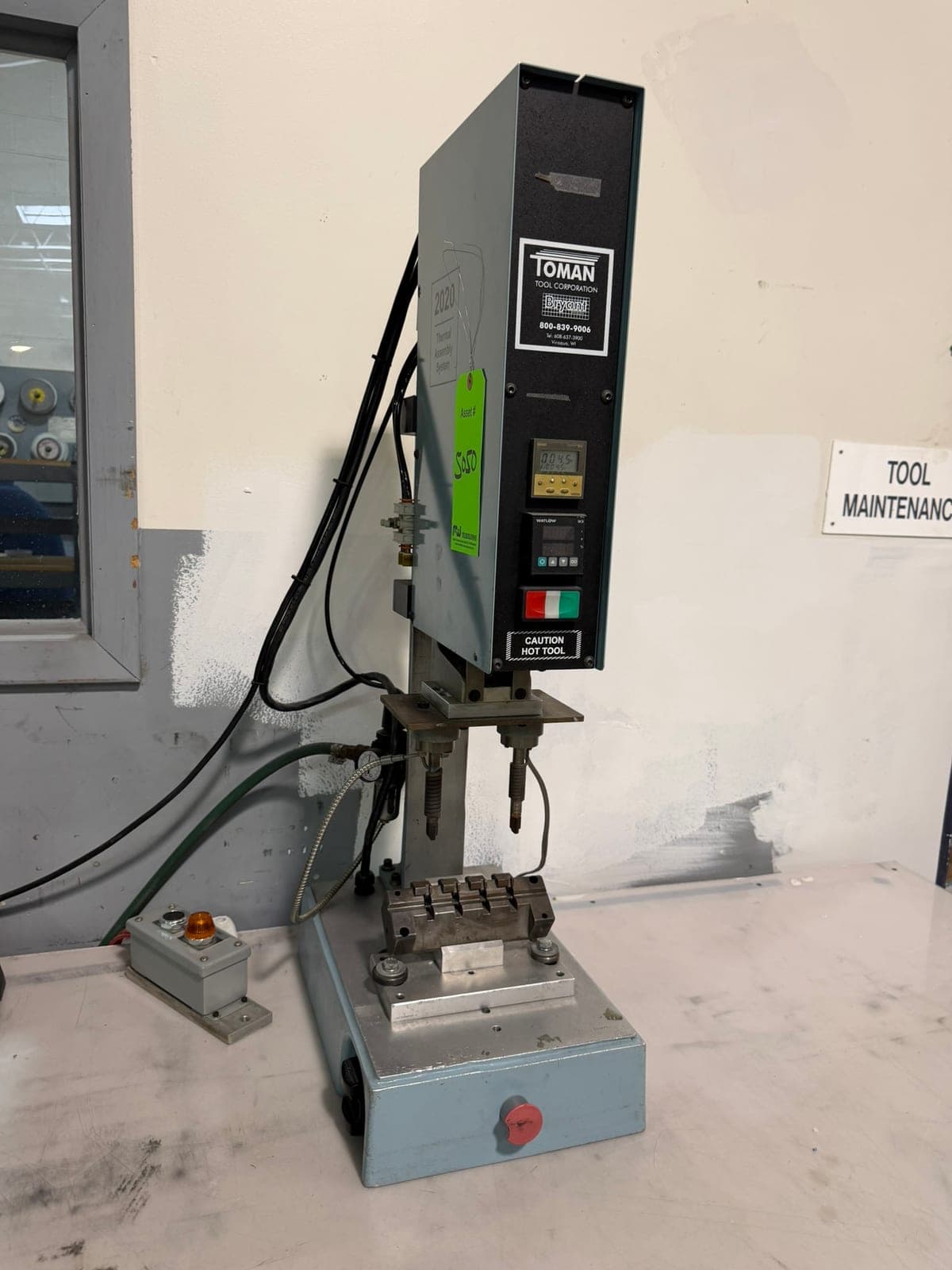
Lot 12
Toman Tool Thermal Assembly System / Heat Stake Press
Naperville, IL
Live auction · Tue, Oct 27, 10:00 AM CT
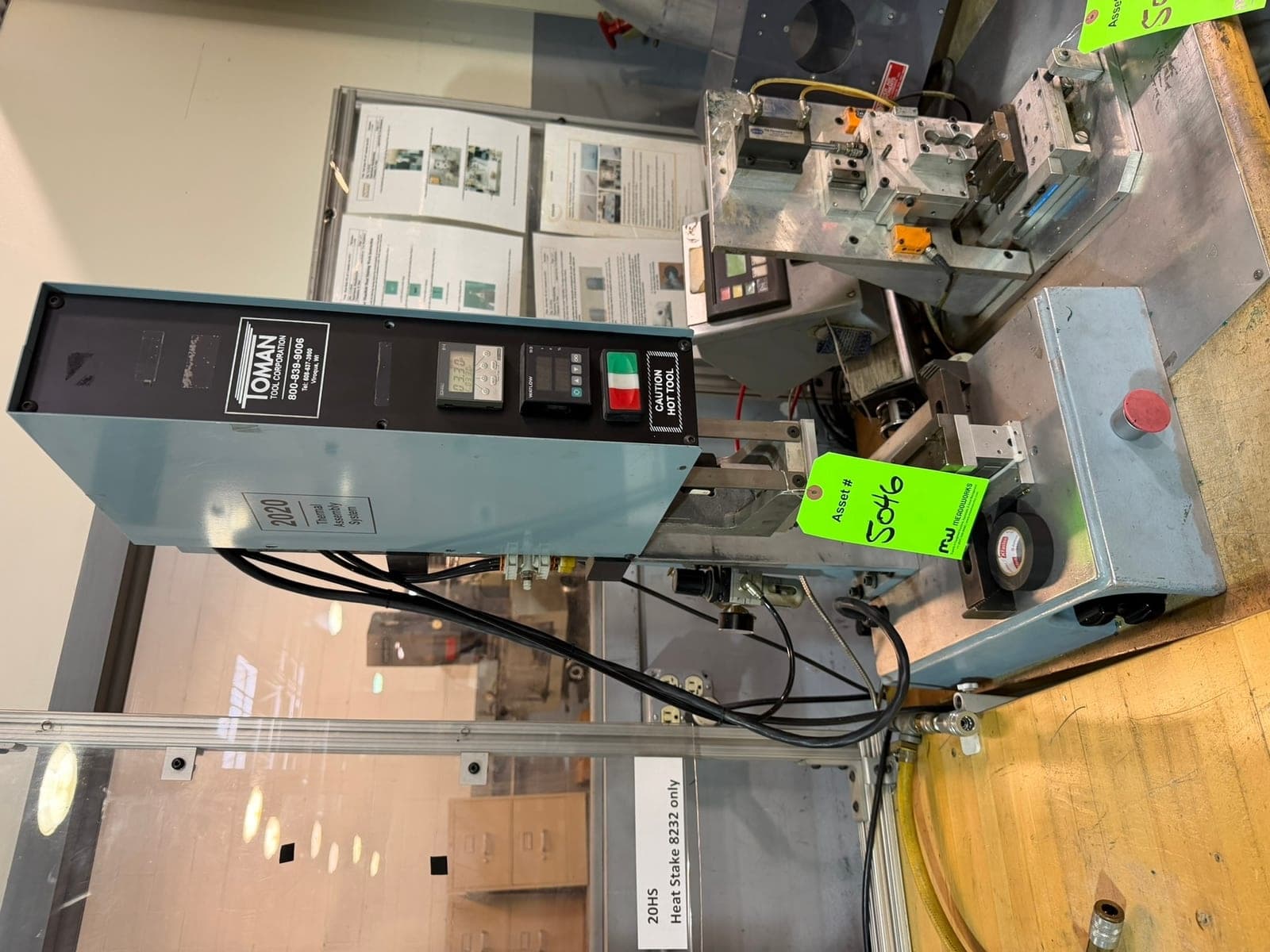
Lot 11
Toman Tool Thermal Assembly System / Heat Stake Press
Naperville, IL
Live auction · Tue, Oct 27, 10:00 AM CT
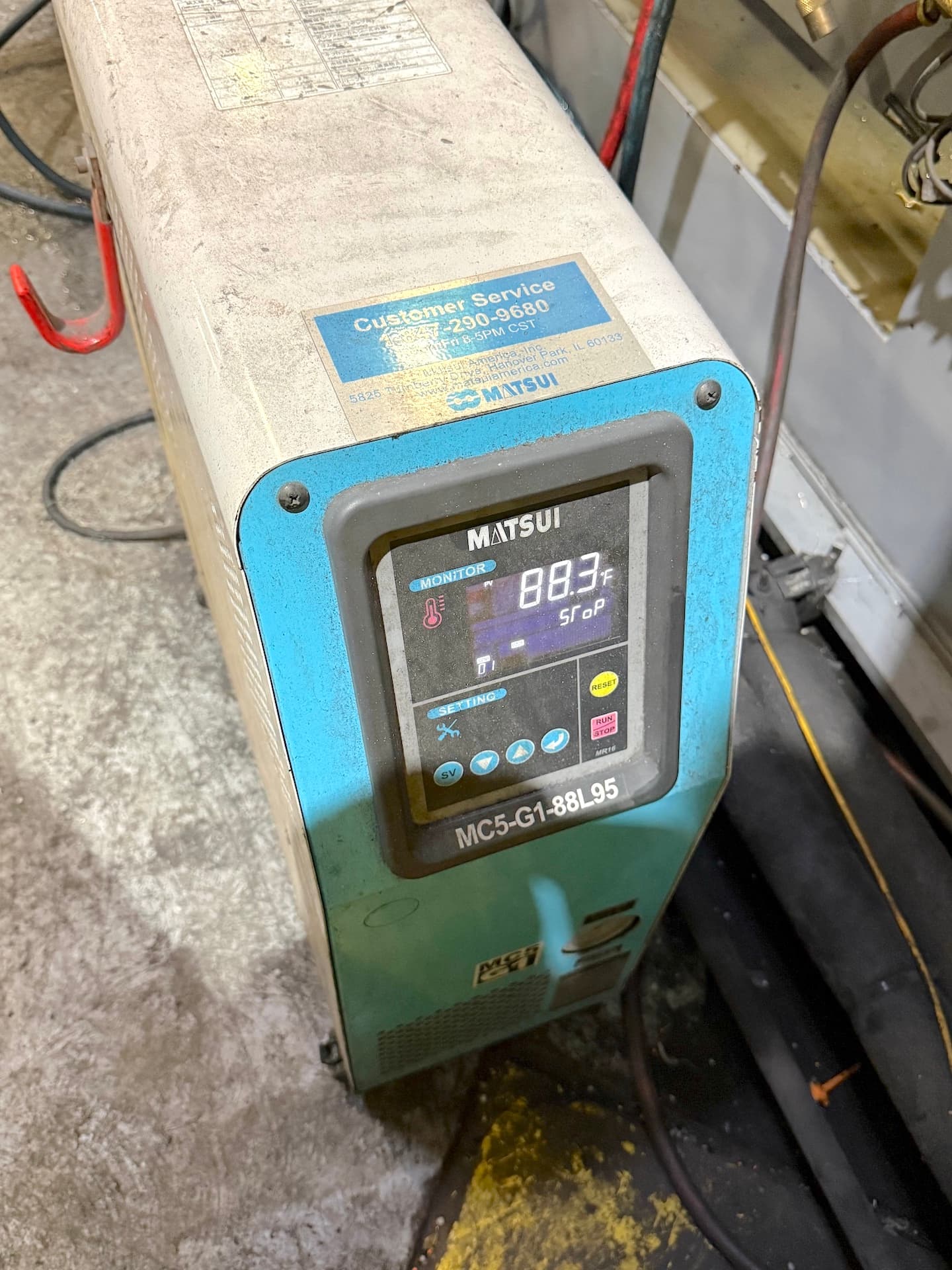
Lot 28
2020 Matsui 9 kW Heater, 1 kW Motor Thermolator
Apopka, FL
Live auction · Tue, Oct 20, 10:00 AM CT · 2 absentee bids
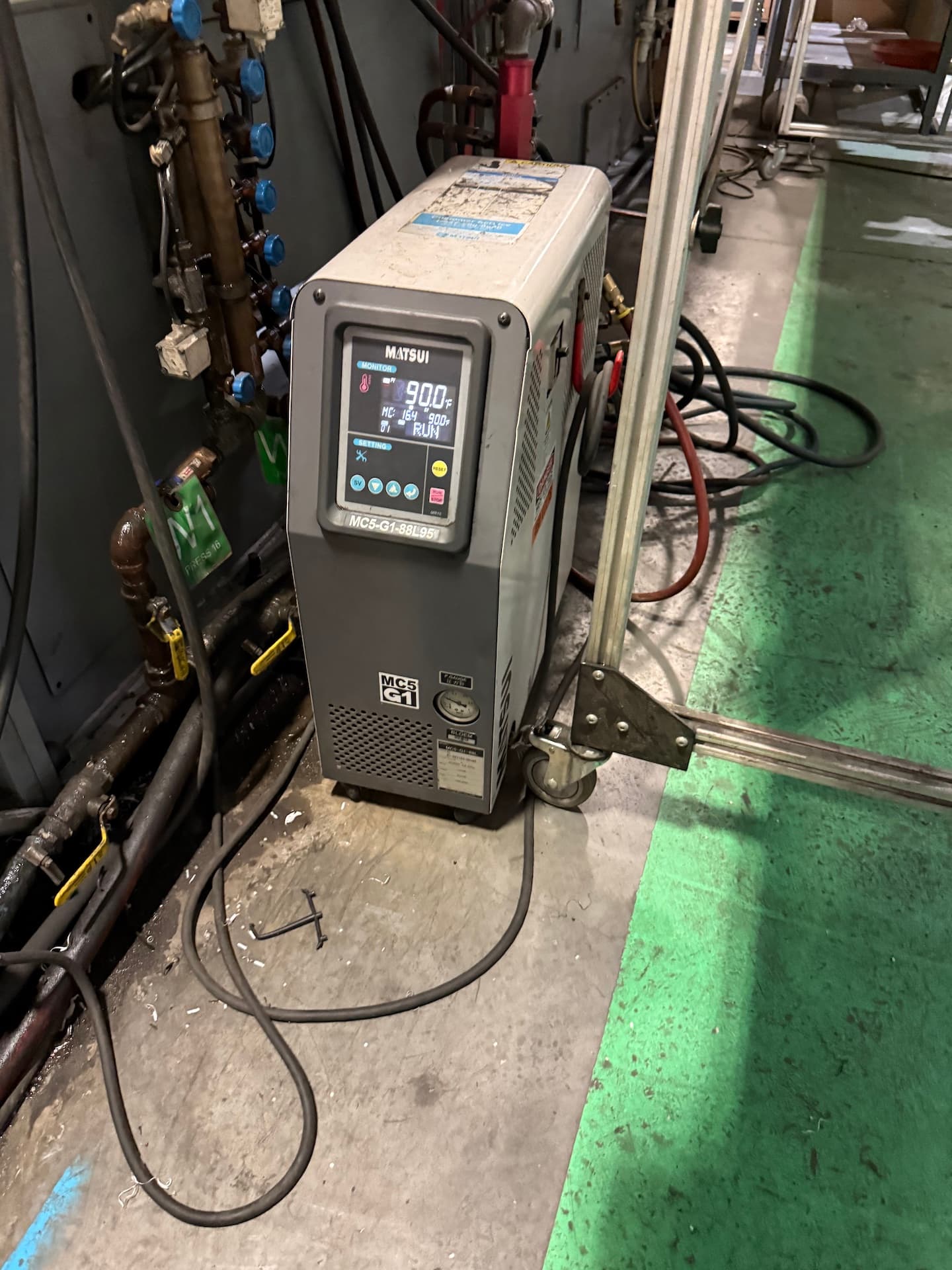
Lot 29
2020 Matsui 9 kW Heater, 1 kW Motor Thermolator
Apopka, FL
Live auction · Tue, Oct 20, 10:00 AM CT · 2 absentee bids
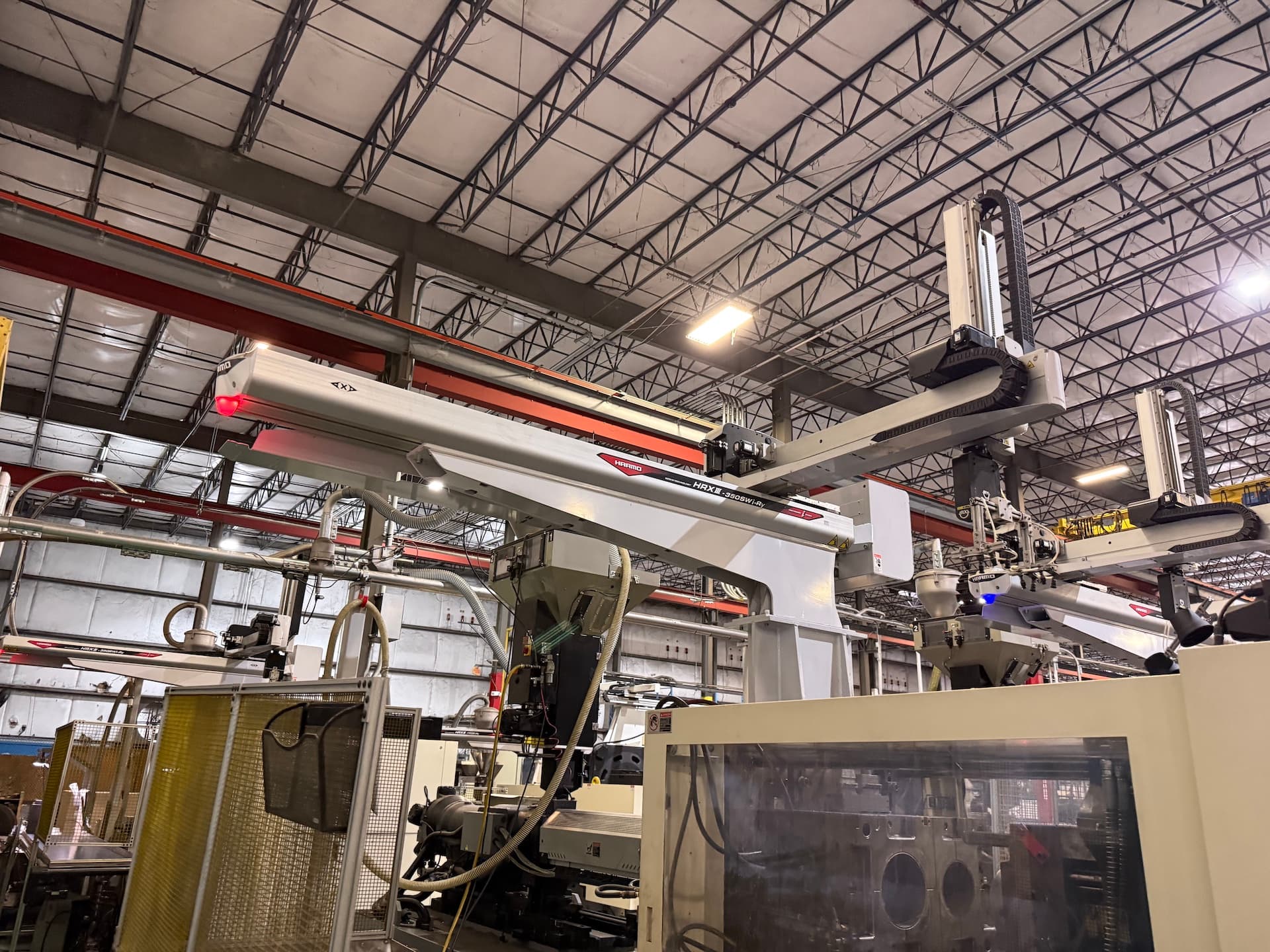
Lot 16
2020 Harmo Robot w/HRS-1500 V3 Controls
Apopka, FL
Live auction · Tue, Oct 20, 10:00 AM CT · 2 absentee bids
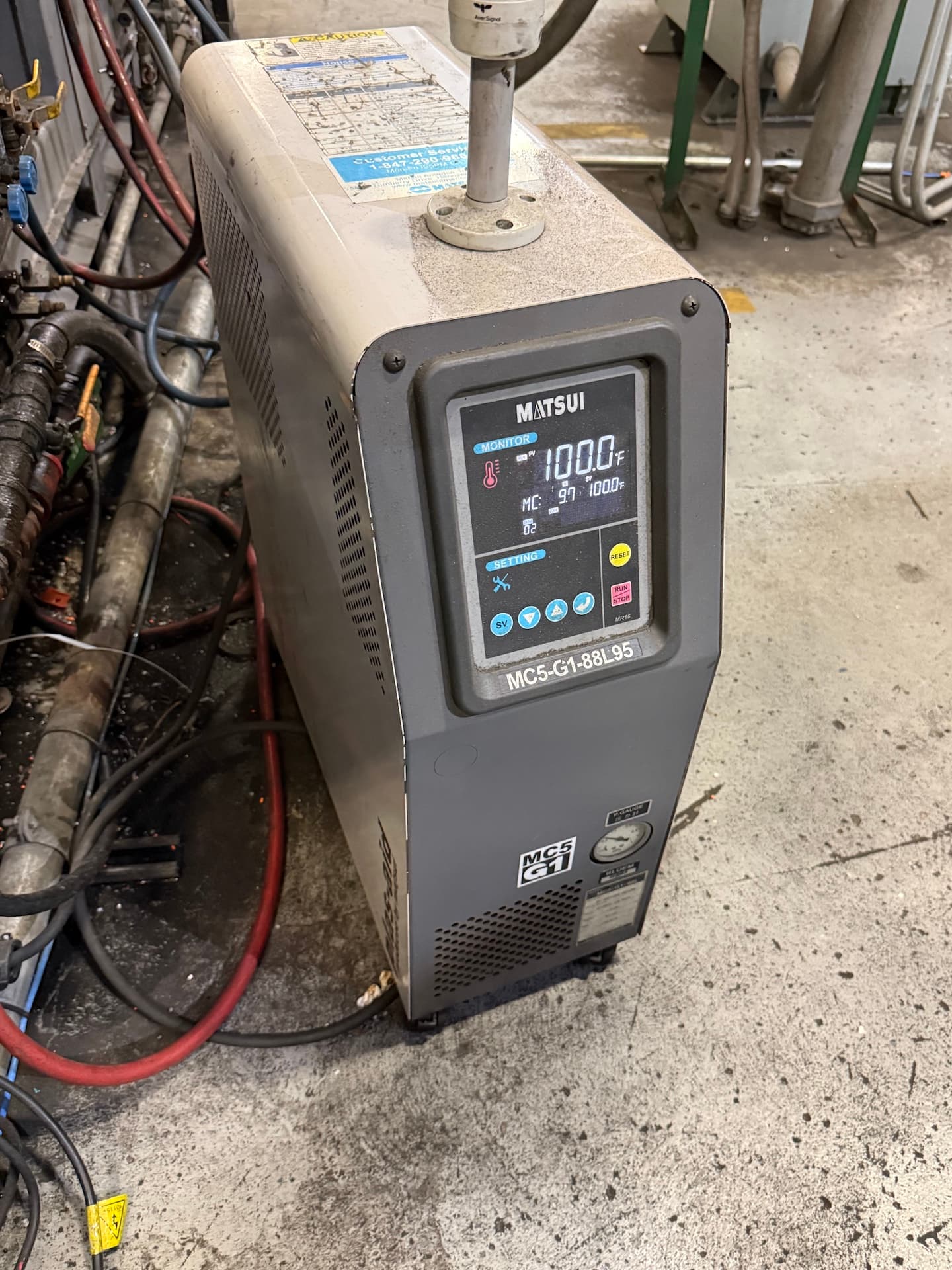
Lot 30
2019 Matsui 9 kW Heater, 1 kW Motor Thermolator
Apopka, FL
Live auction · Tue, Oct 20, 10:00 AM CT · 2 absentee bids
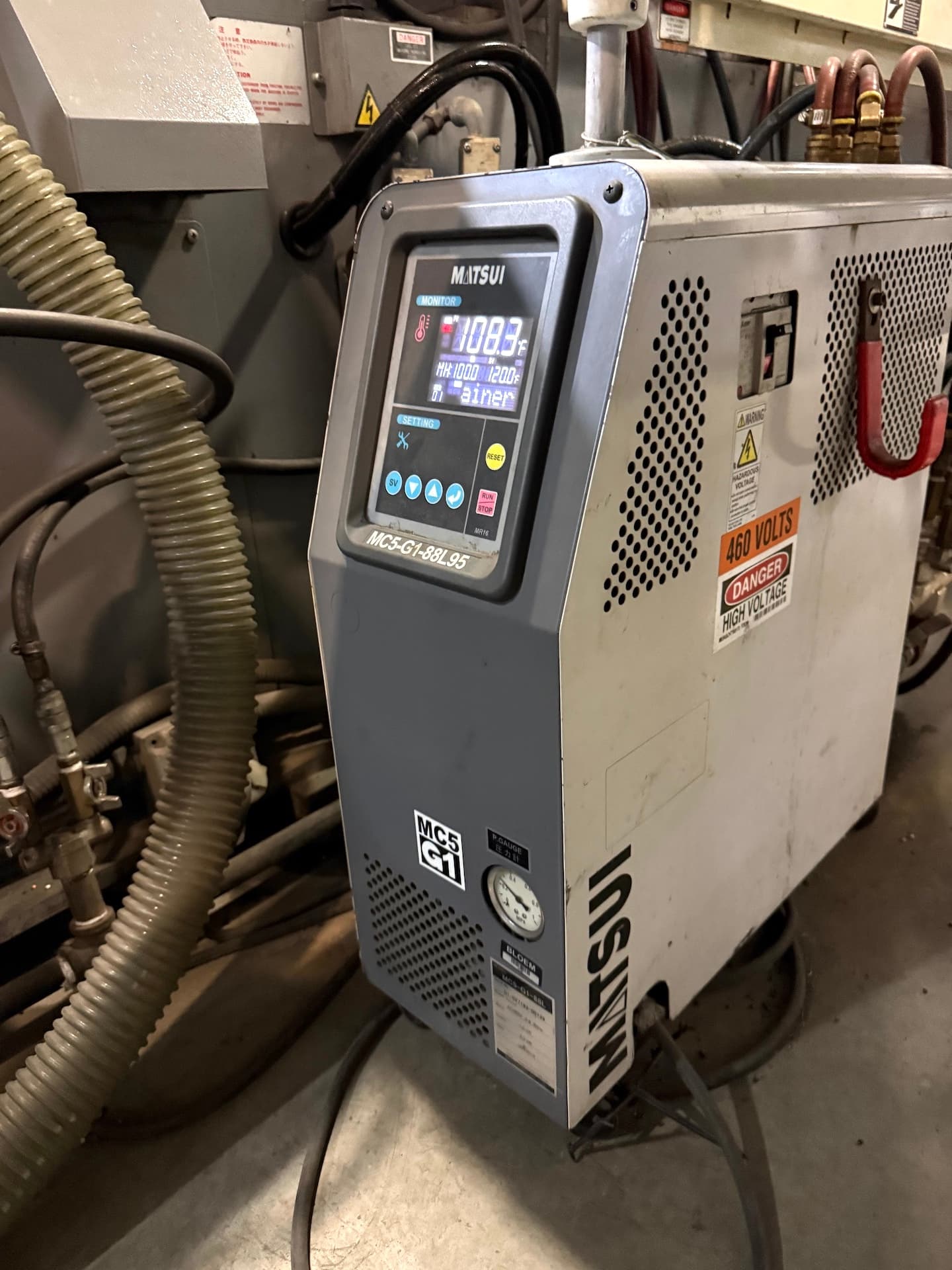
Lot 31
2019 Matsui 9 kW Heater, 1 kW Motor Thermolator
Apopka, FL
Live auction · Tue, Oct 20, 10:00 AM CT · 2 absentee bids
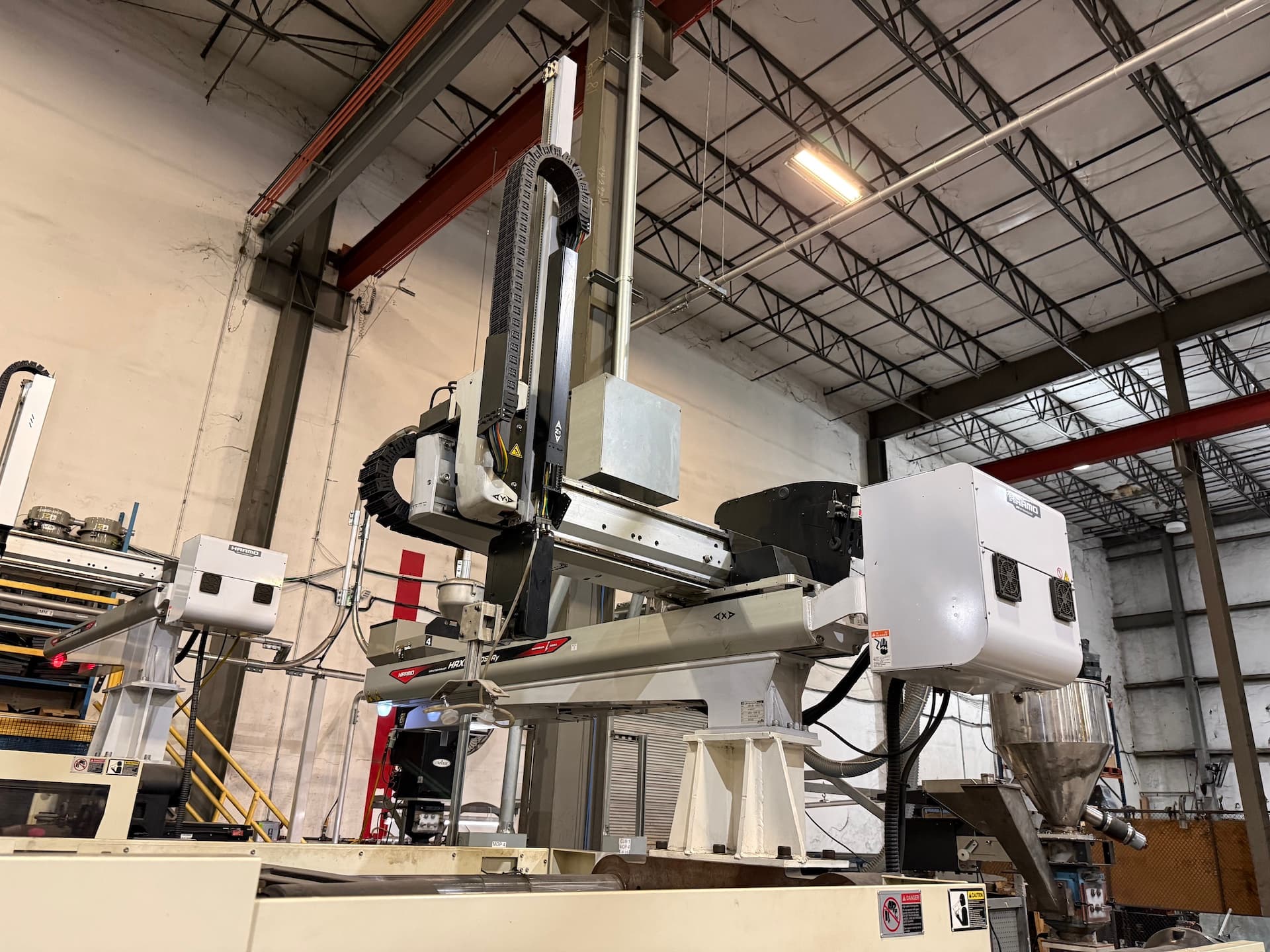
Lot 24
2019 Harmo Robot w/HRS-1500 V2 Controls
Apopka, FL
Live auction · Tue, Oct 20, 10:00 AM CT · 1 absentee bid
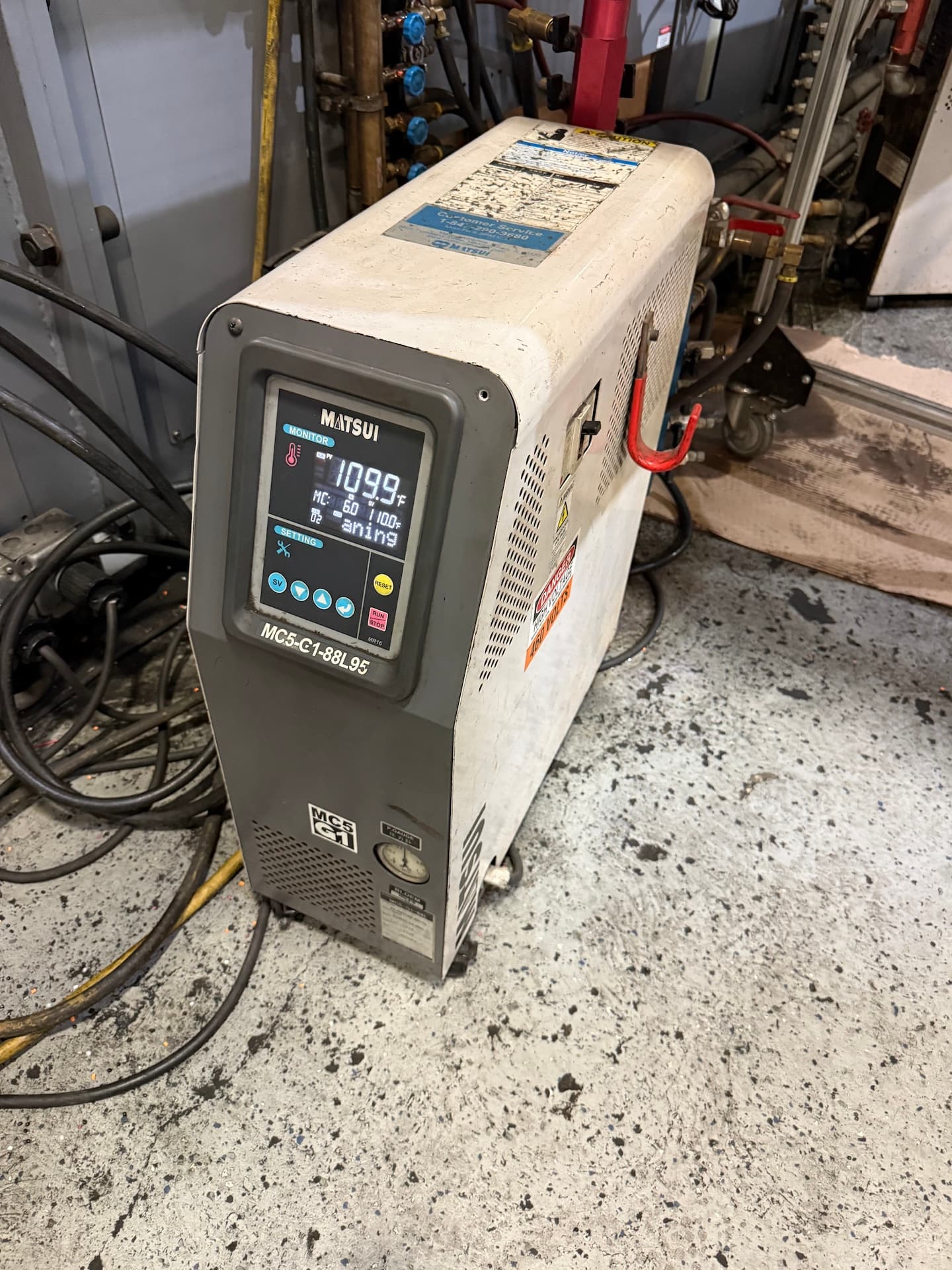
Lot 32
2019 Matsui 9 kW Heater, 1 kW Motor Thermolator
Apopka, FL
Live auction · Tue, Oct 20, 10:00 AM CT · 2 absentee bids
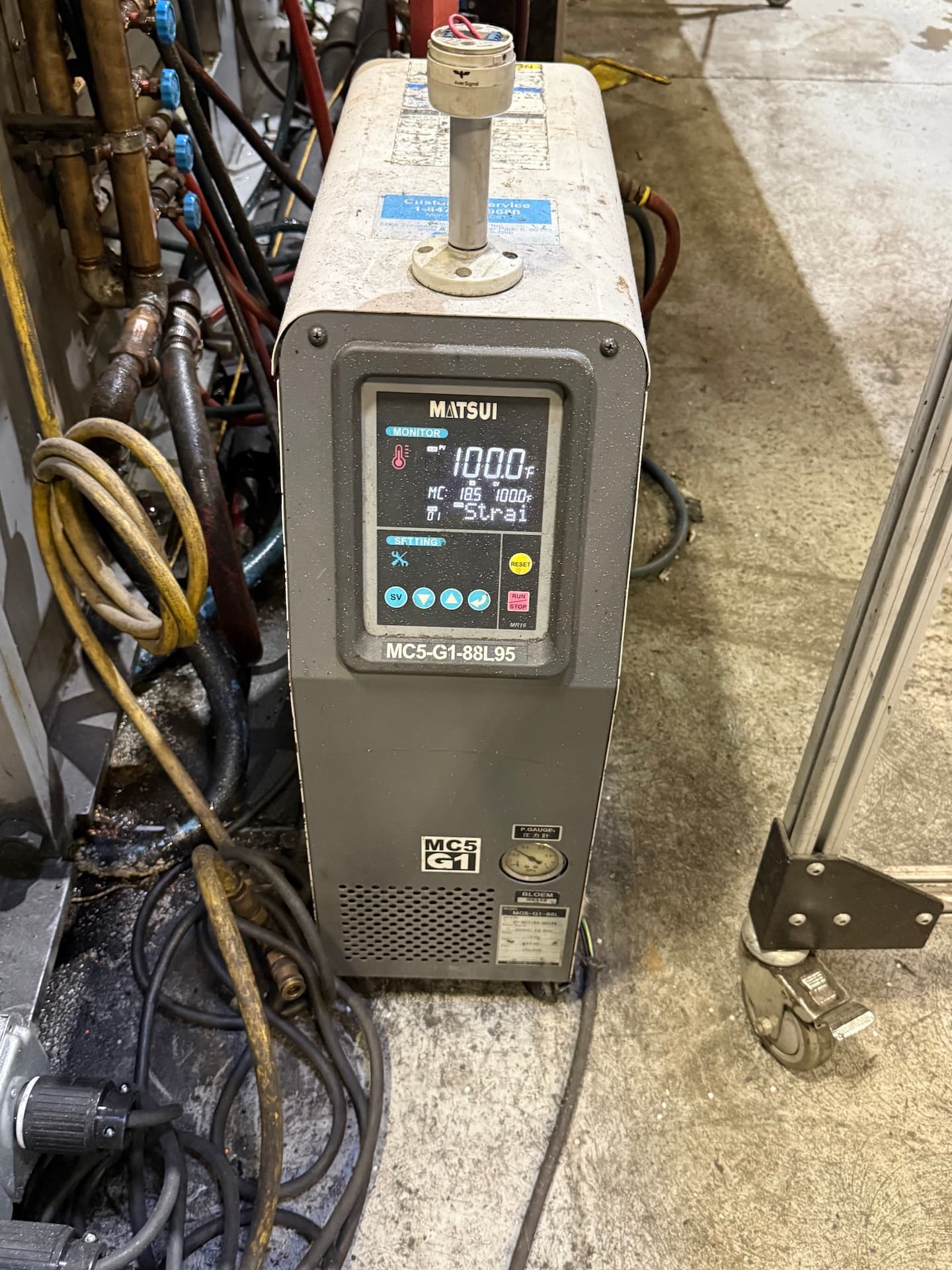
Lot 36
2018 Matsui 9 kW Heater, 1 kW Motor Thermolator
Apopka, FL
Live auction · Tue, Oct 20, 10:00 AM CT · 1 absentee bid
Looking for Something Specific?
Most of our auxiliary equipment inventory sells before we can list it online. If you need a specific brand, model, or specification, contact us directly—we have access to unlisted equipment and machines coming in from plant closures.
Browse Used Auxiliary Equipment by Brand
Browse Used Auxiliary Equipment by Country
Looking to Sell Your Auxiliary Equipment?
Meadoworks is an active cash buyer of used auxiliary equipment. Get a free valuation from our AMEA-certified appraisers.
About Used Auxiliary Equipment
Browse Meadoworks' extensive inventory of used plastic auxiliary equipment essential for any molding or extrusion operation. Our selection includes material dryers (desiccant, hot air, vacuum), chillers and temperature controllers, granulators and grinders, material loaders and conveyors, blenders and feeders, mold temperature controllers, and hot runner systems. We stock auxiliary equipment from Novatec, Conair, Motan, Wittmann, Una-Dyn, Advantage, Mokon, Cumberland, Rapid, Foremost, Maguire, and other industry leaders. Proper auxiliary equipment is critical for part quality—material moisture affects surface finish and mechanical properties, while temperature control impacts cycle times and dimensional stability. Every listing includes detailed specifications and condition reports. Whether you're setting up a new processing cell or upgrading existing equipment, Meadoworks offers auxiliary solutions at every budget level. We ship worldwide and can help you spec equipment for your specific resin and throughput requirements.
Browse used plastic auxiliary equipment for sale from top manufacturers.
Key Takeaways: Used Auxiliary Equipment
- Meadoworks stocks used dryers, chillers, robots, material handling, blenders, hot runners, and temperature controllers.
- Top brands include Conair, Novatec, Wittmann, Maguire, Motan, Yushin, and Sepro.
- Everything around the press — resin drying, blending, conveying, part removal, cooling, and process control.
- Each unit is documented with capacity, configuration, and condition.
Types of Plastics Auxiliary Equipment
From resin dryers and blenders to robots, chillers, and hot-runner controllers, Meadoworks carries the full range of plastics auxiliary equipment.
Plastic Resin Dryers
Desiccant and hot-air dryers that remove moisture from hygroscopic resins before processing — Conair, Novatec, Motan.
Process Chillers & Cooling Towers
Air- and water-cooled chillers and cooling towers supplying process cooling for molding and extrusion.
Plastics Robots & Automation
Servo part-removal and automation robots — Wittmann, Yushin, Sepro, and Star Automation.
Plastic Material Handling Equipment
Vacuum loaders, conveying systems, silos, and box dumpers for moving resin to the machine.
Plastic Blenders & Feeders
Gravimetric and volumetric blenders and feeders for accurate resin, regrind, color, and additive dosing — Maguire.
Hot Runner Systems & Controllers
Hot runner manifolds, nozzles, and multi-zone temperature controllers — Mold-Masters and Gammaflux.
Mold Temperature Controllers
TCUs and thermolators (Regloplas, Sterlco, Mokon) for precise mold temperature control.
Industrial Conveyors
Belt, roller, and cleated conveyors for parts handling, cooling, and packaging lines.
Packaging Machinery & Stretch Wrappers
End-of-line stretch wrappers, case sealers, and strapping for finished-goods packaging.
Air Compressors
Rotary screw and reciprocating air compressors for blow molding, pneumatics, and plant air.
Top Used Plastics Auxiliary Brands
Meadoworks stocks used auxiliary equipment from the leading plastics OEMs. Click any brand to browse current inventory.
Conair
American leader in dryers, material handling, blenders, chillers, and downstream auxiliary equipment.
Novatec
American resin drying and material handling systems for plastics processing.
Wittmann
Austrian robots, dryers, blenders, and conveying systems for injection molding cells.
Maguire
American gravimetric blenders and feeders — the industry standard for accurate dosing.
Motan
German material handling, drying, and dosing systems for plastics processing.
Yushin
Japanese part-removal robots and automation for injection molding.
Sepro
French servo robots and automation for injection molding cells.
Star Automation
Servo robots and automation systems for injection molding part handling.
Mold-Masters
Canadian leader in hot runner systems, controllers, and hot-half manifolds.
Piovan
Italian resin drying, conveying, and temperature-control systems.
Matsui
Japanese dryers, loaders, blenders, and temperature controllers for plastics.
Una-Dyn
American desiccant drying and resin conveying systems.
Sterlco
American mold temperature controllers, thermolators, and process equipment.
Shini
Asian dryers, loaders, granulators, and auxiliary plastics equipment.
Moretto
Italian drying, conveying, dosing, and cooling systems for plastics.
Regloplas
Swiss high-precision mold temperature control units (TCUs).
Mokon
American temperature control units and chillers for process heating and cooling.
Thermal Care
American process cooling — chillers, cooling towers, and temperature controllers.
Advantage Engineering
American chillers, temperature controllers, and central cooling systems.
Nordson
American hot-melt, dispensing, and plastics processing components.
Gammaflux
American hot runner temperature control systems for injection molding.
AEC-Whitlock
American dryers, blenders, granulators, and material handling (ACS Group).
Kawata
Japanese dryers, loaders, and material handling systems for plastics.
HB-Therm
Swiss mold temperature control units known for precision and reliability.
Dri-Air
American desiccant resin dryers for engineering and high-performance polymers.
Sizing Used Auxiliary Equipment to Your Press
Auxiliary equipment is sized to throughput, not to the press tonnage. Start with pounds per hour: shot weight × shots per hour (cavities ÷ cycle time) gives the material rate each machine consumes. A resin dryer needs hopper capacity equal to that rate multiplied by the resin's drying time — four hours for nylon or PET means a 50 lb/hr process needs roughly a 200 lb hopper. Vacuum loaders are rated in lb/hr at a given conveying distance, so check the run from the dryer or gaylord to the throat.
Cooling is sized in tons of refrigeration. A common rule of thumb is about one ton of chiller capacity for every 30–40 lb/hr of resin processed, more for thin-wall or fast-cycle molds and hot climates. Mold temperature controllers (thermolators) are chosen by heater kW, pump flow and maximum temperature — water units top out around 250°F, oil units run hotter for engineering resins. Gravimetric blenders are sized by the number of components and total throughput.
What to Check When Buying Used Dryers, Chillers and Thermolators
For desiccant dryers, confirm the unit reaches its rated dew point (typically -40°F), check desiccant age and the regeneration heater, and inspect hoppers and hoses for contamination. For chillers, ask for the refrigerant type, compressor hours, and whether the unit is air- or water-cooled — water-cooled chillers need a tower or city water, air-cooled units need clearance and ventilation. For thermolators, test heater and pump operation, check for leaks at seals and fittings, and confirm the control reads accurately.
On robots and sprue pickers, check the stroke and payload against your mold and parts, confirm the mounting pattern and interface (Euromap 12/67 or SPI) match your press, and review the controller's program storage. For hot runner controllers, count the zones you need and confirm the thermocouple type (J or K) and connectors match your molds.
Buying a Complete Molding Cell
Plant closings often sell a press with its dryer, blender, loaders, thermolators, robot and conveyor — a matched cell that already ran together. Buying the set can save sizing work and rigging trips, but check each unit's condition individually and confirm voltages match your plant. Browse auxiliary lots in upcoming auctions alongside the injection molding machines, or tell us what you need and we'll look for a matching cell.
A Molding Cell and an Extrusion Line Do Not Share One Auxiliary Package
A molding cell is built around one press and one mold. Resin has to arrive dry, at the right blend, and the steel has to sit at a setpoint while the screw recovers. That package is a desiccant dryer or a portable dryer, a vacuum loader, sometimes a hopper or gaylord tilter, a gravimetric blender or a color feeder, a water temperature controller or a hot oil unit, a portable chiller, and either a sprue picker or a servo robot. Each of those has its own page because the sizing rules are not the same.
An extrusion line is a different set of machines. The extruder still wants dry, blended resin, so dryers, loaders and blenders are needed again. After the die the line wants a cooling tank or a chill roll, a puller, and a cutter or a winder. Pelletizing lines add a strand pelletizer or an underwater cutter. Putting a sprue picker on an extruder does nothing. Putting a puller on a molding press does nothing. Buy the package that matches the process, then open the chip page for the one machine you are short.
Central systems change the picture again. One drying plant and one conveying loop can feed several presses or several extruders. That is a different purchase from a dryer bolted to a single throat. Read the centralized section below before you buy five press-side cabinets out of habit.
A few ratios keep the first pass honest, and they are guidance, not a guarantee. Dryer hopper volume is throughput times the hours the resin needs to stay in the hopper. A loader is rated for a distance, not just a nameplate rate, so measure the run from the gaylord or the dryer to the throat. Chiller tons follow the heat the molds and the hydraulics actually dump, including every machine on that loop. A water temperature controller is sized by heater kilowatts and by pump flow through the waterlines in the tool, not by press tonnage. When those four numbers are in hand, the chip pages are where the brands and the inspection points live.
Central Systems vs Beside-the-Press Auxiliary
Beside-the-press equipment is a cabinet with one job and a short hose. A portable dryer, a press-side thermolator, a small granulator and a vacuum loader can be moved when the mold moves. They are the right buy for a job shop, a cell that changes resins often, and any plant that does not want one failure to stop every machine. The cost is duplication. Five presses can mean five pumps, five filters and five controllers to keep honest.
A central system puts the drying, the conveying or the chilling in one place and pipes it out. It earns its floor space when several machines run the same resin family all week, and when someone on staff will own the loop. Central dryers, central conveying and a central chiller are separate decisions. You can centralize water and leave drying at the press, which is common. You should not centralize a resin that only one press runs.
Hoppers and bins sit between those choices. They hold material so a loader is not starving the throat every few minutes. Gaylord tilters are the version of that problem for boxes on the floor. Name the distance and the resin before you pick a loader. A loader rated for a short hop will not pull from a mezzanine.
What Ages Well When You Buy Used Auxiliary Equipment
Cabinets, frames and pump housings outlast the parts that touch heat and plastic. On a dryer the desiccant, the regeneration heater and the hoses are the wear items. On a thermolator the heater, the shaft seal and the exchanger are the wear items. On a chiller the compressor and the refrigerant circuit are the wear items, and the refrigerant type decides who can still service it. On a granulator the knives, the screen and the bearings are the wear items. On a robot the belts, the grease and the controller generation matter more than the arm casting.
Controls are the other aging part. A cabinet whose board is still supported is a different buy from a cabinet whose display is a blank green line. Voltage has to match the cell. A 230 volt auxiliary next to a 460 volt press is a transformer, not a bargain. Mixing brands in one cell is normal. Mixing a loader that speaks one protocol with a dryer that speaks another is fine if a person can still start them. It is not fine if you expected one screen to run the whole cell.
None of this is a dollar figure. Condition and fit decide whether a used piece is cheaper than a new one after the repair. Inspect the wear item that actually fails on that machine, and read the nameplate before you compare two brands.
Why Buy Used Plastics Auxiliary Equipment From Meadoworks
Meadoworks has bought and sold plastics plants for decades, and auxiliary equipment leaves those plants with the presses. A closure often includes the dryer, the loaders, the thermolators, the robot and the chiller that already ran as a cell. That is useful because the voltages and the hose sizes were solved once. It is not a reason to skip inspection. Each cabinet stands on its own, from desiccant dryers and vacuum loaders to water temperature controllers, portable chillers, beside-the-press granulators and servo robots.
We document capacity and configuration on the listing, and buyers can inspect before they commit. When a cell moves, rigging and trucking are coordinated with the machines rather than as a second project for a loose cabinet. If the listing you opened is the wrong size, say so. We would rather point you at another dryer, loader or thermolator in the same family than stretch a nameplate that does not fit. Call 800-323-0307 or send a note with the resin, the throughput and the voltage, and we will say whether the unit you are looking at fits or whether another one in the same family does. We do not guess a brand you have never run if a different cabinet matches the nameplate you actually need.
Frequently Asked Questions
What auxiliary equipment do I need for injection molding?
Essential auxiliary equipment includes a material dryer (especially for hygroscopic resins like nylon and PET), chiller or temperature controller for mold cooling, and a granulator for regrind. Additional equipment may include loaders, blenders, dehumidifiers, and robots depending on your application and automation level.
What brands of auxiliary equipment does Meadoworks carry?
We stock auxiliary equipment from Novatec, Conair, Motan, Wittmann, Una-Dyn, Advantage, Mokon, Sterling, ACS, Cumberland, Rapid, Foremost, Maguire, and other industry leaders covering drying, cooling, grinding, and material handling.
Why is material drying important for plastics processing?
Many plastics (nylon, PET, PC, ABS, PBT) absorb moisture from the air. Processing wet material causes splay, bubbles, reduced strength, and poor surface finish. Proper drying to manufacturer-specified moisture levels is critical for consistent part quality and process stability.
What size resin dryer do I need?
Multiply your material rate (lb/hr) by the resin's drying time. A process running 50 lb/hr of a resin that needs four hours of drying needs roughly a 200 lb hopper, plus a desiccant dryer rated for at least 50 lb/hr at the required dew point.
What size chiller do I need for injection molding?
A common rule of thumb is about one ton of chiller capacity for every 30–40 lb/hr of resin processed, adjusted up for thin-wall or fast-cycle molds, hydraulic oil cooling, and hot plant conditions. Size for all the molds and machines on the loop, not a single press.
What is the difference between a thermolator and a chiller?
A chiller removes heat and supplies cold water to the mold or process. A thermolator (mold temperature controller) heats or cools water or oil to hold the mold at a set temperature — often above the chiller's water temperature — and is usually placed beside each press.
What auxiliary equipment do I need around an injection molding machine?
A typical molding cell needs resin drying (desiccant dryer), material handling (vacuum loaders/conveying), blending/dosing (gravimetric blender), process cooling (chiller and/or cooling tower), mold temperature control (TCU/thermolator), part removal (robot or conveyor), and often a hot-runner temperature controller. Meadoworks stocks each of these from leading OEMs.
When should auxiliary equipment be centralized instead of sitting at the press?
Centralize a loop when several machines run the same resin or the same chilled water all week and someone will own the piping. Leave it beside the press when the cell changes resins, when one failure must not stop the room, or when you are still learning the process. Drying, conveying and chilling are three separate choices. Many plants centralize water and keep a dryer on each throat. A loader still has to reach the distance you actually have, whether the pump is central or on the machine.
What wears out first on used plastics auxiliary equipment?
The frame usually outlasts the part that sees heat or plastic. Dryers lose desiccant and regeneration heaters. Temperature controllers lose heaters, seals and heat exchangers. Chillers are a compressor and a refrigerant circuit. Granulators are knives, screens and bearings. Robots are belts and the age of the controller. Read that wear item, and read the voltage, before you compare two brands. A supported control board is a different machine from a cabinet whose display no longer has parts.
Ready to find the right auxiliary equipment? Call us at 800-323-0307 or submit a request through our equipment locator form.
Buying Guides & Resources
Helpful resources to guide your equipment purchase decisions.
Recently Sold Auxiliary Equipment
View all sold auxiliary equipment →


Plastics auxiliary equipment auctions (89 lots on 5 upcoming sales)
