Used High-Performance Extrusion Machines for Sale
See all 14 Extruders & Extrusion Lines →
0 results
No matching equipment is listed online right now.
Most of our inventory sells before we can list it. Browse related equipment or tell us what you need — we source from plant closures across North America.
Related Equipment Available Now
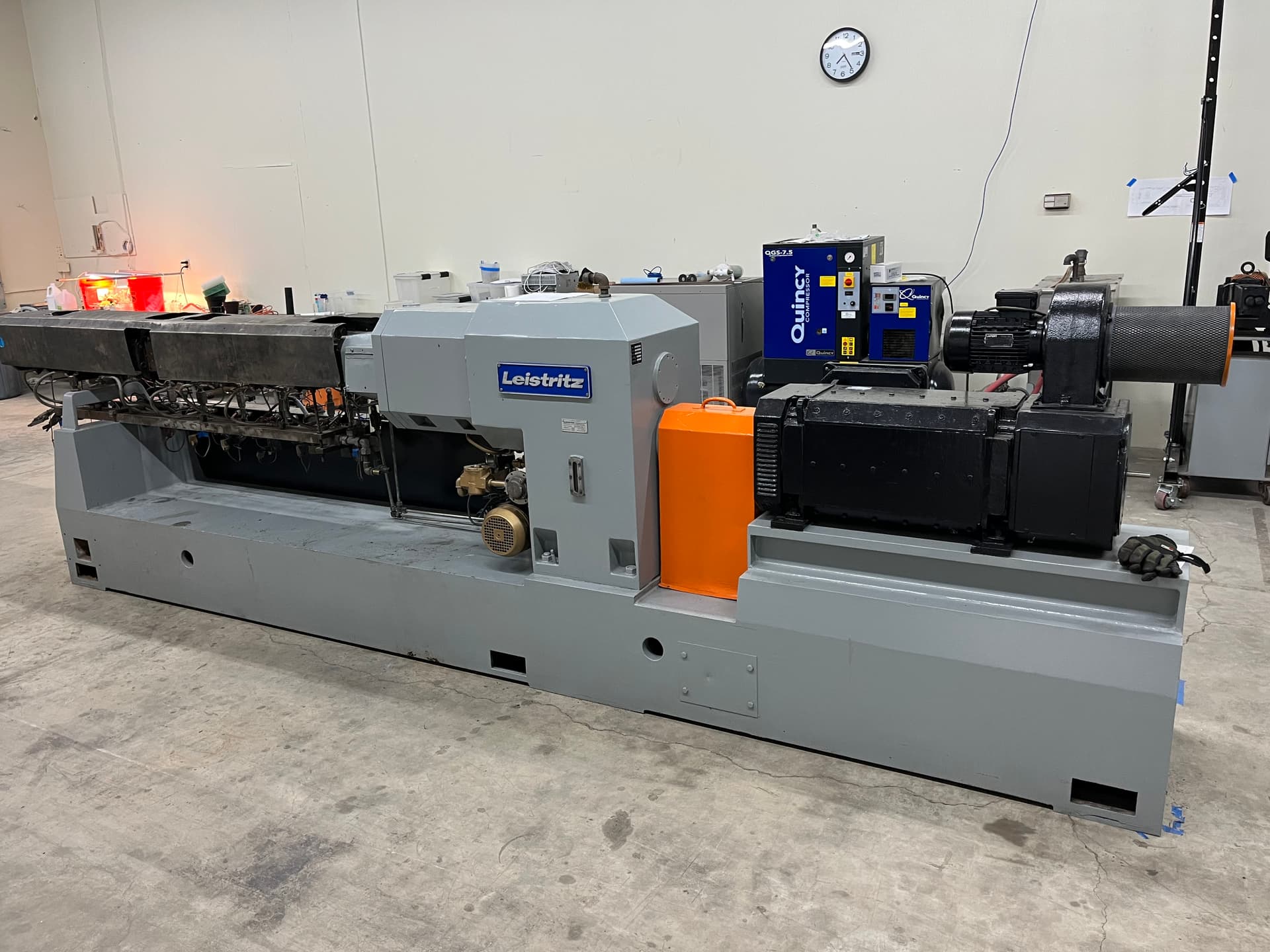
Item #6892
2000 Leistritz ZSE 60 GL-36D Extruder
USA
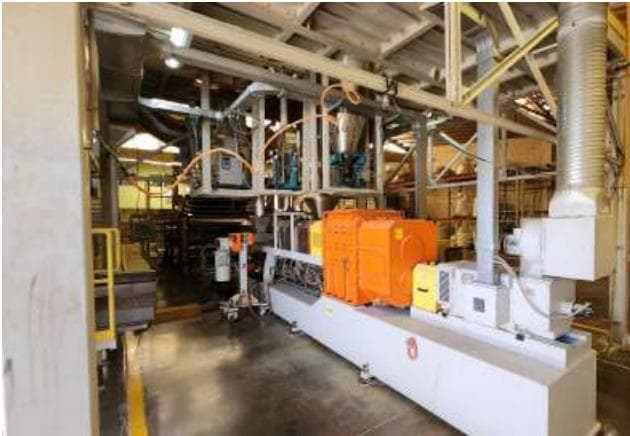
Item #6887
2011 ICMA MCM 112 Sheet Extrusion Line
Mexico
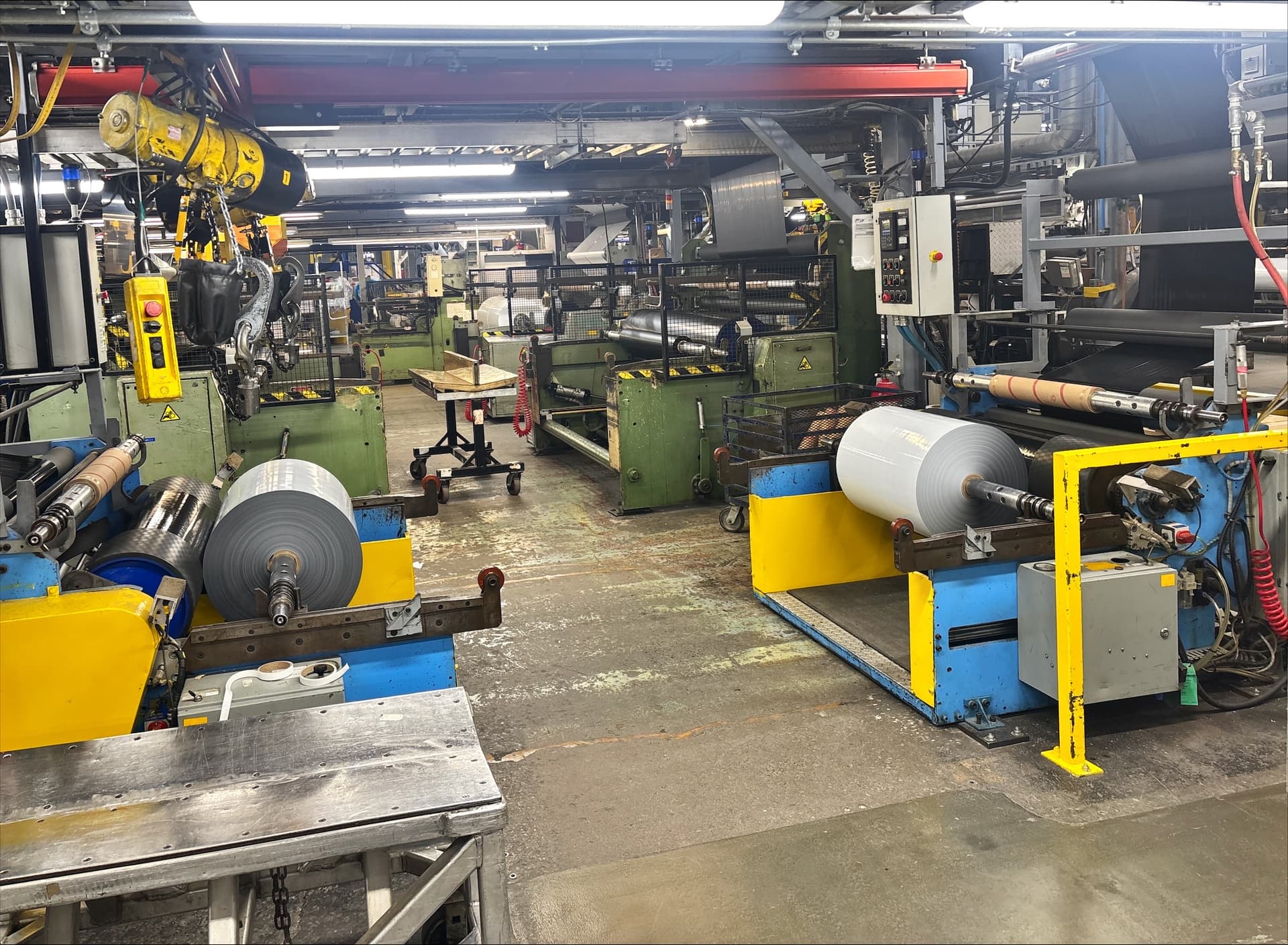
Item #6618
2006 Zocchi 3-Layer Co-Extrusion Blown Film Line
Canada
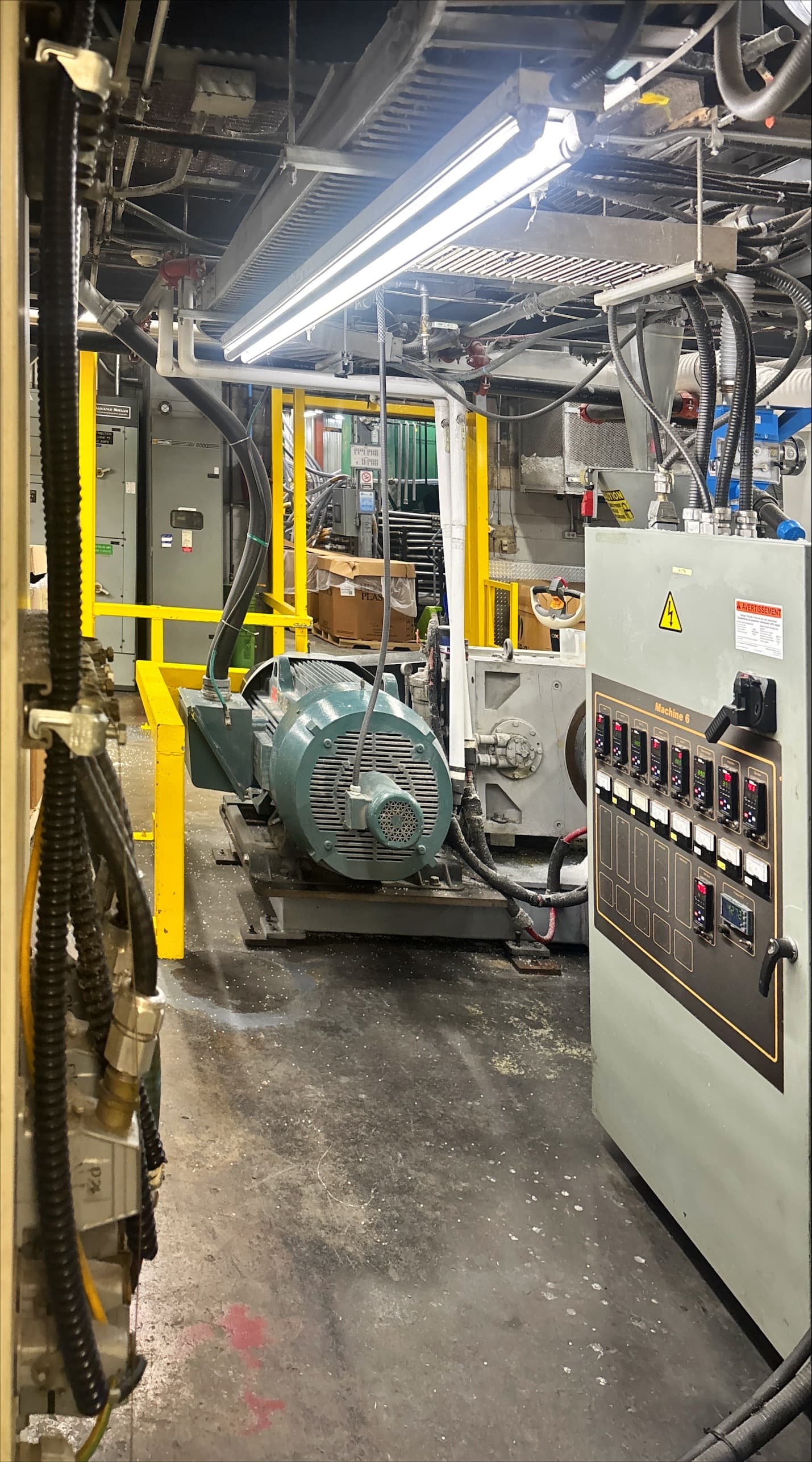
Item #6617
2012 Addex 4.5" Blown Film Extrusion Line
Canada
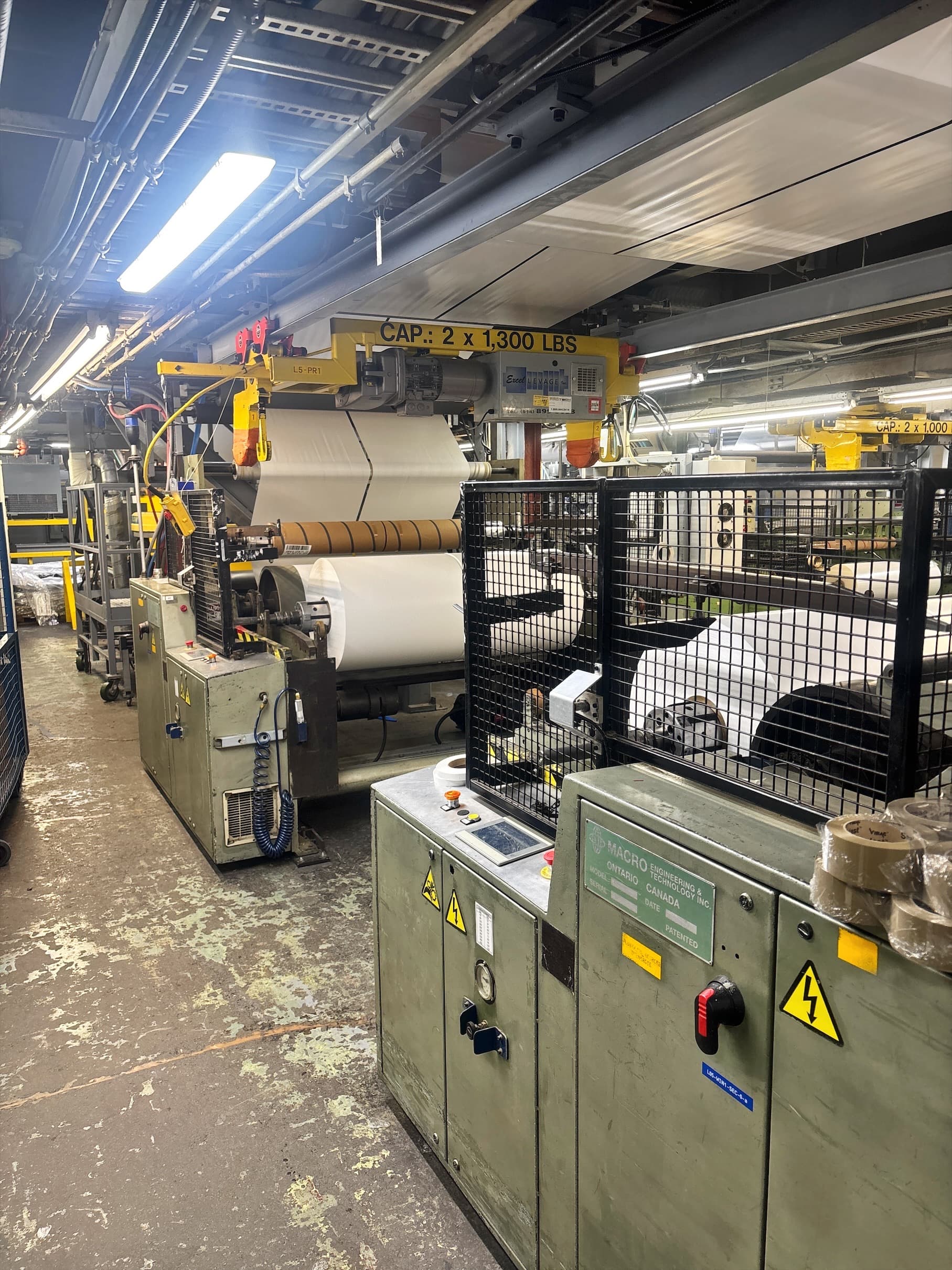
Item #6616
Addex 4.5" Blown Film Extrusion Line
Canada
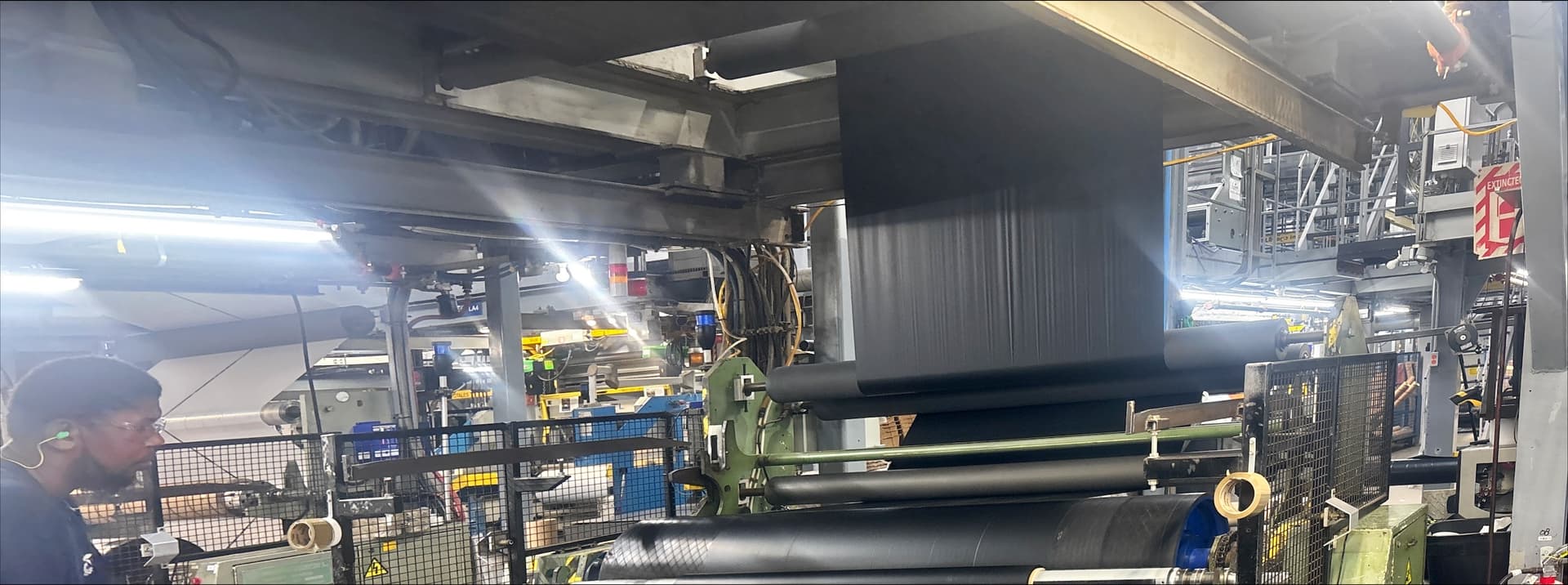
Item #6615
AR Engineering 4.5" Blown Film Extrusion Line
Canada
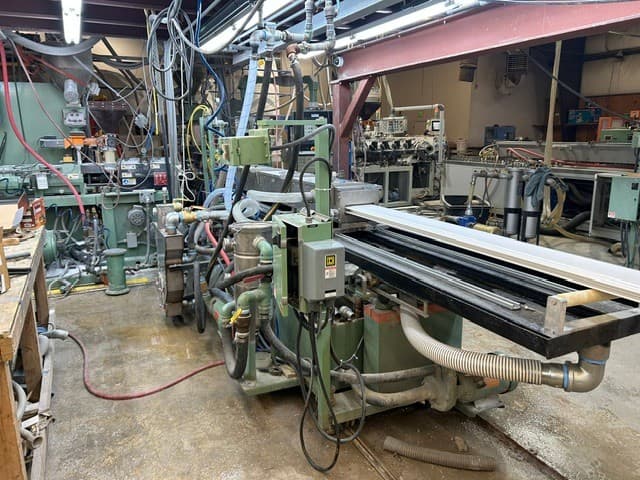
Item #6448
2007 Davis-Standard GC 65 / GC 40 Pipe & Profile Co-Extrusion Line
USA

Item #6325
2022 Lima Extrusion P 90/28 Pipe & Profile Extrusion Line
USA
Looking for Something Specific?
Most of our inventory sells before we can list it online. If you need a specific brand, model, or specification, tell us what you need—we have access to unlisted equipment and machines coming in from plant closures.
Browse Used High-Performance Extrusion Machines by Brand
Looking to Sell Your High-Performance Extrusion Machines?
Meadoworks is an active cash buyer of used industrial equipment. Get a free valuation from our AMEA-certified appraisers.
About Used High-Performance Extrusion Machines
High-performance extrusion machines are designed for demanding applications requiring superior mixing, output consistency, and material handling capability. These machines process engineering polymers, high-temperature materials, highly filled compounds, and specialty formulations that standard extruders cannot handle effectively.
Used high-performance extrusion machines include planetary roller extruders, co-kneaders, and advanced single and twin screw systems with specialized screw geometries. Polymer extruders for engineering resins like PEEK, PEI, and PPS require precise temperature control and corrosion-resistant metallurgy.
Meadoworks stocks used high-performance polymer extrusion equipment from leading manufacturers. Contact us at 800-323-0307.
How to Choose a Used High-Performance Extruder
The resin decides the machine
This set is for resins and compounds a general single-screw extruder handles badly: PEEK, PEI, PPS, and highly filled formulations. Planetary roller extruders, co-kneaders, and specialized twin-screw machines live here because they mix and they survive the temperature.
Metallurgy matters. A screw and barrel built for polyethylene will corrode or wear out on a filled high-temperature compound. Temperature zones have to reach the resin, not the number on a commodity extruder.
Mixing versus pumping
A co-kneader and a twin screw mix. A long single screw pumps and melts. If the job is a filled compound, you need the mixer. If the job is a high-temperature profile with a simple resin, a corrosion-resistant single screw can be the right machine.
L/D, screw elements, and the heater rating are the comparison. A machine that cannot hold the last zone will gel or freeze the resin in the die.
By size: Typical Used High-Performance Extruder Price Ranges
Lab and small twin-screw compounders (under about 40 mm): about $20,000–$100,000
Production twin-screw compounders (about 40–90 mm): about $80,000–$400,000
Large compounding lines (90 mm and up): about $250,000–$1,000,000+
Screw diameter and L/D, torque rating, barrel metallurgy (for glass-filled or abrasive compounds), feeders and pelletizer included, the drive and control, and the brand move the price. Coperion (Werner & Pfleiderer) and Leistritz hold value well.
These are typical used-market ranges, not a quote on any machine. For a current figure on a specific machine, request a quote or call 800-323-0307.
By brand
Coperion (Werner & Pfleiderer): ZSK twin-screw compounders; we have sold Coperion.
Leistritz: ZSE twin-screw extruders; we have listed Leistritz.
Krauss Maffei (Berstorff): Twin-screw compounders and large extruders; we have sold Krauss Maffei extrusion machines.
Davis-Standard: High-output single screw and compounding extruders; we have sold Davis-Standard.
Meadoworks track record
Meadoworks has sold more than 60 used extrusion machines and lines; Milacron and Davis-Standard are the makes we have sold most, and Krauss Maffei and Coperion compounders are among them.
High-Performance Extruder Specs to Compare
| Spec | Typical range | Why it matters |
|---|---|---|
| Configuration | Single screw, twin screw, planetary, or co-kneader. The compound picks it. | |
| L/D | About 32:1 to 48:1 on twin-screw compounders | Length for melting and mixing. A short commodity screw will not do a filled resin. |
| Metallurgy | Screw and barrel alloy. Filled and halogenated resins eat mild steel. | |
| Heat zones | Have to reach the resin's process window and hold it at the die. |
Configuration
Single screw, twin screw, planetary, or co-kneader. The compound picks it.
L/D
Typical range: About 32:1 to 48:1 on twin-screw compounders
Length for melting and mixing. A short commodity screw will not do a filled resin.
Metallurgy
Screw and barrel alloy. Filled and halogenated resins eat mild steel.
Heat zones
Have to reach the resin's process window and hold it at the die.
What to Inspect on a Used High-Performance Extruder
Name the resin
Against the last material the screw ran. A polyethylene screw is a clue.
Read the alloy
Screw and barrel. Wear on a filled compound shows as output you cannot hold.
Heat every zone
To the range that resin needs. A dead zone at the die is scrap.
Turn the screw
Gearbox noise. On a twin screw, the elements have to be the set you need, or budget a rebuild.
Related Equipment
- Strand Pelletizers
Cut a compounding strand into pellets
- Desiccant Dryers
Dry the resin before it reaches the screw
More Extruders & Extrusion Lines types
Types of Extrusion
Common Applications
Frequently Asked Questions
What makes an extruder 'high-performance'?
High-performance extrusion machines feature advanced screw geometries for superior mixing, high-torque drives for processing viscous materials, corrosion-resistant metallurgy for aggressive polymers, precise multi-zone temperature control, and robust construction for 24/7 operation with demanding materials. They handle what standard extruders cannot.
How much does a used high-performance extruder cost?
Typical used-market ranges: lab and small twin-screw compounders about $20,000–$100,000, production compounders (about 40–90 mm) about $80,000–$400,000, and large compounding lines about $250,000–$1,000,000+. Torque, L/D, metallurgy and brand move the price. Call 800-323-0307 for a current figure on a specific machine.
What is a twin screw compounding extruder used for?
Compounding — mixing resin with fillers, glass fiber, color and additives — devolatilizing, reactive extrusion and recycling. Co-rotating twin screws mix well; counter-rotating machines are used for PVC pipe and profile.
Co-rotating or counter-rotating twin screw extruder?
Co-rotating machines (Coperion ZSK, Leistritz ZSE) mix and compound at high speed and are the standard for filled and colored compounds. Counter-rotating machines run slower with a strong pumping action and are used mainly for rigid PVC pipe, profile and sheet.
What should I inspect on a used compounding extruder?
The screw elements and barrel liners for wear, the gearbox (torque rating, noise, oil), the barrel heating and cooling, the vacuum vent, and the feeders. Ask for the screw configuration and what compound it ran.
Related Resources
Need Help Finding the Right Equipment?
Contact our team with your specifications and we'll help you find the right machine.
