Used Water Temperature Controllers for Sale
See all 41 Thermolators & Temperature Controllers →
36 results
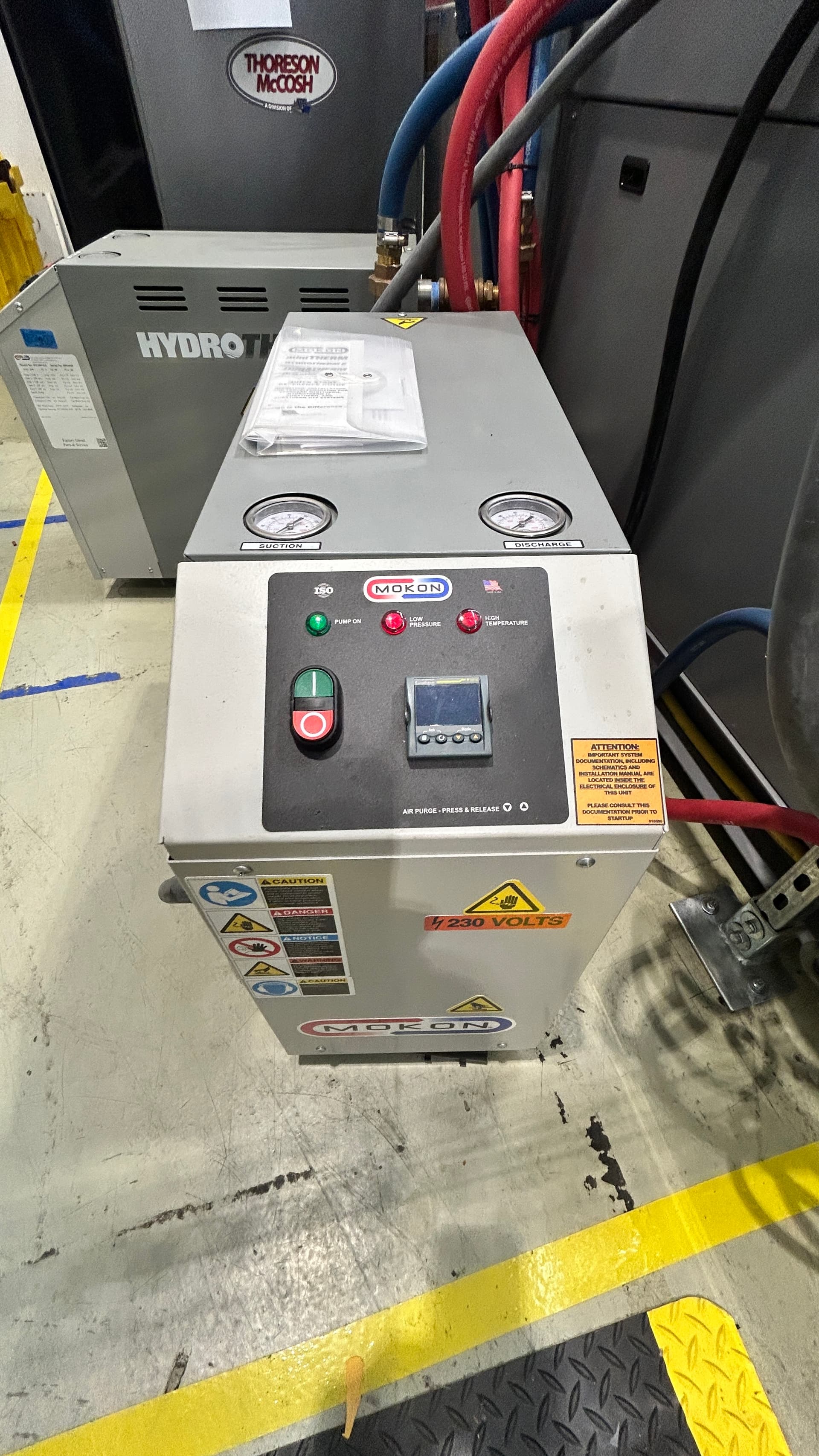
Lot 54
2022 Mokon HY2009GU
USA
Live auction · Tue, Oct 20, 10:00 AM CT
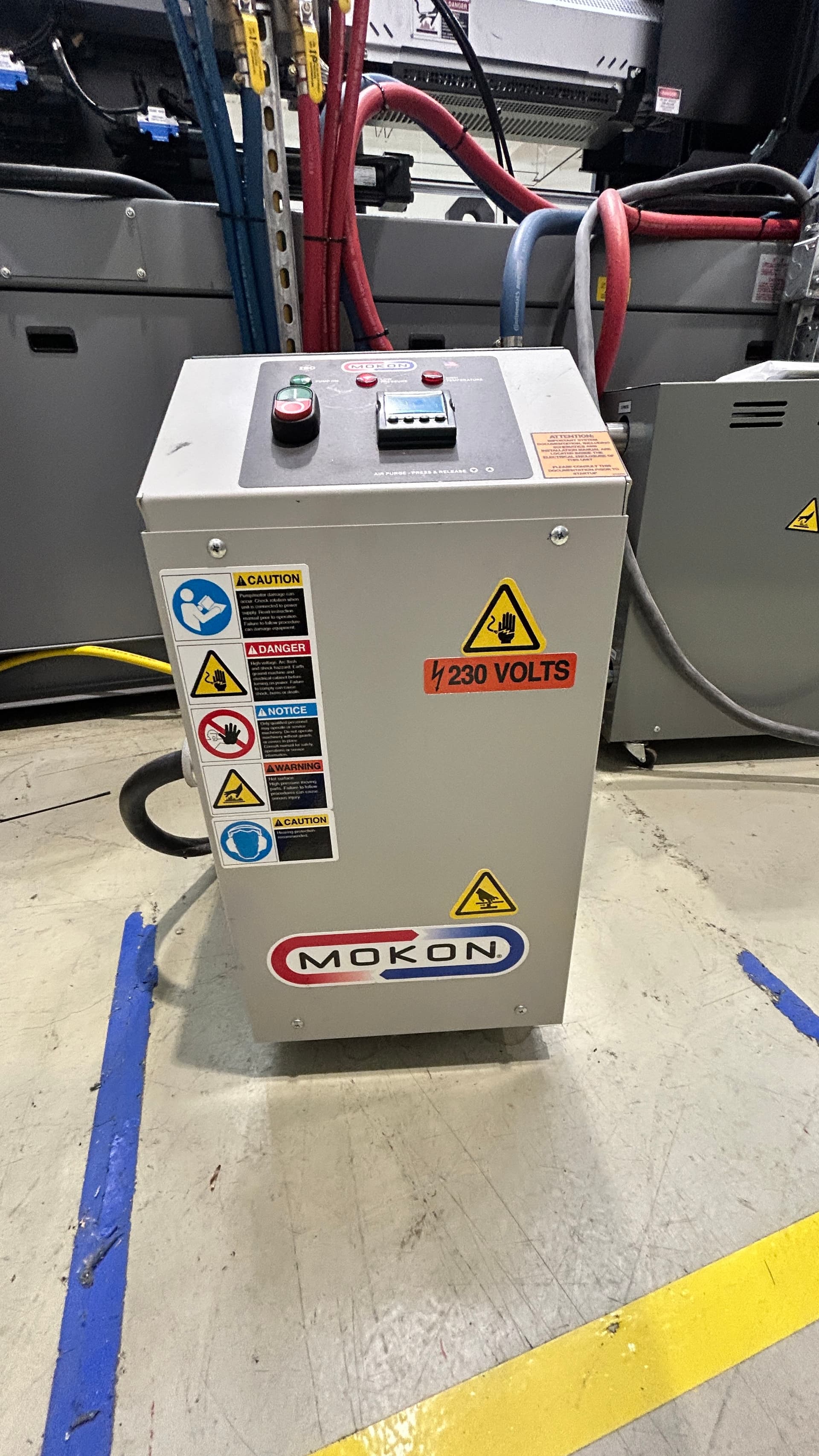
Lot 53
2022 Mokon HY2009GU
USA
Live auction · Tue, Oct 20, 10:00 AM CT

Lot 16
2022 Advantage Engineering Thermolator
Royse City, TX
Live auction · Thu, Oct 22, 10:00 AM CT

Lot 17
2022 Advantage Engineering Thermolator
Royse City, TX
Live auction · Thu, Oct 22, 10:00 AM CT

Lot 15
2022 Advantage Engineering Thermolator
Royse City, TX
Live auction · Thu, Oct 22, 10:00 AM CT

Lot 14
2022 Advantage Engineering Thermolator
Royse City, TX
Live auction · Thu, Oct 22, 10:00 AM CT
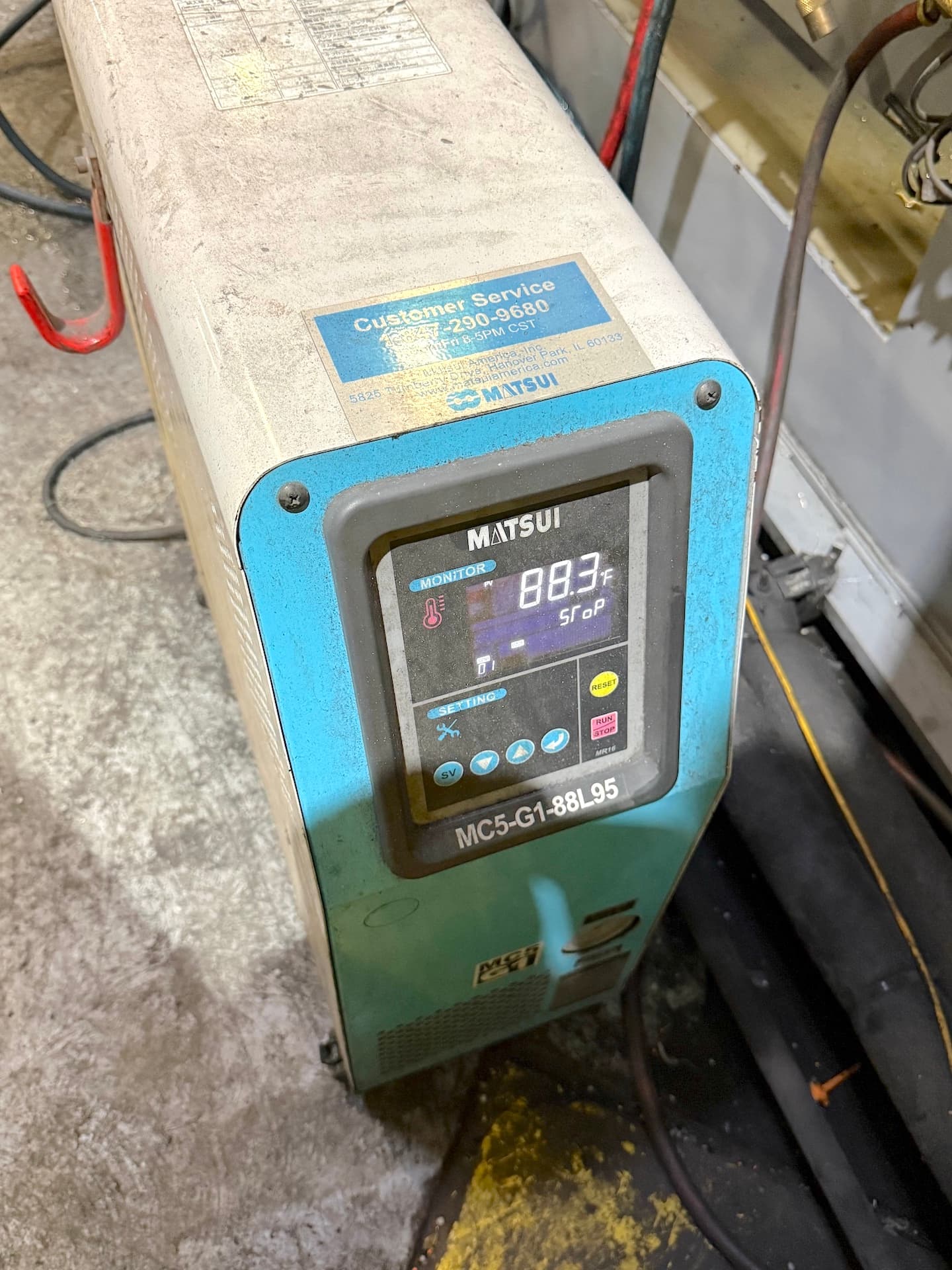
Lot 28
2020 Matsui 9 kW Heater, 1 kW Motor Thermolator
Apopka, FL
Live auction · Tue, Oct 20, 10:00 AM CT · 2 absentee bids
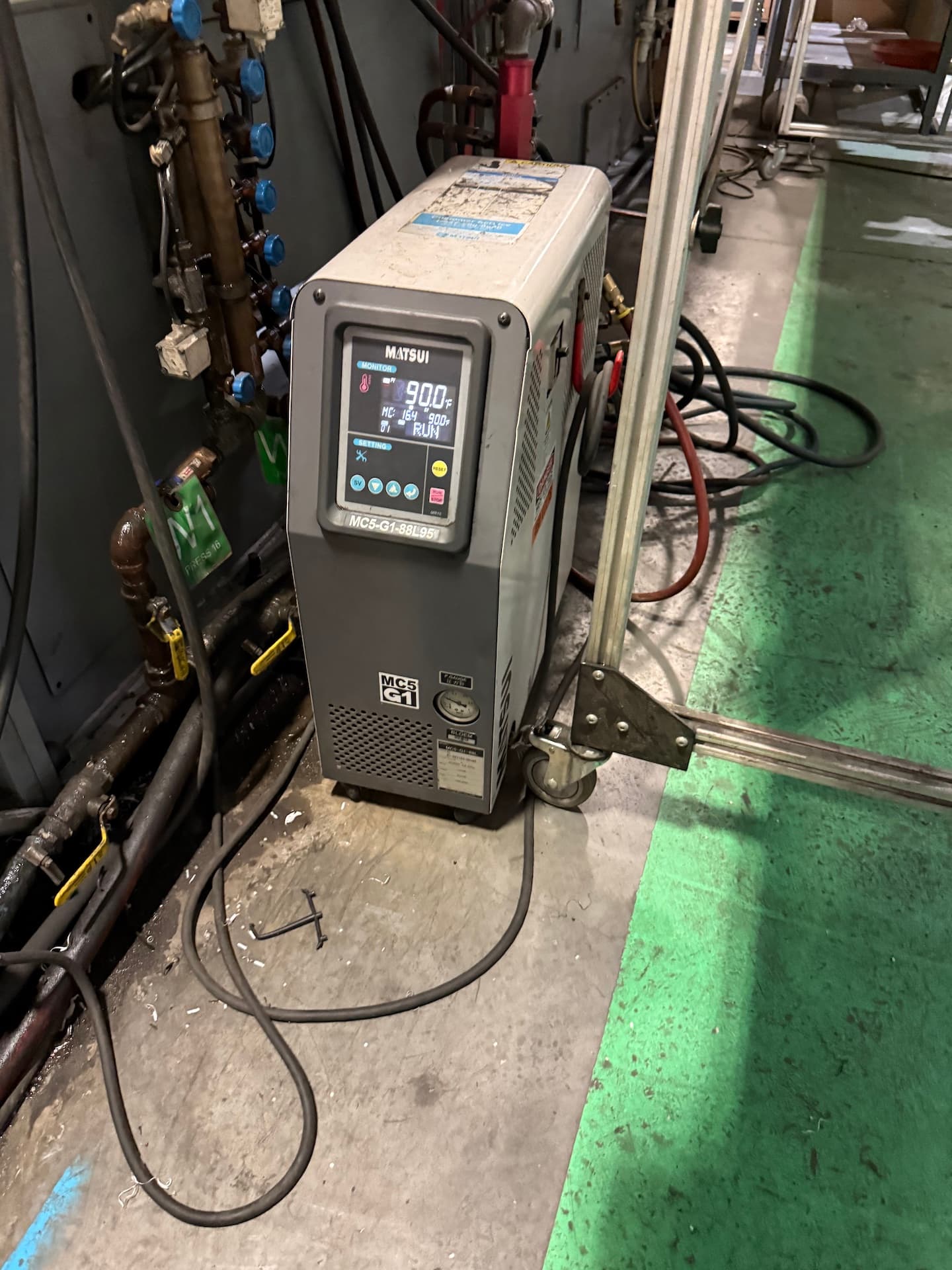
Lot 29
2020 Matsui 9 kW Heater, 1 kW Motor Thermolator
Apopka, FL
Live auction · Tue, Oct 20, 10:00 AM CT · 2 absentee bids
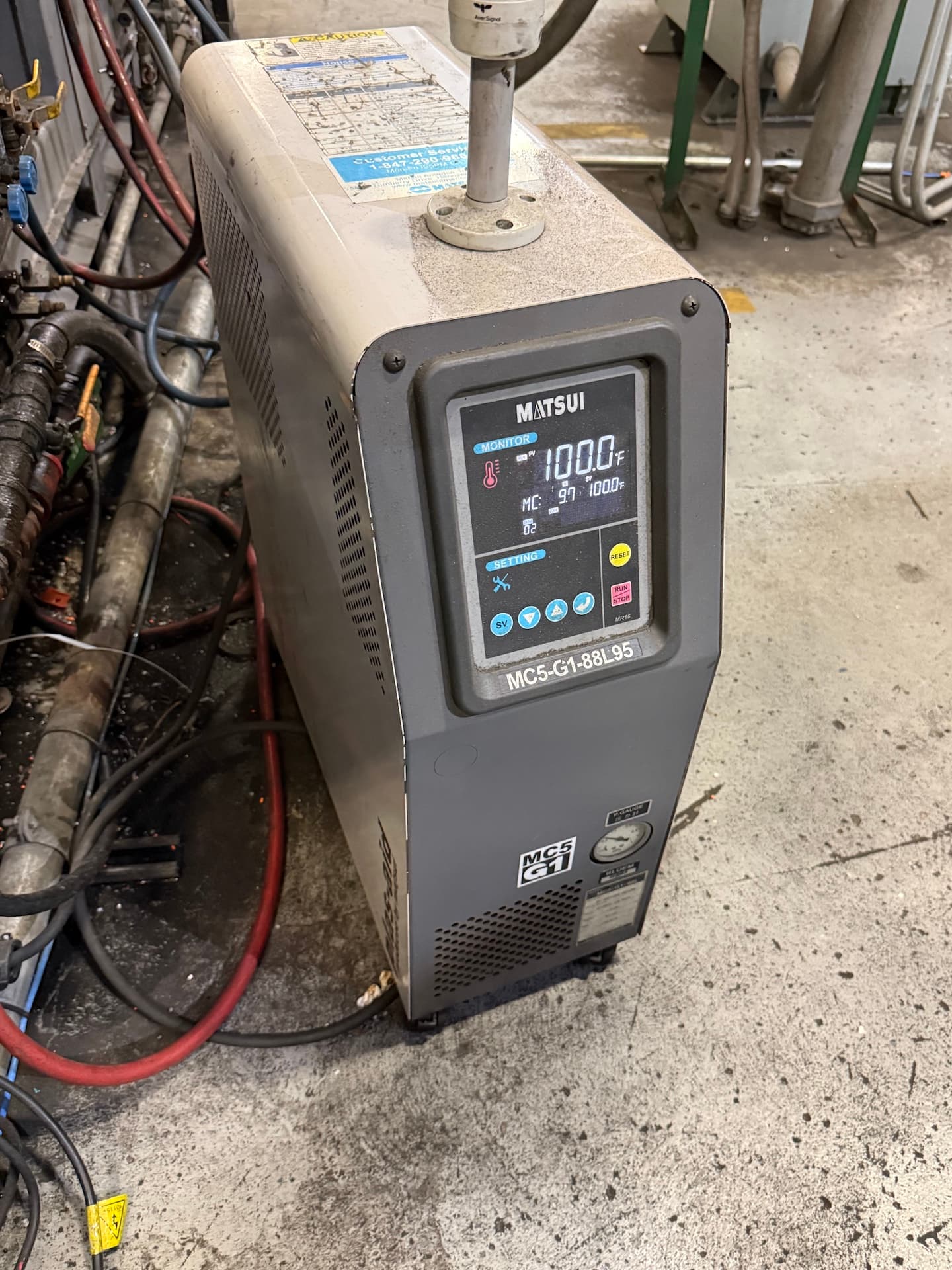
Lot 30
2019 Matsui 9 kW Heater, 1 kW Motor Thermolator
Apopka, FL
Live auction · Tue, Oct 20, 10:00 AM CT · 2 absentee bids
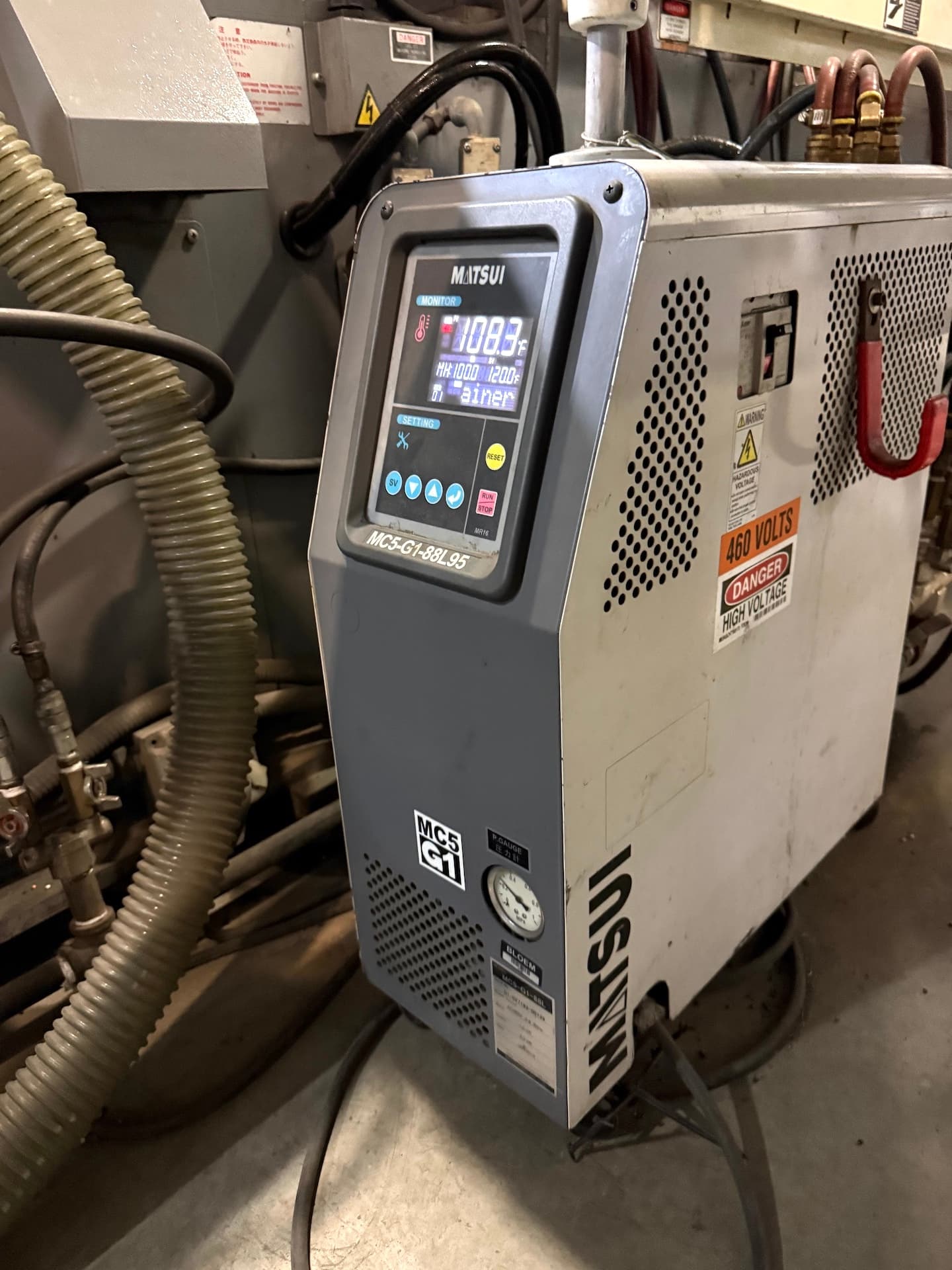
Lot 31
2019 Matsui 9 kW Heater, 1 kW Motor Thermolator
Apopka, FL
Live auction · Tue, Oct 20, 10:00 AM CT · 2 absentee bids
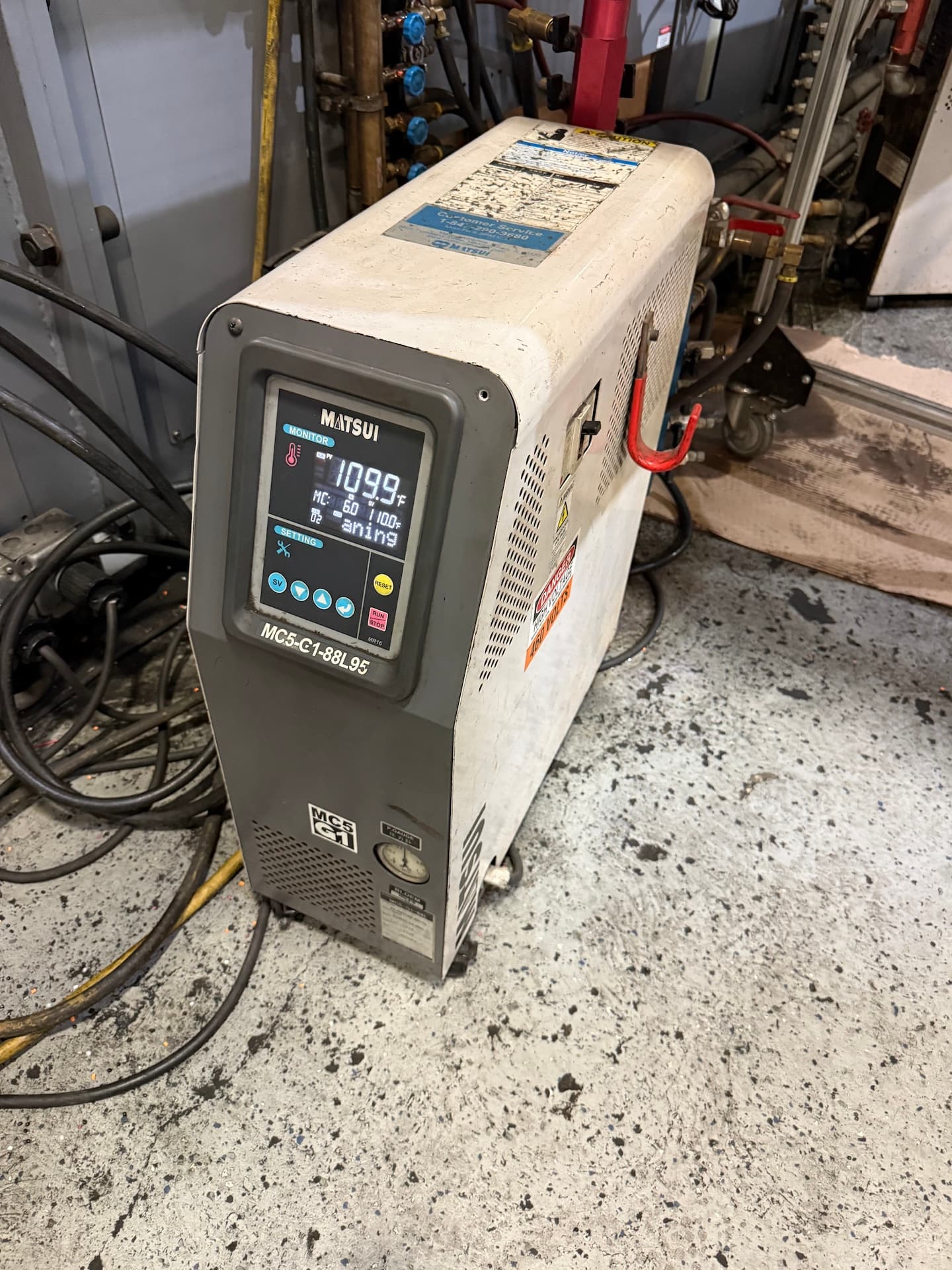
Lot 32
2019 Matsui 9 kW Heater, 1 kW Motor Thermolator
Apopka, FL
Live auction · Tue, Oct 20, 10:00 AM CT · 2 absentee bids
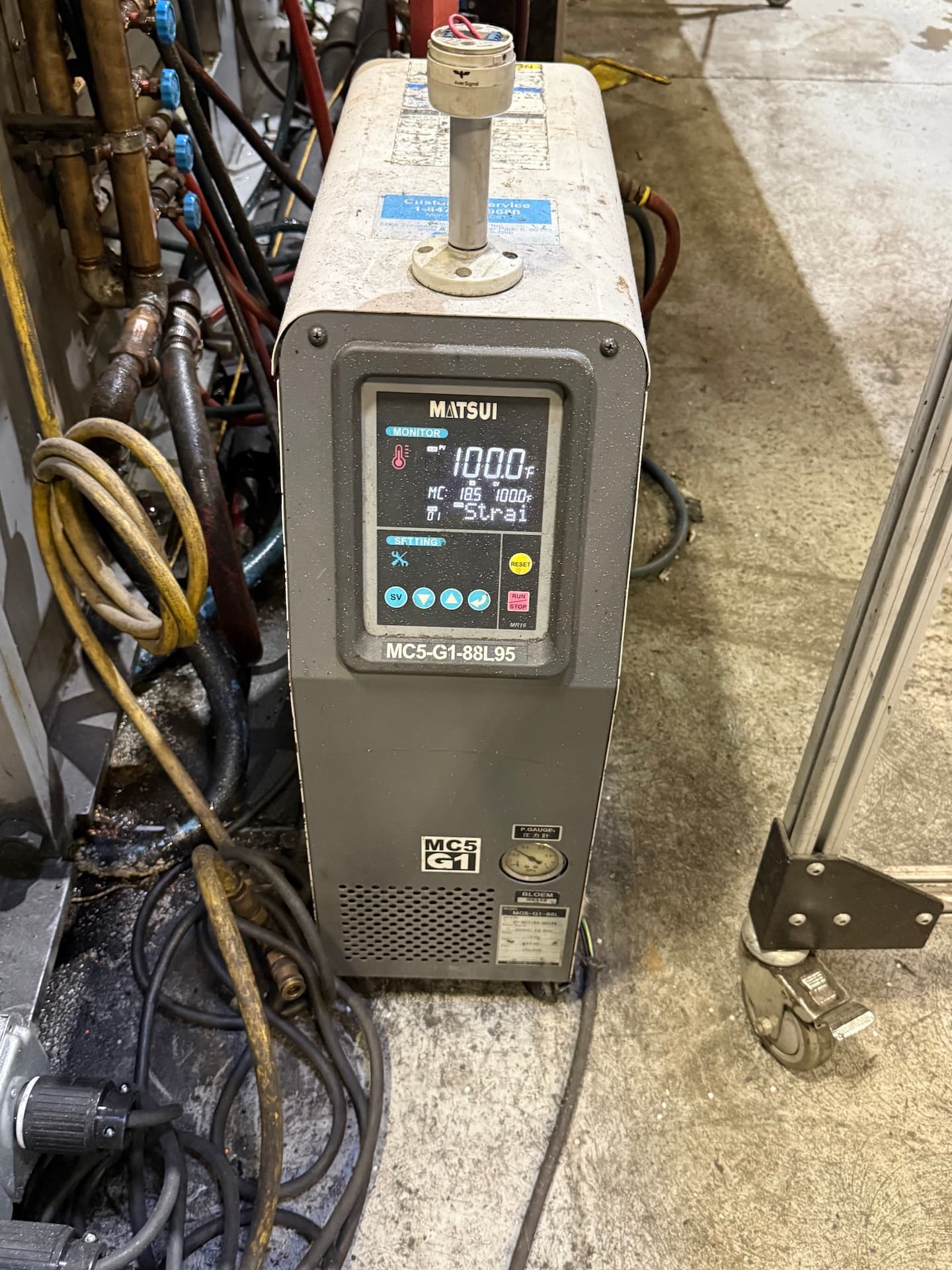
Lot 36
2018 Matsui 9 kW Heater, 1 kW Motor Thermolator
Apopka, FL
Live auction · Tue, Oct 20, 10:00 AM CT · 1 absentee bid
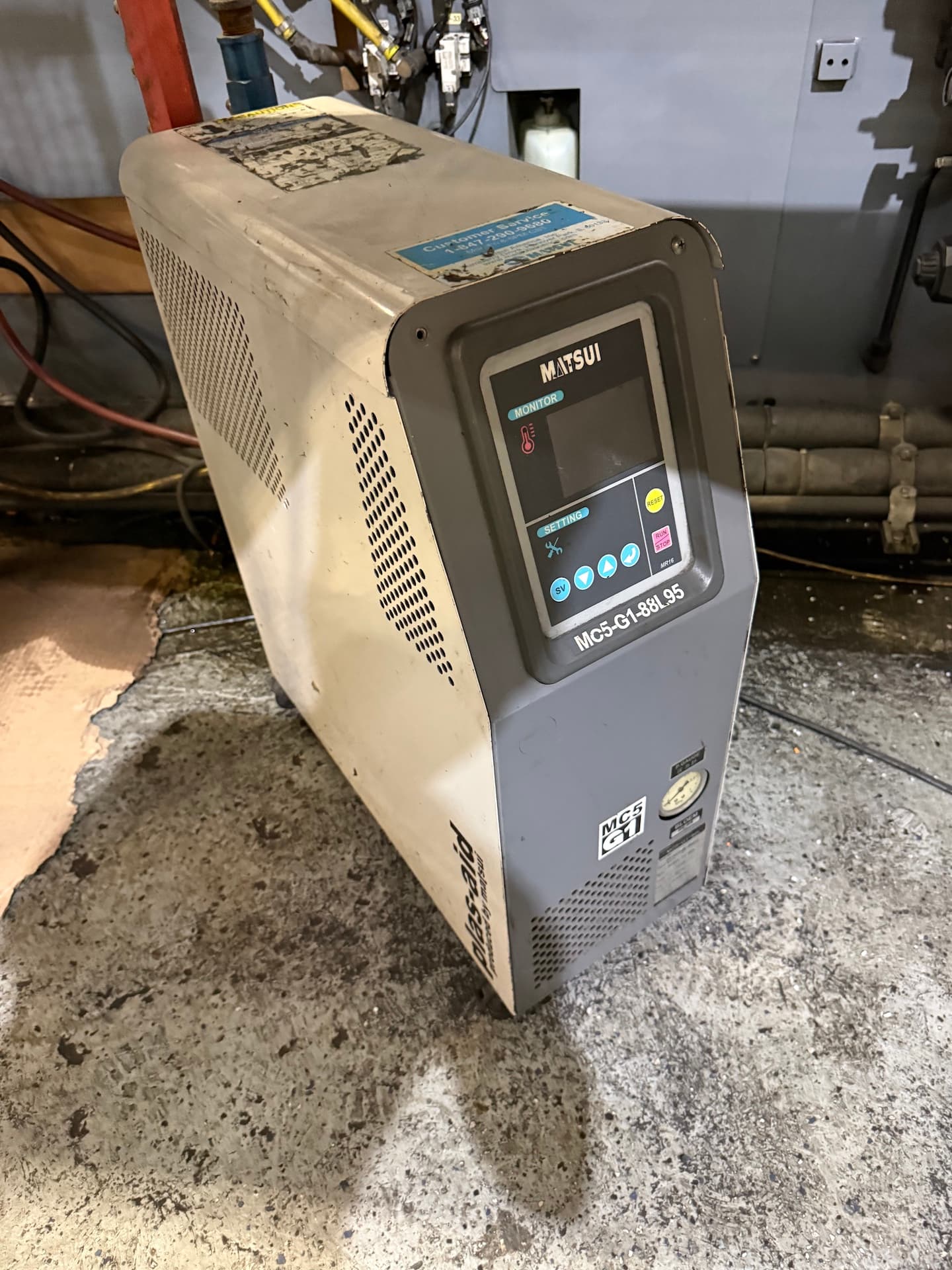
Lot 33
2018 Matsui 9 kW Heater, 1 kW Motor Thermolator
Apopka, FL
Live auction · Tue, Oct 20, 10:00 AM CT · 1 absentee bid
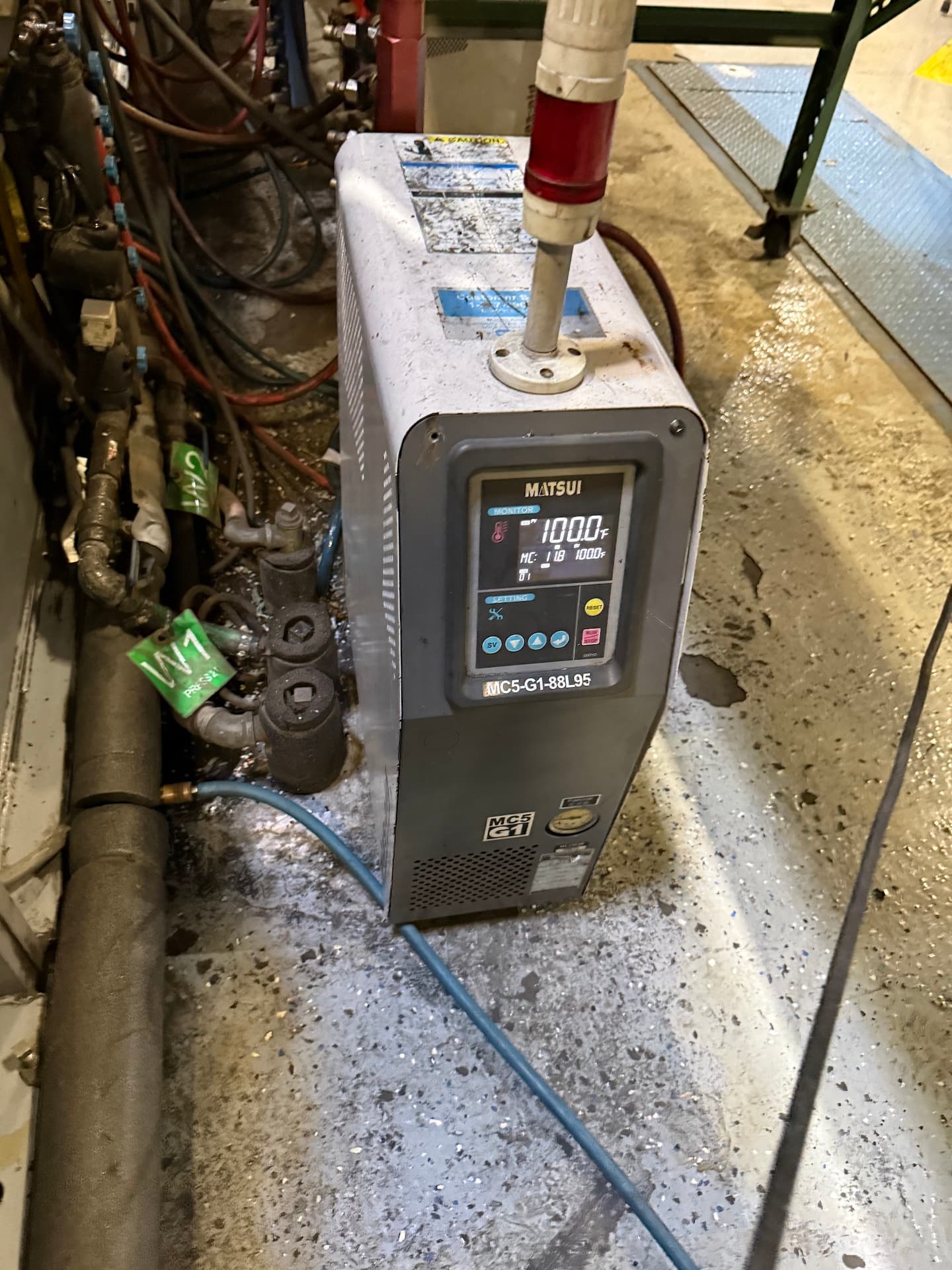
Lot 35
2018 Matsui 9 kW Heater, 1 kW Motor Thermolator
Apopka, FL
Live auction · Tue, Oct 20, 10:00 AM CT · 1 absentee bid
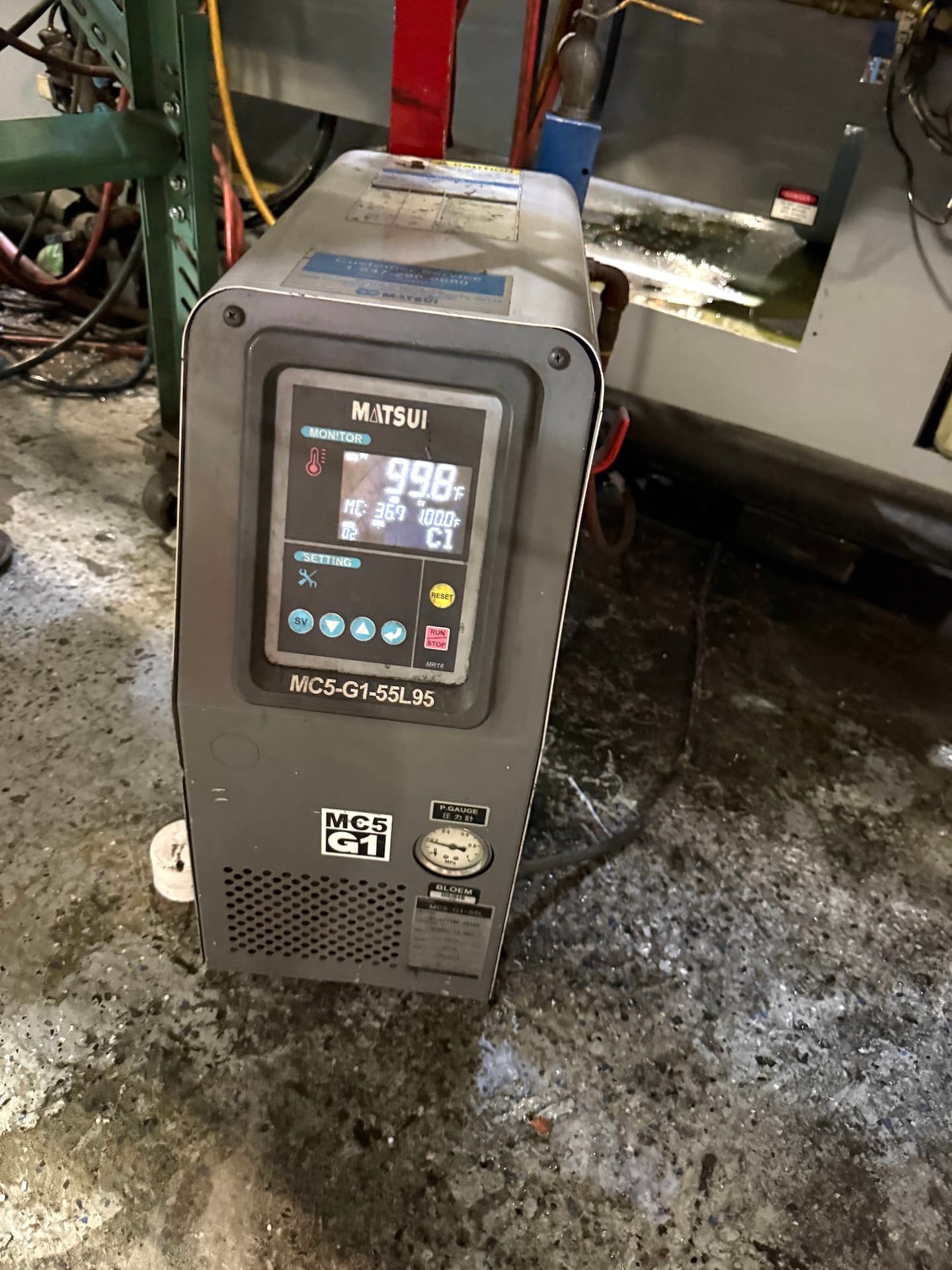
Lot 34
2018 Matsui 6 kW Heater, .6 kW Motor Thermolator
Apopka, FL
Live auction · Tue, Oct 20, 10:00 AM CT · 1 absentee bid
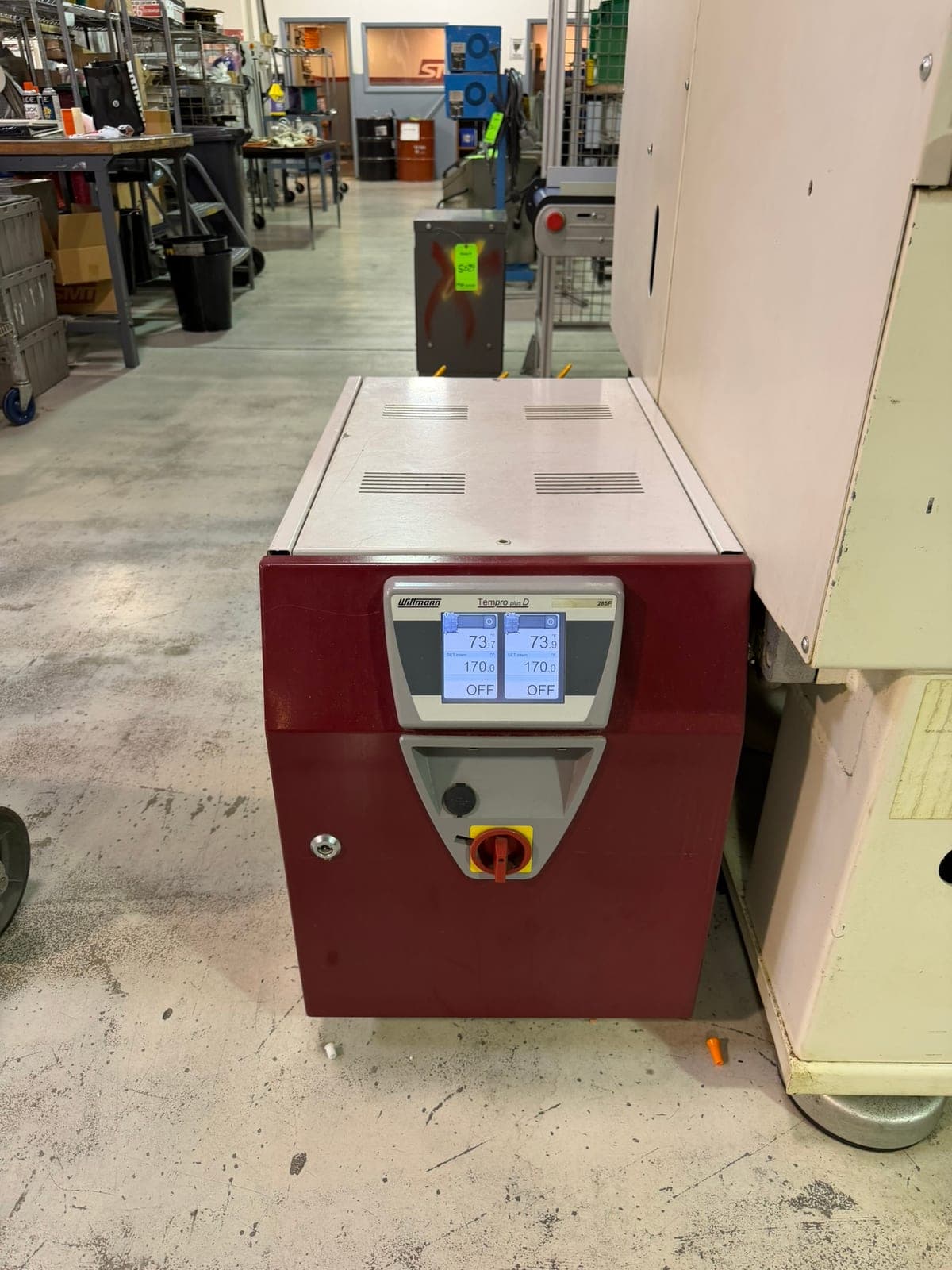
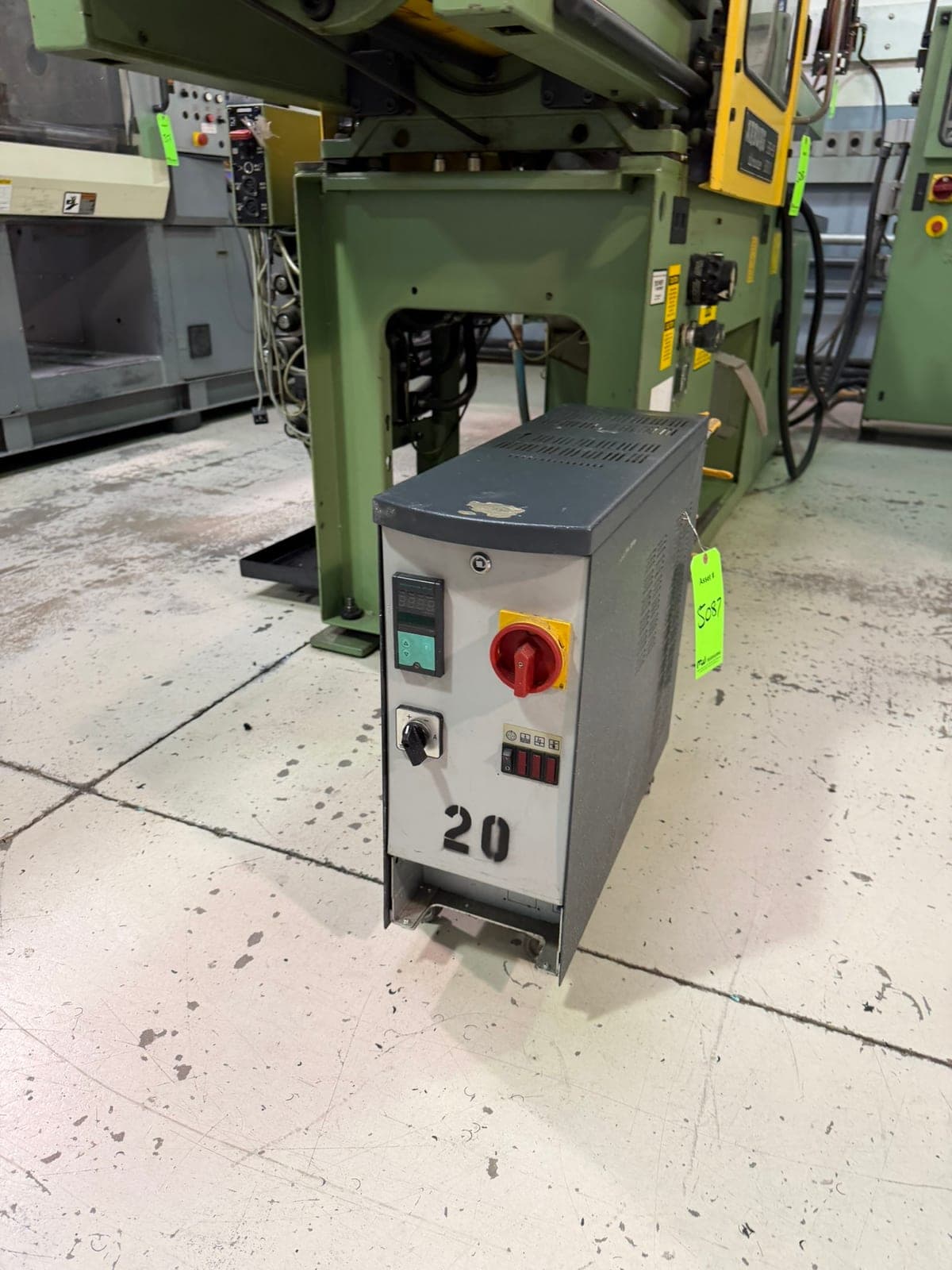
Lot 106
2011 Wittmann 2-Zone Temperature Control Unit
Naperville, IL
Live auction · Tue, Oct 27, 10:00 AM CT
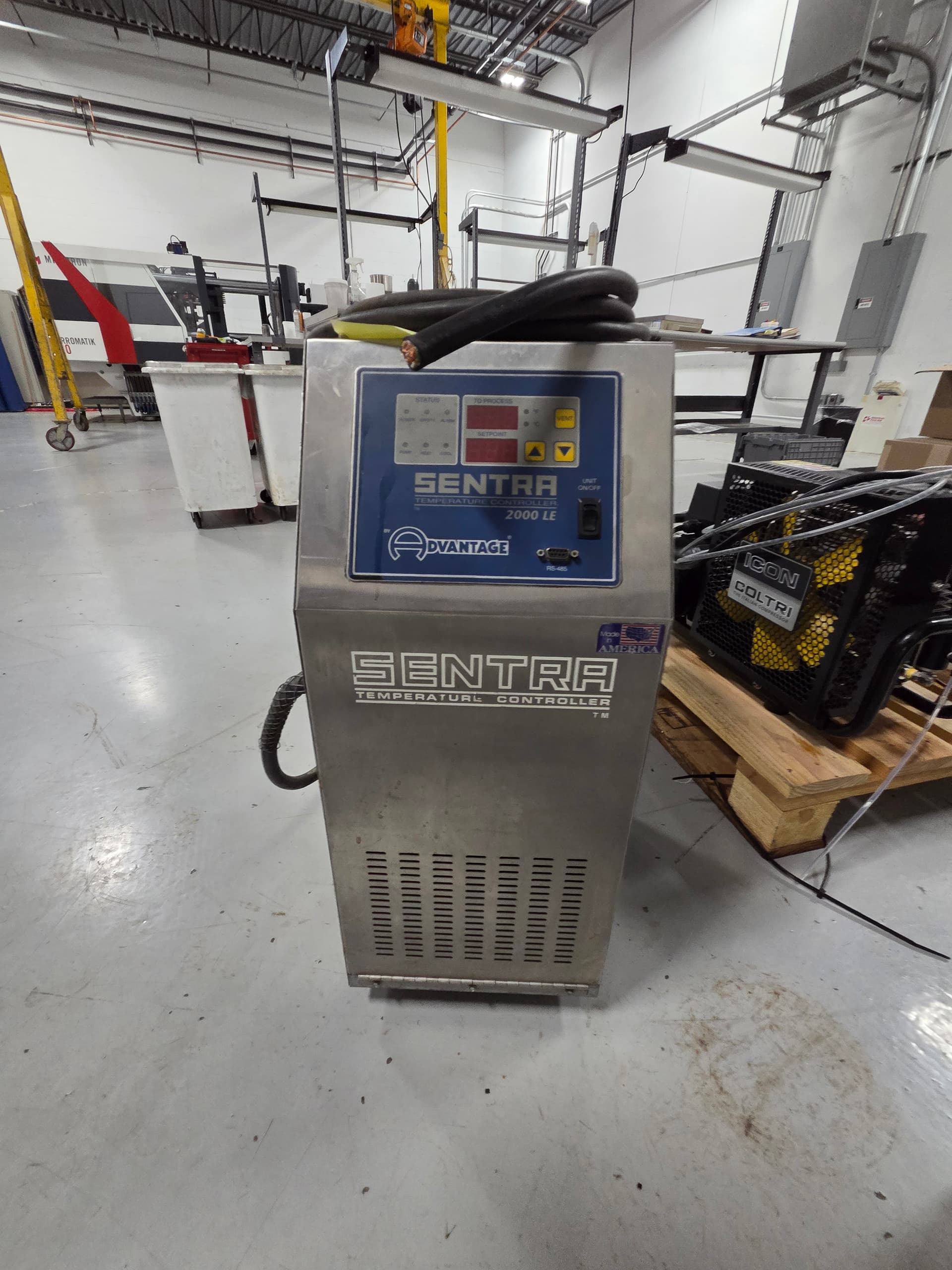
Lot 105
Regloplas Mold Temperature Control Unit
Naperville, IL
Live auction · Tue, Oct 27, 10:00 AM CT
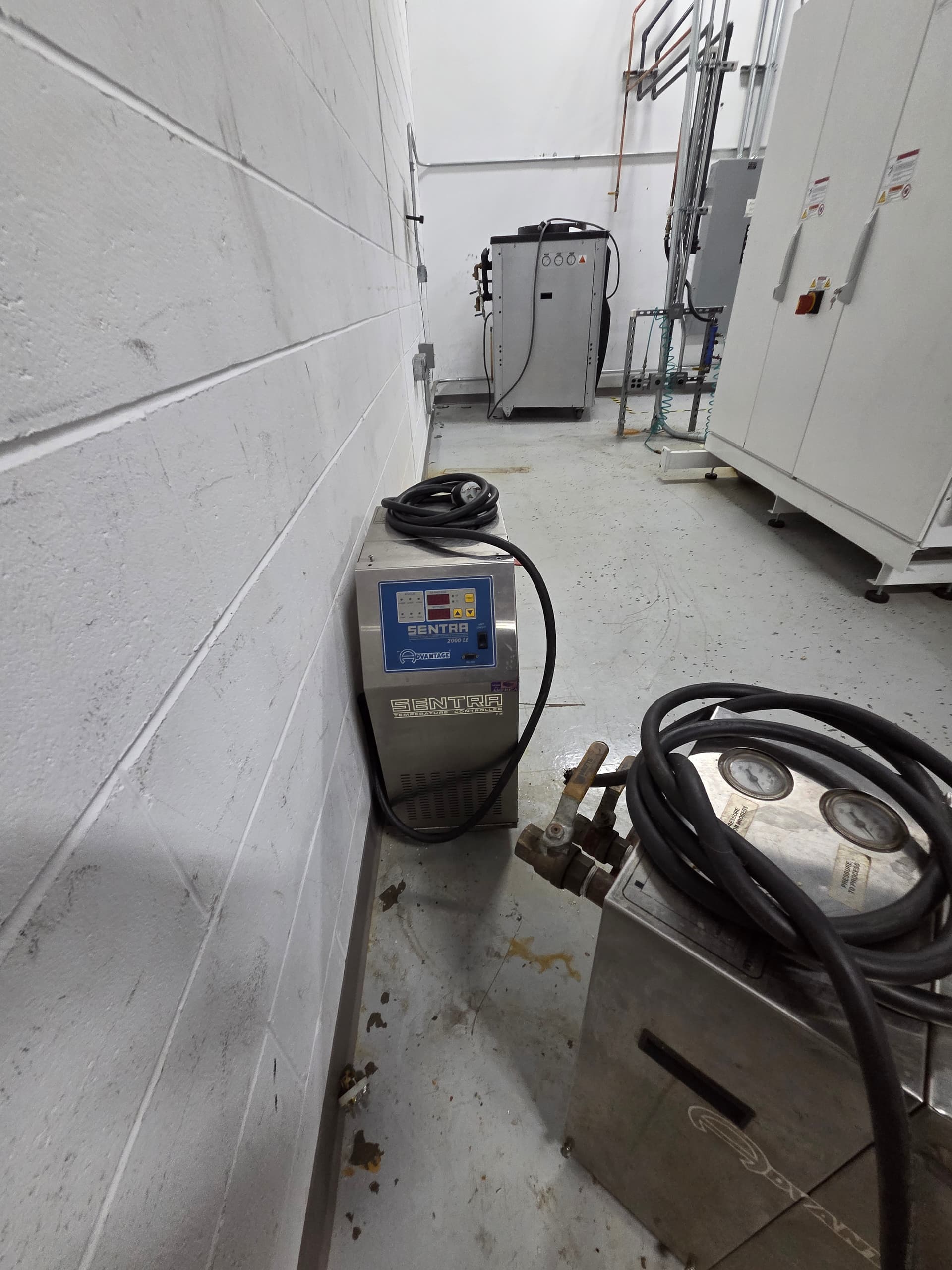
Lot 3
Advantage Engineering Sentra 2000LE Water Temperature Controller
Wilmington, MA
Ends Tue, Oct 13, 10:00 AM CT
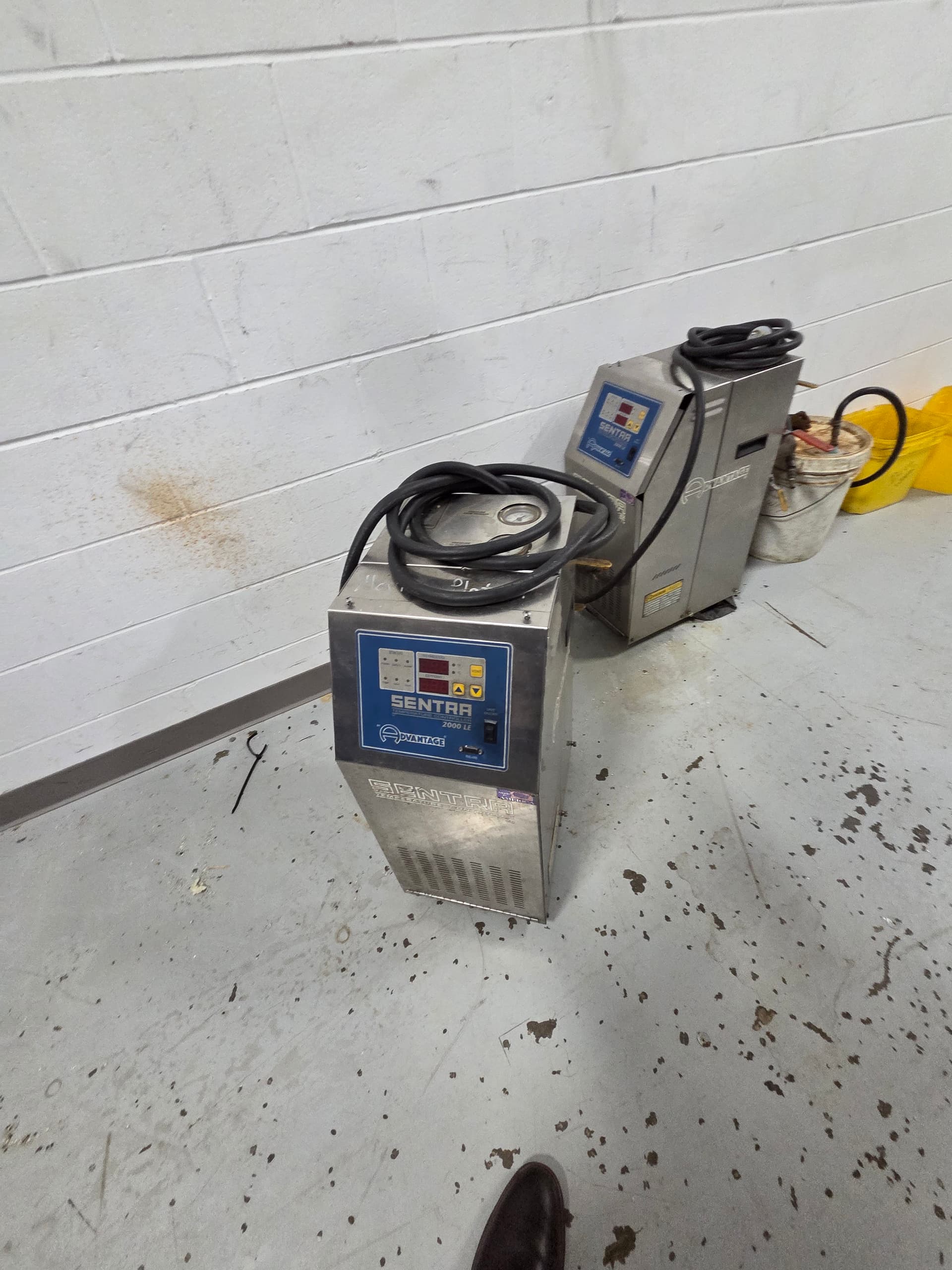
Lot 5
Advantage Engineering Sentra 2000LE Water Temperature Controller
Wilmington, MA
Ends Tue, Oct 13, 10:00 AM CT
Lot 4
Advantage Engineering Sentra 2000LE Water Temperature Controller
Wilmington, MA
Ends Tue, Oct 13, 10:00 AM CT
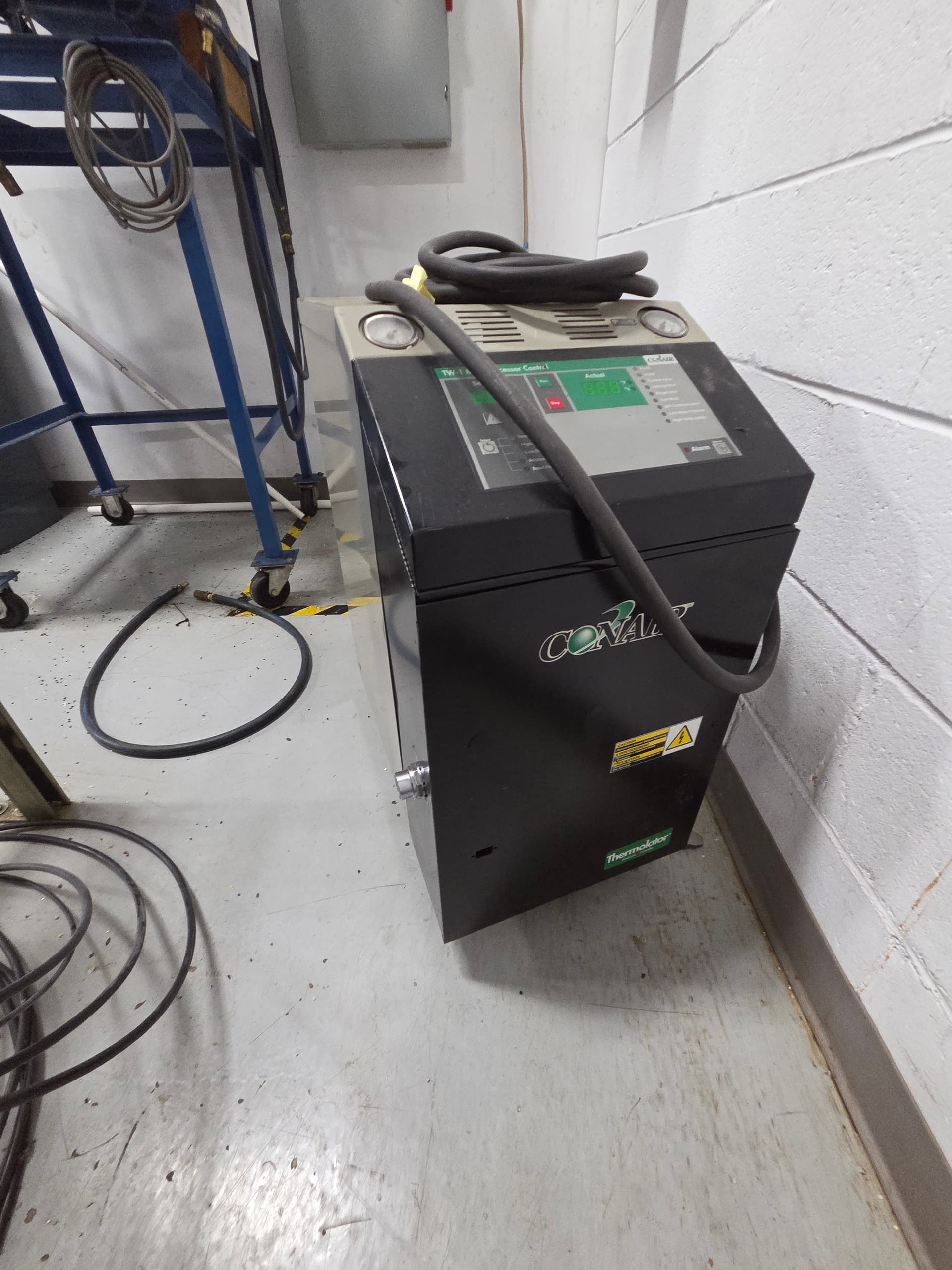
Lot 2
Conair Water Temperature Controller
Wilmington, MA
Ends Tue, Oct 13, 10:00 AM CT
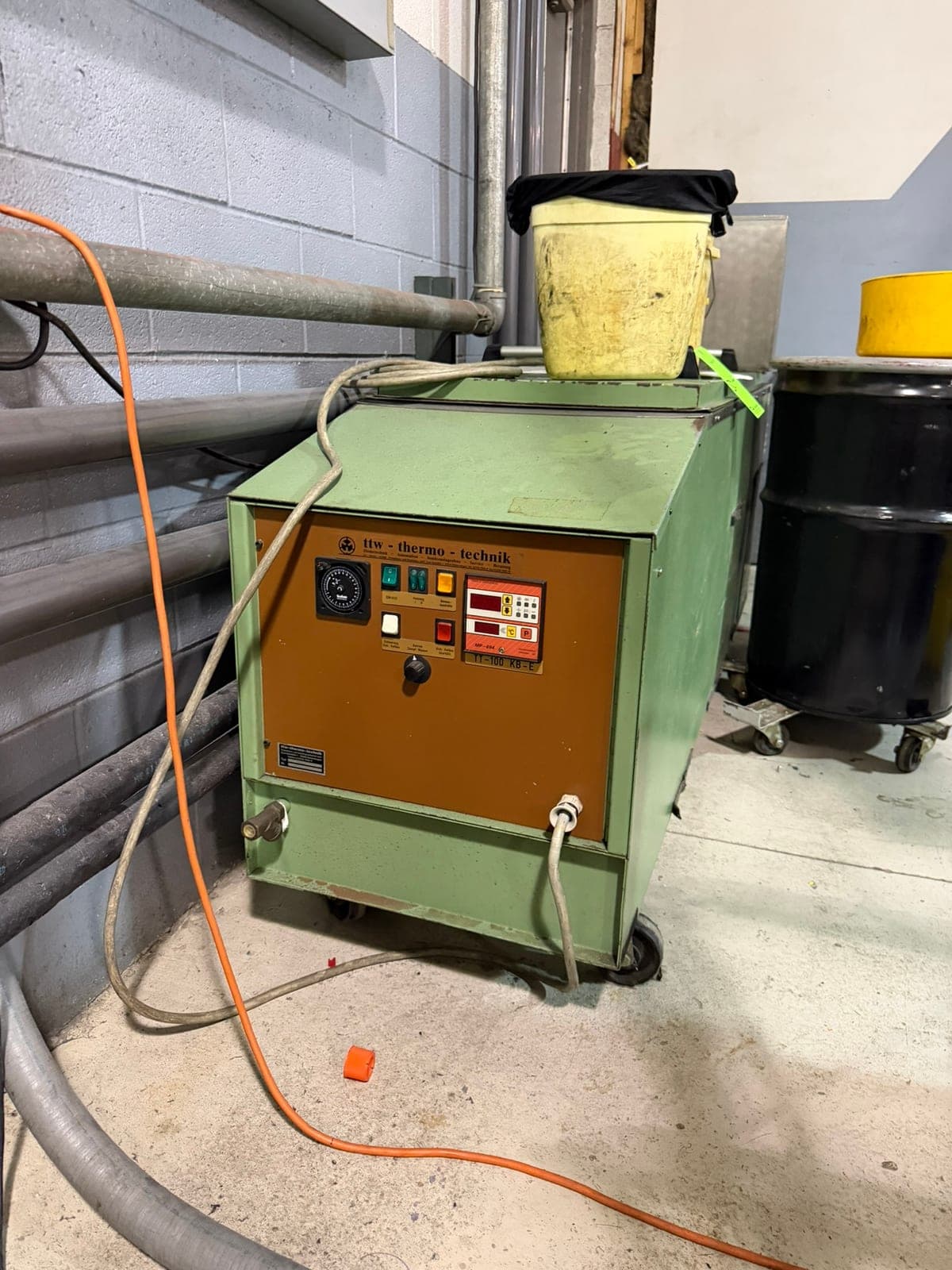
Lot 107
ttw-thermo-technik Portable Thermolator
Naperville, IL
Live auction · Tue, Oct 27, 10:00 AM CT
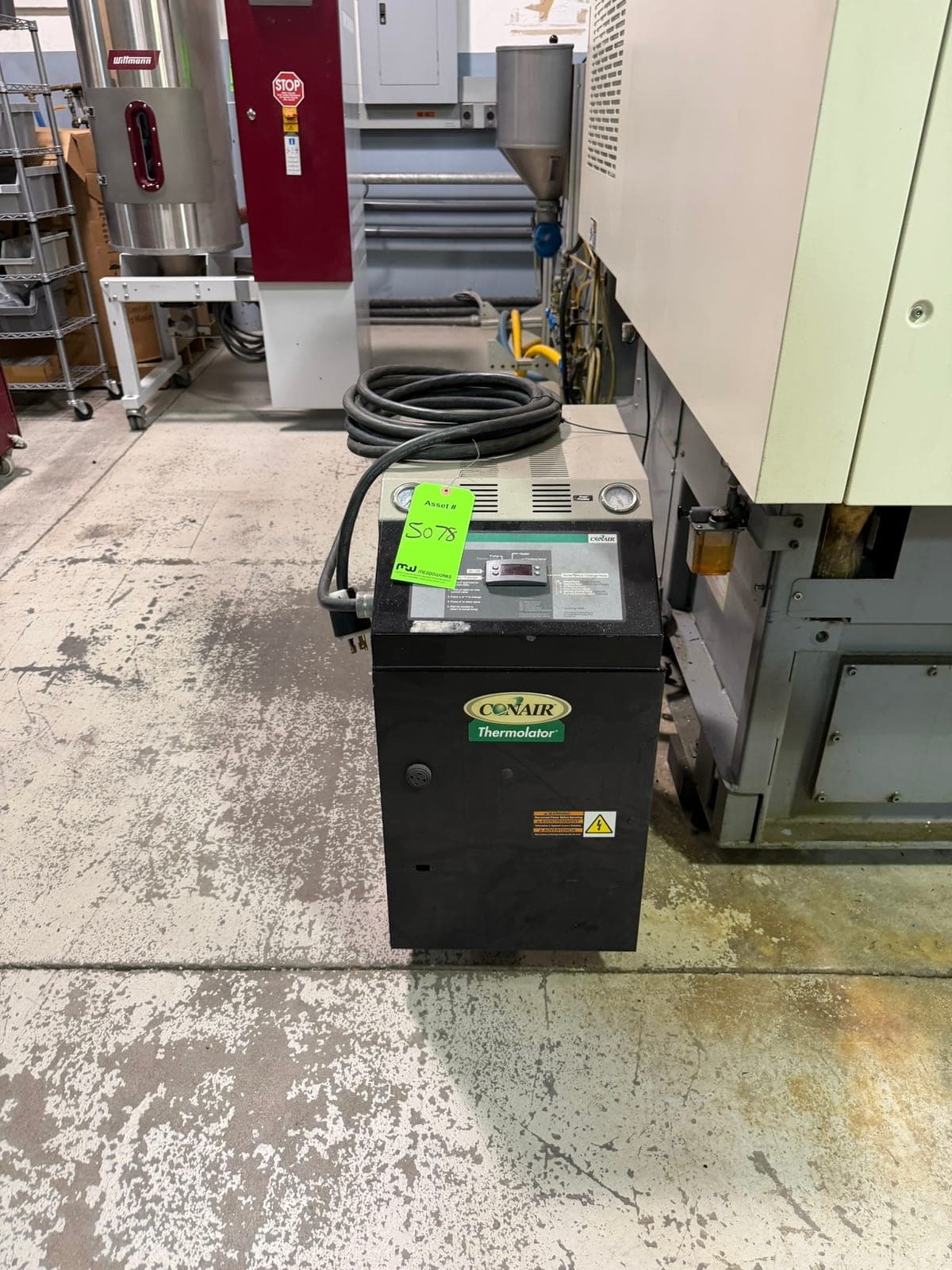
Lot 104
Conair Thermolator
Naperville, IL
Live auction · Tue, Oct 27, 10:00 AM CT
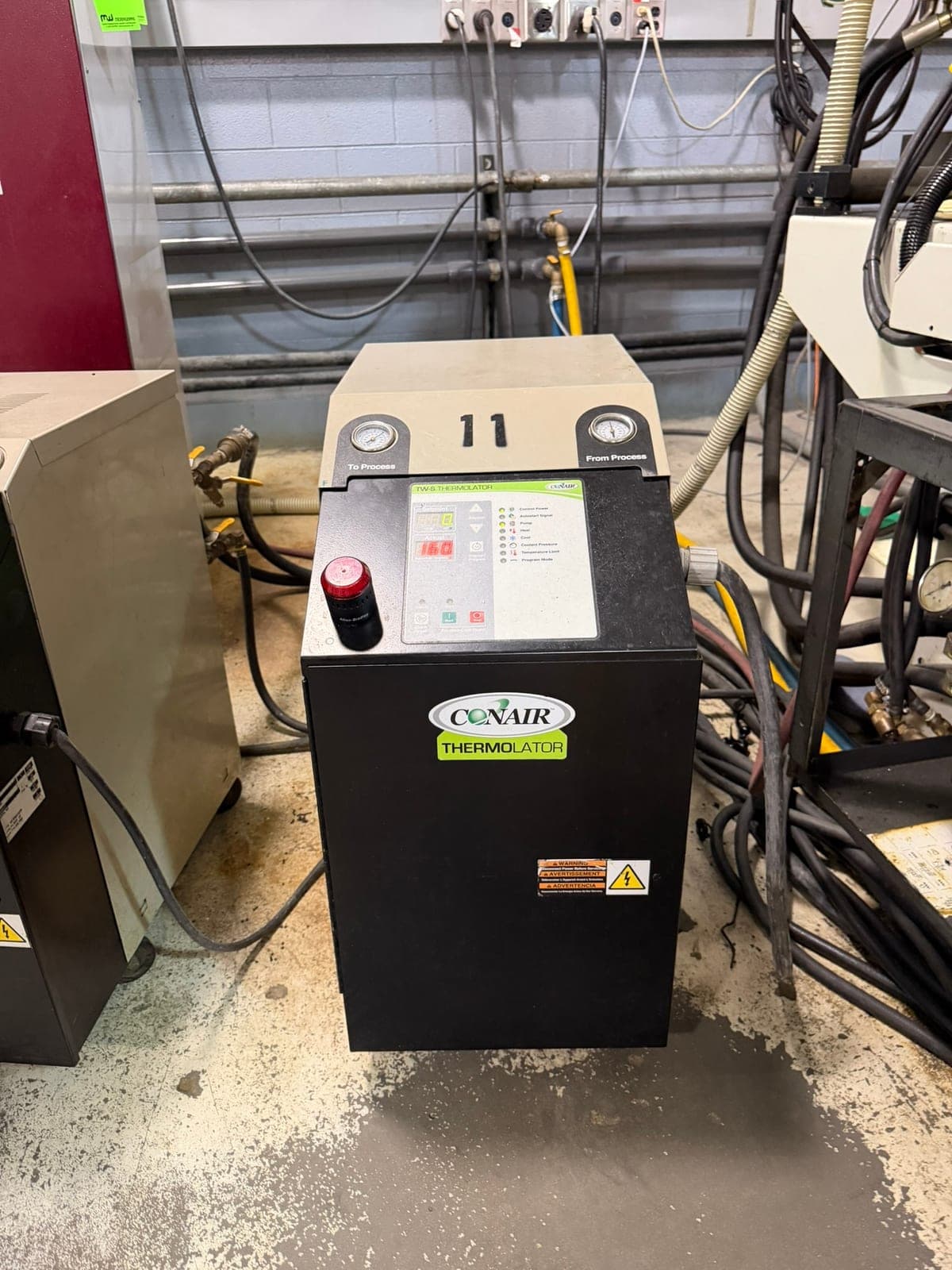
Lot 103
Conair Thermolator
Naperville, IL
Live auction · Tue, Oct 27, 10:00 AM CT
Looking for Something Specific?
Most of our inventory sells before we can list it online. If you need a specific brand, model, or specification, tell us what you need—we have access to unlisted equipment and machines coming in from plant closures.
Looking to Sell?
Meadoworks is an active cash buyer of used industrial equipment. Get a free valuation from our AMEA-certified appraisers.
About Used Water Temperature Controllers
A water temperature controller, called a water thermolator on most plant floors, circulates water through a mold, die, roll or platen and holds it at a setpoint. The cabinet holds a pump, an electric heater, a cooling valve and a probe. Water leaves the unit, picks up or gives off heat in the tool, and comes back. The controller then adds heat or opens cooling until the return matches the number on the display. That closed loop is the whole job. It is not a chiller, and it is not a hose teed off the tower. If you have not decided between water and hot oil, start with the broader thermolator group. The notes below cover water only.
Water units and oil units solve different temperature bands. A water thermolator is the everyday choice up to about 250 F, which covers most commodity resins and a lot of engineering work. A single-zone cabinet feeds one circuit, often one mold half. A dual-zone cabinet runs two temperatures from one frame, which matters when the cavity and the core are supposed to run apart. Direct-injection cooling mixes tower or chiller water into the process loop, so it cools fast and it also imports whatever is in the plant water. Indirect cooling keeps a heat exchanger between the two loops, so rust and treatment chemicals stay out of the mold. Pressurized water circuits can sit closer to boiling without a cloud of steam. When the tool needs to run hotter than water can comfortably hold, the right machine is a hot oil unit, not a larger water heater.
On a molding cell the water temperature controller sits on the floor beside the press, between the chilled-water supply and the mold hoses. The chiller or cooling tower is what removes heat from the building. The controller decides how warm the steel is, and that temperature is often well above the chilled water. Dryers, vacuum loaders and blenders feed the screw. Size the water unit together with the portable chiller that feeds it, and keep hot oil units in mind for the tools that outgrow water. Blow molds and extrusion dies use the same idea: stable metal temperature, short hoses, and a pump that can push through the passages that were actually drilled in the tool.
Heater kilowatts, pump horsepower and supply voltage decide whether a used water temperature controller can run your tool. A 9 kW heater on 460 volts, three phase, is a common press-side package in North American plants. A 230 volt cabinet will not land on a 460 volt cell without a transformer. Nameplate horsepower is not the same as flow through a restricted waterline. Ask what gallons per minute the pump delivers at the pressure your mold actually needs. Hoses, shaft seals and a scaled exchanger are the parts people replace. The cabinet and the pump housing usually outlast them.
Meadoworks offers these water units when they come off molding cells in plant closures, from consignments, and from auctions where a press is sold with the auxiliary that ran beside it. Confirm heater size, pump, voltage and that the circuit is water before you compare two cabinets. Buyers can inspect before they commit, and when a whole cell moves we coordinate rigging and the truck with the rest of the machines instead of treating the cabinet as a loose box.
How to Choose a Used Water Temperature Controller
How to Size a Water Thermolator
Start from the mold, not from the press tonnage. The heater has to bring the steel up to setpoint in a reasonable time and then hold it while the resin keeps arriving with heat. A small tool and a slow cycle can live on a 6 or 9 kW heater. A large mold, a high melt temperature or a short cycle needs more kilowatts, and two mold halves at two setpoints need two zones or two cabinets. Pump flow has to match the waterlines. A high-horsepower pump on a mold with tiny passages only makes pressure and heat. A weak pump on a large tool never reaches the far cavities.
Voltage and phase have to match the cell. Most US plants feed these cabinets with 460 volts, three phase. Confirm the cooling source too. The unit needs a supply of water colder than the setpoint, from a chiller or a tower, and a return path that is not kinked under the press. Leave hose length short. Every extra foot is heat loss and pressure drop.
Direct Injection vs Indirect Cooling
Direct injection is the simpler circuit. When the mold is too hot, a valve lets cold plant water into the loop and dumps the overflow. Response is quick, and the cabinet is easier to service. The cost is that tower water, treatment chemicals and rust travel through the mold. Indirect units put a heat exchanger between the plant water and the water that touches the tool. The process loop stays cleaner, which matters on molds with small passages and on tools that sit idle between runs.
If your tower water is dirty or your molds are expensive to clean, take the exchanger. If the plant water is clean and you want the fastest pull-down, direct injection is the usual choice. Neither design replaces a chiller. Both of them borrow cold water from somewhere else.
Water Temperature Controller Specs to Compare
| Spec | Typical range | Why it matters |
|---|---|---|
| Heater size (kW) | 6–12 kW on press-side units | Sets how fast the mold reaches setpoint and whether the unit can hold temperature on a hot cycle. |
| Pump flow and pressure | About 20–50 gpm on small units | Flow at real back-pressure matters more than the horsepower printed on the motor plate. |
| Maximum water temperature (F) | Up to about 250 F | Water units cover most molds. Tools that must run hotter belong on a hot oil unit. |
| Supply voltage | 230 or 460 V, 3 phase | A voltage mismatch needs a transformer or a different cabinet before the unit can run. |
| Number of zones | 1 or 2 | Two zones let the cavity and the core hold different setpoints from one shared frame. |
| Cooling connection (in) | 3/4 to 1-1/2 in | Hose and valve size limit how fast the unit can pull mold temperature back down. |
Heater size (kW)
Typical range: 6–12 kW on press-side units
Sets how fast the mold reaches setpoint and whether the unit can hold temperature on a hot cycle.
Pump flow and pressure
Typical range: About 20–50 gpm on small units
Flow at real back-pressure matters more than the horsepower printed on the motor plate.
Maximum water temperature (F)
Typical range: Up to about 250 F
Water units cover most molds. Tools that must run hotter belong on a hot oil unit.
Supply voltage
Typical range: 230 or 460 V, 3 phase
A voltage mismatch needs a transformer or a different cabinet before the unit can run.
Number of zones
Typical range: 1 or 2
Two zones let the cavity and the core hold different setpoints from one shared frame.
Cooling connection (in)
Typical range: 3/4 to 1-1/2 in
Hose and valve size limit how fast the unit can pull mold temperature back down.
What to Inspect on a Used Water Temperature Controller
Run the heater to setpoint
Confirm the display climbs and the contactor pulls in. A heater that never leaves room temperature is an element or a contactor, not a calibration issue.
Listen to the pump
A growl, a leak at the shaft seal, or a pump that will not prime means a rebuild before the unit can hold flow through a mold.
Open the cooling valve
With cold supply water connected, the temperature should fall. A stuck valve or a packed strainer leaves the mold hot.
Inspect the heat exchanger
Scale and sludge on an indirect unit cut cooling capacity. A plugged exchanger looks fine until the mold will not come down.
Read the nameplate voltage
Match volts, phase and full-load amps to the cell. A 230 volt cabinet on a 460 volt bus is not a hose change.
Check hoses and quick connects
Cracked hoses and leaking couplers dump water into the press. They are cheap, and they are the usual reason a unit looks neglected.
Look for a leaky-mold mode
Some cabinets can isolate a cracked mold and keep running. If you need that feature, confirm the valve is actually there.
Cycle the controller
Change the setpoint up and down. A dead display, a probe that reads open, or a unit that hunts will not hold a mold.
Meadoworks Track Record
290
Sold through Meadoworks
36
Listed now
Makes we have handled most
Conair, Sterlco, AEC-Whitlock, Advantage, Matsui, Thermal Care
Common models
Conair TW-1, Conair TW, Conair TC1-D1, HB-Therm HB-Therm Thermolator, Sterlco Sterl-Tronic M8422-GX
Related Equipment
- Hot Oil Units
For molds that must run hotter than water
- Portable Chillers
The cold water a thermolator borrows to cool
- Thermolators & Temperature Controllers
Water and oil together, before you pick a fluid
- Desiccant Dryers
Dry the resin while the mold temperature is set
Water Temperature Controllers Brands We've Sold
Conair
US builder of thermolators, dryers and material-handling lines.
Sterlco
US maker of water and oil mold temperature controllers.
Advantage
US maker of thermolators and portable process chillers.
Matsui
Japanese auxiliary builder with a deep temperature-controller line.
AEC
US cooling and temperature-control brand in the ACS Group.
Thermal Care
US builder of chillers, towers and temperature controllers.
Mokon
US builder of circulating water and hot-oil units.
Sterling
US auxiliary brand with water controllers and chillers.
Common Applications
Frequently Asked Questions
What temperature is too high for a water temperature controller?
A water temperature controller pumps water through the mold and holds a setpoint, usually no higher than about 250 F. Above that, the loop wants pressure to stay liquid, or it wants oil instead. Polyethylene, polypropylene and a lot of ABS and nylon work sit comfortably on water. If the resin sheet calls for a mold well above that band, the right machine is a hot oil unit. Staying on water and turning the setpoint past the nameplate trips safeties or boils the circuit.
How do I size a water temperature controller?
Match heater kilowatts to the mold and the cycle, not to the press tonnage. Small tools often run on 6 to 9 kW. Large molds and hot resins need more, and two setpoints need two zones. Then match the pump to the waterlines. You need flow at the pressure those passages actually create, not just a horsepower number. Finally match the cabinet voltage to the cell, usually 460 volts, three phase, in a US plant. The cooling supply has to be colder than the setpoint.
Direct injection or indirect cooling on a water unit?
Direct injection lets cold plant water into the process loop when the mold is too hot. It responds quickly and the cabinet is simpler. It also sends tower rust and treatment chemicals through the mold. Indirect cooling puts a heat exchanger between the two loops, so the water that touches the tool stays cleaner. Pick direct injection when the plant water is clean and you want the fastest pull-down. Pick the exchanger when the tower is dirty or the waterlines are small and expensive to descale. Neither choice replaces a chiller. Both of them borrow cold water from one.
What should I check on a used water temperature controller?
Run it. The heater should reach setpoint, the pump should be quiet and hold pressure, and the cooling valve should pull the temperature back down when cold water is connected. Read the nameplate for voltage and kilowatts. Look at the shaft seal, the hoses and, on an indirect unit, the exchanger for scale. A dead probe or a stuck contactor is a repair. A cabinet full of water is a different problem. Ask which fluid it was built for so you do not put oil in a water unit.
Do I still need a chiller with a water temperature controller?
Yes. The thermolator moves heat around the mold. It does not throw that heat out of the building. Cooling comes from a portable chiller, a central chiller or a tower, and the temperature controller only borrows that cold water when the mold is above setpoint. A cell with controllers and no chiller will climb until the molds run hot. Size the chiller for the presses and the other loads, then put a controller on each tool that needs its own setpoint.
What does an Advantage thermolator nameplate tell me?
Read heater kilowatts, pump horsepower, voltage, phase and maximum fluid temperature before you compare it with another brand. Those five numbers tell you whether the cabinet fits the mold and the electrical panel. The series name matters less than whether it is a water circuit or an oil circuit and whether cooling is direct or through an exchanger. Sterlco, Conair, Matsui, AEC and Mokon publish the same facts on their plates. Match the plate to the tool, then compare condition.
