Used Horizontal Machining Centers (HMC) for Sale
All used machining centers (34) →
See all 34 Machining Centers →
Recently sold
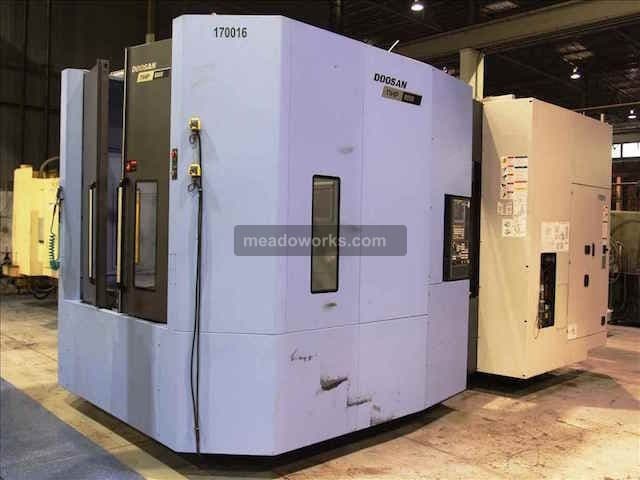 SOLD
Item #4653
2016 Doosan NHP8000
USA
 SOLD
Item #4658
2012 Makino A92
USA
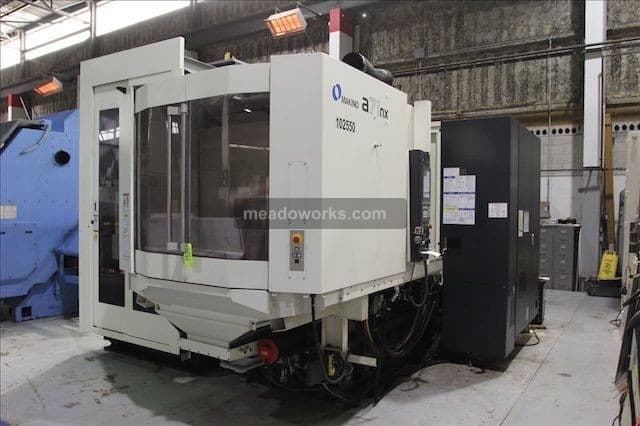 SOLD
Item #4657
2016 Makino A71NX 4-Axis
USA
 SOLD
Item #4687
Makino A71NX 4-Axis HMC MMC System
USA
 SOLD
Item #4680
Makino A51NX 4-Axis HMC MMC System
USA
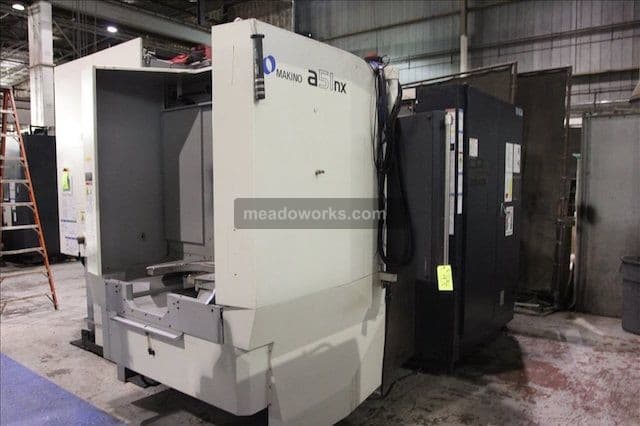 SOLD
Item #4656
2015 Makino A51NX 4-Axis
USA
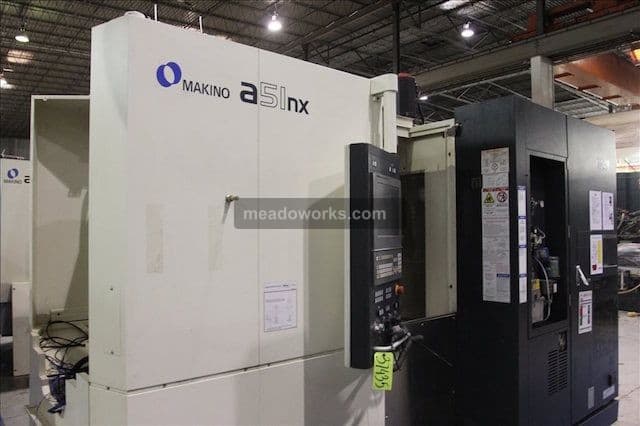 SOLD
Item #4655
2016 Makino A51NX 4-Axis
USA
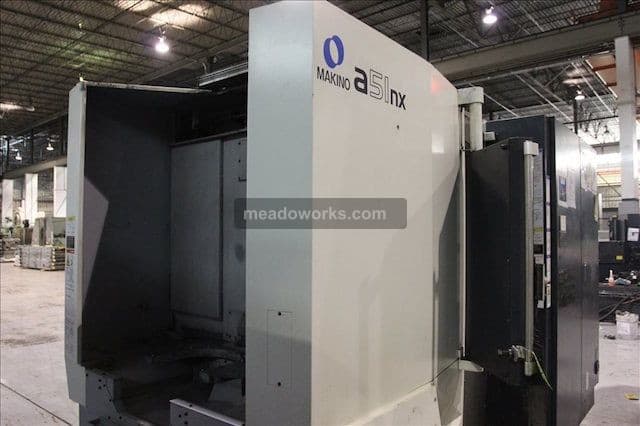 SOLD
Item #4654
2012 Makino A51NX 4-Axis
USA
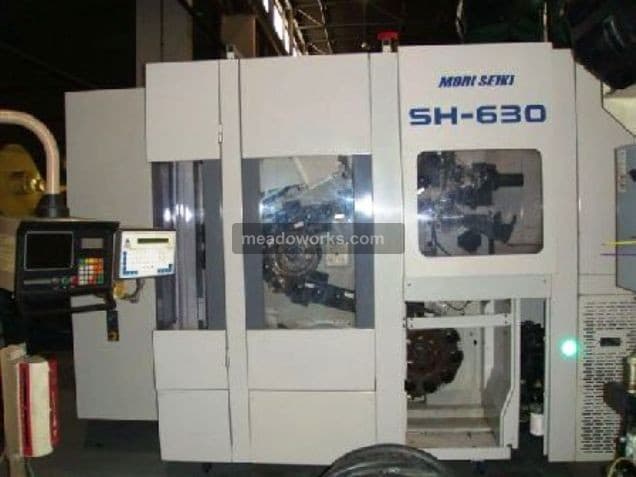 SOLD
Item #1252
2000 Mori Seiki SH630 Horizontal Machining Center
USA
Looking for Something Specific?
Most of our inventory sells before we can list it online. If you need a specific brand, model, or specification, tell us what you need—we have access to unlisted equipment and machines coming in from plant closures.
Browse Used HMCs by Brand
Browse Used HMCs by Country
Looking to Sell Your HMCs?
Meadoworks is an active cash buyer of used industrial equipment. Get a free valuation from our AMEA-certified appraisers.
About Used Horizontal Machining Centers (HMC)
Horizontal machining centers (HMCs) feature a horizontally oriented spindle and are designed for high-volume production and 4-axis machining. HMCs excel at pallet-changed production cells, tombstone fixturing for multiple parts, and applications requiring excellent chip evacuation. Though more expensive than VMCs, they offer superior productivity for the right applications.
A horizontal machining center points the spindle sideways. Chips fall out of a bore instead of packing in a pocket, and a pallet lets the next part be fixtured while the spindle is cutting. That is a different machine from a vertical mill with a vise. The rotary axis, usually a B axis on the pallet, indexes the part so several faces are cut in one clamping. A tombstone bolted to that pallet holds a row of parts, so one index presents a new face on every part at once.
Pallet size is the first number, not the travels alone. The tombstone, the fixtures and the parts have to fit the pallet and still clear the spindle and the enclosure. Two pallets are the usual cell: one in the cut, one at the load station. A pallet pool adds more stations when the cycle is long enough that loading cannot keep up. Tool capacity has to cover every tool on the tombstone, because a mid-cycle tool change by hand defeats the pallet. Spindle taper is often CAT40 or CAT50. Match it to the holders you own. A 50-taper spindle is for heavier cuts and a different drawer of tooling.
This machine is not the vertical machining center machine with the spindle turned on its side. A vertical machine is the simpler buy for mixed work, short batches and parts you want to see. A horizontal machining center earns the floor space when the same housings repeat, when chips are the problem inside a cavity, and when the fixture cost of a tombstone is spread over a real quantity. If you are still choosing, the machining centers machine compares the layouts, and the VMC vs HMC guide walks the same decision without repeating the spec table here.
On a used machine, run the spindle through its range and ask for spindle hours separately from power-on hours. Index the rotary and check backlash. Clamp and unclamp the pallet, and look at the seating faces for a ding that will lift the tombstone. Cycle the tool changer. Read the alarm history. Way covers at the ends of travel hide crash damage. Confirm the control is one your crew can program, and write down probing, through-spindle coolant and a chip conveyor. A pallet that will not seat is not a software note. It is the machine.
Makino horizontals are the HMC Meadoworks has sold most often, followed by Mori Seiki and Doosan pallet machines.
How to Choose a Used Horizontal Machining Center
How to Size a Horizontal Machining Center
Start with the pallet, not the brochure travels. The tombstone, the fixtures and the parts have to sit on that square and still clear the spindle, the guards and the tool-change path. A machine whose travels look generous can still be too small once a tombstone is bolted on.
Then match the taper to holders you already own, and match tool capacity to every tool the tombstone needs in one cycle. Two pallets are enough when someone can load the idle station before the cycle ends. A pool is for a cycle that outruns the operator. Rotary range has to present the faces you actually cut. If a face still needs a second fixture, the tombstone did not remove the setup you were counting on.
Pallet and Tombstone vs a Vertical Mill
A vertical mill holds one part in a vise, and the operator can see the cut. A horizontal machining center holds many parts on a tombstone and indexes them. The fixture costs more, and it pays that cost back only when the same parts keep coming.
Chip flow is the other half. A deep cavity on a vertical machine fills with chips unless coolant and a conveyor keep up. On a horizontal spindle those chips fall out. If your work is one-off plates, stay with a vertical machine. If your work is a family of housings with holes on four sides, size the pallet and the tombstone before you compare spindle speed.
By Size: Used Horizontal Machining Center Price Ranges
400 mm pallets, 40 taper: about $40,000–$150,000.
500–630 mm pallets: about $80,000–$250,000.
800 mm pallets and larger, 50 taper: about $150,000–$450,000.
What moves the price: pallet count and size, a full B-axis versus indexing, the tool magazine, spindle hours, control generation and any pallet pool or cell automation. These are typical used-market ranges, not a quote on any one machine. Call 800-323-0307 for a current price.
Horizontal Machining Center Specs to Compare
| Spec | Typical range | Why it matters |
|---|---|---|
| Pallet size (in) | 400 mm and 500 mm squares are common | The tombstone and the parts have to fit the pallet and still clear the spindle and the guards. |
| X/Y/Z travels (in) | Travels must clear the tombstone, not only the finished part. A tall tombstone eats Z. | |
| Spindle taper | CAT40 or CAT50 | The taper has to match the holders in the drawer. A 50-taper machine is a second tooling set. |
| Tool capacity | 40–120 tools on many cells | The magazine has to hold every tool on the tombstone or someone opens the door mid-cycle. |
| Rotary axis | B axis, full 360 degrees on most pallets | The index has to present each face. A missing angle puts a setup back on the bench. |
| Pallet count | 2 pallets, or a larger pool | Two pallets let one load while the other cuts. A pool matters only when the cycle is long. |
Pallet size (in)
Typical range: 400 mm and 500 mm squares are common
The tombstone and the parts have to fit the pallet and still clear the spindle and the guards.
X/Y/Z travels (in)
Travels must clear the tombstone, not only the finished part. A tall tombstone eats Z.
Spindle taper
Typical range: CAT40 or CAT50
The taper has to match the holders in the drawer. A 50-taper machine is a second tooling set.
Tool capacity
Typical range: 40–120 tools on many cells
The magazine has to hold every tool on the tombstone or someone opens the door mid-cycle.
Rotary axis
Typical range: B axis, full 360 degrees on most pallets
The index has to present each face. A missing angle puts a setup back on the bench.
Pallet count
Typical range: 2 pallets, or a larger pool
Two pallets let one load while the other cuts. A pool matters only when the cycle is long.
What to Inspect on a Used Horizontal Machining Center
Run the spindle through its range
Listen at low and high speed and ask for spindle hours separately from power-on hours. A roar is bearings.
Index the rotary and check backlash
A loose B axis appears as a step between faces. It is not a fixture error you can shim away.
Clamp and unclamp the pallet
Seating faces should be clean and the pallet should repeat. A ding lifts the whole tombstone.
Cycle the tool changer
Run the magazine far enough to see a tired arm or a pocket that alarms. One fault stops the cell.
Read the alarm history
Crash and servo alarms stay in the control. Fresh paint on a pallet corner is a question.
Inspect way covers
Torn covers at the ends of travel let chips grind the ways. Look where a crash would have hit.
Confirm taper, coolant and control
Match the taper to your holders. Note through-spindle coolant, probing and whether your crew can run the control.
Related Equipment
- Used Vertical Machining Centers (VMC)
Vise work and short runs when a pallet is too much
- Used CNC Mills & Machining Centers
Vertical, horizontal and 5-axis compared together
- 5-Axis Machining Centers
When a tombstone index still cannot reach
Related CNC Mills & Machining Centers
Vertical Machining Centers (VMC)
Vertical machining centers (VMCs) are the most popular CNC milling machines, featuring a vertically oriented spindle.
5-Axis Machining Centers
5-axis machining centers add two rotary axes to standard 3-axis milling, enabling machining of complex contoured surfaces and undercuts in single setups.
Drilling & Tapping Centers
Drilling and tapping centers are high-speed CNC machines optimized for hole-making operations.
CNC Routers
CNC routers are gantry-style machining centers built for cutting, drilling, and shaping sheet materials — wood, plastics, composites, foam, and non-ferrous metals like aluminum.
All CNC Machines
Browse the full used CNC machine inventory — machining centers, lathes, EDM, and more.
Top Brands for Used Horizontal Machining Centers (HMC)
Common Applications
Frequently Asked Questions
How do I size a pallet on a horizontal machining center?
The pallet has to carry the tombstone, the fixtures and the parts, with clearance for the spindle, the tools and the guards. Travels that look large on a brochure shrink once that stack is in the work zone. Measure the tallest tool and the tallest tombstone together, not the part alone. Two pallets are the usual pair, one cutting and one loading. A pallet pool is for a cycle long enough that the operator cannot keep the second pallet full.
What does a tombstone change about a repeating housing job?
A tombstone puts several parts on one pallet so a rotary index presents the next face on all of them. The spindle stays in the cut, and the operator loads the other pallet. The fixture is the expensive part of that idea. It pays off when the same housings, valve bodies or manifolds keep coming. It does not pay off for a one-off bracket. Chip flow is the other reason to be here: a sideways spindle lets chips fall out of a bore that would pack on a vertical machine.
How should I check the rotary axis on a used horizontal?
Index it through the angles your parts need and check backlash, not only that it moves. A loose rotary appears as a mismatch between faces that were supposed to share a datum. Look at the pallet clamp and the seating faces. A nick there lifts every part on the tombstone by the same amount, and the program will not know. Run the spindle across its speeds and cycle the changer. Alarm history and a repaired sheet-metal corner tell you more than the paint.
When should I choose an HMC over a VMC?
Choose a horizontal machining center when the same housings repeat, when chips pack in a cavity on a vertical spindle, and when several faces can be cut from one clamping on a tombstone. A vertical machining center is the simpler buy for mixed plates, short batches and work you want to see. The horizontal machine costs more floor space and more fixture money. It earns that cost when the quantity is real and the pallet can be loaded while the spindle is cutting. If the job is one-off plates, stay with the vertical machine.
Which spindle taper should I match before I compare two horizontals?
The taper your holders already are. CAT40 and CAT50 do not share a drawer, and a bargain machine in the wrong taper is a second tooling budget. Heavier cuts and larger cutters are why a 50-taper spindle exists. Most lighter pallet work lives on 40 taper. Through-spindle coolant matters if the parts are drilled more than they are milled. Write down tool capacity at the same time.
How many faces can one tombstone present on a housing?
As many as the rotary can index and the tools can reach without the tombstone hitting the spindle or the enclosure. Four sides of a rectangular housing are a common plan. The top face may still need a second clamping if the tombstone blocks it. That leftover setup is the number to find before you buy, not after the fixture is built. If a face needs the tool to move while the part tilts, you have left pallet indexing and you want a 5-axis machine.
Related Resources
Looking for Specific HMCs?
Can't find what you need? Contact our team with your requirements. We source equipment from facilities across North America.
