Used Process Chillers & Cooling Towers for Sale
10 results
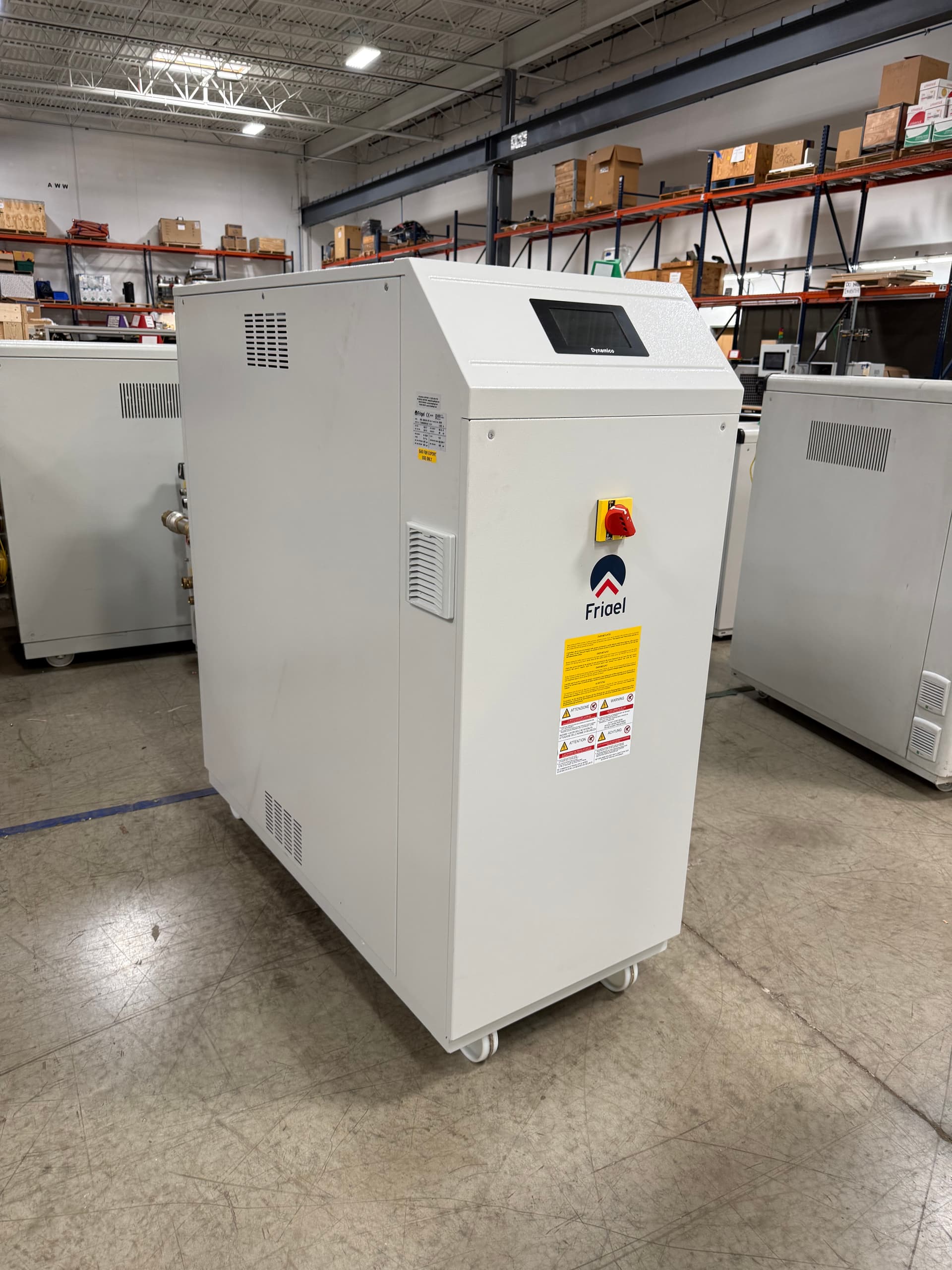
Lot 1 · Item #6900
2026 Frigel Dynamico Process Chiller
East Dundee, IL
Ends Mon, Nov 30, 10:00 AM CT · 20 bids

Lot 4 · Item #6903
2025 Frigel Process Chiller
East Dundee, IL
Ends Mon, Nov 30, 10:06 AM CT · 12 bids

Lot 3 · Item #6902
2025 Frigel Process Chiller
East Dundee, IL
Ends Mon, Nov 30, 10:04 AM CT · 16 bids

Lot 2 · Item #6901
2025 Frigel Process Chiller
East Dundee, IL
Ends Mon, Nov 30, 10:02 AM CT · 20 bids
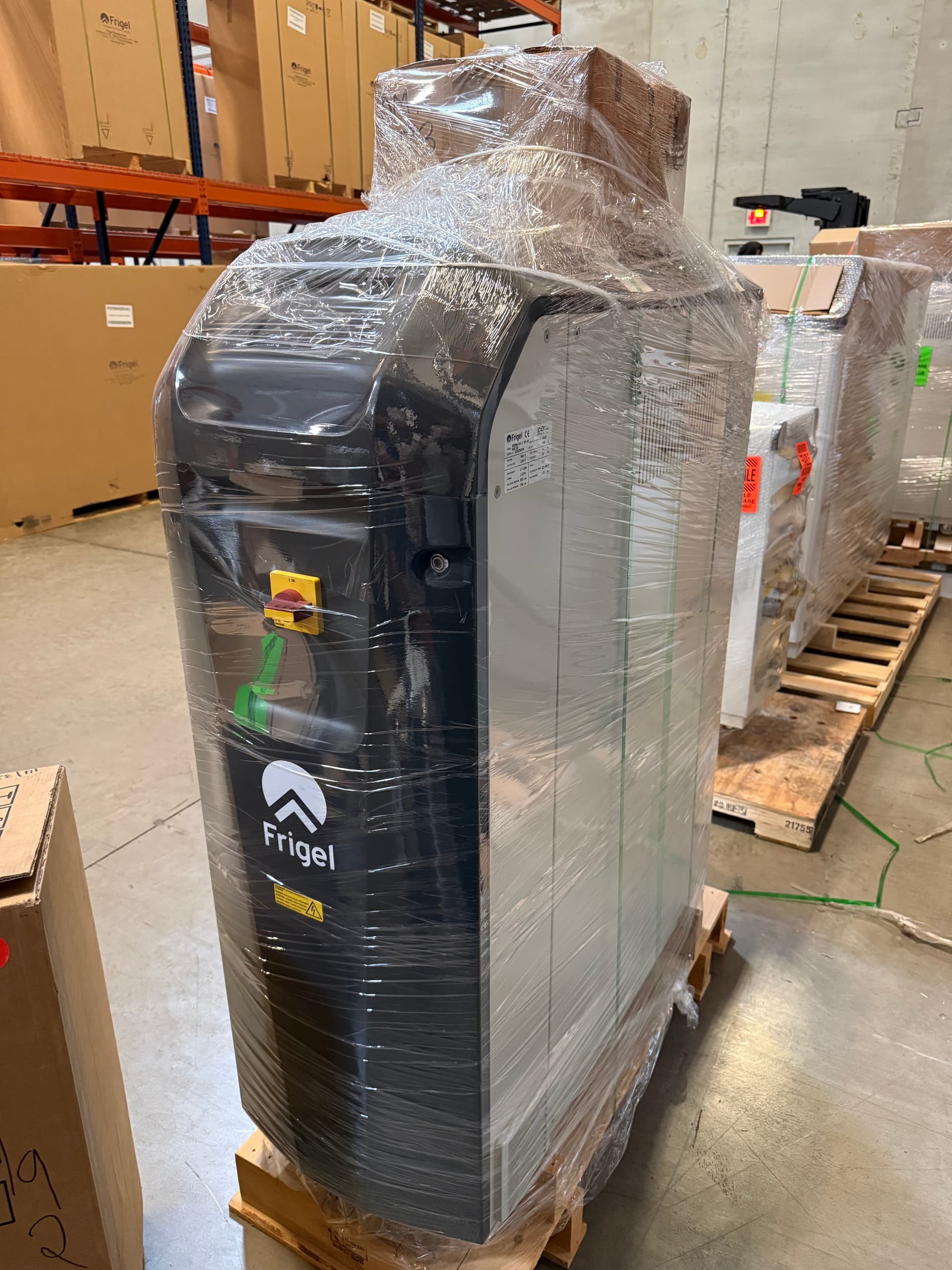
Lot 6 · Item #6905
2022 Frigel Process Chiller
East Dundee, IL
Ends Mon, Nov 30, 10:10 AM CT · 11 bids

Lot 5 · Item #6904
2022 Frigel Process Chiller
East Dundee, IL
Ends Mon, Nov 30, 10:08 AM CT · 23 bids
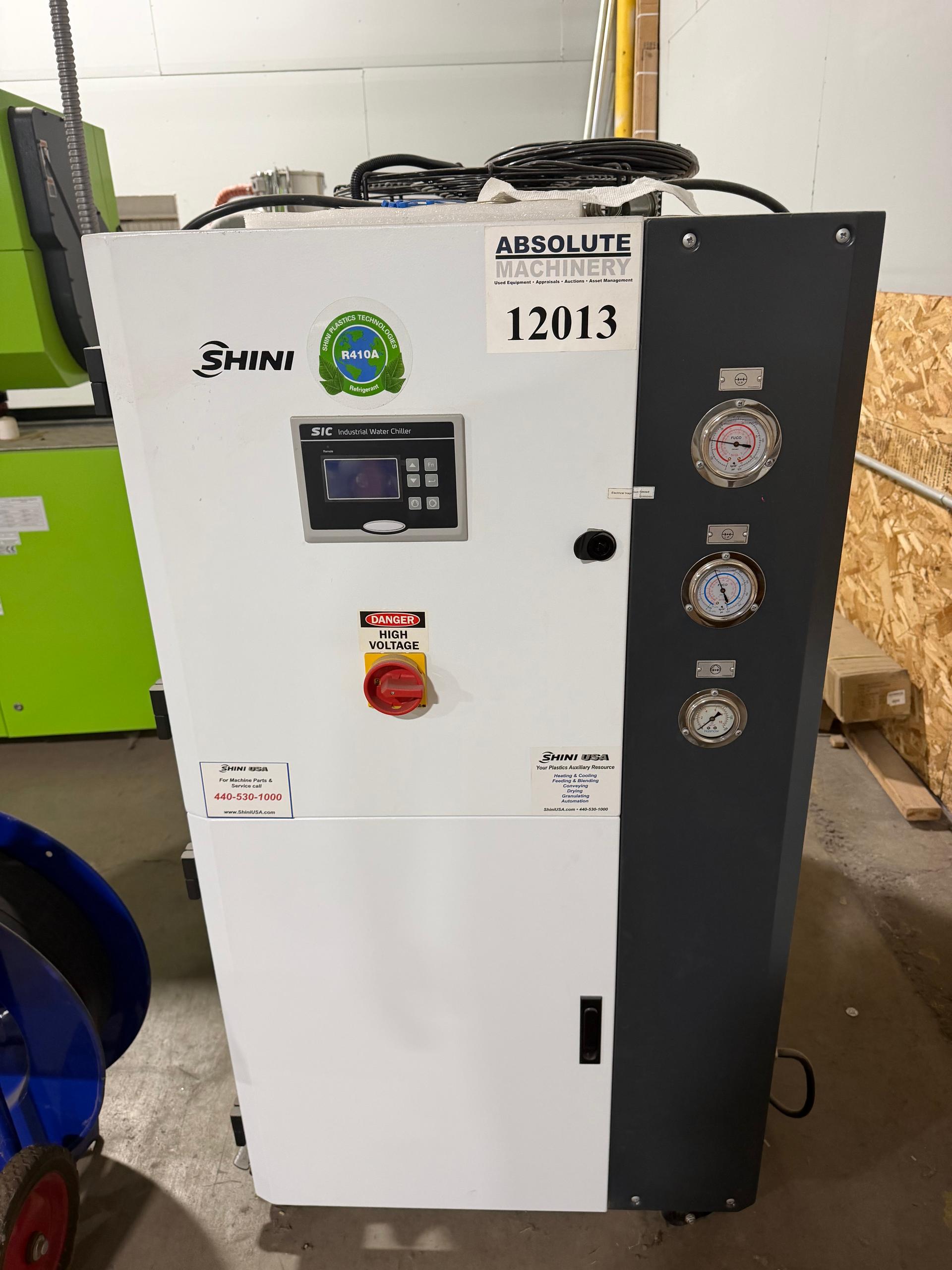
Lot 2 · Item #7112
Shini SIC Air-Cooled Industrial Water Chiller
USA · Register to see location
Ends Wed, Dec 16, 10:02 AM CT
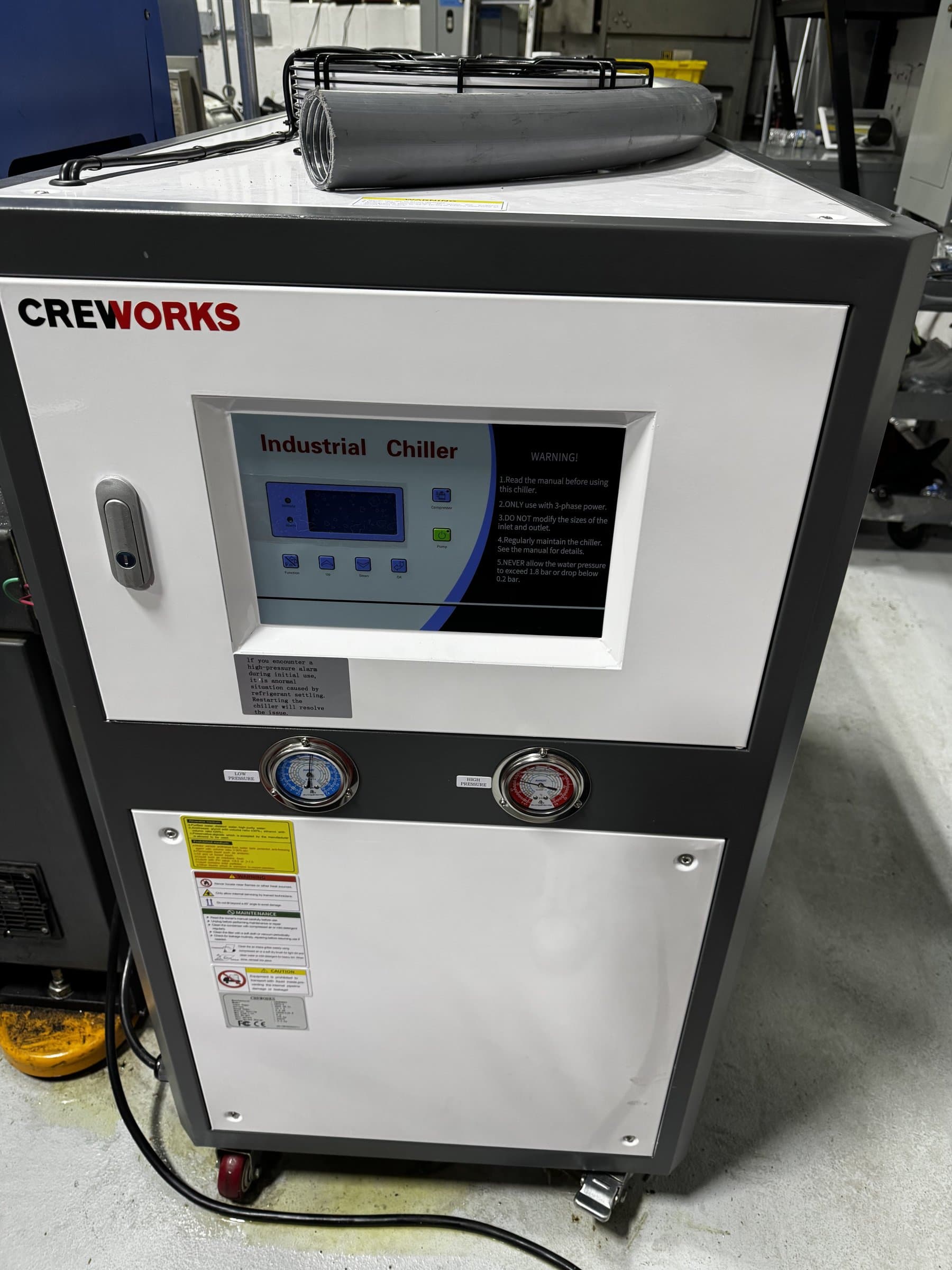
Lot 5 · Item #6941
Creworks CWTH-5 Air-Cooled Chiller
Gilberts, IL
Ends Wed, Dec 2, 10:08 AM CT · 1 bid
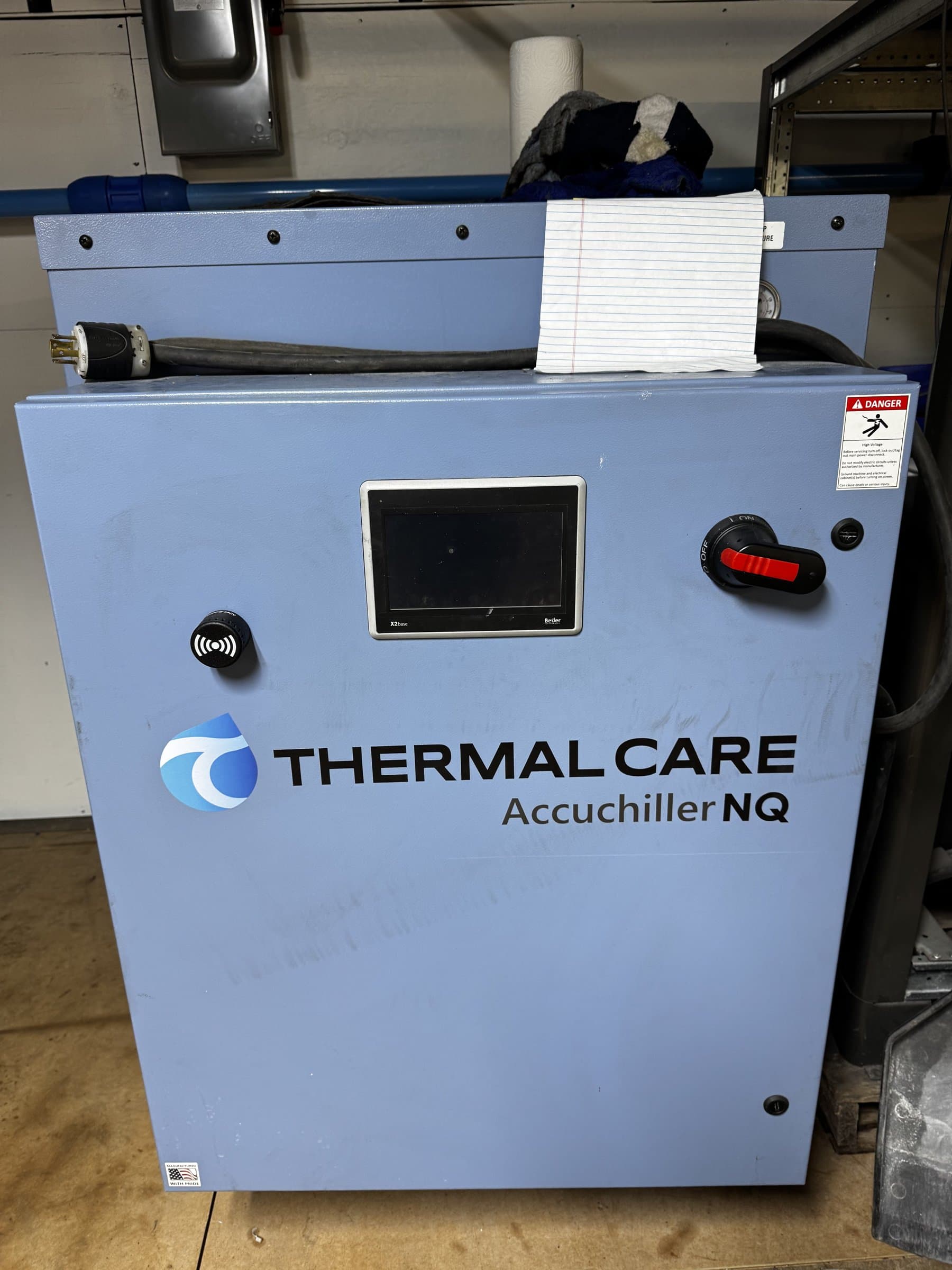
Lot 4 · Item #6940
Thermal Care NQVW05 Water-Cooled Chiller
Gilberts, IL
Ends Wed, Dec 2, 10:06 AM CT
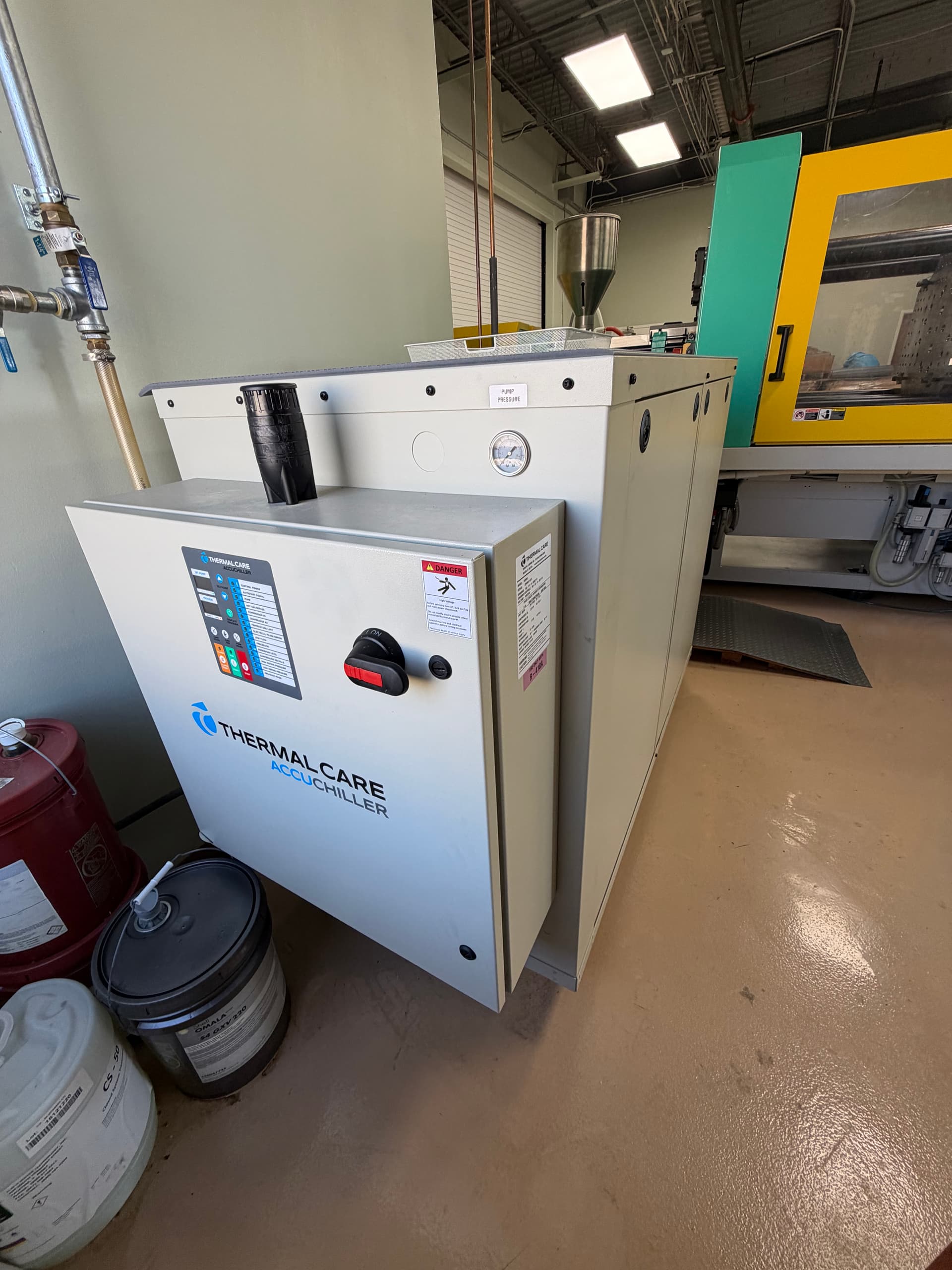
Lot 3 · Item #6898
Thermal Care NQR08 8 Ton Chiller
USA · Register to see location
Taking offers · bidding opens Tue, Dec 1, 10:00 AM CT
Process Chillers & Cooling Towers by the numbers
From our own catalog: machines listed now and machines we have sold. Updated every few minutes.
Our track record
80 machines sold · 23 makes · model years 1989–2023 · 12 sold at our own auctions
By brand
| Brand | In stock now | Sold by Meadoworks | Model years |
|---|---|---|---|
| Frigel | 6 | 0 | 2022–2026 |
| Thermal Care | 2 | 10 | 2002–2011 |
| Mokon | 1 | 1 | 2022 |
| Creworks | 1 | 0 | — |
| Shini | 1 | 0 | — |
| Advantage Engineering | 0 | 16 | 1997–2011 |
| Conair | 0 | 15 | 2006 |
| AEC-Whitlock | 0 | 4 | 2000–2009 |
| Wittmann | 0 | 4 | 2006–2023 |
| Carrier | 0 | 3 | 1996 |
Looking for Something Specific?
Most of our inventory sells before we can list it online. If you need a specific brand, model, or specification, tell us what you need—we have access to unlisted equipment and machines coming in from plant closures.
Browse Used Process Chillers & Cooling Towers by Brand
Browse Used Process Chillers & Cooling Towers by Country
Looking to Sell Your Process Chillers & Cooling Towers?
Meadoworks is an active cash buyer of used industrial equipment. Get a free valuation from our AMEA-certified appraisers.
About Used Process Chillers & Cooling Towers
Process chillers and cooling towers provide the cooling water needed for injection molding, blow molding, extrusion, and other plastics processes. Used chillers are available as air-cooled chillers, water-cooled chillers, and portable chillers in capacities from 1 to 500+ tons. Used cooling towers provide evaporative cooling for larger facilities.
Meadoworks stocks used process chillers, used cooling towers, and cooling equipment from AEC, Advantage, Carrier, Mokon, Daikin, Baltimore Aircoil, and Sterlco. AEC chillers and Mokon chillers are particularly popular in the plastics industry. Contact us at 800-323-0307.
A common rule of thumb is about one ton of chiller capacity for every 30–40 lb/hr of resin processed, adjusted up for thin-wall or fast-cycle molds, hydraulic oil cooling and hot plant conditions. Air-cooled chillers need clearance and ventilation; water-cooled chillers need a cooling tower or city water but run more efficiently. When buying used, ask for the refrigerant type and compressor hours, and check the evaporator, condenser, pump and controls.
How to Choose a Used Process Chiller
Tons, then air or water
A process chiller makes the cold water a mold, a blow pin, or an extruder barrel needs. Portable air-cooled units sit at the press. A central chiller, air-cooled or water-cooled, feeds the plant. A cooling tower is not a chiller. It only rejects heat when the weather lets it, and it does not hold 50 F process water in July.
Size from the heat load. A rough molding rule is about one ton for every 30–40 pounds per hour of resin, then check the mold. Capacities in this set run from about 1 ton to 500 tons.
What fails used
Compressors, condenser coils, and the water circuit. A unit that is low on refrigerant will run and will not hold setpoint. Pumps and the evaporator have to move your gallons per minute.
Voltage and where the heat goes decide air-cooled versus water-cooled. An air-cooled chiller dumped into a closed room overheats itself.
By size: Typical Used Process Chiller Price Ranges
Portable chillers (about 1–10 tons): $2,000–$10,000
Mid-size process chillers (about 10–30 tons): $8,000–$25,000
Central chillers (about 30–150+ tons): $20,000–$60,000+
Cooling towers: $3,000–$40,000, by tons and fill condition
What moves the price — tons, air-cooled vs water-cooled, refrigerant (older R-22 units are worth less), pump and tank included, age and whether it holds its setpoint under load.
These are typical used-market ranges, not a quote on any machine. For a current figure on a specific machine, request a quote or call 800-323-0307.
Process Chiller Specs to Compare
| Spec | Typical range | Why it matters |
|---|---|---|
| Capacity (tons) | About 1–500 tons | Match the heat load. A bigger number only helps if the pumps can move the water. |
| Condenser | Air-cooled on portables; water-cooled on most central units | Air-cooled or water-cooled. The plant has to have a place for that heat. |
| Setpoint | About 45–60 F on molding loops | The water temperature you need at the mold. A tower will not guarantee it. |
| Pump (gpm) | About 2.4 gpm per ton | Flow through the tool. Tons without flow do not cool the cavity. |
Capacity (tons)
Typical range: About 1–500 tons
Match the heat load. A bigger number only helps if the pumps can move the water.
Condenser
Typical range: Air-cooled on portables; water-cooled on most central units
Air-cooled or water-cooled. The plant has to have a place for that heat.
Setpoint
Typical range: About 45–60 F on molding loops
The water temperature you need at the mold. A tower will not guarantee it.
Pump (gpm)
Typical range: About 2.4 gpm per ton
Flow through the tool. Tons without flow do not cool the cavity.
What to Inspect on a Used Process Chiller
Pull it down
To the setpoint you will use. A chiller that only runs warm is not at its tons.
Look at the coils
Or the tower connection. Plugged air coils and a dead condenser fan are the usual miss.
Run the pump
Flow and leaks. The process circuit is half the machine.
Read the refrigerant
Pressures, if you can. A short charge will not hold on a hot day.
Related Equipment
- Portable Chillers
The beside-the-press units
- Water Temperature Controllers
Hold the mold at a setpoint
Types of Plastic Auxiliary Equipment
Common Applications
Frequently Asked Questions
How much does a used process chiller cost?
Used process chiller prices range from $2,000-$8,000 for small portable chillers (1-5 tons) to $10,000-$50,000+ for large central chillers (20-150+ tons). Used cooling tower prices range from $5,000-$30,000. AEC chillers and Mokon units are among the most popular brands. Contact Meadoworks at 800-323-0307.
How do I size a process chiller?
Add up the resin throughput (lb/hr) of every machine on the loop and allow about one ton of cooling per 30–40 lb/hr, then add capacity for hydraulic oil cooling, thin-wall molds and summer conditions.
Air-cooled or water-cooled chiller?
Air-cooled chillers are self-contained and simple to install but reject heat into the plant. Water-cooled chillers are more efficient and quieter but need a cooling tower or other condenser water supply.
Do you sell used York chillers?
York builds mostly building (HVAC) chillers. Plastics plants usually run process chillers from Advantage, Conair, Thermal Care or Frigel, which is most of what we sell. HVAC chillers from Carrier and Trane come through now and then.
What should I check on a used process chiller?
Run it and read the suction and discharge pressures, the leaving water temperature and the pump amps. Look for oil at fittings (a leak), a packed condenser coil and a pump seal that drips.
Related Resources
Recently Sold Process Chillers & Cooling Towers
View all sold auxiliary equipment →


Need Help Finding the Right Equipment?
Contact our team with your specifications and we'll help you find the right machine.
